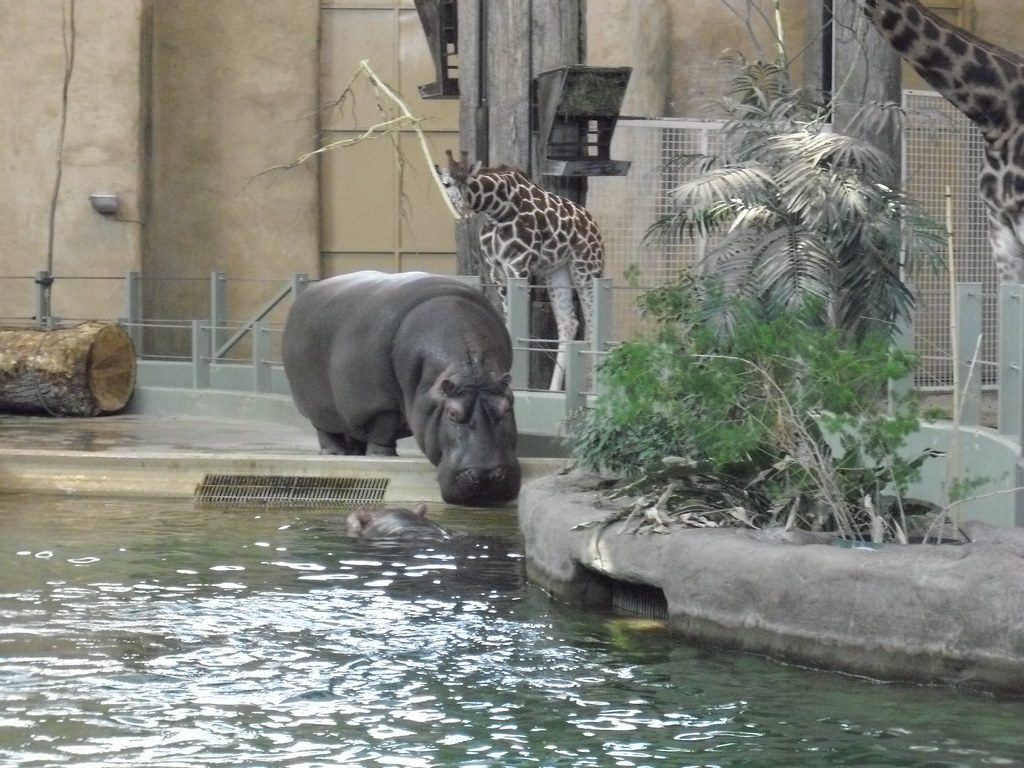
Orphaned baby hippo rescued beside his mother now finds comfort with a giraffe nanny at naptime is a heartwarming wildlife rescue story that shows how animals can be saved and cared for after tragic beginnings. If you have ever wondered what happens when a baby wild animal loses its mother, this story gives a simple and emotional answer. It shows how wildlife caretakers step in quickly to protect young animals and help them recover from shock and fear.
In this article, you will learn how a baby hippo can survive after such a loss, how rescuers provide round the clock care, and how unusual animal pairings can sometimes help with healing. You will also discover how sanctuaries support emotional recovery and why calm environments, even with different species like giraffes, can make a big difference in a young animal’s life.
Rescue after a heartbreaking start
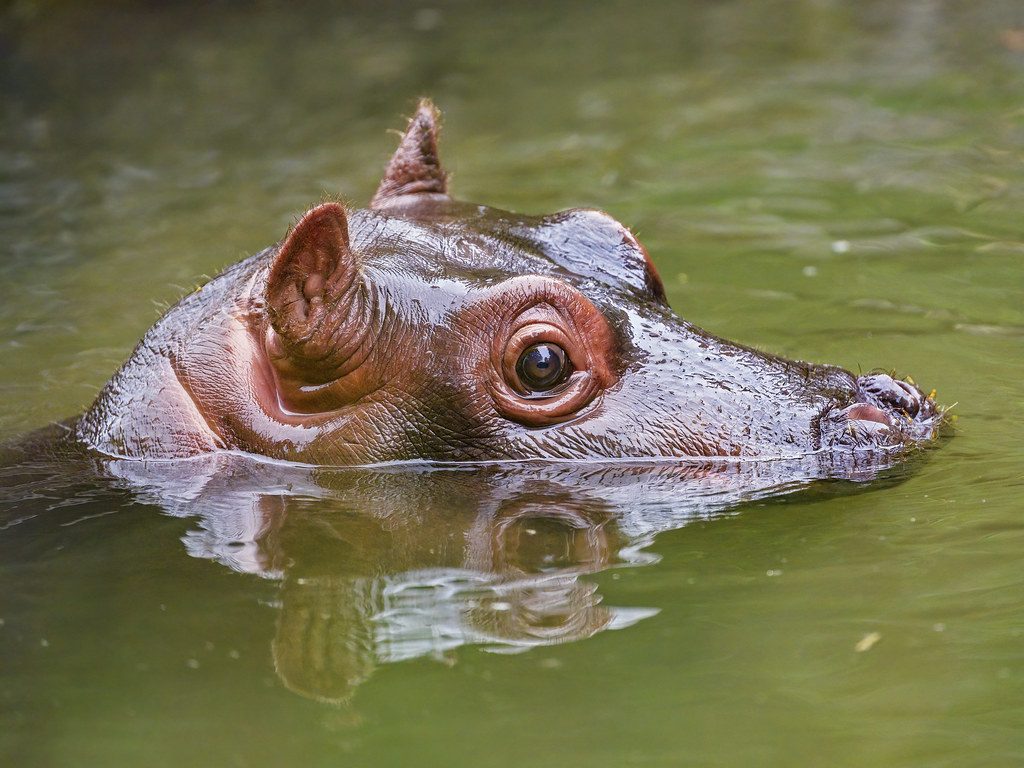
The story begins with a baby hippo found alone after his mother died in the wild. In situations like this, young hippos are extremely vulnerable because they depend fully on their mothers for protection, feeding, and emotional comfort. Without help, a baby hippo would not be able to survive long on its own. Wildlife rescuers carefully step in to prevent further danger and to give the animal a chance at life.
When rescuers arrive, they focus on safety first. The calf is gently moved away from the area and transported to a protected facility where trained staff can care for him. This process must be done with great care to avoid causing extra stress. In many cases, the baby is already confused and frightened, so calm handling and quiet surroundings are very important from the very beginning.
First days in a safe environment
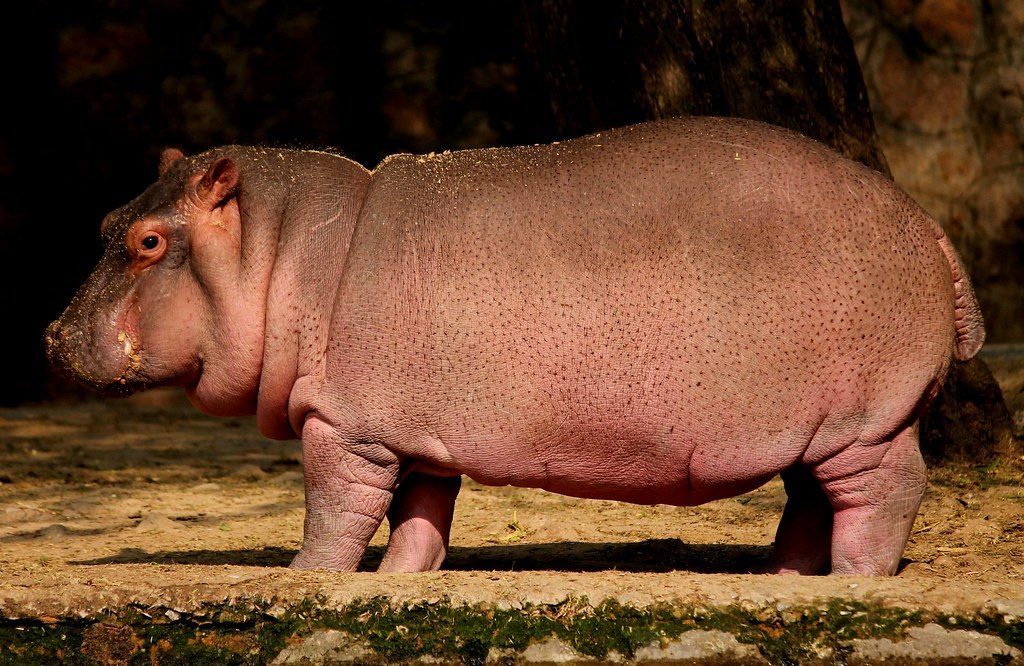
Once the baby hippo reaches a wildlife care center, the first days are focused on comfort and stability. The caretakers set up a safe space that is warm, quiet, and as similar to natural conditions as possible. Baby hippos normally stay close to water and their mothers, so staff often create shallow pools and soft resting areas to help them adjust.
During this stage, feeding is also a top priority. Baby hippos need regular milk feeds throughout the day and night. Caretakers often take turns to make sure the animal is never left alone for too long. This constant attention helps the hippo begin to trust its new environment. Slowly, the animal starts to recognize familiar routines, which helps reduce fear and stress over time.
How a giraffe became a calming presence
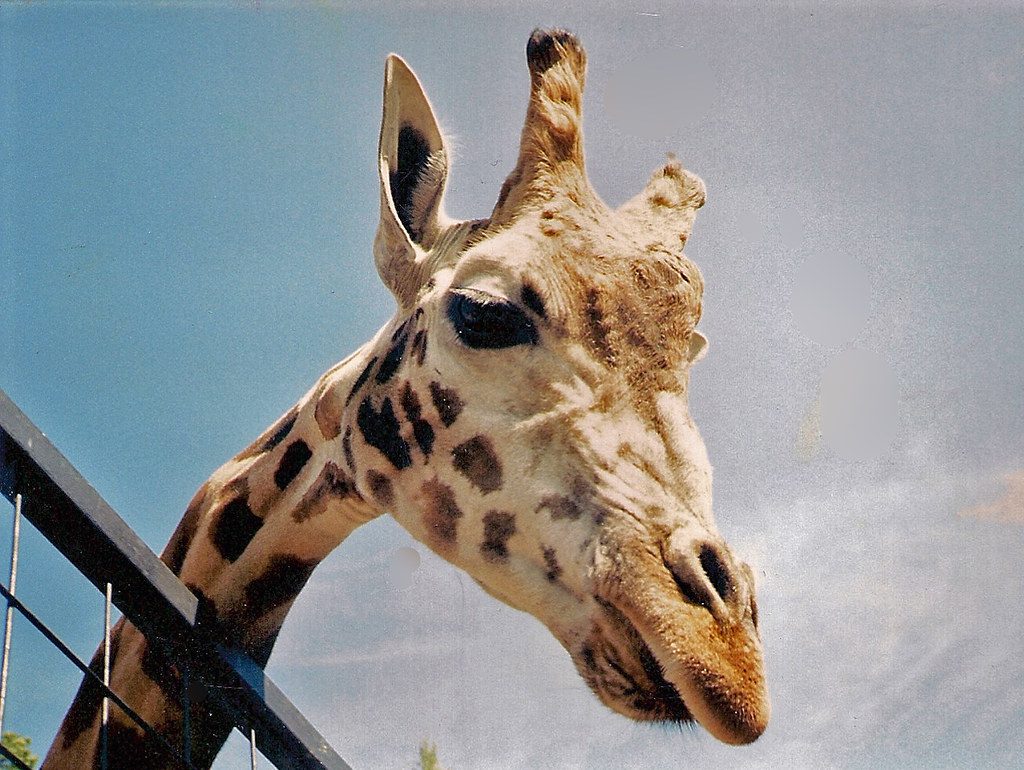
In some wildlife sanctuaries, animals from different species share nearby spaces when it is safe and helpful. In this case, a calm giraffe became part of the baby hippo’s environment during rest time. While the giraffe is not a caregiver in a human sense, its quiet and steady presence helped create a peaceful atmosphere for the young hippo.
Giraffes are generally gentle and slow-moving animals, which makes them good companions in shared spaces where stress reduction is important. The baby hippo, still adjusting to life without his mother, benefited from this calm setting. Watching a large but peaceful animal nearby helped create a sense of stability during naptime, even though the giraffe simply continued its normal behavior.
Daily care and emotional support routines
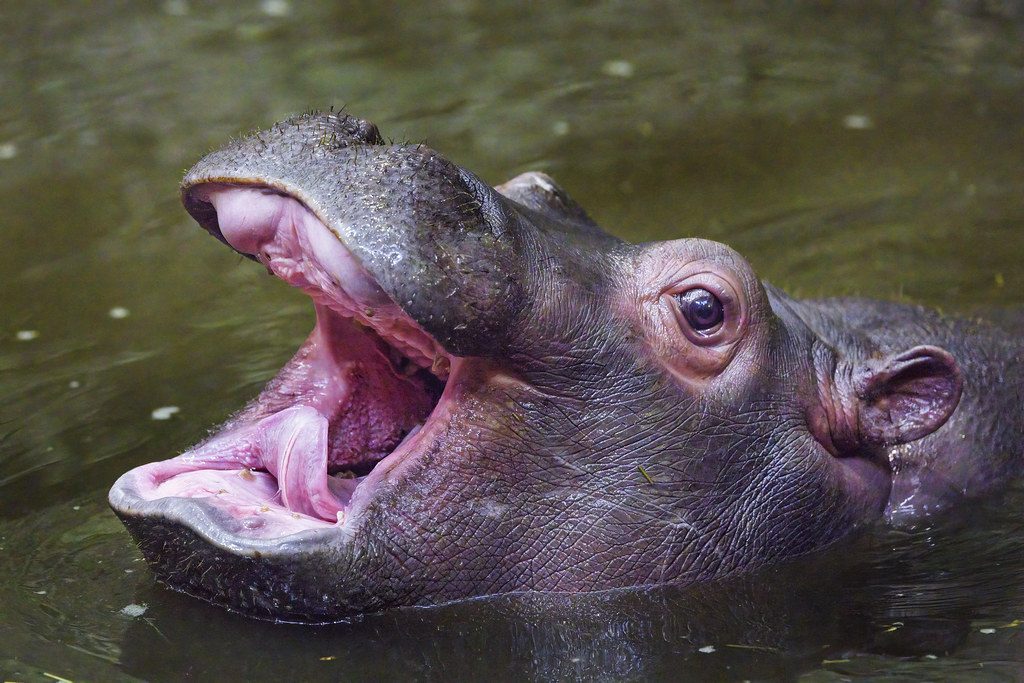
Caring for an orphaned baby hippo takes constant attention. These animals are large even at a young age and require both physical care and emotional support. Staff members follow strict routines that include feeding schedules, water time, cleaning, and health checks. Predictable routines are very important because they help the animal feel safe in its new surroundings.
Emotional care is just as important as physical care. Caretakers often stay close to the animal during rest periods, quietly observing and offering comfort through presence. Over time, the baby hippo begins to understand that it is no longer in danger. This slow rebuilding of trust is one of the most important steps in helping orphaned wildlife recover.
Healing through trust and familiar patterns
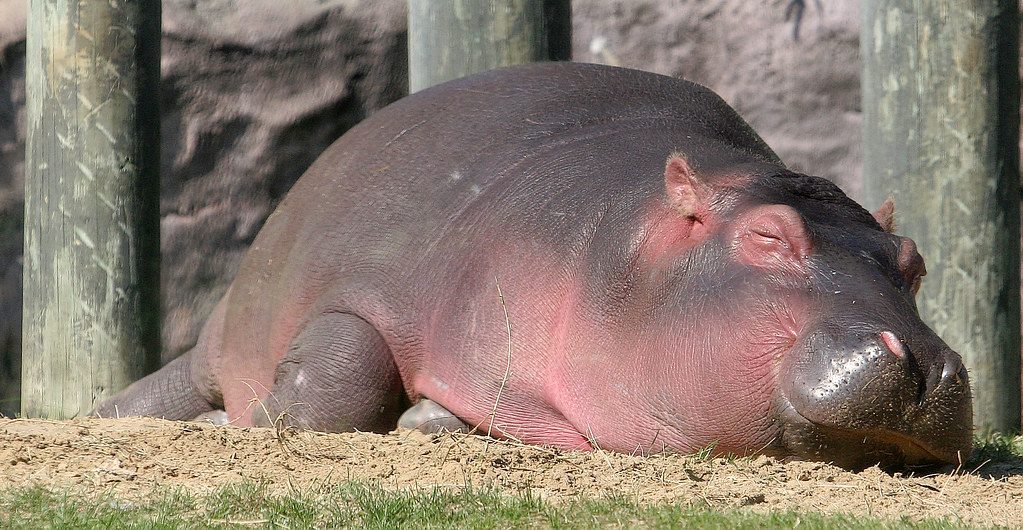
After losing a parent, a young animal can experience fear, confusion, and stress. Wildlife caretakers work to reduce these feelings by creating a stable environment. One of the most effective methods is repetition. When feeding, resting, and playtime happen at regular times every day, the animal starts to feel more secure.
The presence of calm animals nearby can also help support emotional healing. Even though animals do not understand care in the human sense, they are sensitive to energy, movement, and noise. A quiet giraffe or other gentle animal can help create a peaceful atmosphere that supports relaxation. Over time, the baby hippo begins to show more natural behavior, such as calm resting and gentle exploration.
The important role of wildlife sanctuaries
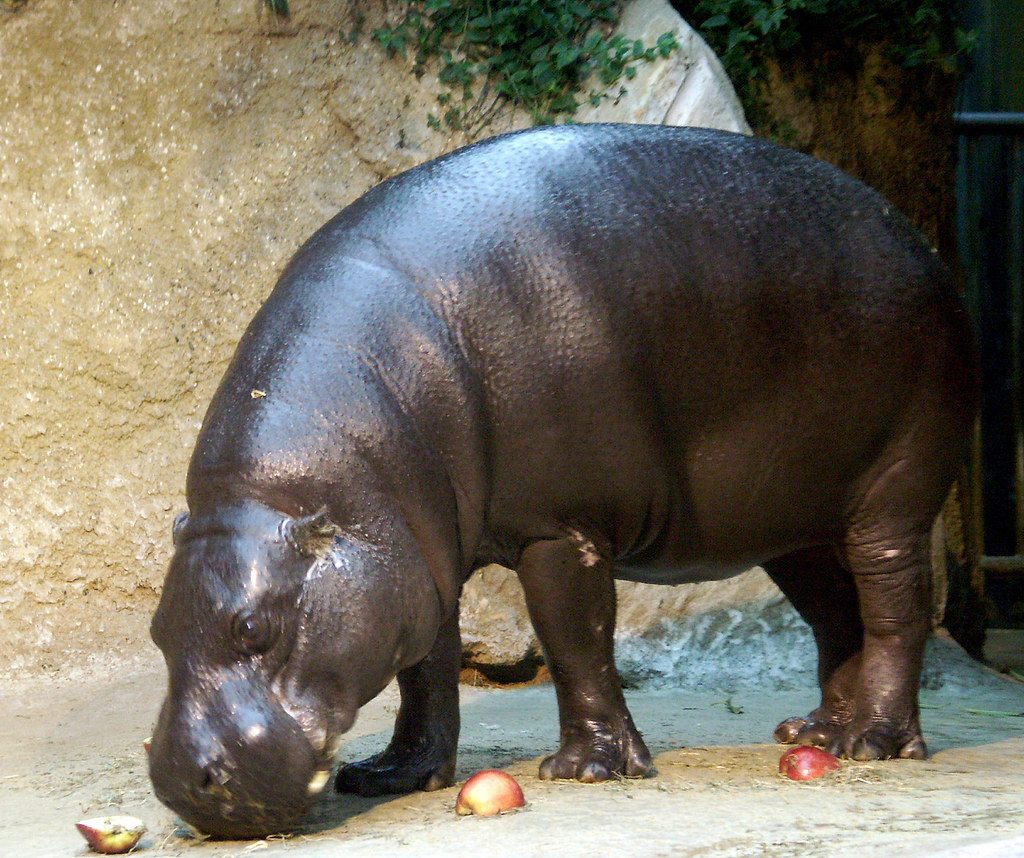
Wildlife sanctuaries play a critical role in saving animals like orphaned baby hippos. Without human help, many of these young animals would not survive after losing their mothers. Sanctuaries provide food, shelter, medical care, and emotional support in a controlled environment where the animal can heal safely.
These facilities also focus on long-term recovery. The goal is not just survival but preparing the animal for a healthy future. Depending on the situation, some animals may eventually be reintroduced into the wild or placed in larger natural habitats. This process takes time and requires careful planning, patience, and expert knowledge of animal behavior.
Leave a Reply