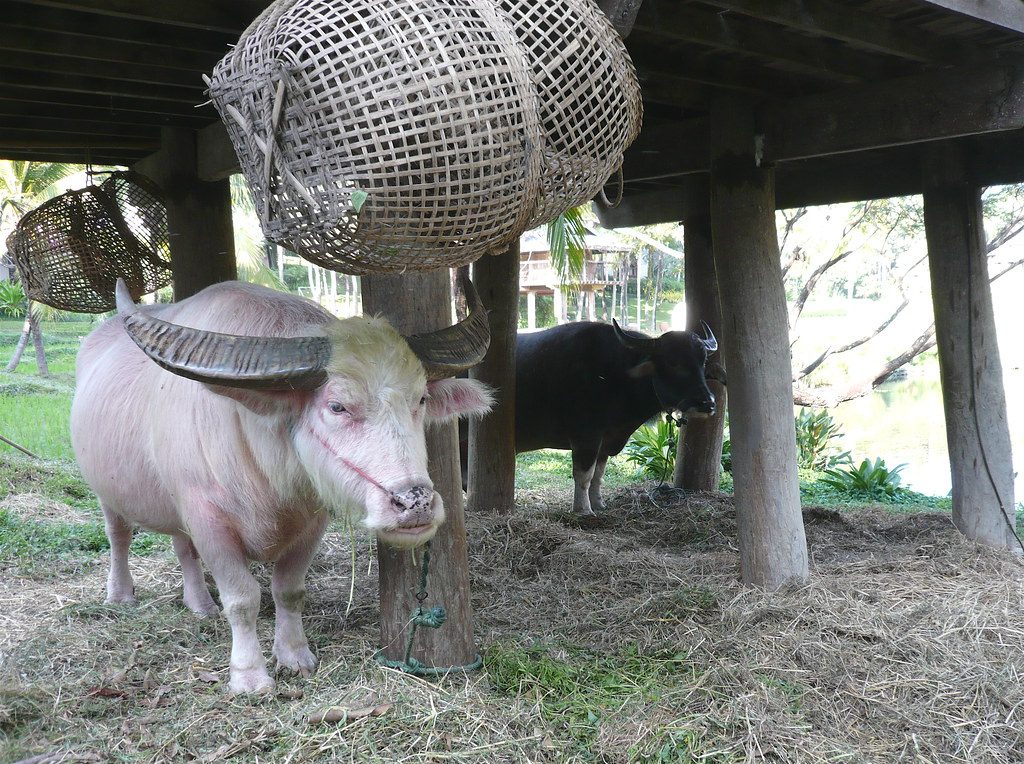
A rare albino buffalo in Bangladesh became the center of attention just days before Eid al-Adha. The unusual animal, nicknamed “Donald Trump” because of its blond tuft of hair, was already sold for sacrifice when the government stepped in at the last moment. Videos of the buffalo spread quickly online, and huge crowds traveled to see it in person.
The growing public interest raised security concerns, leading officials to stop the sacrifice and move the buffalo to a zoo in Dhaka. This story shows how one rare animal captured national attention and how a sudden decision changed its fate during one of the year’s busiest livestock seasons.
How the albino buffalo became famous
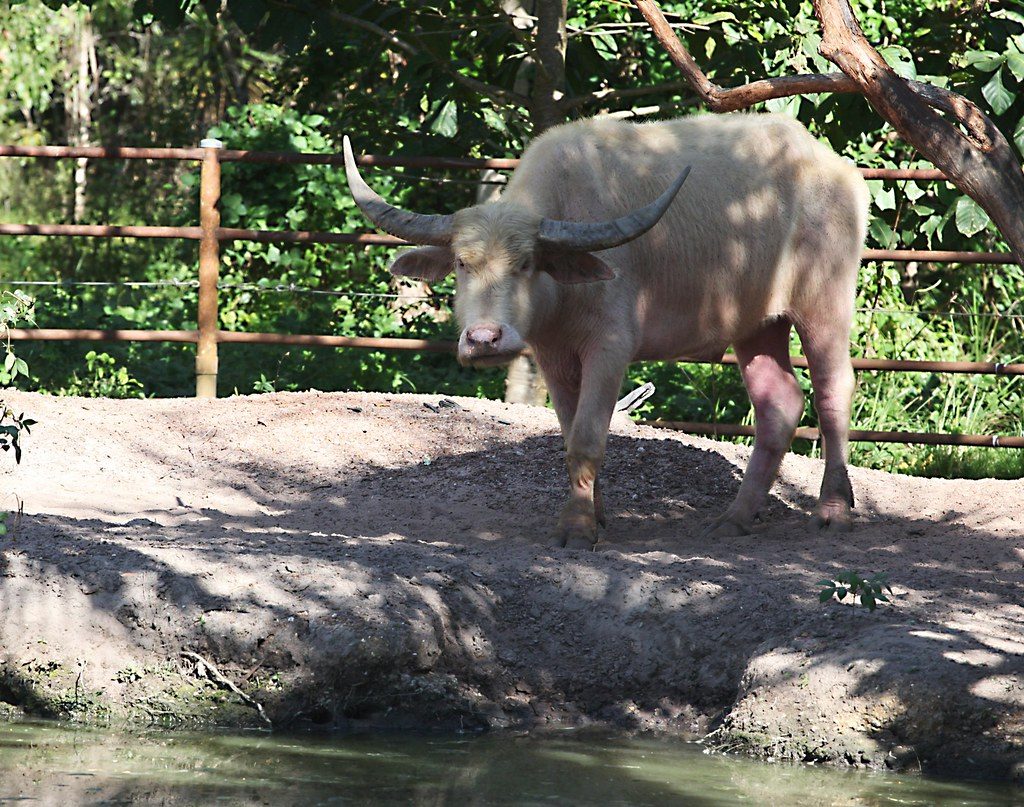
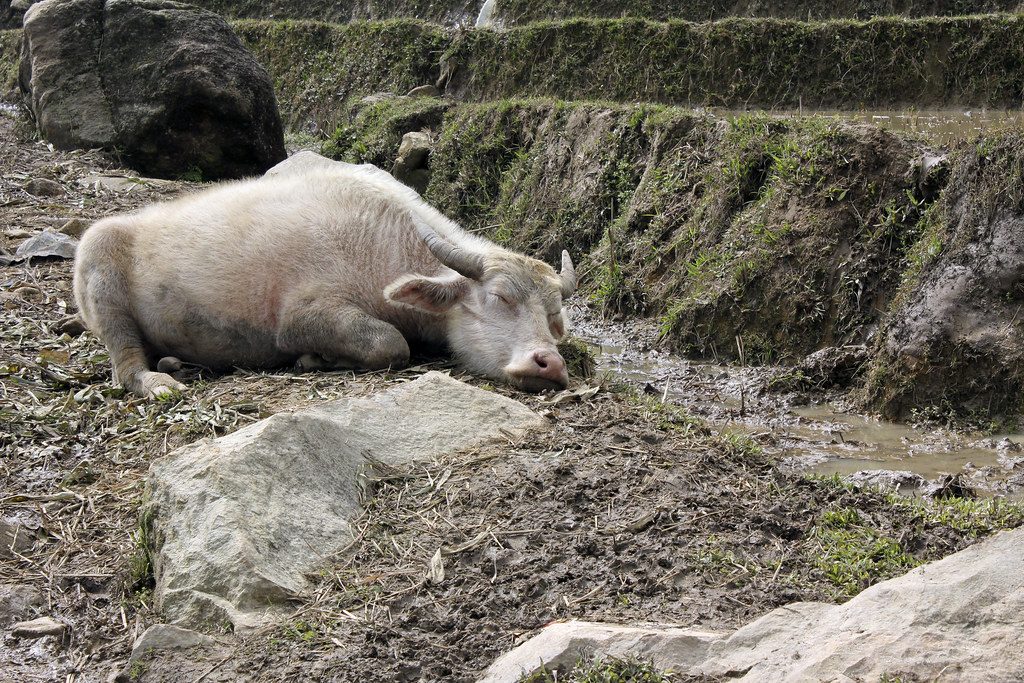
The albino buffalo first gained attention for its unusual appearance. In Bangladesh, most cattle are dark, so the blond fringe on the buffalo made it stand out immediately. People visiting the farm were surprised by its appearance and calm behavior, which quickly made it popular online.
Videos and photos of the animal spread across social media within days. Crowds soon began gathering at the farm to see the buffalo for themselves. Some visitors even traveled long distances just to take pictures and watch the rare animal up close during the busy Eid livestock season.
Why was the buffalo called Donald Trump
The buffalo received the nickname “Donald Trump” because of its blond tuft of hair. Farm owner Ziauddin Mridha explained that his younger brother noticed the similarity and gave the animal the name. The unusual nickname quickly caught people’s attention online, making the buffalo even more famous.
As the videos spread, many people became curious about the animal. The combination of blond hair and the rare albino coloring made the buffalo stand out from the others being sold during Eid. The nickname helped turn a normal livestock sale into a nationwide talking point.
Government steps in before Eid
The nearly 700-kilogram buffalo had already been sold for ritual sacrifice before officials intervened. According to a Home Ministry official, the government decided to stop the slaughter because of growing security concerns linked to the large public crowds gathering around the farm.
Home Minister Salahuddin Ahmed ordered that the buffalo be spared and relocated to the national zoo in Dhaka. Officials also arranged for the buyer to receive a refund. The decision came at the last moment, just before Eid al-Adha celebrations were set to begin.
Crowds gathered to see the rare animal
The buffalo’s sudden popularity brought large numbers of visitors to the farm. Many people wanted to see the rare albino animal in person after watching videos online. The crowds continued growing as news spread across the country.
Farm owner Ziauddin Mridha said the buffalo was gentle and needed careful upkeep. He explained that the animal required frequent feeding and regular baths. Visitors were not only interested in its appearance but also in its calm nature, which added to its popularity.
Why are albino buffalo so unusual?
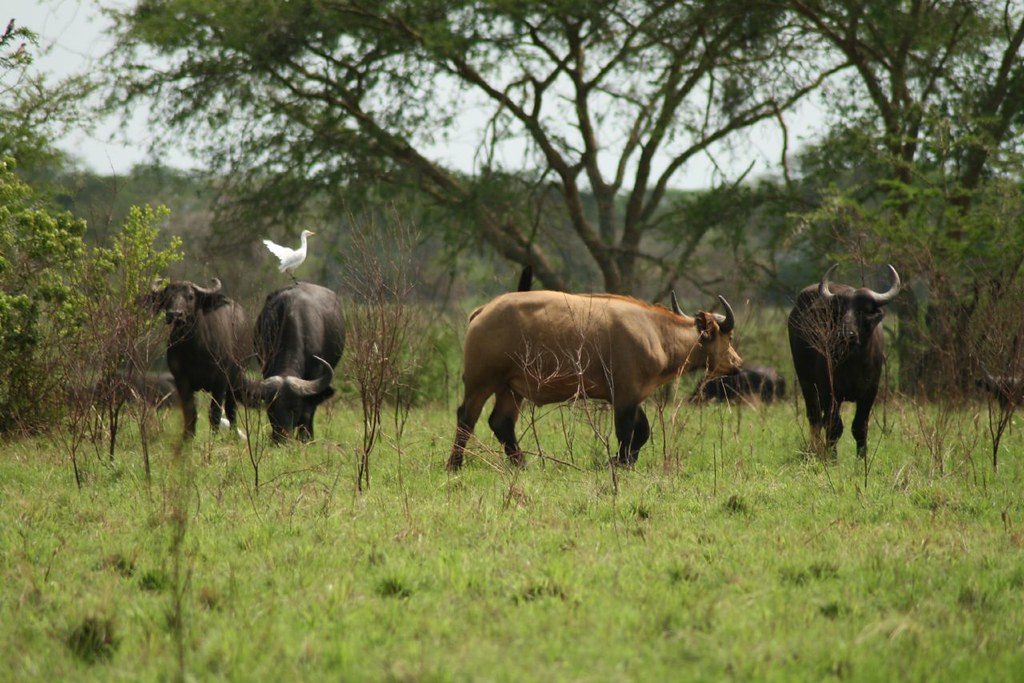
Albino buffaloes are very rare in Bangladesh. Most cattle in the country are dark in color, which made this buffalo especially noticeable during the Eid livestock season. Its pale appearance immediately separated it from other animals at the farm.
The buffalo’s rare coloring and famous nickname likely helped save its life. What started as a regular Eid animal sale became a national story because so many people became emotionally attached to the buffalo after seeing it online and in person.
Eid struggles continue in Mali

While the buffalo story captured attention in Bangladesh, many families in Mali faced serious problems ahead of Eid al-Adha. A blockade by armed groups linked to al-Qaeda caused sheep prices to rise sharply, making it difficult for many people to afford animals for sacrifice.
The blockade affected Bamako, the capital city of Mali, where fighters attacked trucks carrying goods and fuel into the area. Analysts said the blockade was meant to weaken the economy and damage confidence in the military government. As prices rose, many families struggled to uphold the important Eid tradition of sharing meat with the poor.
Leave a Reply