
The wild turkey population in the US states has become one of the biggest wildlife success stories in America. These large birds were once close to disappearing in many regions, but strong conservation work helped them recover across the country. Today, wild turkeys are found in forests, farmlands, mountains, and even suburban areas in many states.
Some states now hold huge numbers of wild turkeys because of good habitat and smart wildlife management. Food sources, nesting cover, and safe land areas all play a big role in where turkeys grow the most. In this article, we will look at the 6 U.S. states that lead the nation in wild turkey populations and understand why these places are so important for the species.
Texas leads the nation in wild turkeys

Texas has the highest wild turkey population in the United States. The state is believed to have hundreds of thousands of birds, often estimated at around half a million or more. Most of these are Rio Grande wild turkeys, which do very well in dry brush areas and river valleys across the state.
The large size of Texas gives turkeys plenty of room to spread out and live safely. Ranchlands, open fields, and wooded river zones create the perfect mix of food and shelter. Wildlife programs also help manage the population carefully, which keeps numbers strong and stable year after year.
Missouri remains a major turkey stronghold

Missouri is one of the top wild turkey states in the country, with a strong population often estimated in the hundreds of thousands. The state is especially known for its Eastern wild turkeys, which live in forests, hills, and farmland edges. Missouri is often seen as one of the best turkey hunting and viewing states in America.
This strong population is the result of one of the most successful wildlife recovery efforts in U.S. history. Turkeys were once nearly gone from Missouri, but careful reintroduction and habitat protection brought them back. Today, they can be found across nearly every county in the state.
Wisconsin supports strong northern turkey habitat
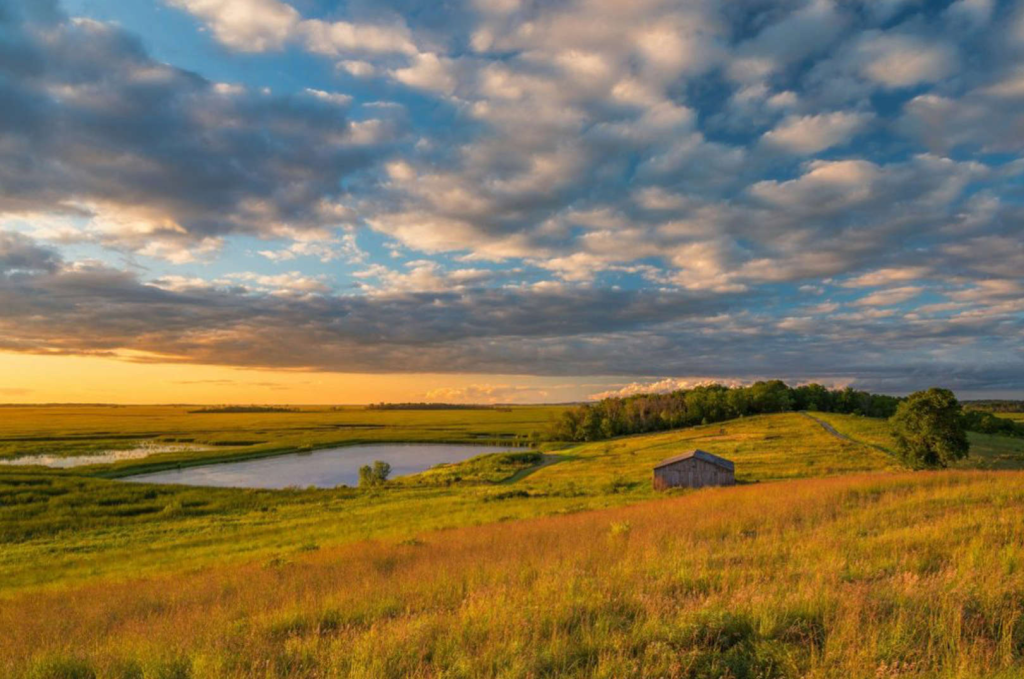
Wisconsin has a large and healthy wild turkey population, often estimated at over 300,000 birds. These turkeys are mostly Eastern wild turkeys that live in forests, farmland, and wetland edges. They are now a common sight across both rural and suburban parts of the state.
Wisconsin’s turkey comeback is another major wildlife success story. After disappearing in the early 1900s, turkeys were brought back through reintroduction programs. Over time, they adapted well to the state’s mix of farmland and forest, allowing the population to grow steadily.
Alabama stays a strong southern turkey state
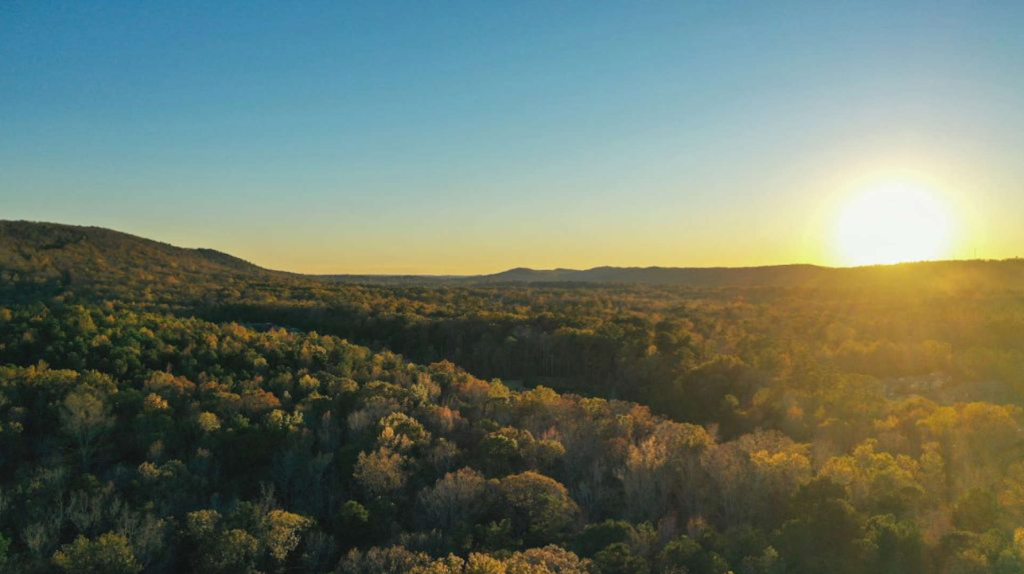
Alabama is one of the strongest wild turkey states in the southeastern United States, with an estimated population of around 300,000 birds. These Eastern wild turkeys thrive in the state’s warm climate and thick forests. Alabama’s long growing season also helps support healthy breeding cycles.
The state offers a wide mix of pine forests, hardwood areas, and open fields that turkeys use for feeding and nesting. Wildlife management programs help keep the population balanced through regulated hunting seasons and habitat care. This ensures turkeys remain common across most regions of the state.
Kentucky provides a balanced turkey habitat
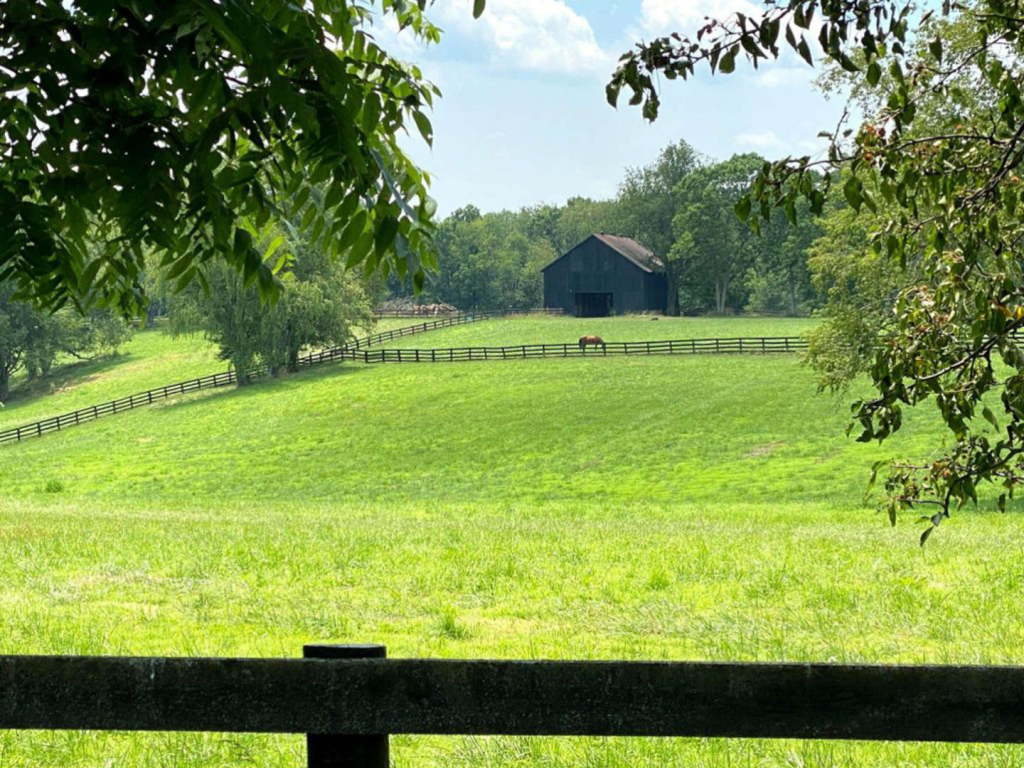
Kentucky has a strong wild turkey population that is often estimated between 250,000 and 300,000 birds. The state’s rolling hills and hardwood forests create perfect nesting and feeding conditions. Eastern wild turkeys are the main subspecies found here.
Kentucky also benefits from a natural mix of food sources like acorns, seeds, and insects. These resources help turkeys grow strong and raise their young successfully. Conservation efforts have helped expand their range across both rural and suburban areas.
North Carolina shows strong turkey recovery

North Carolina is another top state for wild turkeys, with an estimated population of around 270,000 birds. The state has a mix of mountains, forests, and coastal plains, which gives turkeys many different habitats to live in. Eastern wild turkeys are the most common type found here.
Years ago, turkey numbers dropped due to habitat loss and overhunting, but recovery programs helped bring them back. Today, turkeys are widely spread across the state. Forests and farmland together provide food, shelter, and safe nesting areas that support steady population growth.
California supports a wide but spread population
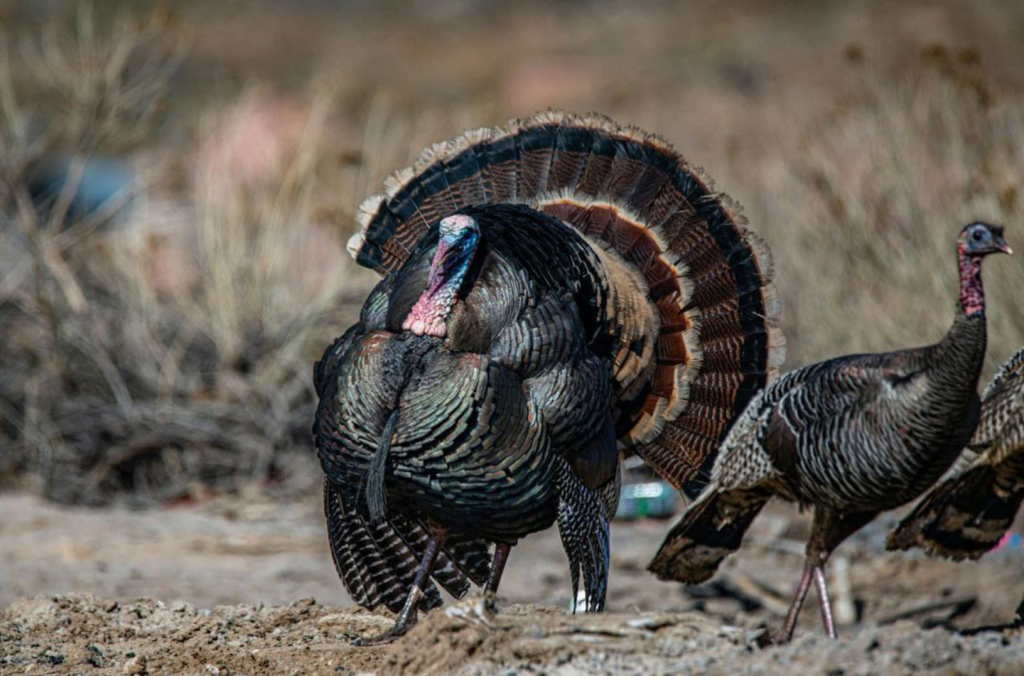
California has a wild turkey population estimated at around 250,000 birds. Unlike some eastern states, turkeys in California are spread out across many regions, including valleys, foothills, and even suburban zones. The state has multiple turkey subspecies, including Rio Grande and Merriam’s turkeys.
These birds were introduced to some parts of California but have since expanded naturally across the landscape. The state’s varied geography helps it survive in both dry and forested environments. Their adaptability is one of the main reasons the population continues to grow.
Leave a Reply