A simple act of kindness turned into a surprising wildlife moment when a raccoon took over a cozy bed meant for a feral cat. The story of a raccoon finding comfort in a feral cat bed setup quickly gained attention online because of how unexpectedly the animal reacted to the situation.
This article explains how the raccoon ended up in the cat’s space, why urban wildlife often interacts with human homes, and what risks can come from feeding wild animals. It also highlights how people reacted to the unusual but heartwarming scene.
A cozy bed meant for a feral cat
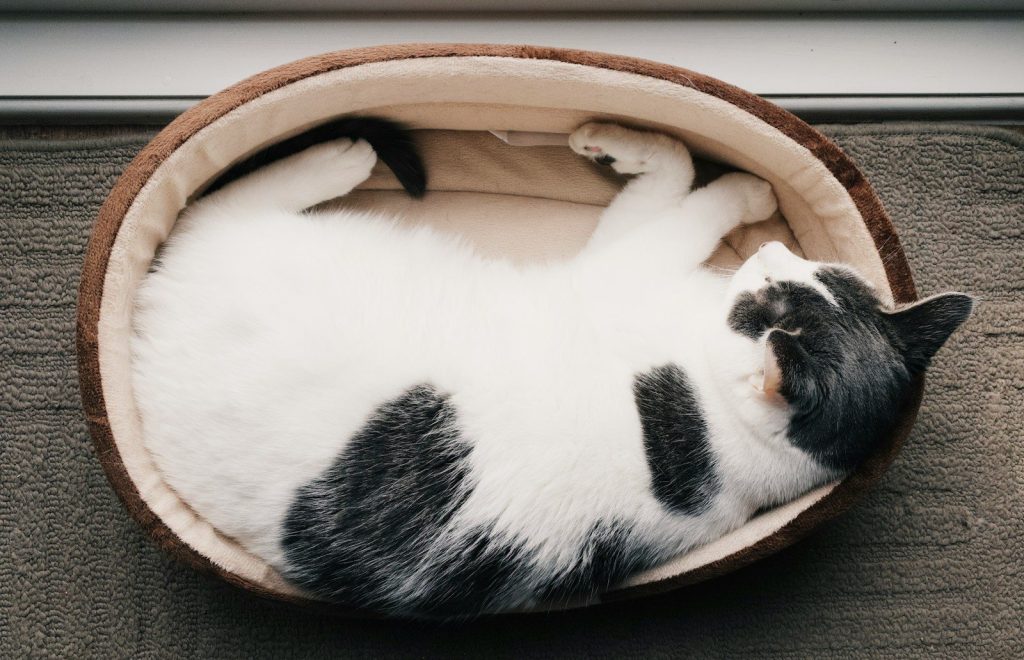
A person set out a soft bed and some food for a feral cat they had been feeding regularly. The goal was to provide the cat with a safe, comfortable place to rest while staying outdoors.
However, when they checked the spot later, they were surprised to find the cat was gone. Instead, a raccoon had taken over the bed and made itself completely at home.
The raccoon takes over the sleeping spot
The raccoon was found curled up inside the cat bed, looking relaxed and comfortable. It appeared to fully accept the space as its own and showed no signs of wanting to leave.
The person who found it also left some food, including a bagel and kibble, for the animal. Rather than chasing it away, they allowed the raccoon to stay in the cozy spot.
Why raccoons enter human spaces
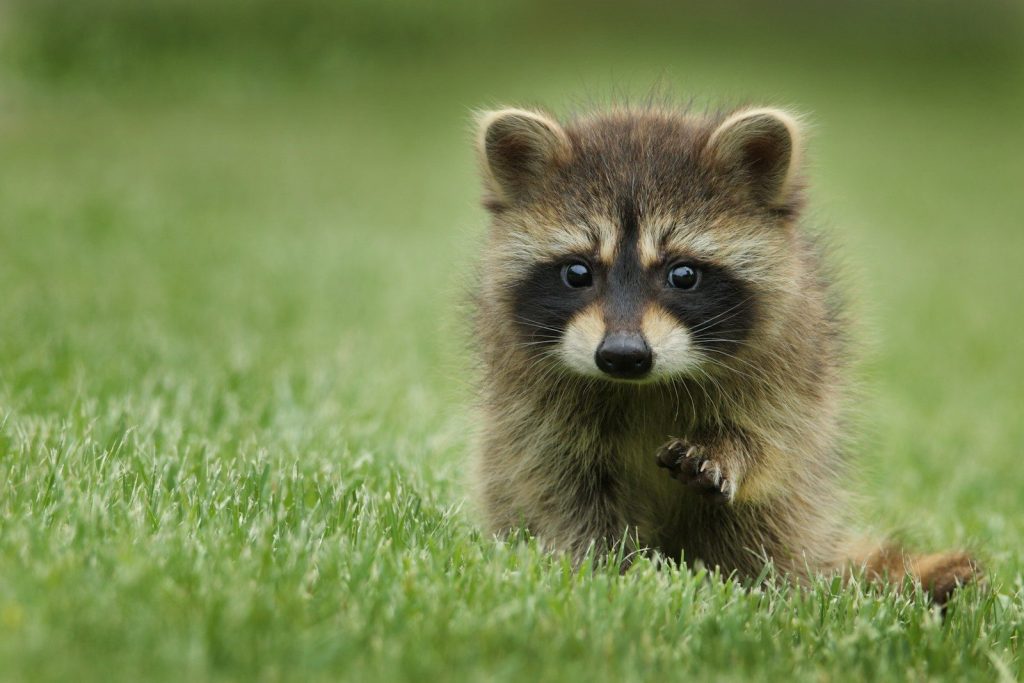
Raccoons are highly adaptable animals that often live near people. They are known for using human-made structures for food and shelter, especially in areas with limited natural habitats.
Outdoor feeding stations and pet food left outside can attract raccoons and other wildlife. Over time, these animals learn that human environments offer easy access to resources such as food and warmth.
Risks of feeding wild animals
While scenes like this may look cute, feeding wildlife can create serious problems. It can encourage animals to return repeatedly and become dependent on human food sources instead of finding their own natural diet.
It can also increase the presence of other animals, such as coyotes, in neighborhoods. This raises potential risks for pets and even children who may encounter wildlife more often than expected.
Human-wildlife interactions can grow quickly
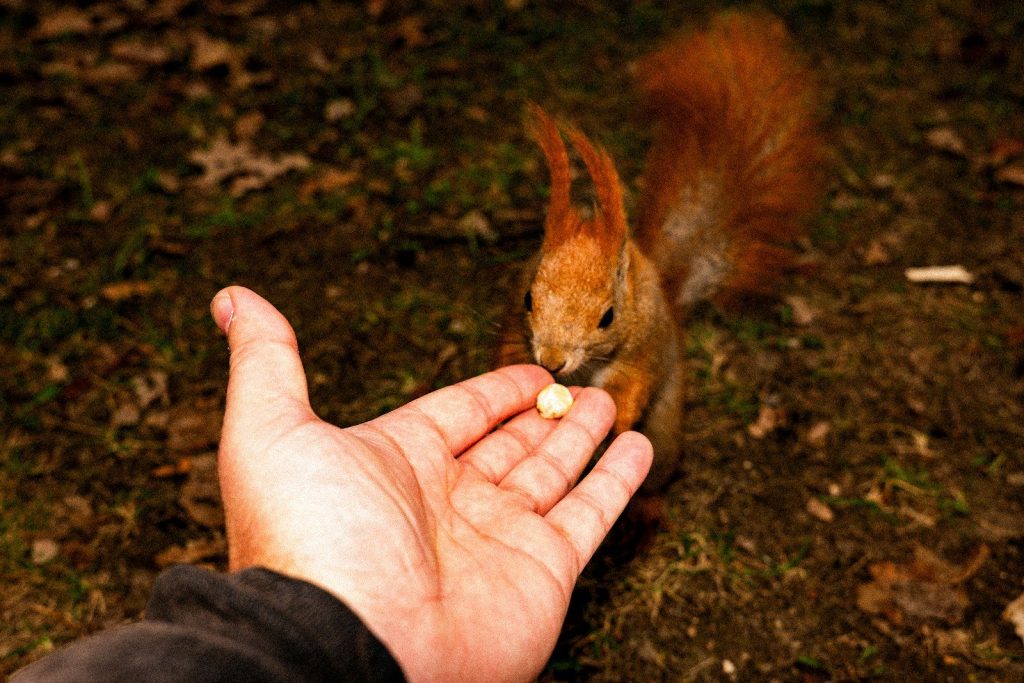
In some cases, feeding wildlife can lead to large numbers of animals gathering in one place. One example mentioned a homeowner who fed raccoons for years and eventually found themselves surrounded by a large group of them.
These situations can become difficult to manage and may create safety concerns. When animals begin relying on humans for food, their behavior can change unpredictably.
Public reaction to the raccoon story
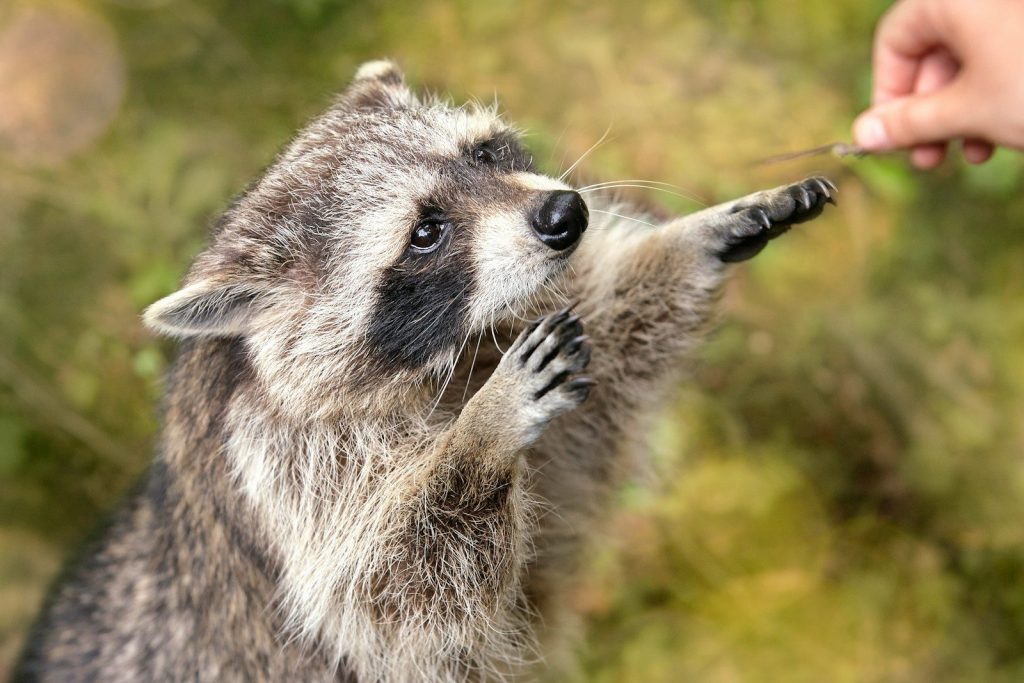
Even with the concerns, many people online found the raccoon’s behavior charming. Commenters described the animal as happy, cozy, and amusing to watch in its unexpected bed.
Some joked about how relaxed the raccoon looked, while others shared similar experiences of raccoons and feral cats interacting in their neighborhoods. Despite the humor, many also recognized the importance of keeping wildlife wild.
Leave a Reply