
If you have been hearing strange sounds or noticing unusual activity outside after dark, you may be wondering about signs a coyote has been circling your home at night. Coyotes are quiet, smart animals that often move through neighborhoods without being seen, especially when it is dark. They can walk the same paths repeatedly while searching for food, water, or small animals.
In this article, you will learn how to spot the clearest signs that a coyote may be regularly visiting or circling your home. You will also understand their behavior in simple terms so you can stay alert without panicking. By the end, you will know what sounds, tracks, and patterns matter most and how to tell normal wildlife activity from a coyote that is sticking too close to your yard.
Nighttime howling or yipping near your house
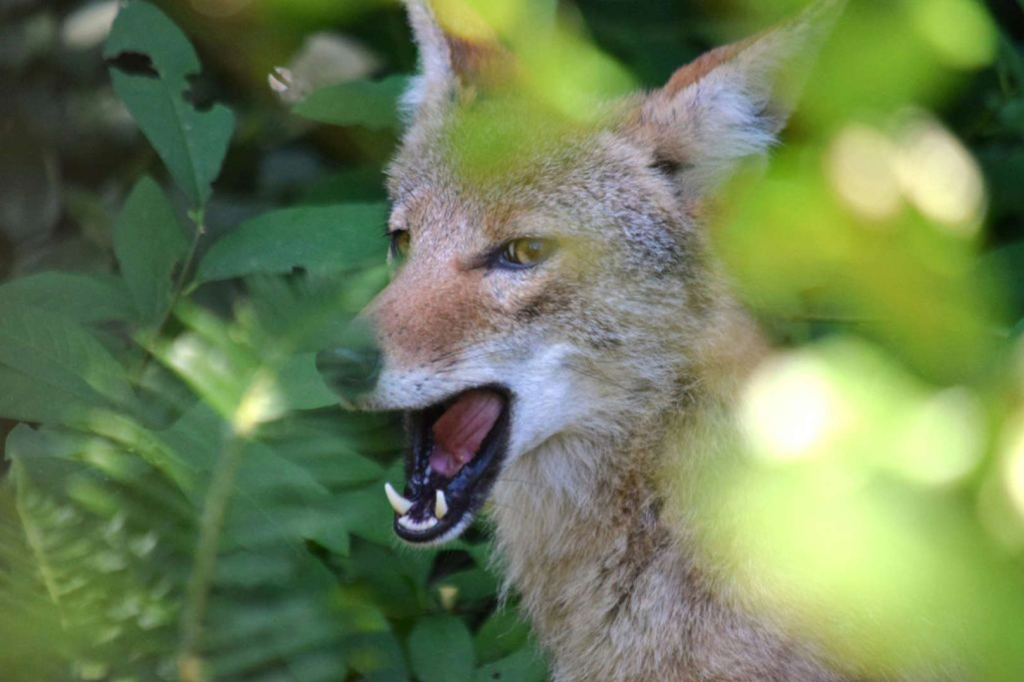
One of the most common signs of coyotes nearby is hearing howling, yipping, or barking sounds at night. These sounds often carry far and may seem closer than they really are because of how sound travels at night. Coyotes use these vocal sounds to talk to each other, find their group, or mark territory around neighborhoods.
Sometimes it can sound like many coyotes are present, even if only a few are there. This happens because their calls overlap and echo across open spaces. While howling alone is not dangerous, repeated vocal activity close to your home may suggest they are using your area as part of their regular route or territory.
Repeated tracks and narrow walking paths
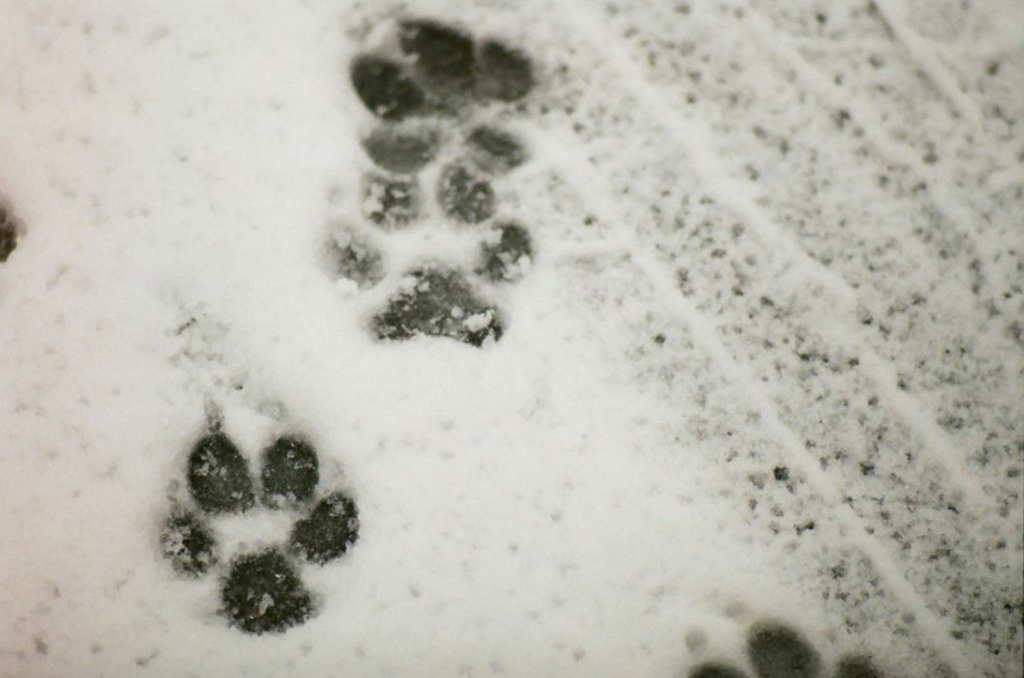
Another strong sign of coyotes circling your home is finding tracks or paw prints in the same areas again and again. Coyote tracks usually look like dog prints but are narrower and more pointed. They often move in straight lines, showing they are traveling with purpose instead of wandering.
You may also notice worn-down paths along fences, garden edges, or yard borders. Coyotes like to follow the same routes because it helps them stay hidden while moving efficiently. When you see repeated tracks forming a pattern, it often means the animal is not just passing through once but returning regularly.
Scat left near yards or trails

Coyotes often leave droppings, also called scat, as a way to mark territory. A clear sign of coyote activity near homes is finding scat on walkways, yard edges, or dirt paths. It usually contains fur, seeds, or small bone fragments because coyotes eat a mixed diet.
This behavior is not random. Coyotes use scat to send messages to other coyotes, telling them that an area is already claimed. If you notice scat appearing in the same places more than once, it may mean a coyote is circling and marking the same territory repeatedly.
Pets acting nervous or refusing to go outside

Domestic animals often notice coyotes before humans do. A major warning sign is when your dog or cat suddenly becomes restless, alert, or scared at night. Pets may bark more than usual, refuse to go outside, or stare into dark areas of the yard.
This reaction happens because animals can smell or hear coyotes even when they are not visible. If your pet consistently reacts at the same time each night, it may suggest a coyote is passing close by or circling your property. This behavior is often one of the earliest and most reliable warning signals.
Unusual nighttime movement or missing small animals

Coyotes are most active at night, so signs of movement such as rustling bushes, sudden silence outside, or quick shadows can be clues. You may also notice small animals like rabbits or outdoor cats behaving differently or disappearing from the area.
Coyotes are opportunistic hunters, meaning they take advantage of easy food sources. If they find your neighborhood safe and quiet, they may return often along the same routes. Repeated nighttime movement around fences, trash areas, or gardens can be a sign that they are circling nearby instead of just passing through.
Signs of territory marking and bold behavior
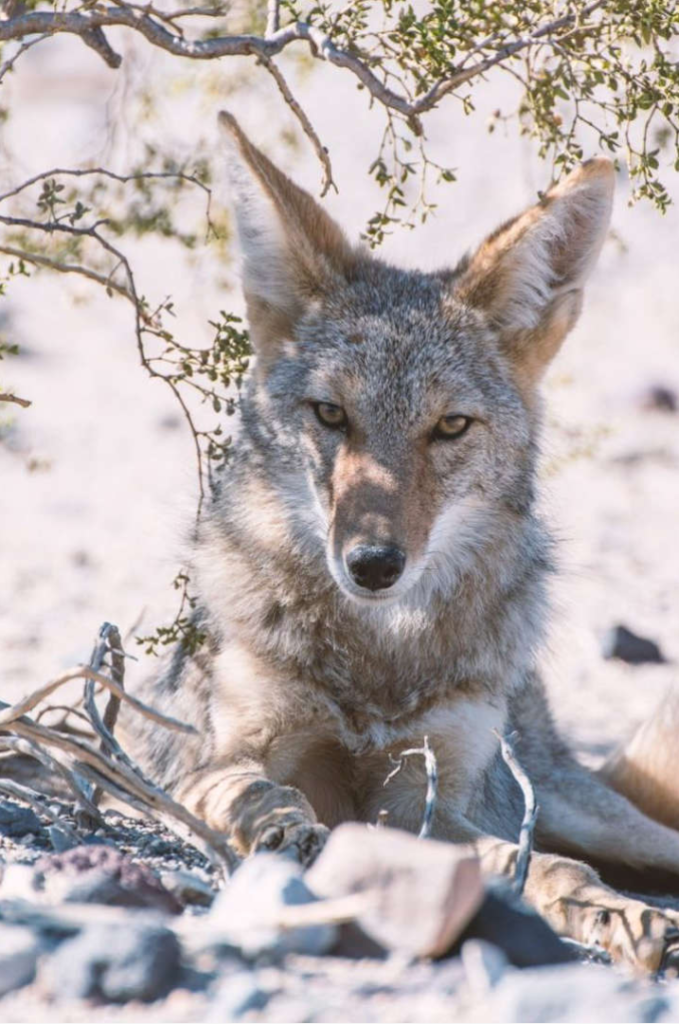
When coyotes become more confident, they may start marking territory closer to homes. This can include scratching the ground, urinating near fence lines, or leaving scent marks in visible areas. These actions help them communicate with other coyotes and define their space.
In some cases, you may even notice coyotes staying longer in one area instead of quickly moving away. While they usually avoid humans, repeated sightings or lingering behavior can mean they are getting used to the neighborhood. This is an important sign that they are not just passing by but actively using the area.
Leave a Reply