
Bird collisions with wind turbines painted like venomous snakes is an idea that is gaining attention in wildlife and energy research. As wind farms expand across the world, scientists are looking for simple ways to reduce bird deaths without slowing down clean energy growth. One new approach suggests that painting turbine blades with bold warning colors and patterns inspired by dangerous animals may help birds notice and avoid them.
This article explains how this idea works, what researchers have discovered so far, and why snake inspired patterns might change the way wind turbines are designed in the future. You will learn how birds react to colors, why motion matters, and whether this method could become a real solution in the field.
How wind turbines affect birds in the wild
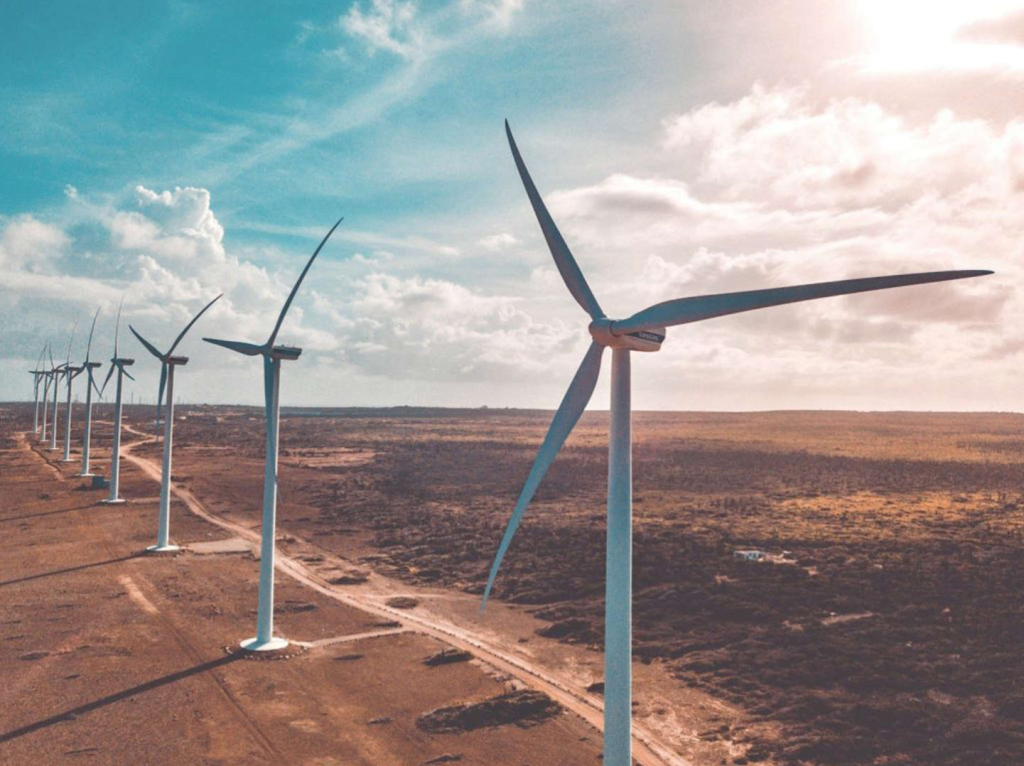
Wind turbines are important for clean energy, but their large spinning blades can be hard for birds to see. When birds fly through areas with wind farms, they may not always detect moving blades in time. This can lead to accidental collisions, especially during migration when birds travel long distances.
Scientists estimate that bird deaths from turbines happen at a relatively low rate compared to other human structures like buildings or power lines. However, even small losses matter for rare or endangered species. Because of this, researchers continue to look for ways to make turbines safer without reducing energy production.
Why color and patterns matter for bird safety
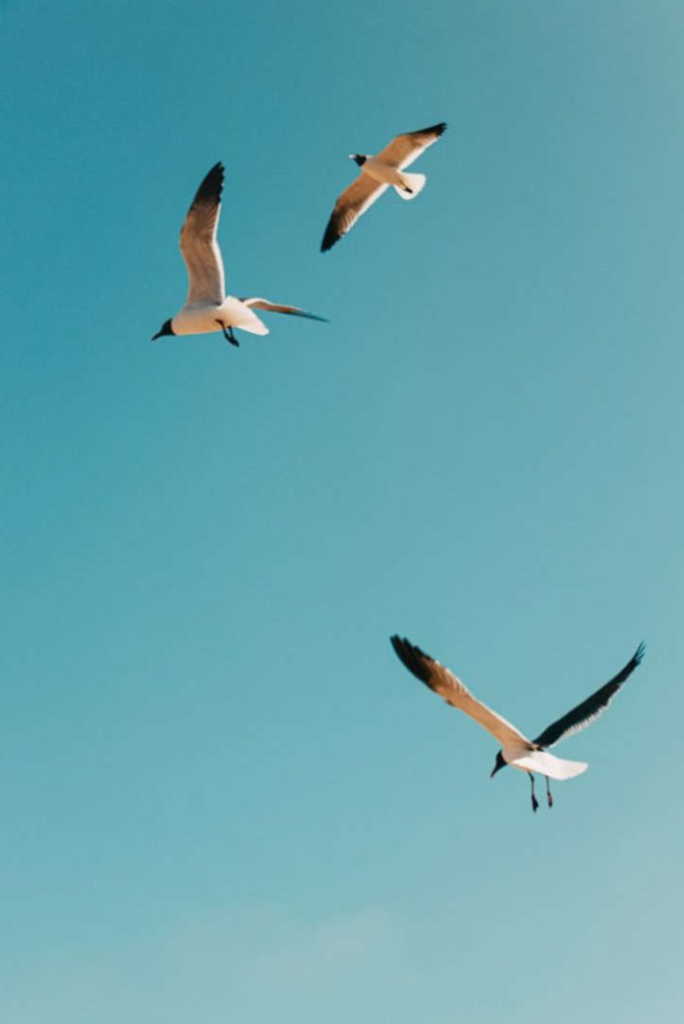
Birds do not see the world exactly like humans do. They are very sensitive to contrast, movement, and patterns in nature. In the wild, many dangerous animals use bright warning colors to signal toxicity or danger. Birds have evolved to recognize and avoid these signals.
Researchers believe this natural instinct can be used in wind turbine design. When turbines are painted with high contrast patterns such as red, yellow, and black, they may stand out more clearly in the sky. This helps birds recognize the blades as obstacles instead of open air, reducing the chance of collisions.
Snake-inspired designs and how they work
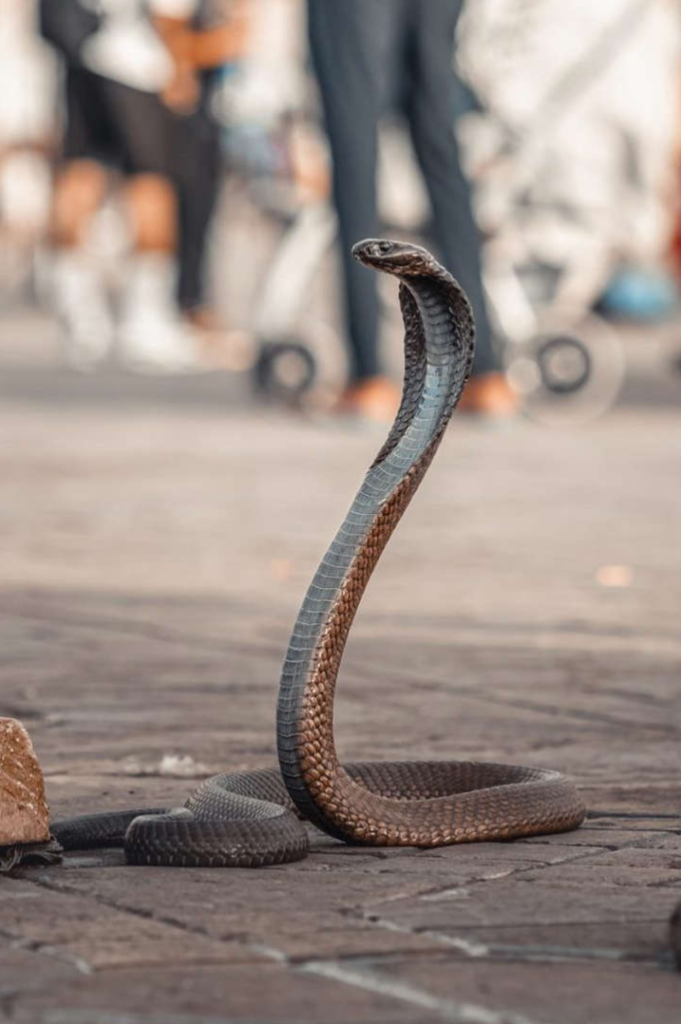
Some of the most interesting research focuses on patterns inspired by venomous snakes and other poisonous animals. These designs use bold combinations of black, red, and yellow that mimic warning signals found in nature. The idea is to trigger a natural avoidance response in birds.
Recent studies show that birds are less likely to approach turbines with these warning style patterns compared to plain white blades. White blades, which are commonly used, can blend into the sky and create motion blur. In contrast, snake-inspired designs create stronger visual contrast, making the blades easier for birds to detect while flying.
What scientific studies have found so far

Controlled experiments have tested how birds respond to different turbine blade designs. In some studies, birds were shown simulated turbines with different colors and patterns. The results showed that birds avoided blades with high contrast warning colors more often than standard designs.
Field research has also supported these findings. In one well-known study, turbines painted with a single black blade showed a noticeable drop in bird collisions compared to unpainted turbines. Researchers observed reductions in bird fatalities in some locations, though results varied depending on species and environmental conditions.
Benefits and limits of using warning colors
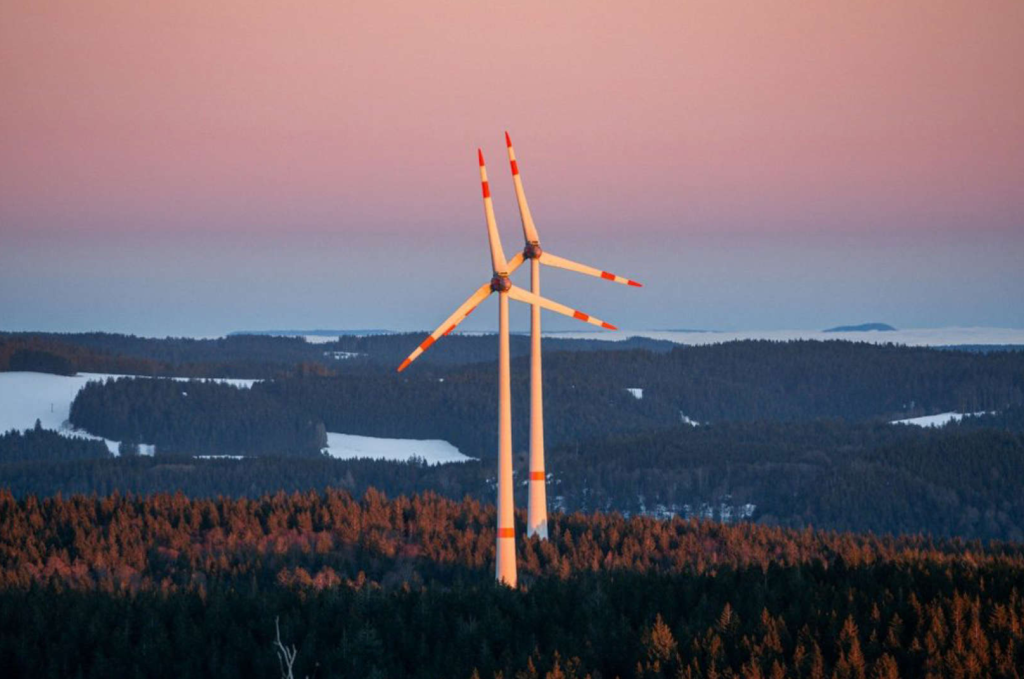
The biggest advantage of snake-inspired turbine designs is that they are simple and low-cost. Painting blades is much cheaper than building new technology or redesigning entire wind farms. It can also be applied to existing turbines without major changes.
However, there are limits. Weather, sunlight, and distance can affect how well birds see the patterns. Some species may respond differently from others, and not all collisions can be prevented. Scientists also note that long-term studies are needed to confirm how effective these designs are across different landscapes.
What this could mean for future wind farms

If further research supports current findings, wind farms may begin using more natural warning-style designs. This could include striped patterns, high contrast colors, or snake-inspired visual cues. The goal would be to make turbines more visible without harming their efficiency.
This approach fits into a broader effort to balance clean energy with wildlife protection. As wind power continues to grow worldwide, small design changes like these could play a big role in reducing environmental impact while still supporting renewable energy goals.
Leave a Reply