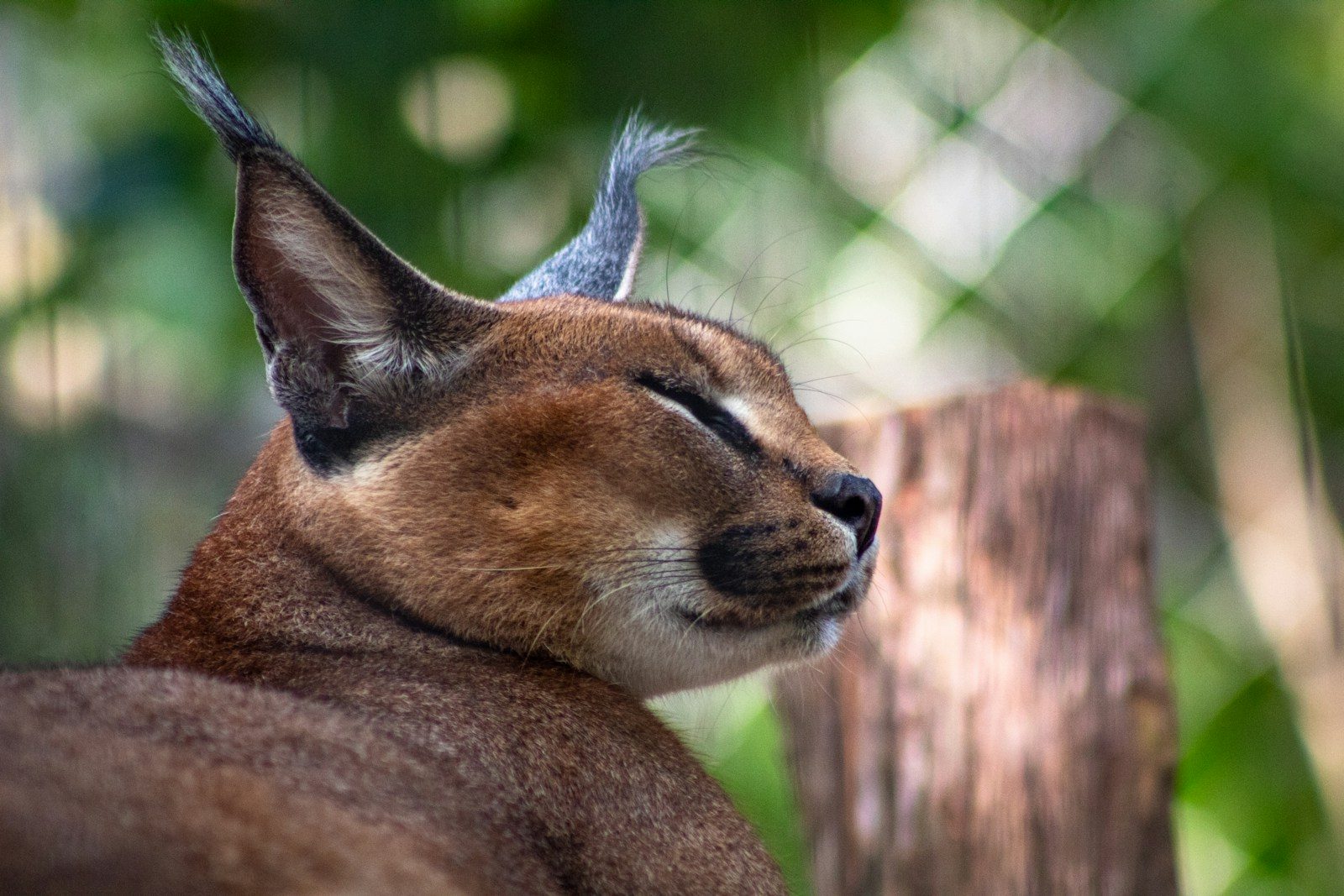
A rare wildcat has made an exciting return to Kuno National Park in India after not being seen there for decades. The animal, known as the caracal, was recently captured on a hidden camera inside the park, giving conservationists a reason to celebrate. As one of India’s rarest and most elusive wild cats, the caracal is rarely seen in the wild.
Its appearance is being viewed as a positive sign for wildlife conservation and habitat restoration efforts in the region. This article explores why the sighting matters, what makes the caracal unique, and what it reveals about the health of Kuno National Park’s ecosystem.
A rare wildlife sighting sparks excitement
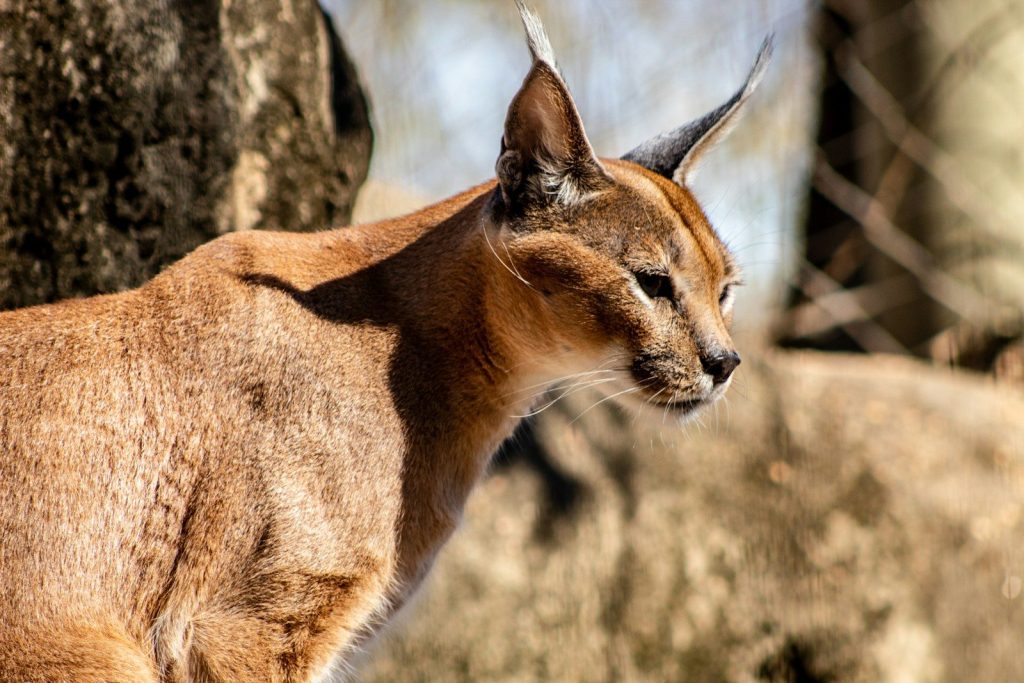
The caracal was recorded on a camera trap in Kuno National Park in Madhya Pradesh. The sighting was announced around World Environment Day and quickly drew attention from conservationists and wildlife officials.
Because the species had not been recorded in the park for decades, the discovery was considered an important moment. Experts believe the sighting reflects positive changes in the park’s habitat and wildlife management programs.
The caracal is one of India’s rarest cats
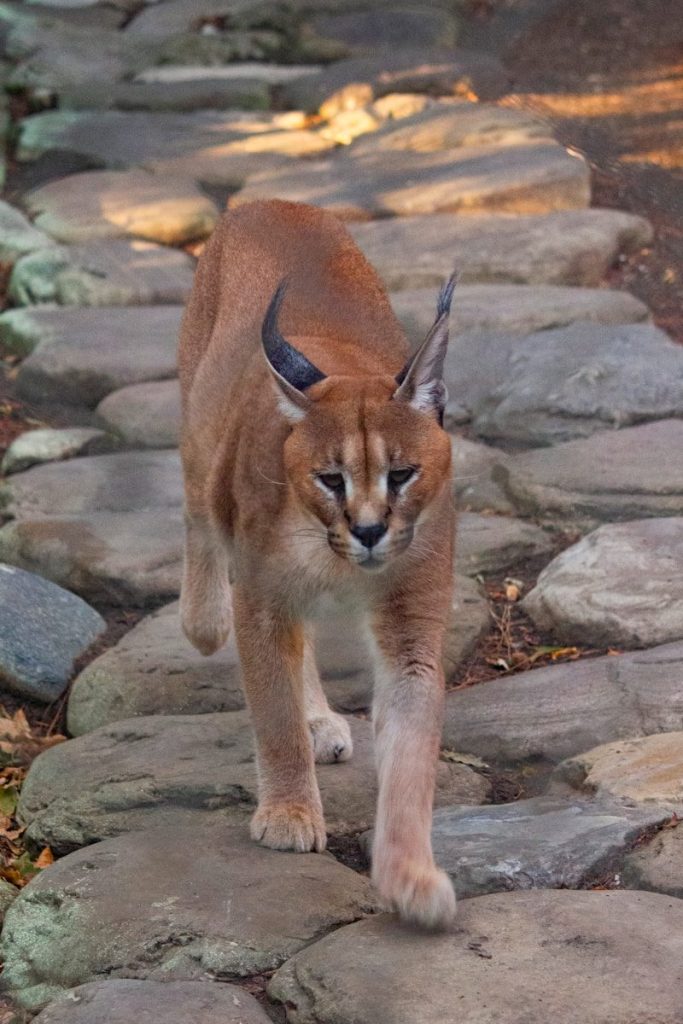
The caracal is a medium-sized wild cat known for its long legs, slender body, and distinctive black ear tufts. Its name comes from a Turkish word meaning “black ear,” which refers to its striking appearance.
The species is found across parts of Africa, the Middle East, Central Asia, and western India. However, its population and range in India have declined significantly, making sightings extremely uncommon and valuable for researchers.
Why is the caracal so difficult to find
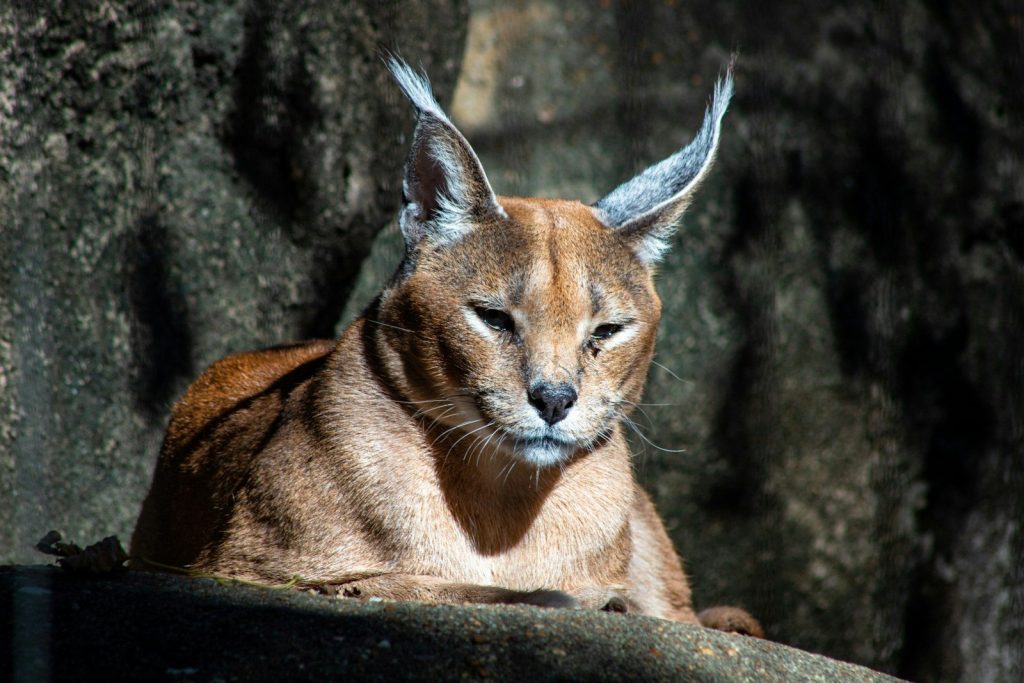
Caracals are highly elusive animals that prefer to stay hidden from people. Their natural camouflage and quiet movements allow them to move through dry forests, grasslands, and scrub habitats without being noticed.
Because of their secretive behavior, camera traps play a major role in monitoring the species. These motion-activated cameras help researchers confirm the presence of rare animals without disturbing them or changing their natural behavior.
Conservation efforts may be helping more species
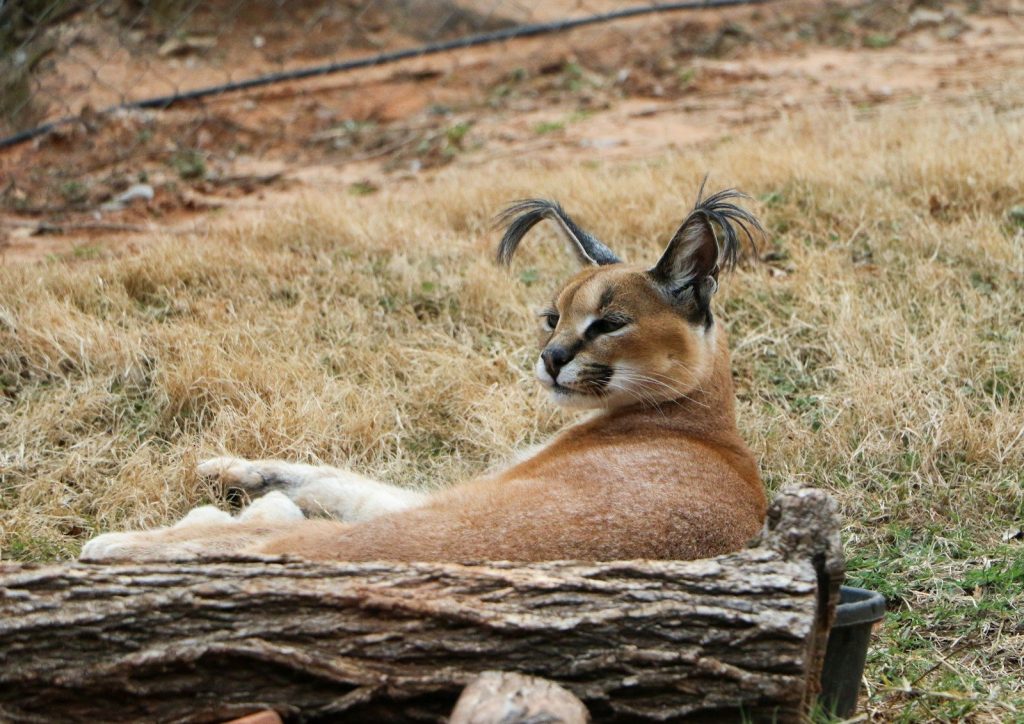
Kuno National Park is best known for India’s African cheetah reintroduction project. Over the years, the park has undergone habitat restoration, prey development, monitoring, and wildlife management activities connected to that effort.
Officials believe the return of the caracal shows that conservation projects can benefit entire ecosystems. Improvements made for one species may also create better conditions for many other animals living in the same habitat.
Unique facts about the caracal
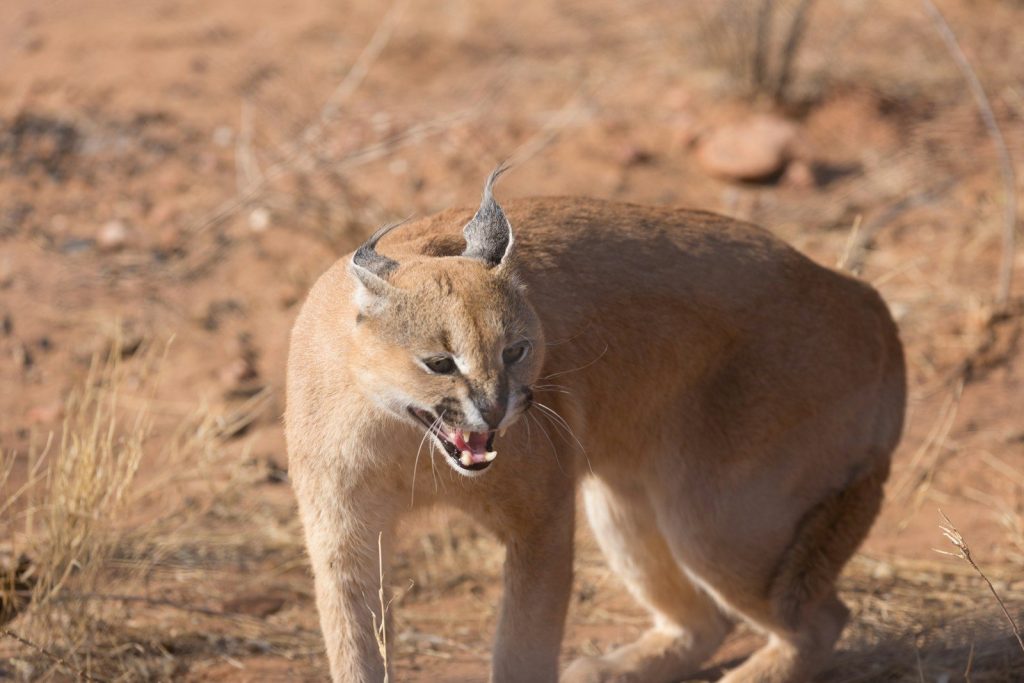
The caracal is sometimes called a desert lynx, although it is not a true lynx. Its athletic body allows it to leap high into the air, helping it catch birds and other prey.
The species has earned several nicknames, including the flying cat, African lynx, Persian cat, gazelle cat, and Rooikat. In western India, caracals help maintain ecological balance by feeding on rodents and other small animals.
What the sighting means for Kuno National Park
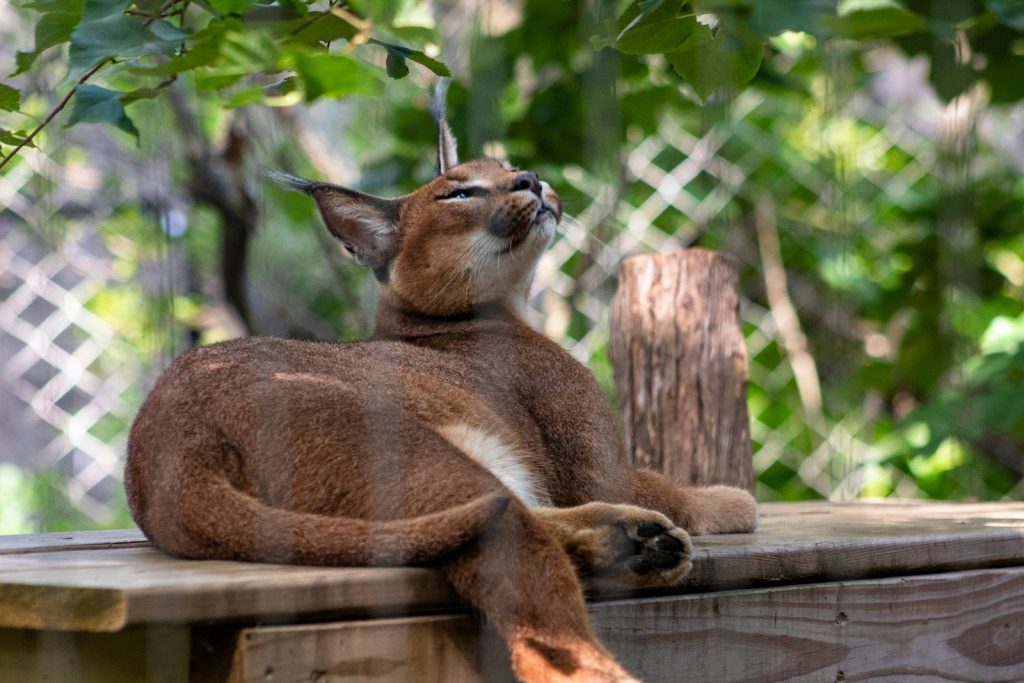
Conservationists see the caracal’s return as a sign that Kuno National Park is supporting a wider range of wildlife. The presence of a rare predator suggests that habitat conditions may be improving for multiple species.
While Kuno remains closely associated with cheetah conservation, the sighting highlights the importance of protecting entire ecosystems. Healthy habitats support not only famous animals but also lesser-known species that play important roles in nature.
Leave a Reply