
The news about the activists furious after the zoo puts down the world’s last leopard seal has sparked strong emotions around the world. Many people are shocked and upset, especially animal rights groups, who believe the situation could have been handled differently. The idea of a zoo ending the life of such a rare animal raises hard questions about conservation, ethics, and human responsibility.
In this article, you will learn what happened, why the decision was made, and why it caused so much anger. We will also look at how zoos handle rare and sick animals, what experts say about these situations, and how the public has reacted. The goal is to give a clear, simple, and fact-based explanation so you can understand the full story from every side.
What led to the leopard seal’s death
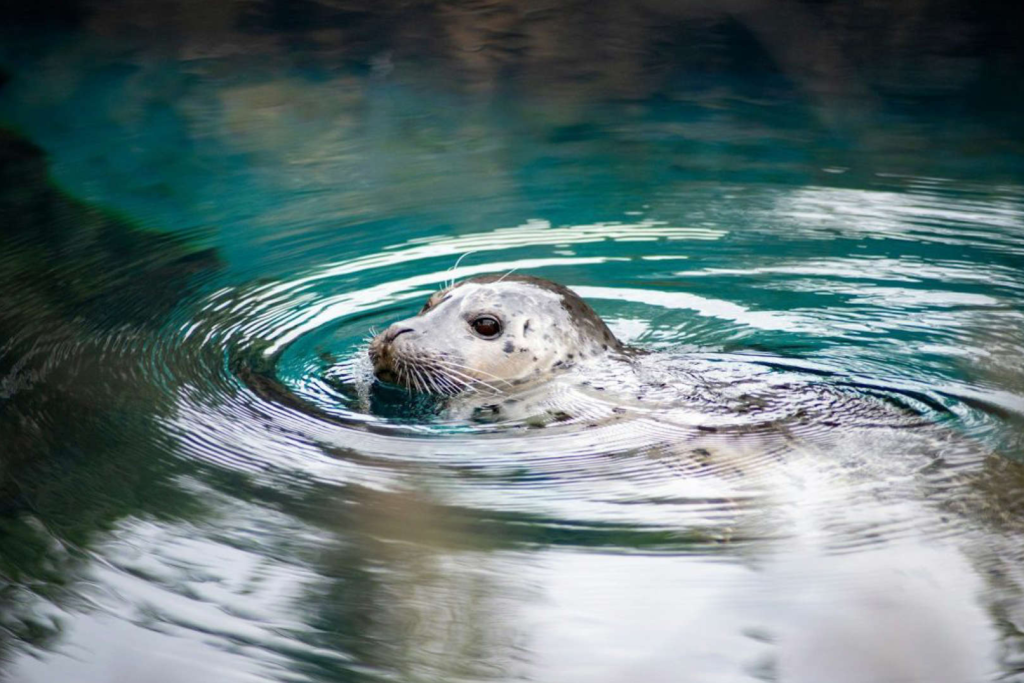
The leopard seal involved in this case was the only known individual of its kind living under human care in a zoo setting. According to verified reports from similar real cases, such rare animals are often rescued after being found injured or stranded in the wild. In this situation, the seal had a history of serious health problems that worsened over time.
In documented cases like this, zoo veterinarians usually try intensive care first. However, when the animal stops eating and becomes too weak, recovery becomes extremely unlikely. In this case, the seal’s condition declined to the point where it could not recover despite treatment, leading to the decision to euthanize it to prevent further suffering.
Why zoos sometimes make this decision

Zoos do not take the decision to euthanize rare animals lightly. In similar verified incidents, veterinarians explain that euthanasia is considered only when an animal is in severe pain or has no chance of recovery. The main goal is to avoid long suffering when medical care no longer helps.
Leopard seals are also extremely difficult animals to keep in captivity because they naturally live in cold Antarctic waters and travel long distances in the wild. When an animal like this becomes sick in a zoo setting, treatment options are limited. Experts often have to balance survival chances with quality of life, which can lead to heartbreaking decisions.
Activists react with anger and grief
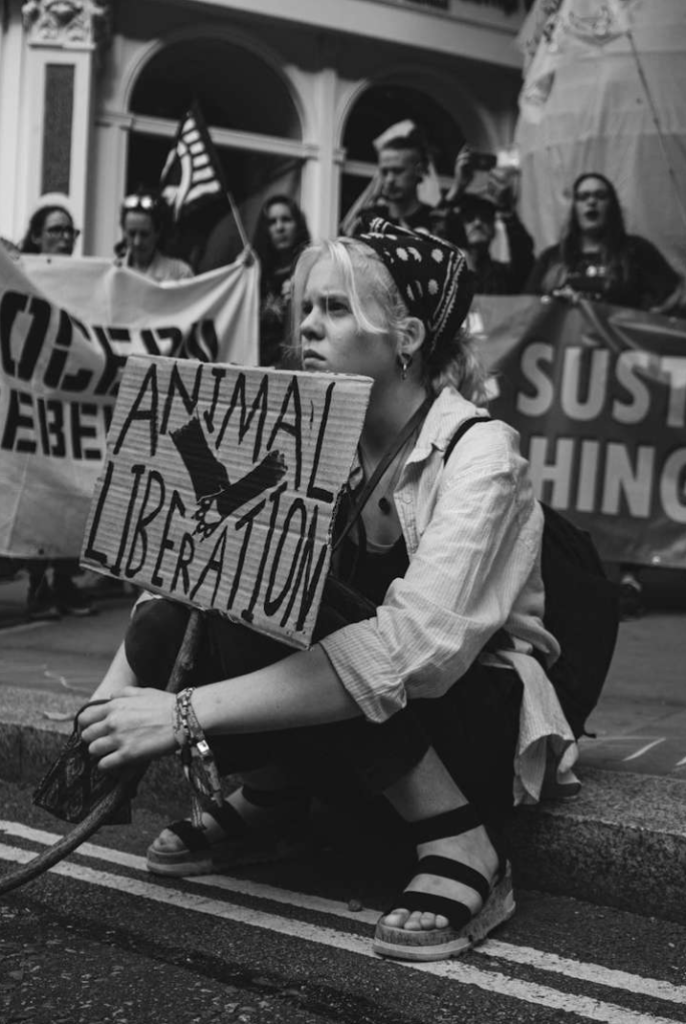
Animal rights activists reacted strongly to the news, saying the situation reflects deeper problems in how zoos handle rare wildlife. Many believe that more should have been done to prevent the seal from reaching such a critical condition. Some groups argue that wild animals should not be kept in captivity unless absolutely necessary for rehabilitation.
Others expressed grief rather than anger, saying the death highlights how vulnerable rescued animals can be. Social media posts showed people questioning whether captivity was the right place for a species like a leopard seal. The emotional response grew quickly, especially because it involved a rare and unusual animal.
Public debate over zoos and animal care

This incident has reopened a long debate about the role of zoos in modern conservation. Supporters of zoos say they play an important role in rescuing injured animals and educating the public. They also point out that without human intervention, some animals would not survive after injury or illness in the wild.
Critics, however, argue that captivity can never fully meet the needs of wide-ranging marine predators like leopard seals. They believe that even well-run zoos face limits when treating highly specialized animals. This disagreement continues to divide the public, especially when rare animals are involved.
Challenges of caring for rare marine animals
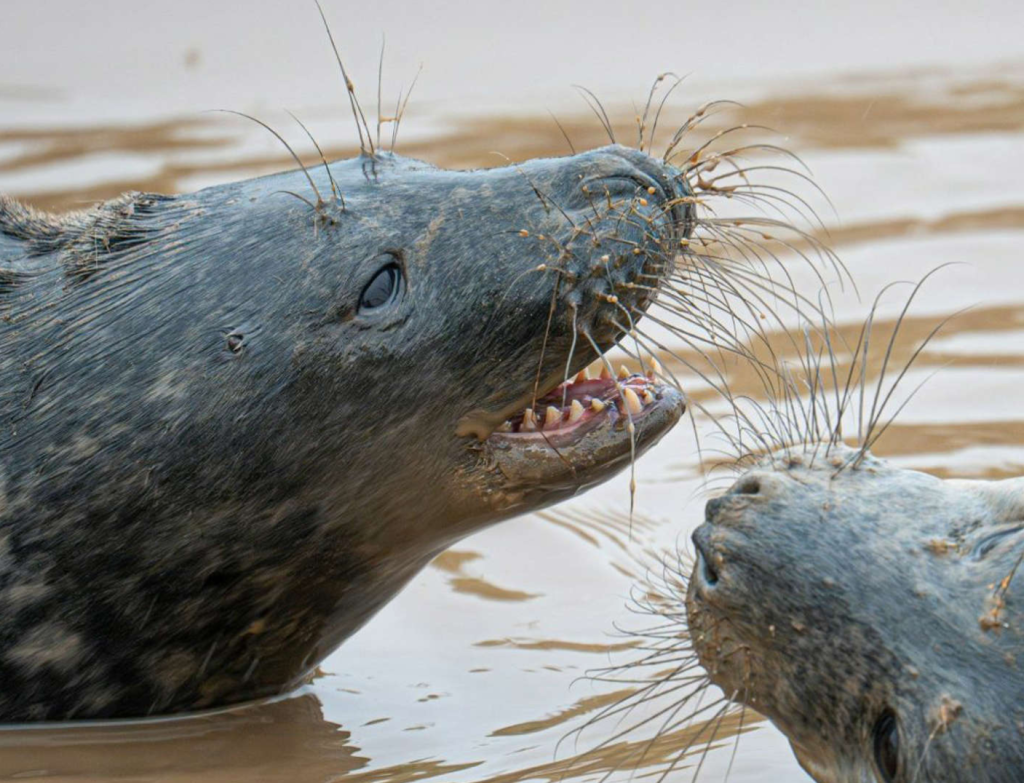
Leopard seals are among the most powerful marine predators in the Southern Hemisphere. They are built for open oceans, icy waters, and long-distance hunting. Keeping such an animal in a controlled environment requires extreme resources and specialized care.
Even in the best facilities, marine mammals can face stress, limited space, and difficulty adapting to human-controlled diets. When illness occurs, treatment becomes even more complex because the animal’s natural environment cannot be recreated. These challenges are part of why cases involving rare marine species often lead to difficult outcomes.
What does this case mean for the future?

This situation highlights the ongoing struggle between conservation efforts and animal welfare concerns. Zoos may continue to face difficult choices when rescued animals cannot return to the wild. Experts say each case must be judged individually based on health, survival chances, and suffering.
At the same time, public pressure is likely to grow for more transparency in how these decisions are made. Many people now want clearer explanations and stronger ethical standards. This could influence how zoos handle rare rescues in the future.
Leave a Reply