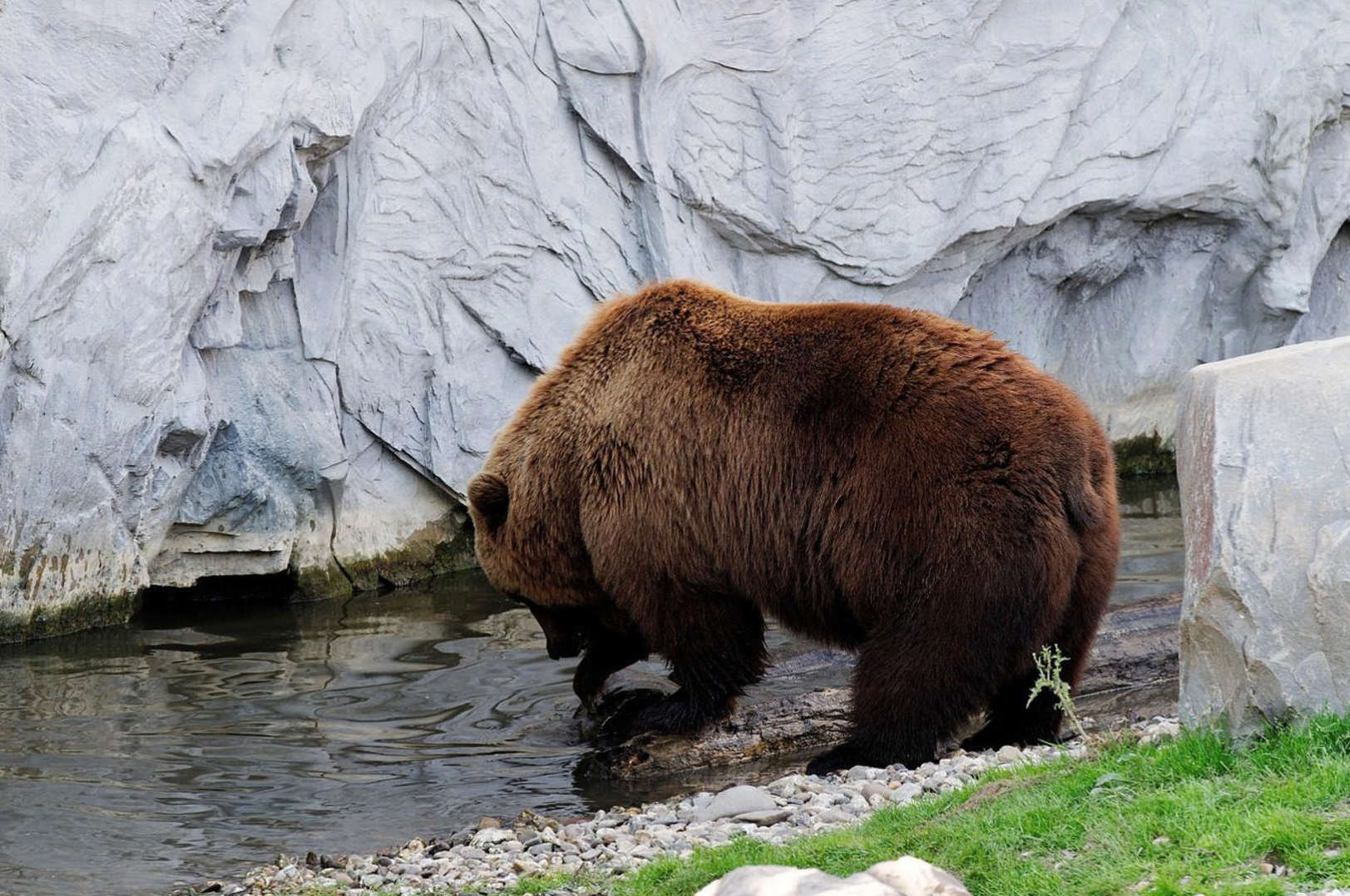
A bear attack in Russia shocked many people after reports said two workers were killed while others nearby watched in fear. The incident happened in a remote part of Russia, where workers were living and working close to a wild bear habitat. Events like this remind people that large predators can become dangerous when food is scarce, and human activity moves deeper into wilderness areas.
This article explains what happened, why the attack took place, and what experts say caused the deadly encounter. It also looks at why bear attacks in Russia’s eastern regions happen from time to time and what workers in remote camps are told to do for safety. Understanding the facts can help explain how a normal workday became a deadly tragedy.
What happened during the attack

The deadly attack happened in Russia’s far eastern region, an area known for thick forests and a large brown bear population. Reports said workers were near an isolated work site when the bear came into the area and attacked. The scene unfolded quickly, leaving little time for the men to escape.
Witnesses reportedly saw the attack but were unable to safely help because the animal remained nearby. In many bear attacks, a large brown bear can charge in seconds, making it nearly impossible for unarmed people to intervene. Emergency crews later confirmed two deaths.
Why do bears enter the work area
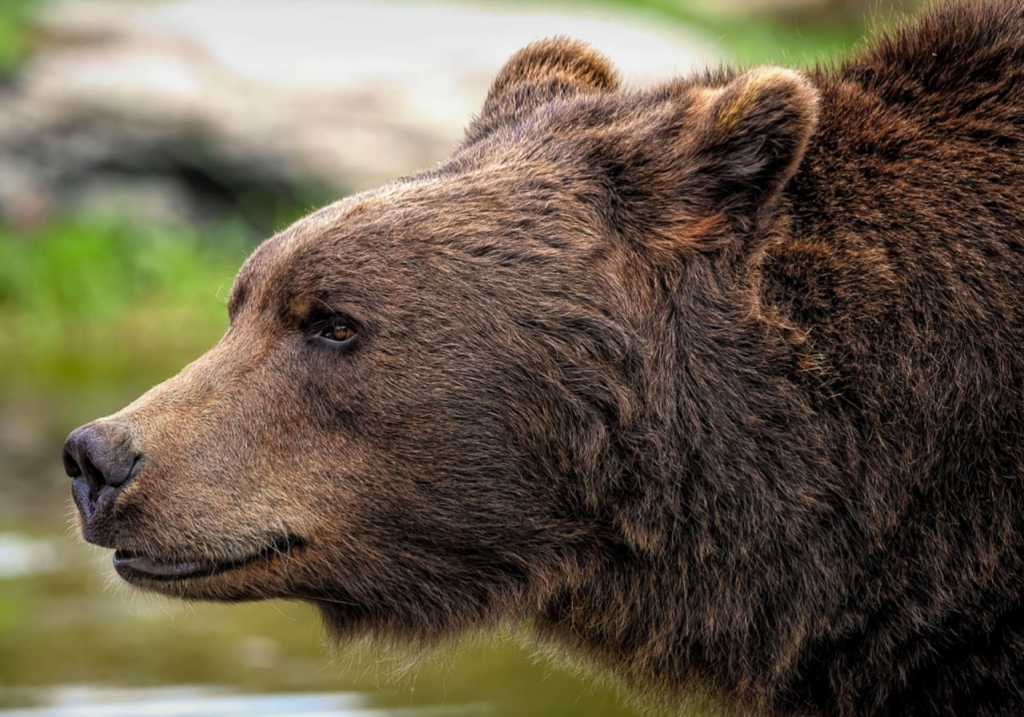
Experts have often linked bear attacks in eastern Russia to food shortages in the wild. In several past cases, salmon numbers dropped in rivers, which removed one of the bears’ most important food sources. Hungry animals then moved closer to human camps, towns, and industrial sites.
Poaching and environmental changes have also made this problem worse in some regions. When bears cannot find fish, berries, or nuts, they may search for garbage or livestock and sometimes approach people. That increases the chance of sudden attacks.
Why could the workers not escape
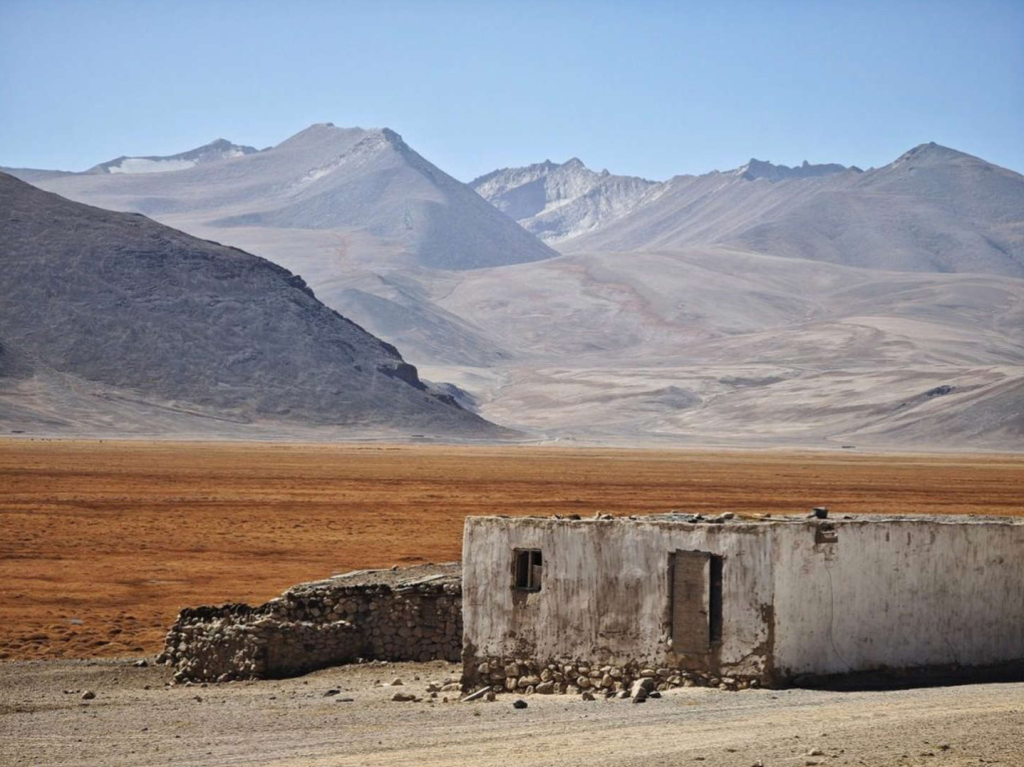
Remote work camps in Russia often sit far from cities, surrounded by forest and mountains. If a wild bear enters the area, workers may have no quick shelter nearby unless they are already inside buildings or vehicles. A charging brown bear can move much faster than a person can run.
In this case, reports suggested the workers were caught in an exposed area. Others nearby watched but stayed back because getting close would likely have caused more deaths. Wildlife experts say even trained responders usually need firearms or vehicles to stop an active bear attack.
Russia’s far east has seen similar attacks
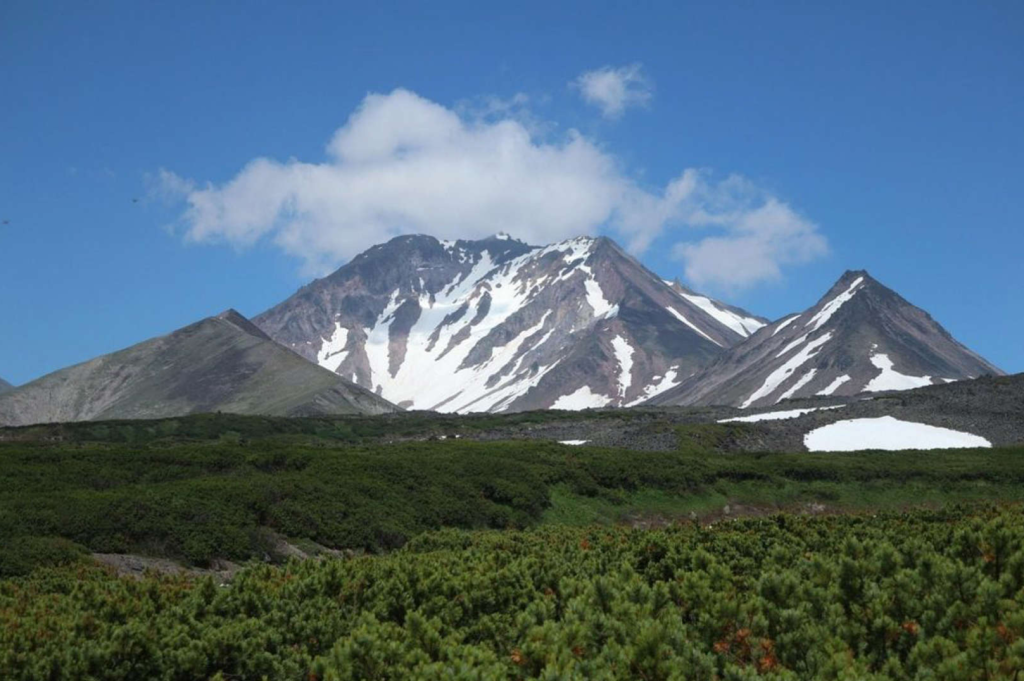
Russia’s eastern wilderness has recorded several serious bear attacks over the years. One well-known case happened in Kamchatka, where a group of bears killed two security guards at a remote mining site and frightened hundreds of workers who then refused to return outside.
Sakhalin and nearby islands have also reported attacks in villages, on roads, and in work camps. Officials there have sometimes ordered hunters to remove aggressive bears when repeated encounters put people at risk.
Why brown bears can become deadly
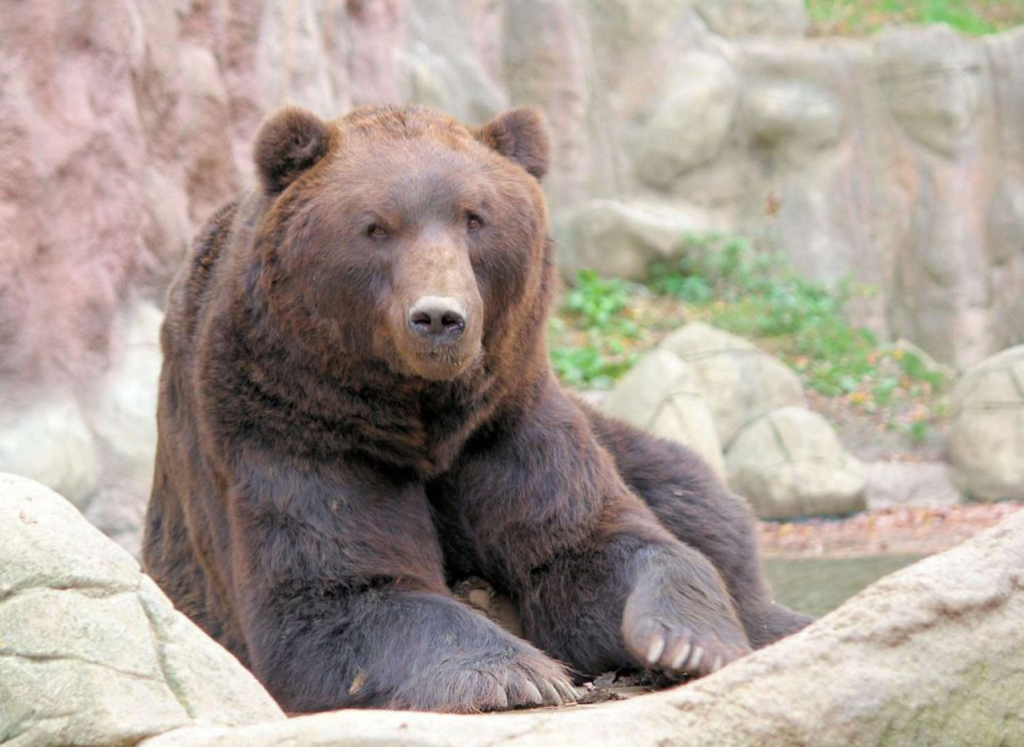
Kamchatka brown bears are among the largest bears in Eurasia. Adult males can stand very tall and weigh hundreds of pounds, giving them immense strength during an attack. A single strike can seriously injure a person.
Most brown bears avoid people, but attacks happen when they are surprised, protecting cubs, or searching for food. Hungry bears may lose their natural fear of humans and begin entering camps, roads, and settlements. That change often leads to the most dangerous encounters.
What officials do after such attacks
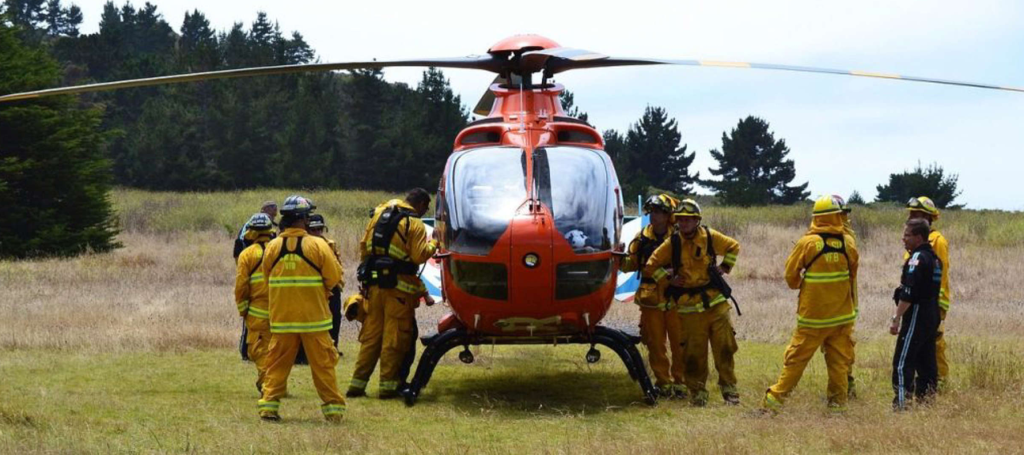
After fatal attacks, local authorities usually send hunters or emergency teams to find the animal. In remote regions, helicopters may also be used, though weather can delay response for many hours. That can leave workers trapped until the area is secured.
Officials also review whether food waste, fishing problems, or camp placement may have drawn the bear. In some cases, experts say preventing future attacks means protecting natural food sources rather than only removing individual animals.
Leave a Reply