
Animals known for unprovoked attacks on humans are often misunderstood because most wild animals do not actually want contact with people. When attacks happen, they can feel sudden and confusing, especially when there is no clear reason, like feeding or defense. However, in many real cases, these incidents are linked to territory protection, surprise encounters, or simple mistakes in identifying humans as threats or prey.
This article explains some of the most well-known animals linked to these rare but serious situations. It also breaks down why these animals behave the way they do and what makes certain environments more risky for people. By the end, you will understand how these attacks happen and which animals are most often involved.
Nile crocodile attacks and natural hunting behavior

The Nile crocodile is one of the most feared animals in Africa because it is strongly linked with sudden attacks on humans near rivers and lakes. These reptiles spend most of their time in water and often stay completely still, waiting for prey to come close. Many attacks happen when people are fishing, washing clothes, or collecting water without noticing the crocodile nearby. The animal then strikes quickly from the water with very little warning, which makes escape extremely difficult.
In many cases, Nile crocodiles do not attack out of defense but instead behave like active hunters when humans enter their territory. They are strong enough to pull large animals into the water and can hold their breath for long periods while waiting underwater. In rural areas where people depend on natural water sources, encounters are more common and more dangerous. Their ability to blend into the environment and strike suddenly is what makes them one of the most dangerous reptiles for humans.
Saltwater crocodile encounters in coastal waters

Saltwater crocodiles are even larger than Nile crocodiles and are known for living in both freshwater and saltwater areas, including coastal regions. This wide range means humans can encounter them in rivers, mangroves, and even on beaches in some regions. Attacks often occur when people swim, boat, or walk near the water without realizing a crocodile is close by. The animal can move silently and attack with extreme speed, giving little time for reaction.
These crocodiles are powerful predators that do not rely on a single type of prey and will take advantage of whatever is available. In some cases, humans become targets simply because they enter the crocodile’s hunting zone. Their size allows them to overpower almost any animal in the water, and their bite force is among the strongest in the animal kingdom. Because of this, saltwater crocodiles are considered one of the most dangerous animals in coastal environments where people and wildlife overlap.
Hippos and aggressive territorial defense

The hippopotamus may appear slow and calm, but it is one of the most aggressive large animals in Africa. Many attacks on humans happen in or near rivers where hippos live in groups and protect their space strongly. People may accidentally come between a hippo and the water, which can trigger a sudden and powerful charge. Even though hippos are herbivores, they are extremely territorial and do not tolerate intrusions.
When a hippo charges, it can move faster than most humans expect, both on land and in water. Their large jaws can cause severe injuries with a single bite, and boats or small objects can be easily destroyed. Many incidents happen at night or in low visibility conditions when people do not see the animal in time. Because hippos often stay underwater with only their eyes visible, they can be difficult to detect, making river travel in some regions very risky.
Sharks and underwater surprise encounters

Sharks are often associated with ocean attacks, although such events are relatively rare compared to other animal incidents. When they do occur, they usually happen in areas where humans are swimming, surfing, or diving in open water. In many cases, sharks may mistake a person for a natural prey animal like a seal due to movement patterns in the water. This confusion can lead to a sudden bite before the shark realizes the mistake.
Certain species, including great white sharks, tiger sharks, and bull sharks, are more commonly linked to these encounters. Sharks rely heavily on sensing movement and vibrations, which makes them highly effective hunters but also increases the chance of accidental interactions with humans. While most shark bites are not repeated attacks, the initial strike can still be serious or life-threatening. Because of this unpredictability, shark encounters are often considered unprovoked even when the animal is not intentionally targeting humans.
Tigers and rare human hunting behavior
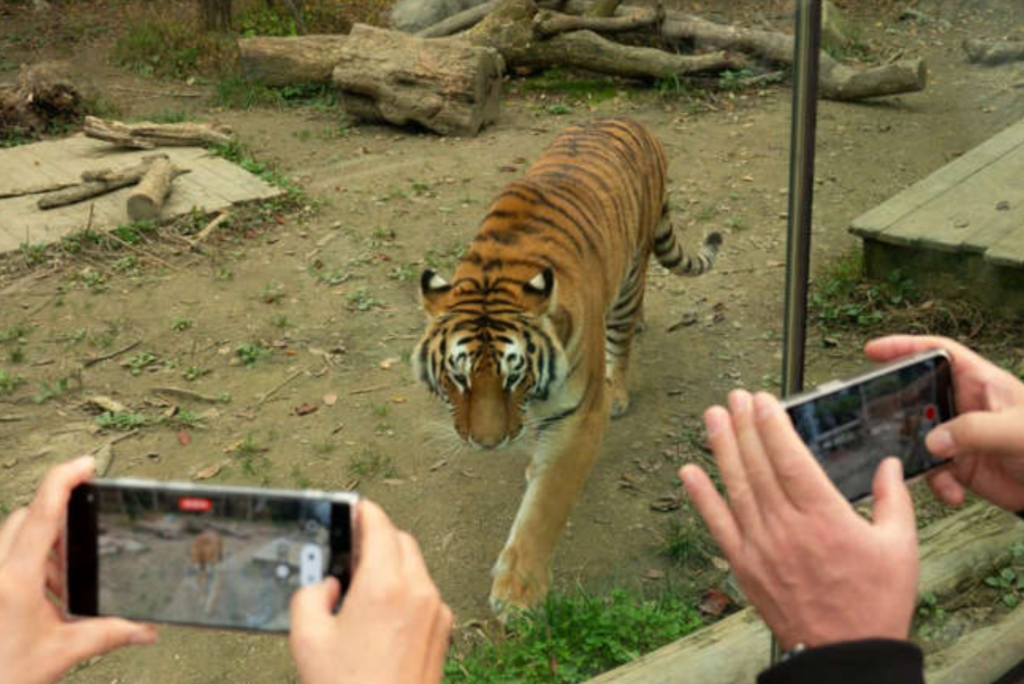
Tigers are powerful big cats that usually avoid humans, but in rare situations, they have been known to attack people without clear provocation. These incidents often happen in areas where forests are close to human settlements, especially in parts of Asia. When natural prey is scarce or when a tiger is injured or old, it may take more risky opportunities to find food. In these cases, humans can become targets simply because they are easier to catch than wild animals.
Tigers are stealth hunters that rely on surprise, strength, and speed to capture prey. They move quietly through dense vegetation and can strike from very close range without warning. Human encounters are rare but often serious because of the tiger’s size and power. As people continue to expand into forest areas, the chances of rare interactions between humans and tigers increase in some regions.
Leopards and stealth attacks near villages

Leopards are highly adaptable predators that often live near human settlements, especially in rural parts of Africa and Asia. Unlike larger cats, they are skilled at hiding in trees, grass, and rocky areas, which allows them to move close to villages without being seen. In rare situations, they may enter human spaces while searching for food or livestock. When this happens, sudden attacks can occur without clear warning.
Leopards are strong climbers and extremely fast, which makes them difficult to detect or escape from in close encounters. They are also opportunistic hunters, meaning they take advantage of available food sources when natural prey is limited. Although most leopards avoid humans, conflicts increase when habitats shrink or overlap with villages. These conditions can lead to unpredictable encounters where attacks seem unprovoked from a human perspective.
Leave a Reply