
A copperhead snake is one of the most commonly encountered venomous snakes in the eastern United States, and many people never realize one is nearby until they are already too close. Knowing the warning signs that a copperhead may be closer than expected can help you avoid accidental encounters in your yard, garden, or while hiking. These snakes are masters of camouflage and often stay perfectly still, blending into leaves, dirt, and rocks.
In this article, you will learn how to recognize the key signs that a copperhead might be nearby, where they like to hide, and what behaviors give them away before you ever see them clearly. The goal is to help you stay aware, stay safe, and understand how to avoid dangerous close encounters in everyday outdoor spaces.
Their camouflage blends perfectly with fallen leaves
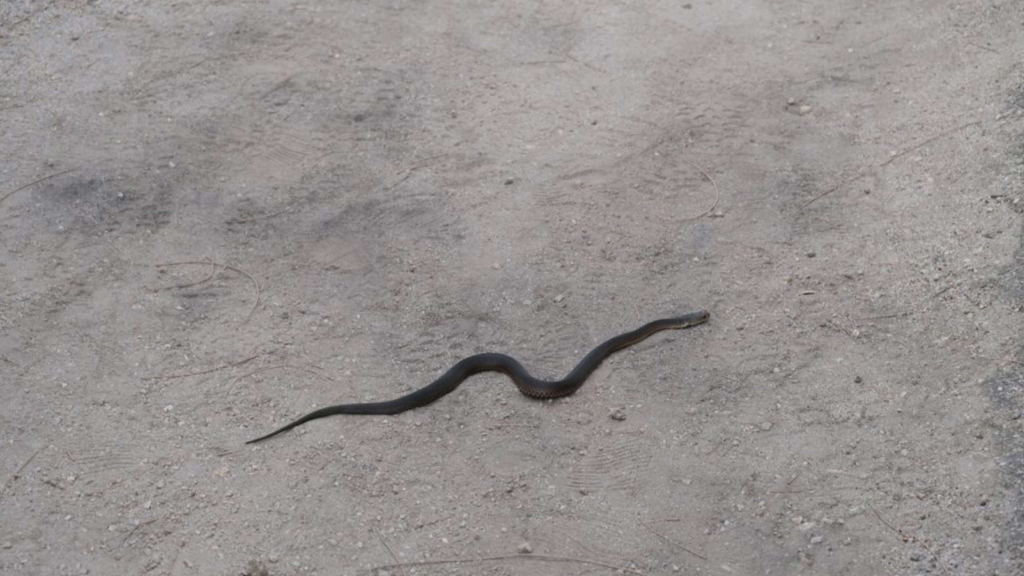
Copperheads are famous for their natural camouflage, which makes them extremely hard to see in normal outdoor conditions. Their bodies have a mix of light brown, tan, and darker hourglass-shaped patterns that look almost identical to dry leaves on the ground. This allows them to stay hidden in plain sight without moving at all.
One of the biggest warning signs is actually the lack of movement in an area where something feels “off.” If you are walking through leaf litter and notice an unusual shape that does not match sticks or shadows, that could be a copperhead staying perfectly still. They often rely on this freeze behavior to avoid detection, which means your eyes may pass over them without noticing anything at first.
Sudden silence in birds and small animals nearby
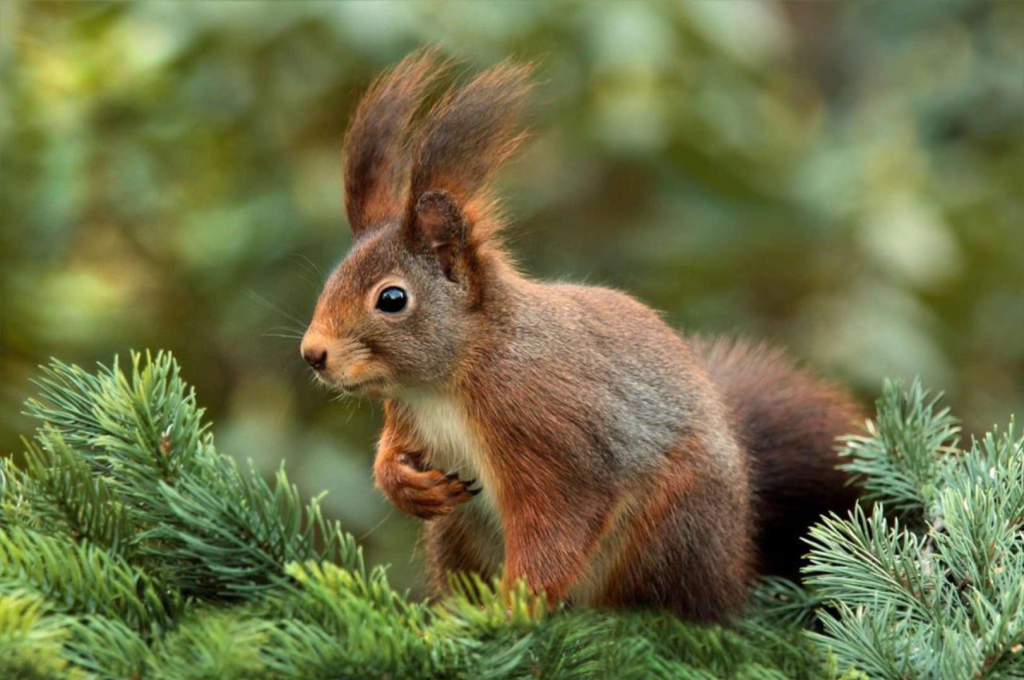
One of the most overlooked warning signs is a sudden change in animal behavior around you. Birds, squirrels, and small animals often react quickly when a predator like a copperhead is nearby. You may notice that birds suddenly stop chirping or small animals disappear from an area that was active just moments before.
This silence happens because copperheads are ambush predators that sit quietly and wait for prey like mice, frogs, or insects. Their presence can cause smaller animals to avoid the area completely. If you are in a normally active outdoor space and everything suddenly feels still, it is worth paying attention to your surroundings more carefully.
Rustling leaves or slow movement in leaf piles
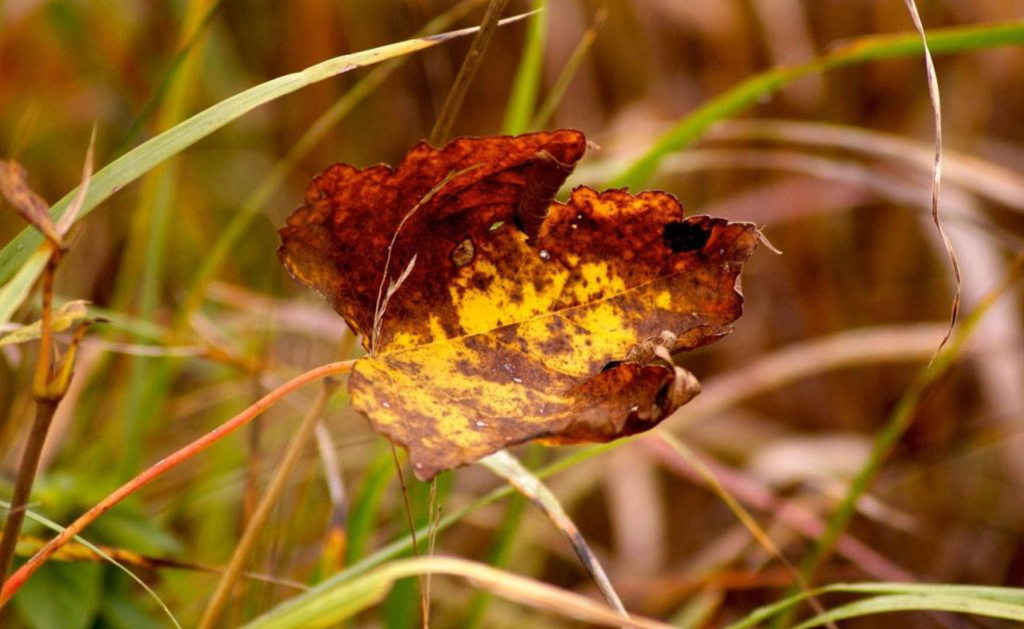
Copperheads often move very slowly and quietly through leaf piles, mulch, or thick ground cover. Because their bodies are heavy and muscular, their movement can cause a soft rustling sound that is easy to miss if you are not listening carefully. This is especially true in wooded areas or gardens with thick debris on the ground.
Another warning sign is a slight shifting of leaves that seems unnatural, almost like something is gently sliding underneath. Unlike fast animals that scatter debris loudly, copperheads move in a controlled and slow way. If you hear soft movement but cannot see the source, it is best to stop and carefully look before stepping closer.
Tail vibration that mimics a warning rattle
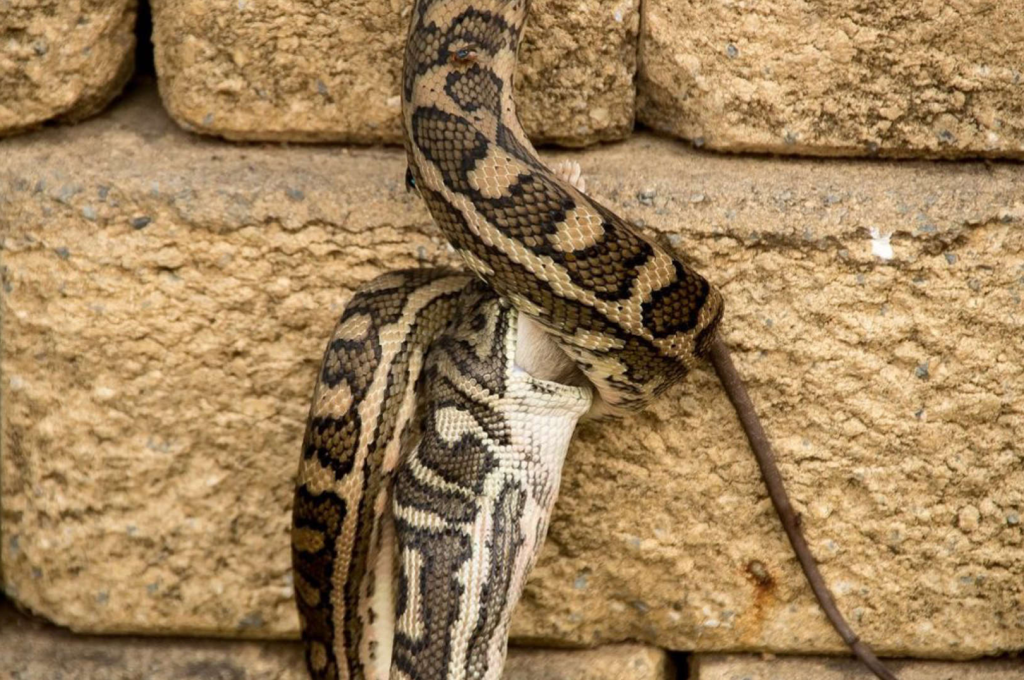
Copperheads do not have rattles like rattlesnakes, but they can still produce a similar warning behavior. When they feel threatened, they may rapidly vibrate their tail against dry leaves or ground cover. This creates a buzzing or rattling sound that can confuse people into thinking a different type of snake is present.
This behavior is a defensive warning, not an attack. It usually means the snake feels too close to a person or animal and is trying to avoid conflict. If you hear a strange buzzing sound coming from the ground while hiking or gardening, it is important to stop moving immediately and carefully check the area from a safe distance.
Presence of rodent activity or feeding zones

Copperheads are ambush predators that prefer areas with a steady food supply, especially rodents. If you notice signs like burrow holes, droppings, or frequent rodent movement in one area, that can be a strong indicator that a copperhead may also be nearby. They often stay close to places where food is easy to find.
These snakes are not random wanderers. They tend to stay in areas where hunting is successful, such as woodpiles, stone walls, and overgrown gardens. If your yard or hiking path shows strong signs of rodent activity, it increases the chance that a copperhead could be using the same space to hunt quietly.
Hiding in shaded, cool, and undisturbed areas
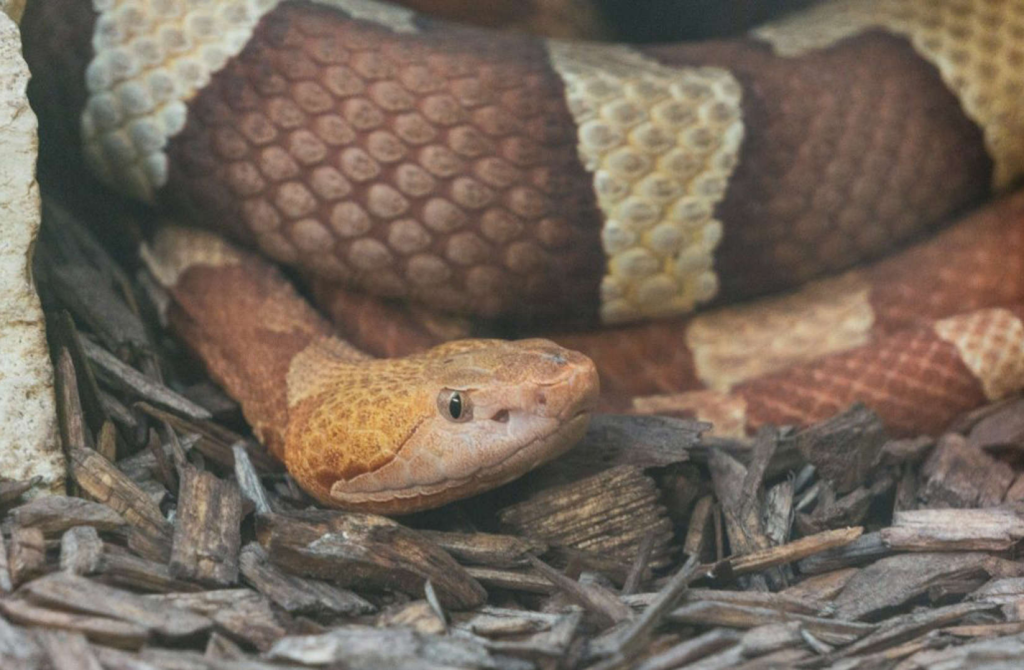
Copperheads prefer environments where they can stay hidden and regulate their body temperature. They are often found under logs, rocks, thick shrubs, or piles of debris where sunlight does not reach directly. These places give them protection and also make it easier for them to surprise prey.
Indoors, they may occasionally enter garages, storage rooms, or basements if those spaces are dark and undisturbed. Outdoors, they are especially common in areas with leaf litter or fallen branches. If you are approaching a shaded spot that has not been disturbed in a while, it is important to look carefully before placing your hands or feet anywhere.
Leave a Reply