
Plants that may attract snakes to your yard are a concern for many homeowners who want a safe, clean, and peaceful outdoor space. If you have noticed tall grass, thick bushes, or damp garden corners, you might wonder whether certain plants are bringing snakes closer to your home. The truth is, plants do not directly “call in” snakes, but some types of vegetation can create the perfect hiding spots and food sources that snakes look for.
In this article, you will learn which plants and garden setups can indirectly attract snakes, why this happens, and how to reduce the risk in simple ways. You will also understand how snakes behave in residential areas so you can make smarter gardening choices. By the end, you will have clear, practical knowledge to help you design a safer yard without giving up a healthy, green garden.
Dense ground cover plants and hidden shelter
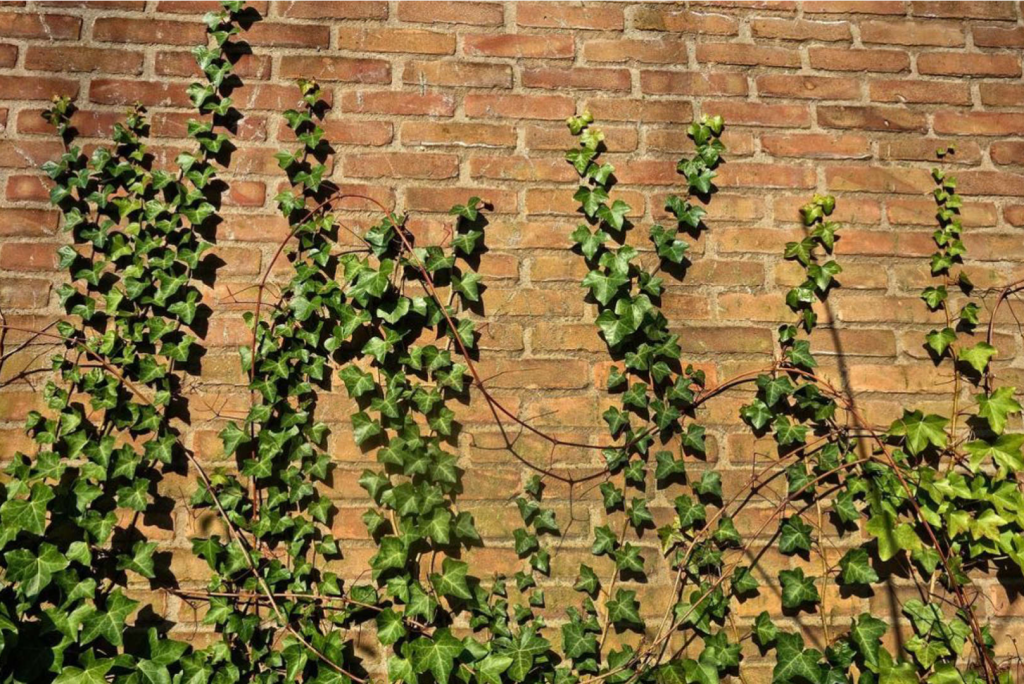
Dense ground cover plants are one of the biggest reasons snakes end up in residential yards. Plants like ivy, periwinkle, and thick spreading vines grow close to the ground and form tight mats. These mats create cool, shaded spaces that stay moist for long periods. Snakes prefer these areas because they help them hide from predators and avoid direct sunlight.
These plants also make it easier for snakes to move without being seen. The thick layers of leaves and stems act like a natural tunnel system on the ground. Small animals like insects, frogs, and rodents also live in these spaces. Since snakes follow food sources, these ground covers can indirectly increase snake activity in your yard.
Tall ornamental grasses and thick clumps
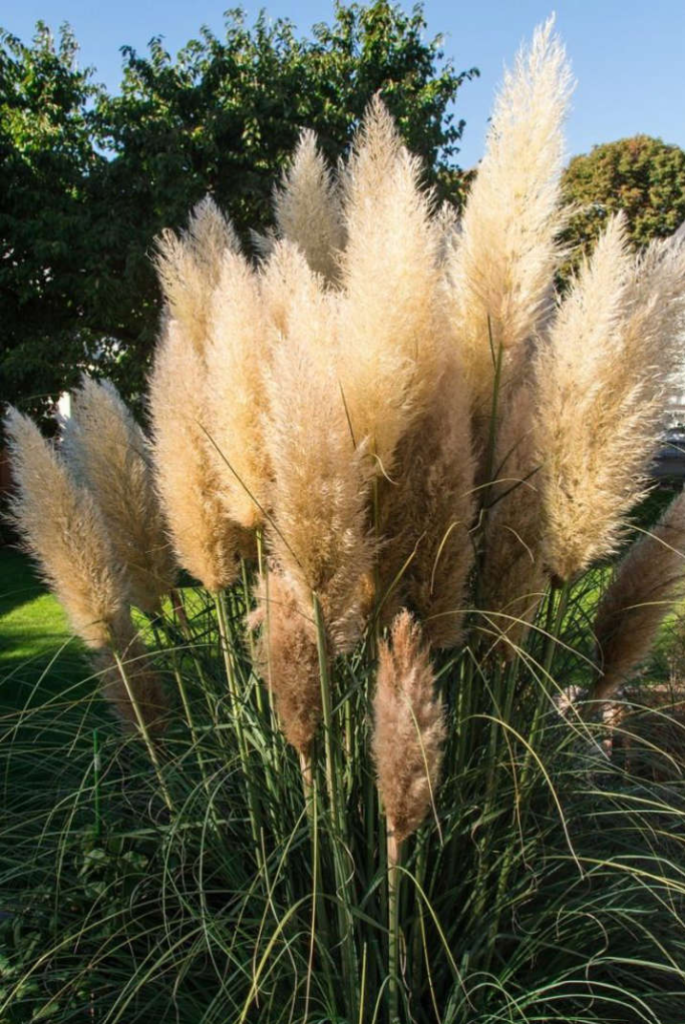
Tall ornamental grasses such as fountain grass and pampas grass can attract snakes by creating dense vertical cover. These grasses grow in thick clumps that are hard to see through. The base of the plant stays cool and shaded, which gives snakes a safe place to rest during hot weather.
These grassy areas also attract mice and small rodents that hide in the same cover. Snakes often enter gardens where their prey is easy to find. Once inside these grass clumps, snakes can move undetected and stay protected for long periods. This makes tall grasses one of the most common landscaping features linked to snake presence in suburban areas.
Bamboo and thick shrub clusters

Bamboo and thick shrub clusters can create strong hiding environments for snakes. Bamboo grows in tight groups that block sunlight and trap moisture. This creates a cool and humid space that snakes naturally prefer. The fallen leaves at the base also add extra cover for movement and shelter.
Thick shrubs like juniper or overgrown hedges can have the same effect. When these plants are not trimmed regularly, they form dense layers close to the ground. These layers become perfect hiding spots for snakes looking for shade and protection. Over time, these areas may also attract birds and rodents, which increases the chances of snakes visiting.
Fruit-bearing plants and rodent attraction

Fruit-bearing plants like berry bushes, fig trees, and citrus trees do not attract snakes directly, but they attract rodents. When fruits fall to the ground and begin to rot, they become easy food for mice, rats, and other small animals. These rodents are a major food source for many snake species.
Once rodents move into these feeding areas, snakes often follow. Dense fruit bushes also give rodents safe places to build nests. Because of this, yards with unmanaged fruit drop and thick undergrowth can become hunting grounds for snakes. Keeping fallen fruit cleaned up is an important step in reducing this risk.
Moisture-loving plants and damp environments
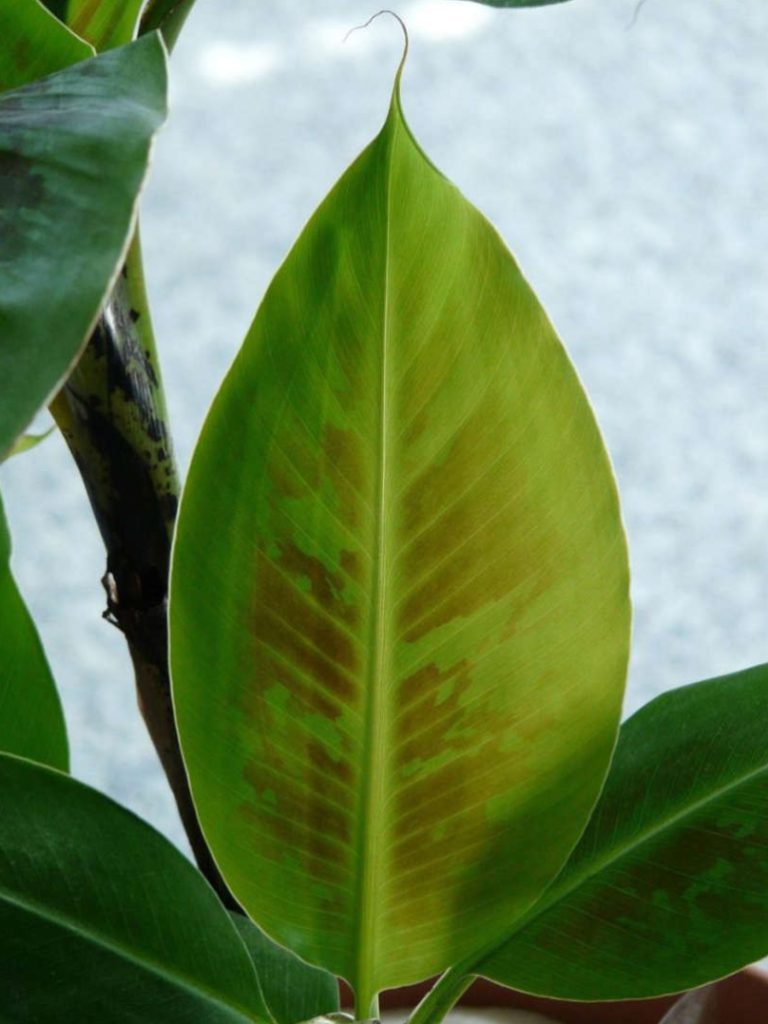
Moisture-loving plants such as banana plants, elephant ears, and large tropical foliage create damp, shaded environments. These plants hold water in the soil and block sunlight from drying the ground quickly. Snakes are drawn to these cool and moist spaces, especially during hot seasons.
These areas also attract frogs, insects, and other small wildlife that prefer wet conditions. Snakes often follow these animals for food. When combined with thick leaves and low visibility, moisture-rich gardens can become ideal hiding and hunting zones for snakes. Proper drainage and spacing between plants can help reduce this issue.
Leave a Reply