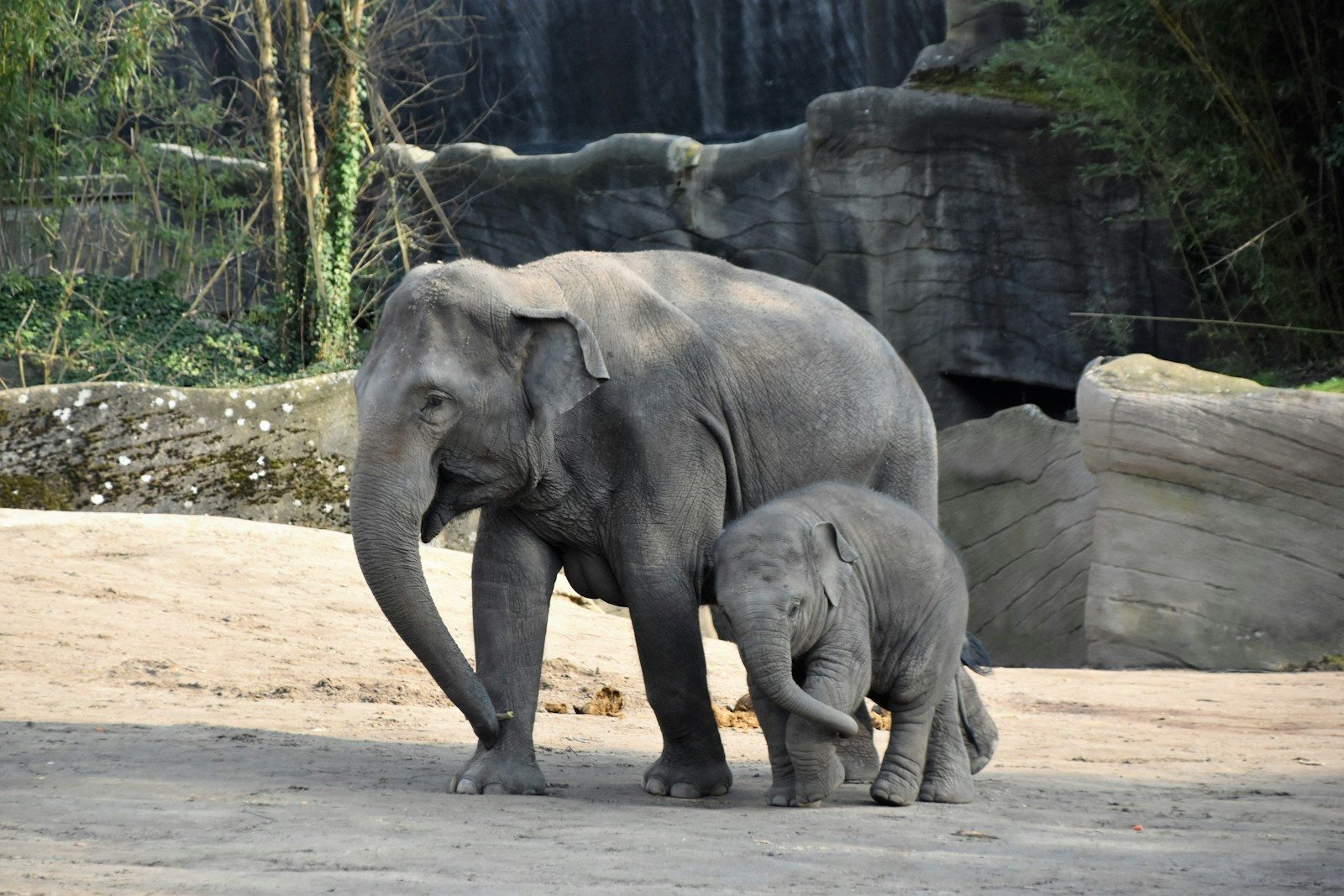
A baby elephant separated by a flooded river was given a second chance after rescuers in Kenya helped reunite him with his family using a clever dung scent trick. The young calf became stranded after heavy water currents split him from his herd during a dangerous river crossing. For hours, the tiny elephant wandered alone while wildlife experts raced to save him before predators or exhaustion could harm him.
This touching rescue story shows how smart elephants are and how much they depend on family bonds to survive. It also highlights the important work done by conservation teams in Africa to protect wildlife during emergencies. Here is how rescuers tracked down the herd, why they used elephant dung during the reunion, and what scientists say this moment reveals about elephant behavior.
The flooded river separated the young calf
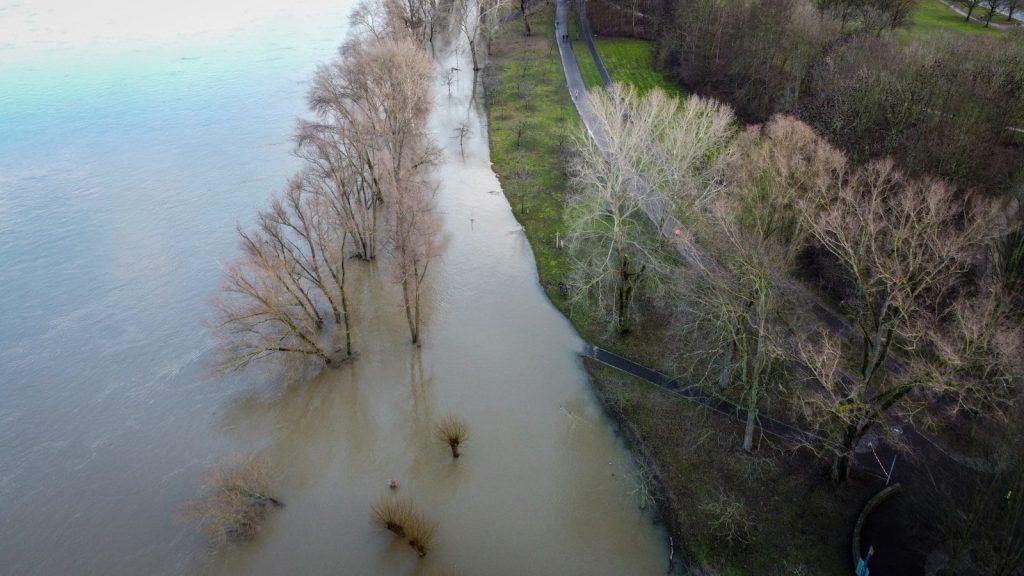
The rescue happened near the Ewaso Nyiro River in northern Kenya after heavy water flow made crossing dangerous for elephant families. A very young male calf, believed to be around two months old, became separated from his herd while the elephants tried to cross the swollen river near an area called Larsens. The calf was too small and weak to keep up with the adults as the fast-moving water pushed him away from the group.
For more than three hours, the baby elephant stayed alone in the wild. That is a very dangerous situation for a calf because young elephants rely on their mothers and relatives for food, protection, and guidance. Without the herd nearby, the calf faced serious risks from dehydration, stress, and predators. Tourists in the area first noticed the lonely elephant and quickly alerted wildlife rescuers, which helped begin the emergency response before it was too late.
Wildlife teams rushed to save the elephant
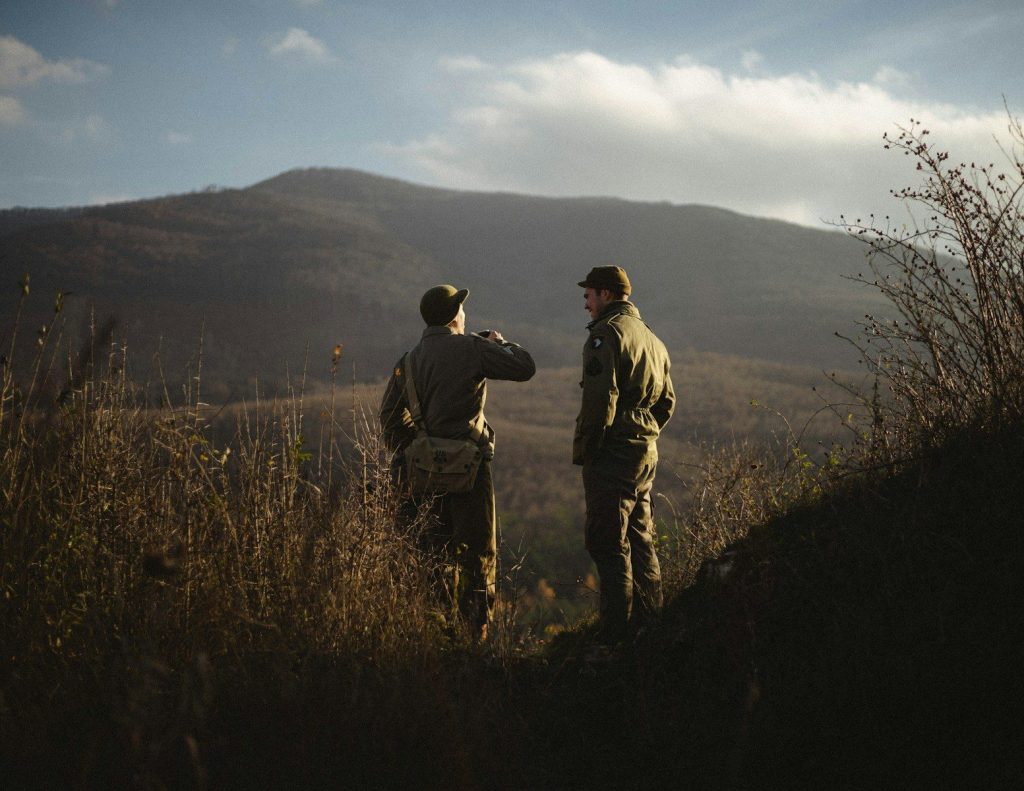
Several wildlife groups worked together during the rescue effort. Teams from Save the Elephants, Lewa Wildlife Conservancy, and rangers from Samburu National Reserve joined forces to help the stranded calf. The rescuers carefully captured the elephant and placed him inside a vehicle so they could safely transport him closer to his family. Because elephant herds move constantly across large areas, finding the group again required careful tracking and teamwork.
The rescuers drove the calf to Buffalo Springs National Reserve, where they believed the herd had traveled after the river crossing. Experts knew the reunion had to happen quickly because elephants form deep social bonds, especially between mothers and babies. Young calves nurse often and stay close to adult females almost all day. The longer the calf stayed away, the harder it would be for the herd to accept him back into the group.
Rescuers used a dung scent trick
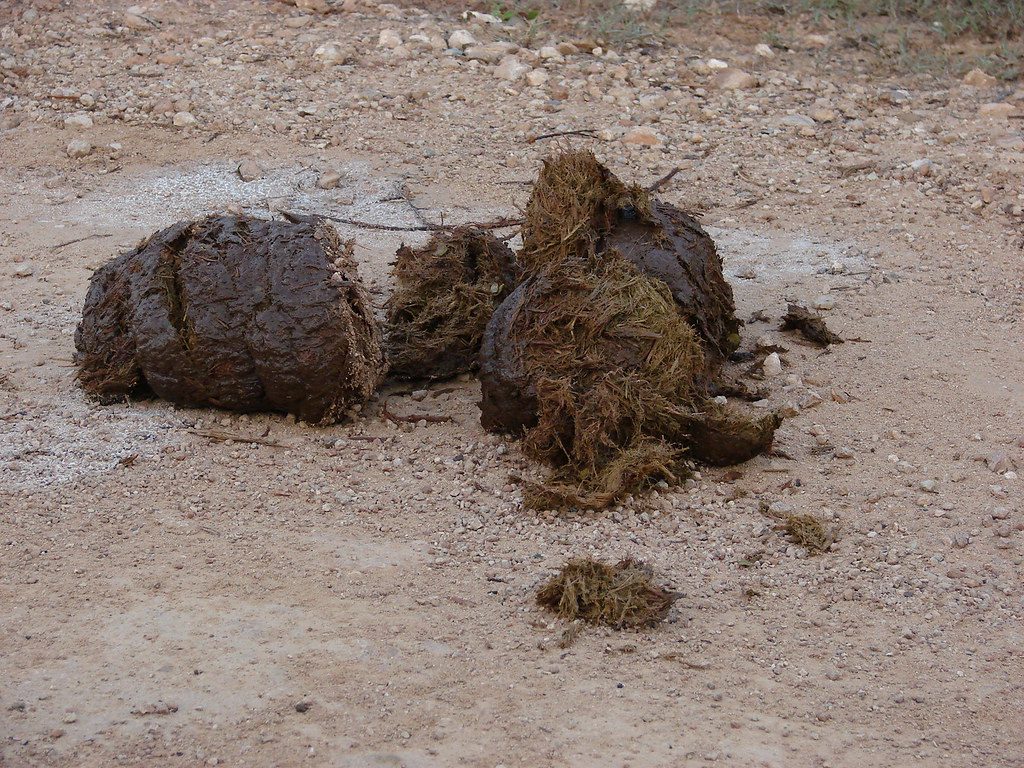
Before releasing the calf back near the herd, rescuers covered him with fresh elephant dung. This may sound strange, but wildlife experts often use scent masking during animal reunions. The goal was to hide unfamiliar smells picked up from humans, rescue equipment, and vehicles during transport. Elephants have an excellent sense of smell and use scent to recognize family members and understand their environment.
By rubbing fresh dung onto the calf’s body, rescuers hoped the herd would focus on the calf’s natural elephant scent instead of foreign odors. This careful step helped reduce the chances of confusion or rejection when the baby approached the group again. Wildlife workers knew the reunion had to feel as natural as possible because elephant herds can become protective or nervous if something smells unfamiliar around their young calves.
The herd slowly welcomed the calf home
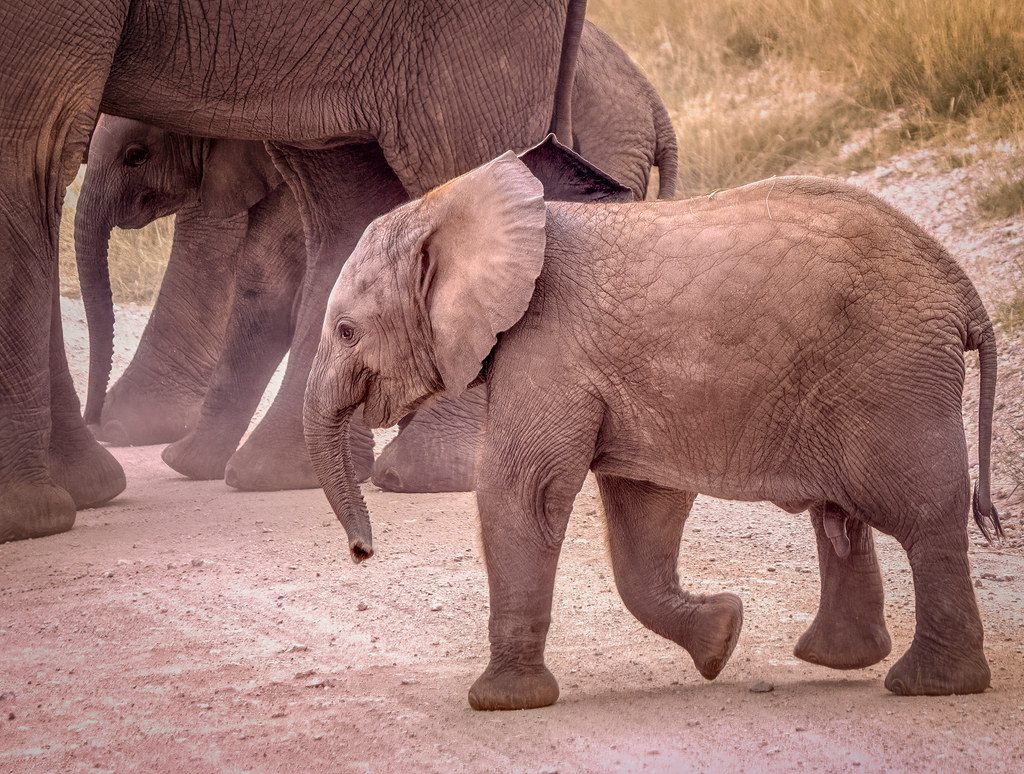
When rescuers finally released the calf near the herd, the elephants acted cautiously at first. The family, known by researchers as “The Virtues,” carefully approached the young elephant while checking his scent and behavior. For a few tense moments, nobody knew whether the herd would fully accept him after hours apart in such stressful conditions.
Then the emotional reunion happened. The calf was seen nuzzling close to his mother while other young elephants gathered nearby. Observers said the herd eventually welcomed him back, allowing him to move safely among the adults again. The touching moment showed how strong elephant family bonds can be. Researchers who study elephants say these animals are deeply social and often protect one another during difficult situations.
Elephant families depend on strong social bonds
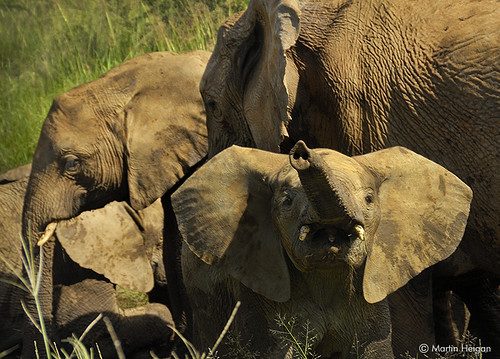
Elephants live in close family groups led by experienced females called matriarchs. These herds are made mostly of mothers, sisters, aunts, and calves. Young elephants learn survival skills from the adults around them, including where to find water, how to avoid danger, and how to communicate with the group. Because of this, even a short separation can place a calf in serious danger.
Scientists who study elephants say family bonds are one of the most important parts of elephant society. Adult females often help care for babies together, almost like a babysitting team. Calves receive comfort, protection, and guidance from many members of the herd, not just their mothers. This is why successful reunions are so important. A calf raised without family support in the wild has far lower chances of survival compared to one protected by a healthy herd.
The rescue highlights the value of conservation work

This successful reunion also showed how important fast wildlife rescue efforts can be. Tourists who spotted the stranded calf acted quickly by notifying experts instead of trying to interfere with it. Wildlife teams then coordinated across different reserves to safely transport and reunite the elephant with his family. Conservation groups say this kind of teamwork is critical because elephant habitats face growing pressure from climate change, habitat loss, and human activity.
Heavy flooding and changing weather patterns can make river crossings more dangerous for elephant herds, especially for babies. At the same time, rescue teams must work carefully to avoid causing more stress to wild animals during emergencies. The calf’s story ended happily, but conservation workers noted that not every separated calf can return home successfully. In some cases, orphaned elephants require long-term rehabilitation before they can safely return to the wild.
Leave a Reply