
Veterinarians highlight that dog breeds linked to increased aggression toward owners is a topic that often raises concern among pet owners, especially those who want a safe and stable home environment. Many people wonder why some dogs that are known as friendly can sometimes show sudden aggression toward the people they live with. Understanding this issue is important because it helps owners make better decisions about training, care, and responsible ownership.
Research and veterinary behavior studies show that aggression in dogs is not caused by one single factor. It can be influenced by genetics, environment, fear, health problems, and lack of proper training. Some breeds have been found to show higher rates of human-directed aggression under certain conditions, but experts also stress that any dog can become aggressive if its needs are not met. This article will explain what veterinarians have found, which breeds are more commonly discussed, and what really influences aggressive behavior in dogs.
What veterinarians mean by dog aggression
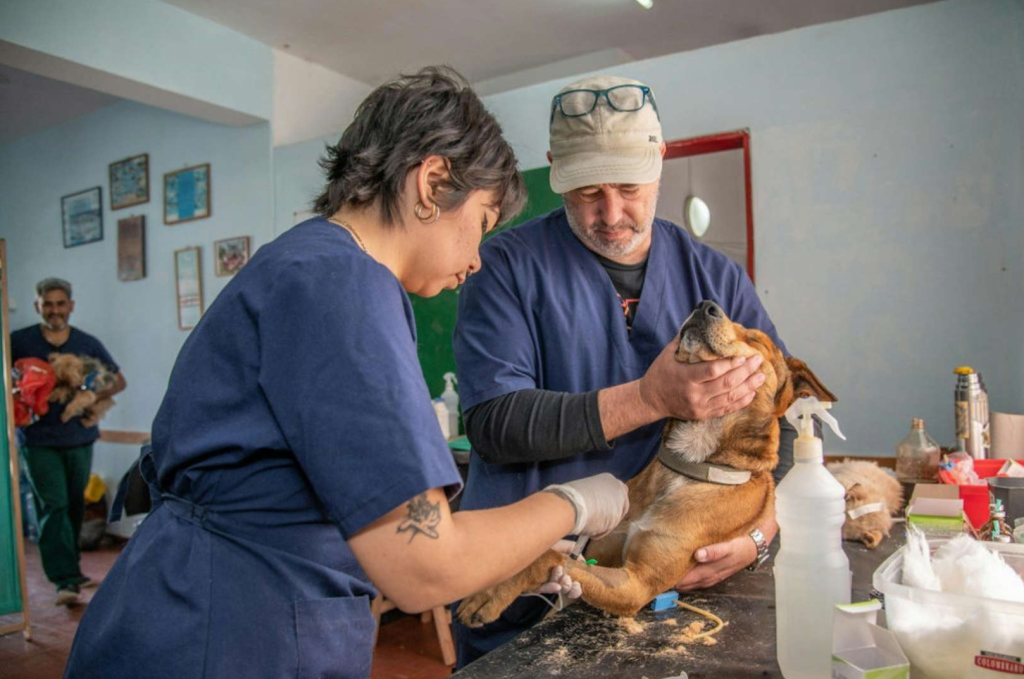
Veterinarians define aggression in dogs as behaviors like growling, snapping, biting, lunging, or stiff body posture when interacting with humans or other animals. These behaviors are not always attacks. They are often warning signals that a dog feels stressed, scared, or uncomfortable in a situation.
Studies show that aggression toward owners is usually linked to fear, pain, or confusion rather than “bad temperament” alone. For example, dogs experiencing joint pain or illness may react aggressively when touched. Research also shows that fearfulness is one of the strongest predictors of aggressive behavior in dogs, regardless of breed or size. Many veterinary behavior experts emphasize that aggression is often a symptom of an underlying issue, not a fixed personality trait.
Breeds often linked with higher aggression risk
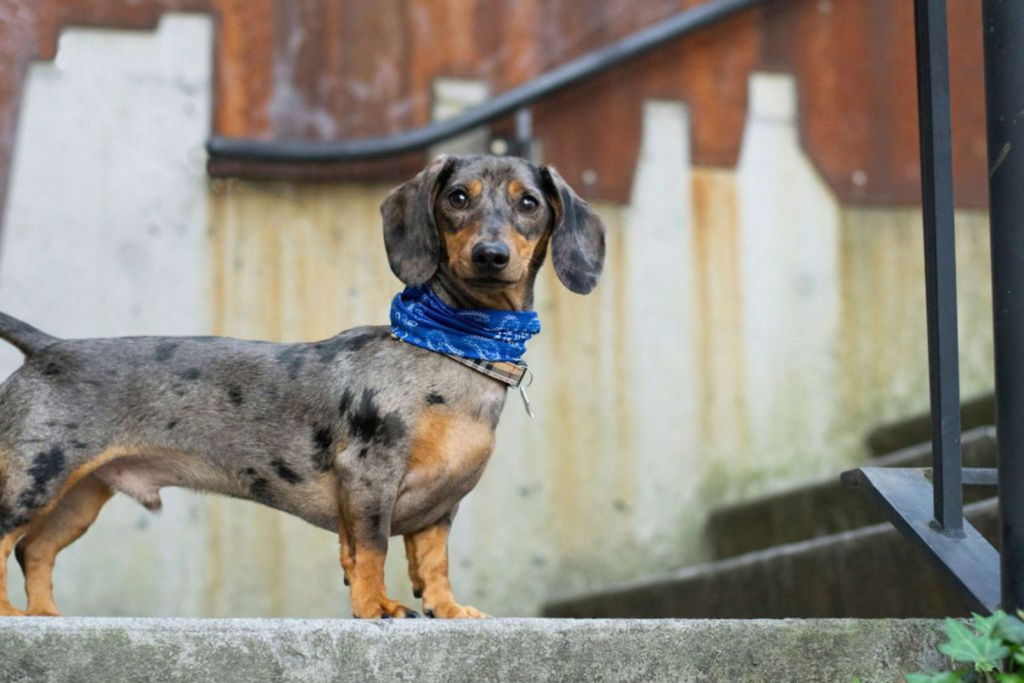
Some veterinary and behavioral studies have found differences in aggression levels between dog breeds, especially when looking at large population surveys. In these studies, certain breeds have shown higher rates of aggressive responses toward humans, including their owners, compared to others. However, these differences are averages and do not apply to every individual dog.
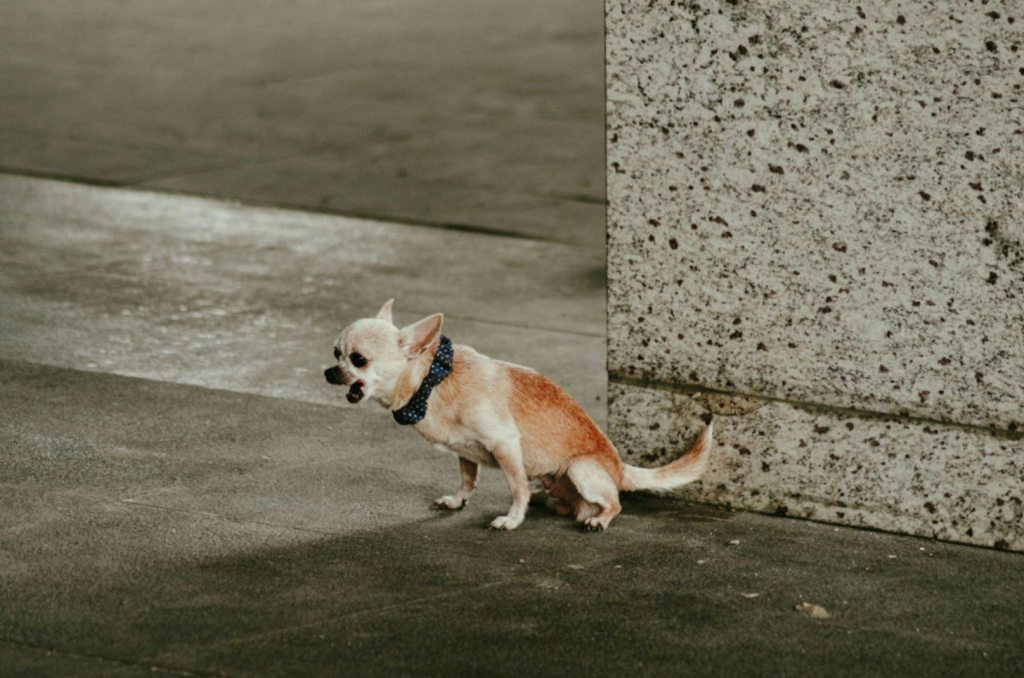
Research has reported that smaller breeds like Dachshunds and Chihuahuas sometimes show higher levels of owner-directed aggression, often linked to fear or overprotection behaviors. Some medium and large breeds, such as Jack Russell Terriers, Beagles, and certain working breeds, have also appeared in studies with increased bite or snap reports in specific contexts. At the same time, breeds like Golden Retrievers and Labrador Retrievers are often found on the lower end of aggression scales in large behavioral surveys. Experts strongly caution that breed alone does not determine behavior, and environment plays a major role in shaping outcomes.
Why size and fear matter more than breed
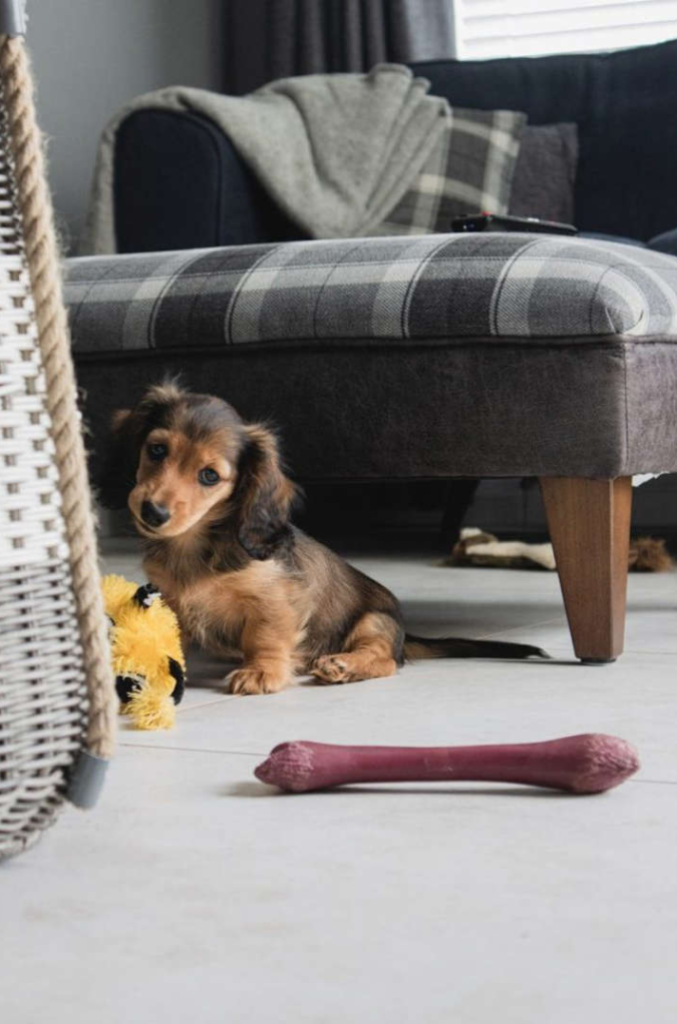
One of the most important findings in veterinary behavior research is that small dogs are often reported as more likely to show aggression toward owners. This is not because they are more dangerous, but because fear-based reactions are more common in smaller dogs that feel easily threatened. These dogs may bark, snap, or bite when they feel cornered or handled in ways they do not like.
Fear and anxiety are major drivers of aggression in dogs of all breeds. Studies show that fearful dogs are significantly more likely to react aggressively toward people. Lack of socialization during early development can increase this fear response later in life. In many cases, what looks like aggression is actually a defensive reaction. This is why veterinarians focus heavily on behavioral history and environment rather than breed labels when assessing risk.
The role of environment and ownership
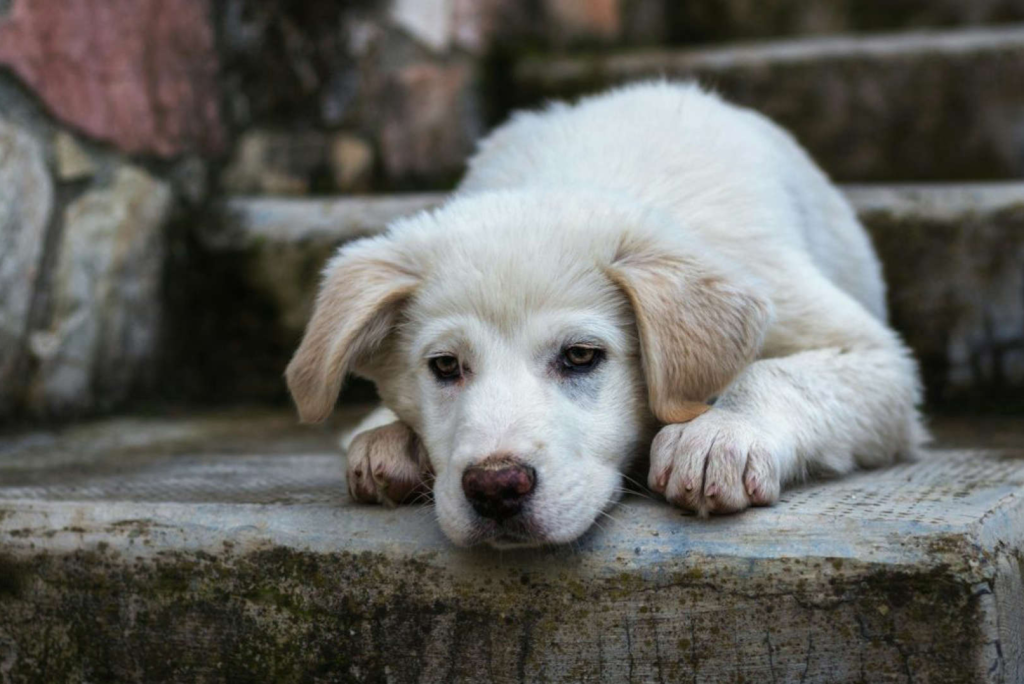
Veterinarians consistently emphasize that the environment is one of the strongest influences on dog behavior. Dogs that are poorly trained, under-socialized, or exposed to inconsistent discipline are more likely to develop aggressive tendencies over time. Living conditions, daily exercise, and human interaction all play a major role in shaping behavior.
Studies also show that dogs in single-dog households or those with limited social exposure may have higher chances of showing aggression toward owners. Lack of proper mental stimulation can also lead to frustration-based behaviors. In addition, owners who are inexperienced or unable to recognize early warning signs may unintentionally reinforce aggressive behavior. Research suggests that human handling and training style can influence aggression more than the breed itself in many cases.
Medical and emotional causes behind aggression
Not all aggression is behavioral in origin. Veterinarians often find that pain-related conditions are a major cause of sudden aggression in dogs. Conditions like arthritis, dental disease, or internal injuries can make dogs react aggressively when touched or moved. This is especially common in older dogs.
Emotional stress is another major factor. Dogs experiencing separation anxiety, trauma, or chronic stress may show aggression as a coping response. Veterinary studies also highlight that dogs with untreated fear disorders are more likely to bite or snap in stressful situations. Because of this, veterinarians often recommend medical checks first when a previously calm dog begins showing aggression.
What this means for dog owners

Understanding aggression in dogs helps owners respond in safer and more responsible ways. Veterinarians stress that no dog breed is guaranteed to be aggressive or completely safe. Instead, behavior depends on a mix of genetics, upbringing, training, and health. This means owners have a strong role in shaping their dog’s behavior throughout its life.
Early training, regular veterinary care, and proper socialization can greatly reduce the risk of aggressive behavior. Recognizing warning signs like stiff posture, growling, or avoidance can prevent escalation. Professional help from veterinarians or certified behaviorists is also recommended when aggression appears. Responsible ownership is the most important factor in preventing harm and improving dog behavior over time.
Leave a Reply