
Marine researchers searching for a drifting humpback whale carcass off the coast of Rhode Island made an unexpected discovery when a juvenile great white shark appeared beneath the floating whale.
The rare encounter gave scientists an unusually close look at one of the ocean’s most famous predators feeding naturally in Rhode Island waters. The footage provides valuable insight into shark behavior while highlighting the important ecological role that whale carcasses play in marine ecosystems.
Researchers were searching for a whale
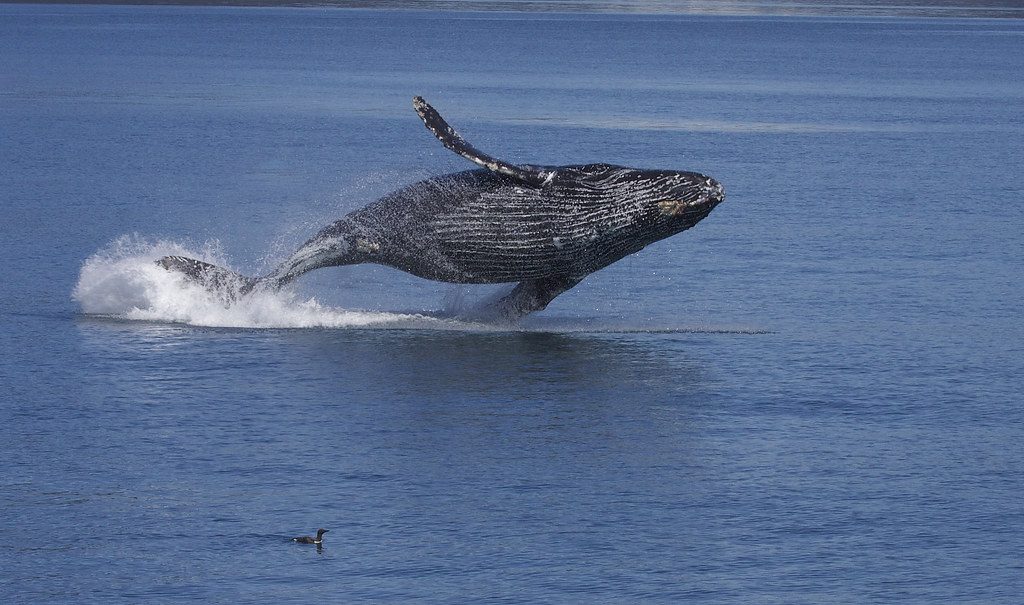
Scientists from the Atlantic Shark Institute and Mystic Aquarium had been tracking reports of a dead humpback whale floating near Block Island. After locating the approximately 40-foot whale, they began collecting information and biological samples for research.
Only minutes later, a dark shape emerged beneath the carcass, revealing an approximately 8-foot juvenile great white shark feeding on the remains.
A rare great white encounter
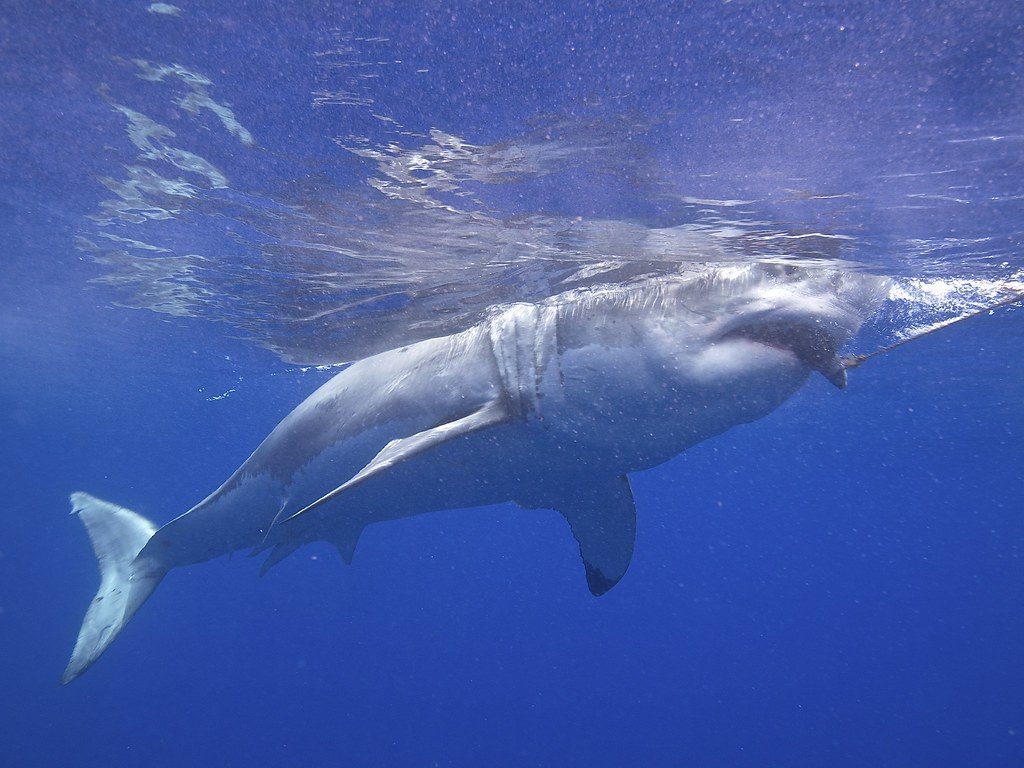
Great white sharks occur throughout the northeastern United States, but they are seen far more frequently around Cape Cod, where large populations of gray seals provide an abundant food source.
Close underwater observations in Rhode Island remain uncommon, making this encounter particularly valuable for researchers studying shark distribution in the region.
Why whale carcasses attract sharks

When a whale dies, its carcass becomes an enormous food source for many marine scavengers. Sharks can detect chemical cues released into the water and may travel considerable distances to investigate.
Rather than hunting the whale, the juvenile shark was scavenging on an already dead animal, an important natural behavior that recycles nutrients through the marine ecosystem.
Young sharks are expanding their range
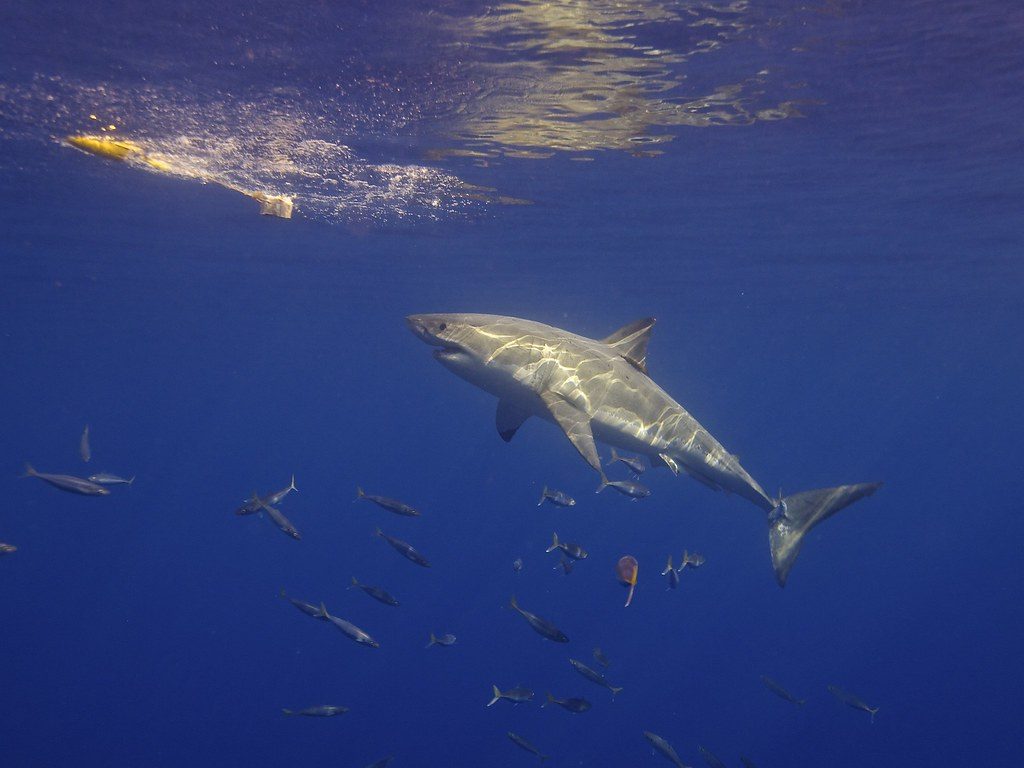
Researchers noted that while most larger white sharks continue gathering around Cape Cod, younger sharks have been appearing in Rhode Island waters more frequently during the summer months.
Scientists believe recovering Atlantic white shark populations and changing environmental conditions may contribute to these increasing seasonal observations, although research is ongoing.
Every observation improves shark science
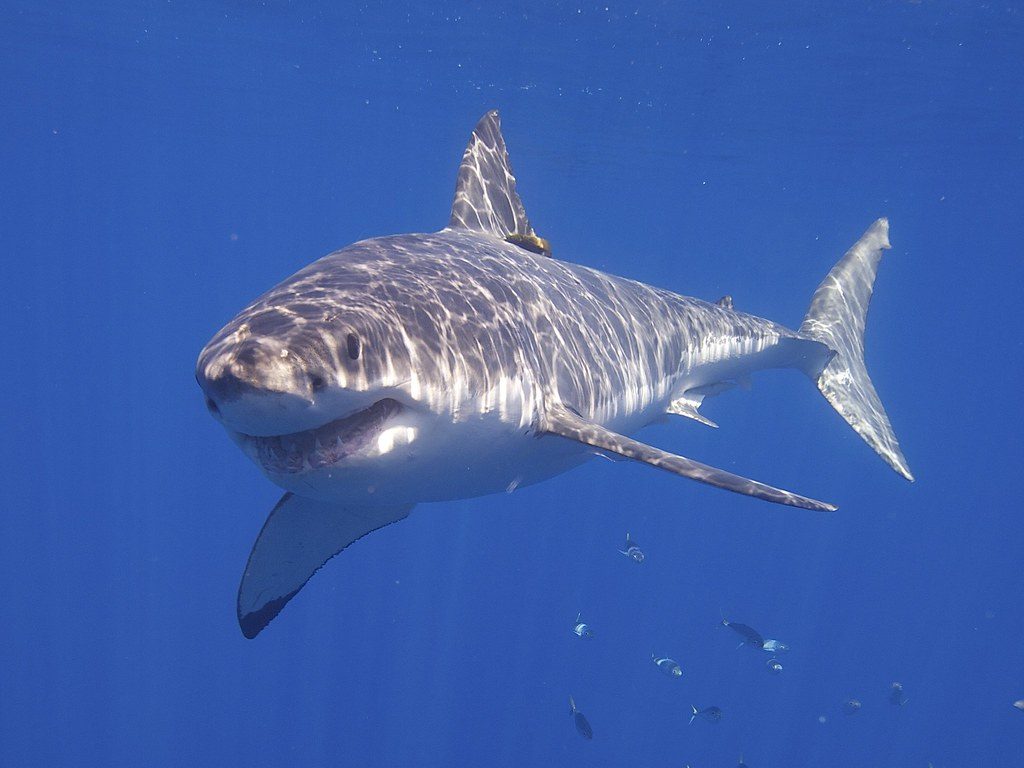
The researchers also collected tissue samples from the humpback whale before the carcass later washed ashore, allowing scientists to investigate its cause of death through a full necropsy.
Meanwhile, the shark footage adds another valuable record to long-term studies examining white shark movements, feeding behavior, and seasonal distribution throughout the Northwest Atlantic.
Why sightings like this matter
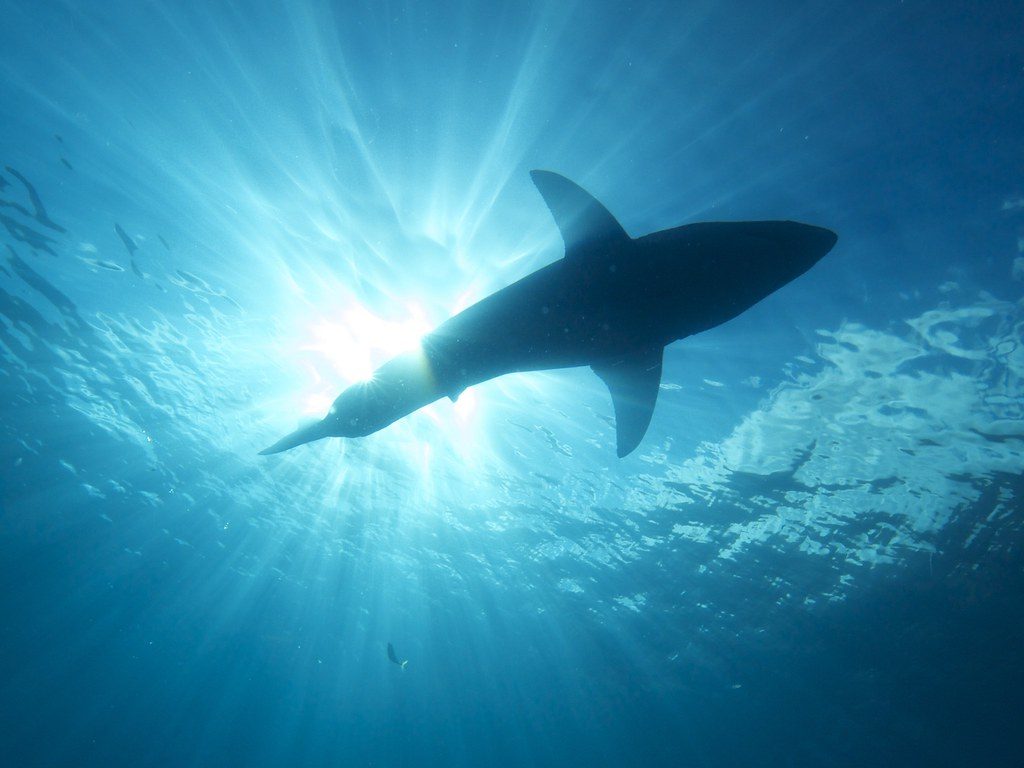
Rare observations of great white sharks help scientists better understand how these apex predators use different habitats throughout the year. Public reports, careful scientific monitoring, and underwater documentation all contribute to conservation efforts while improving knowledge of shark behavior.
Although great white sharks remain one of the ocean’s most recognizable predators, encounters like this remind us that much about their movements and ecology is still being discovered.
Leave a Reply