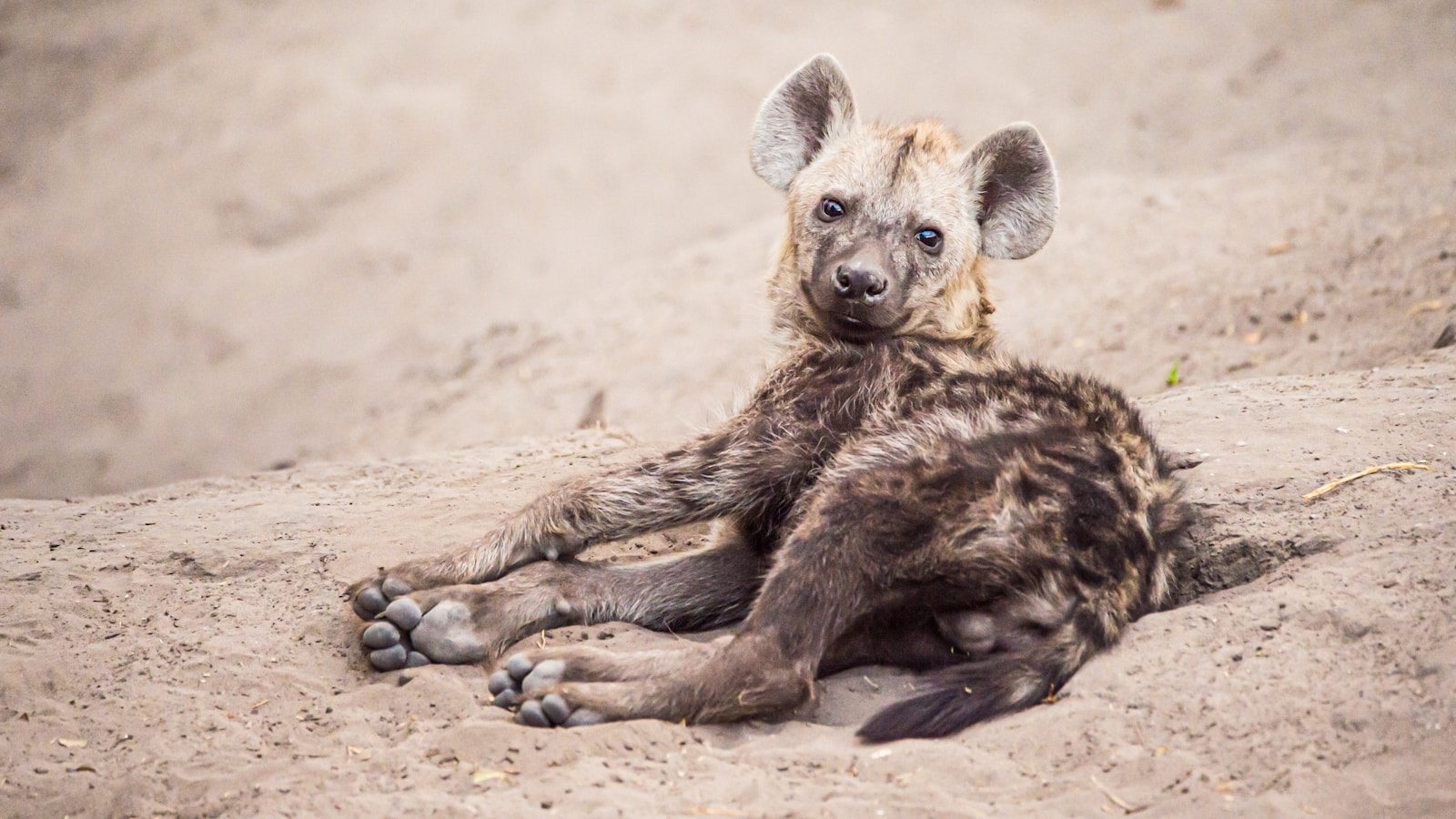
Every spotted hyena cub faces fierce competition from the moment it is born. Unlike many mammals, hyena siblings often fight intensely for access to their mother’s milk, and the stronger cub usually gains the advantage. For one young hyena named Nicholas, that struggle became so severe that wildlife caregivers decided intervention was the only way to ensure his survival.
Their decision marked the beginning of a lifelong commitment to his care.
A difficult start to life
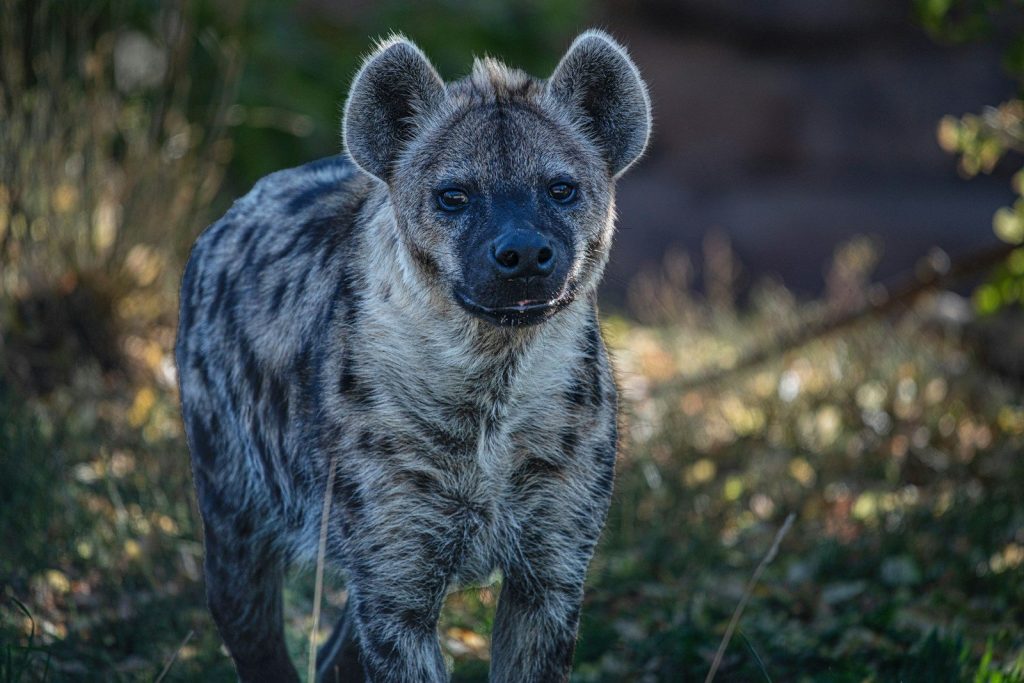
Spotted hyenas are born with their eyes open and their front teeth already erupted, allowing them to compete almost immediately after birth. In twin litters, aggression between siblings often begins within hours and centers on access to milk.
When one cub consistently loses these confrontations, its growth and survival can be placed at serious risk.
Why rescuers intervened
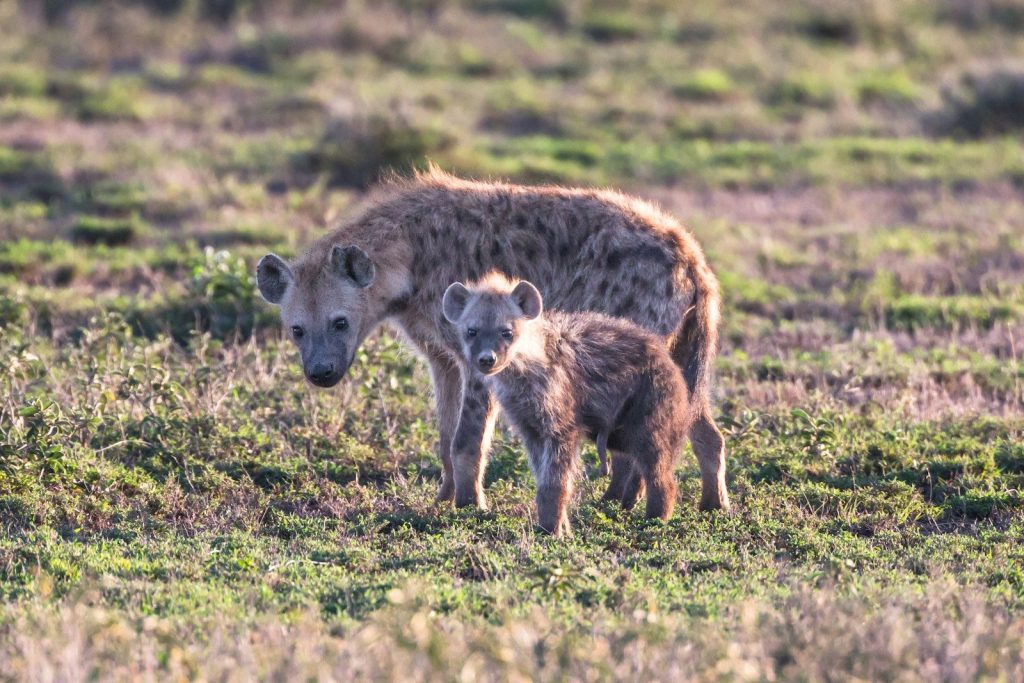
Wildlife professionals generally allow natural behavior to continue whenever possible. However, when a cub becomes unable to compete or its welfare is seriously threatened, a sanctuary may decide to hand-raise the animal.
Such decisions are made carefully because a hand-raised predator will often require specialized care for the rest of its life.
Growing up in human care
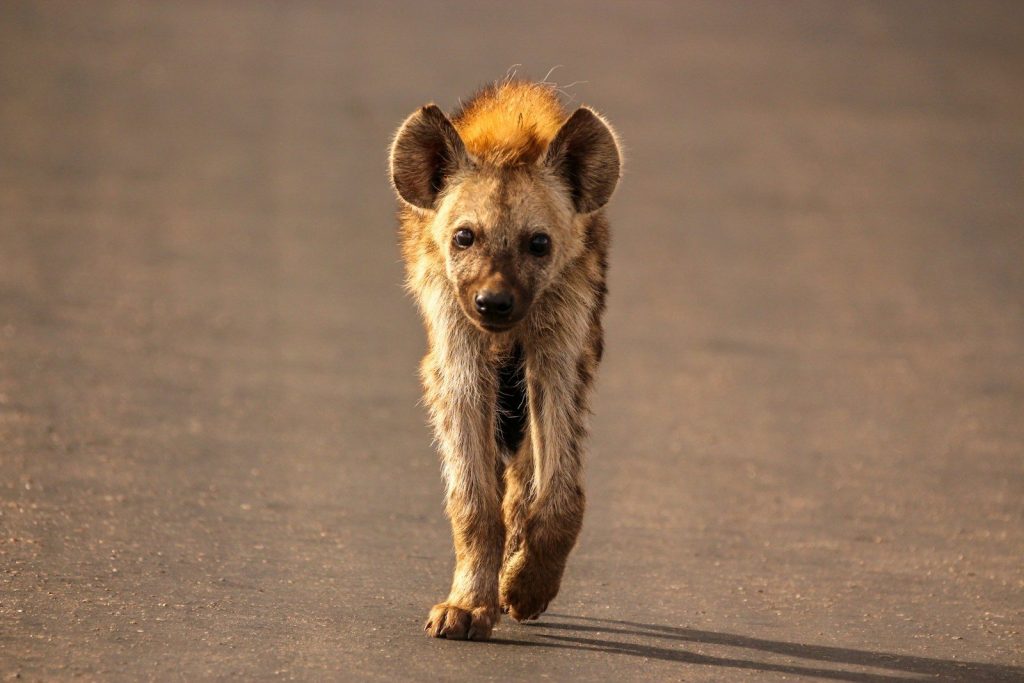
Hand-raising a young hyena involves much more than bottle feeding. Caregivers monitor nutrition, health, and behavior while providing enrichment that encourages natural curiosity and development.
Although rescued cubs may become comfortable around their caregivers, they still retain the instincts and behaviors of wild predators.
The science behind hyena sibling rivalry
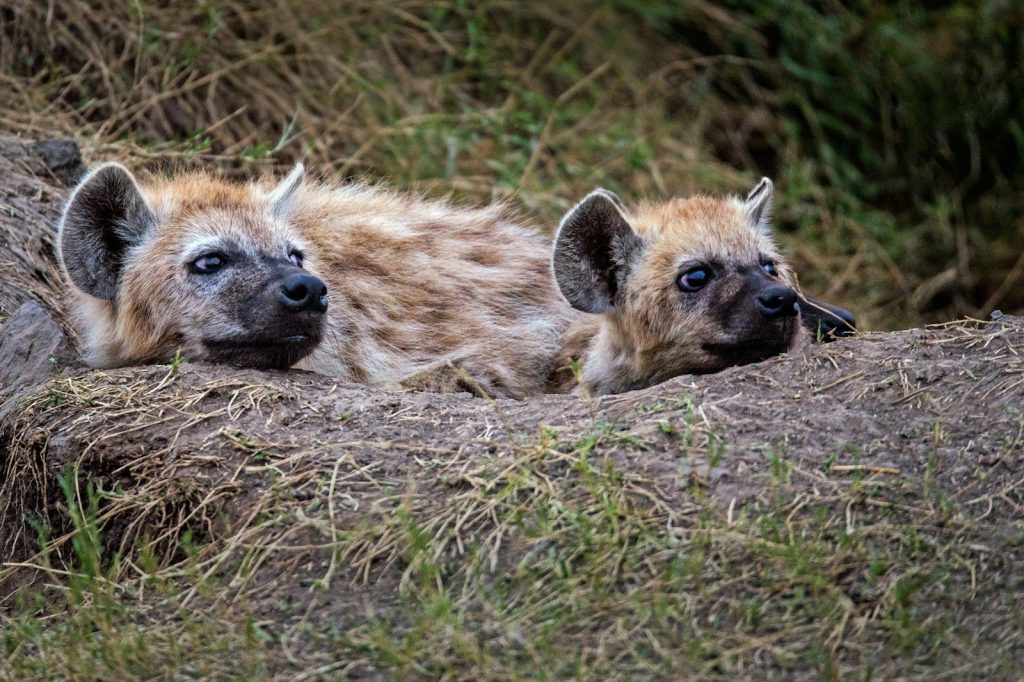
Researchers have studied spotted hyenas for decades because their sibling aggression is unusually intense among mammals. Competition is strongest during the first weeks of life when access to maternal milk is critical.
Studies show that dominant cubs typically gain more nursing opportunities, while subordinate siblings must continually compete to survive.
A playful personality with a remarkable story
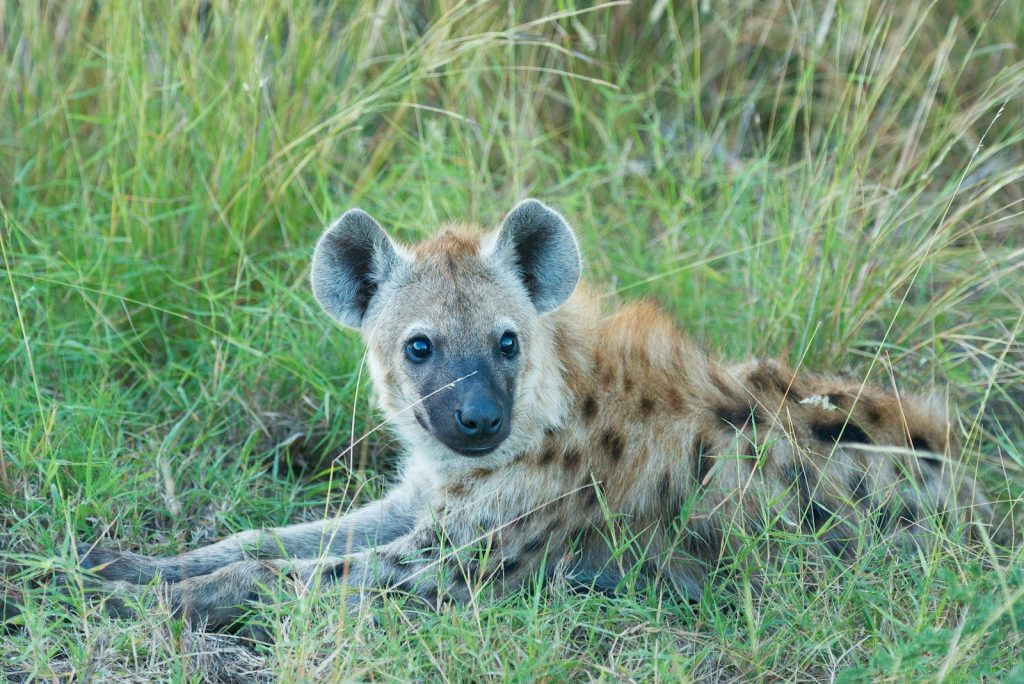
Today, Nicholas is known for his playful behavior and energetic personality. His story illustrates how carefully considered intervention can sometimes save an animal that would otherwise have little chance of survival.
At the same time, his rescue highlights the long-term responsibility involved in caring for large carnivores raised by people.
Why hand-raised hyenas can never return to the wild
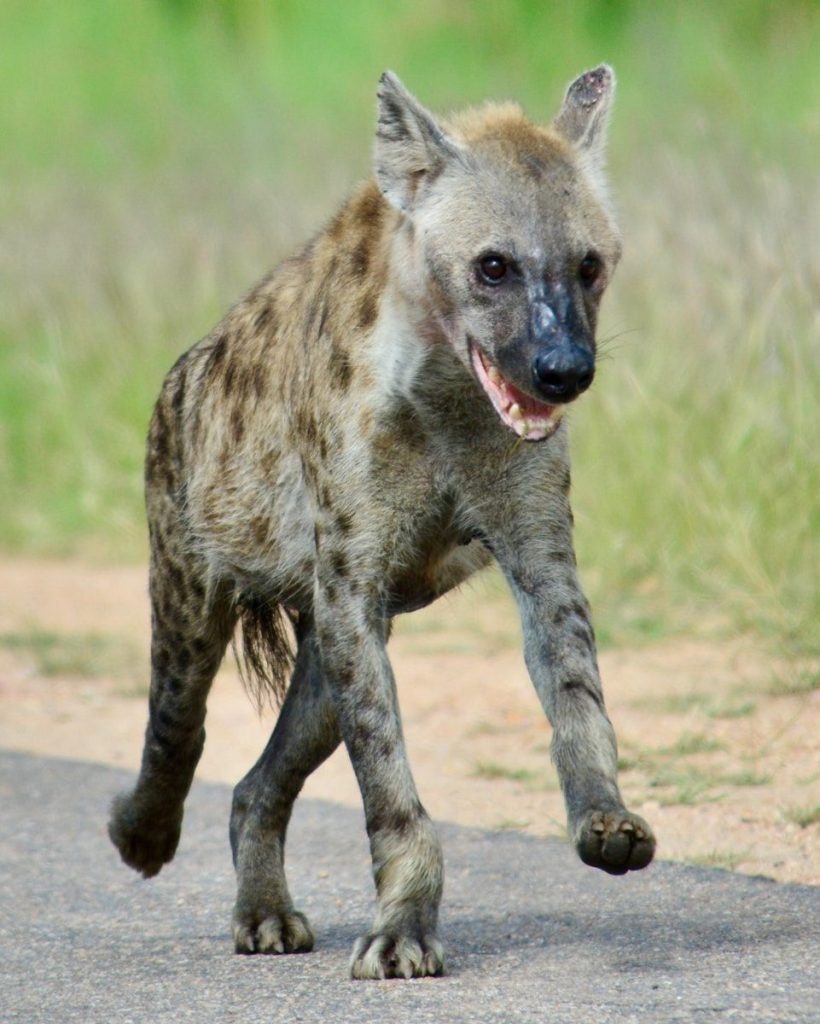
When a sanctuary raises a hyena cub by hand, the goal is to save its life—not prepare it for release. Young hyenas normally learn critical survival skills such as hunting, recognizing predators, communicating with clan members, and understanding their complex social hierarchy from their mothers and other clan members.
Cubs raised by humans often miss these lessons, making survival in the wild extremely difficult. For this reason, sanctuaries that intervene usually commit to providing lifelong professional care, ensuring the animal can live safely while still expressing many of its natural behaviors through enrichment and spacious habitats.
Featured Image: Photo by Birger Strahl on Unsplash
Leave a Reply