
The Blue whale is the largest animal ever recorded on Earth, and that fact still surprises many people. It is bigger than every dinosaur scientists have confirmed, bigger than elephants, and bigger than any animal alive today. What makes it even more amazing is what it eats. This giant ocean animal survives mostly on krill, tiny shrimp-like creatures that are small enough to fit in your hand.
That huge size raises a simple question. How can the biggest animal in Earth’s history live on something so tiny? The answer shows how powerful nature can be when food is everywhere, and an animal is built to feed in the right way. In this article, you will learn how the blue whale became so large, how it feeds, and why scientists still see it as one of the most incredible animals ever found.
The blue whale is the largest animal ever known
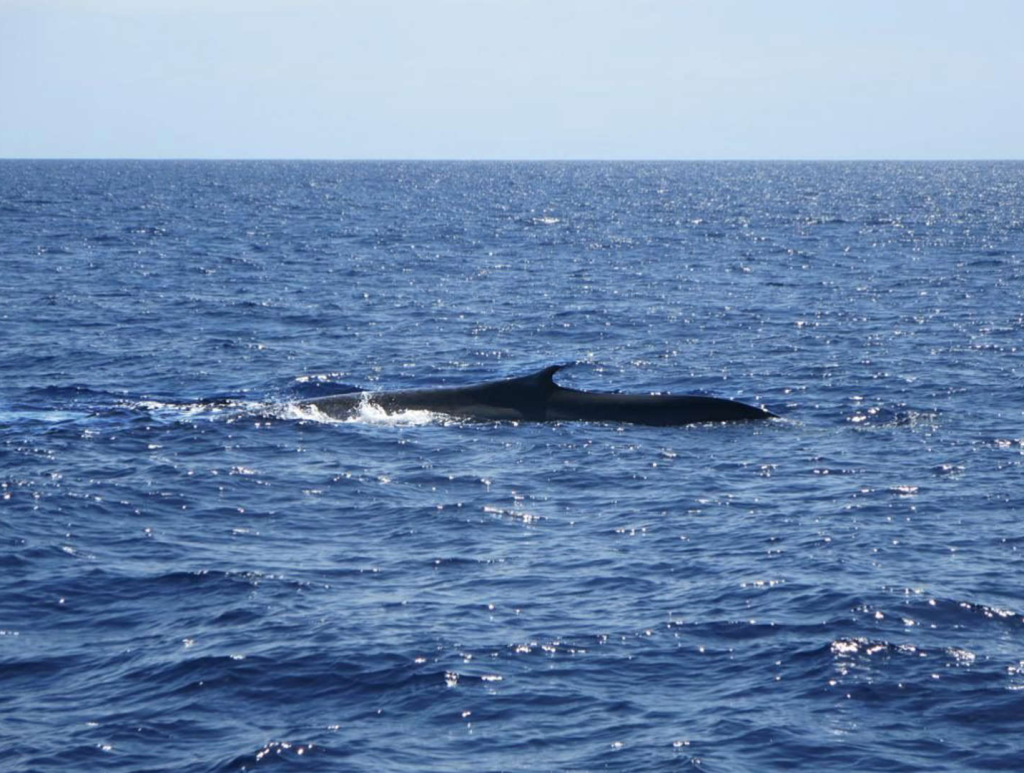
The blue whale is not just the largest animal alive now. It is the largest animal ever measured in the history of Earth. Scientists have confirmed individuals reaching more than 100 feet long. Some of the biggest recorded whales were over 110 feet long. That is longer than three school buses lined up nose to tail. Large adults can weigh close to 200 tons, which is about 400,000 pounds.
Even the biggest dinosaurs known from fossils do not clearly match that weight. Giant plant-eating dinosaurs were huge, but most estimates place them well below the heaviest blue whales. The ocean helps support the whale’s body, which lets it grow much larger than animals that must carry their full weight on land. That is one reason no land animal has ever reached the same mass.
Tiny krill are the secret to its size
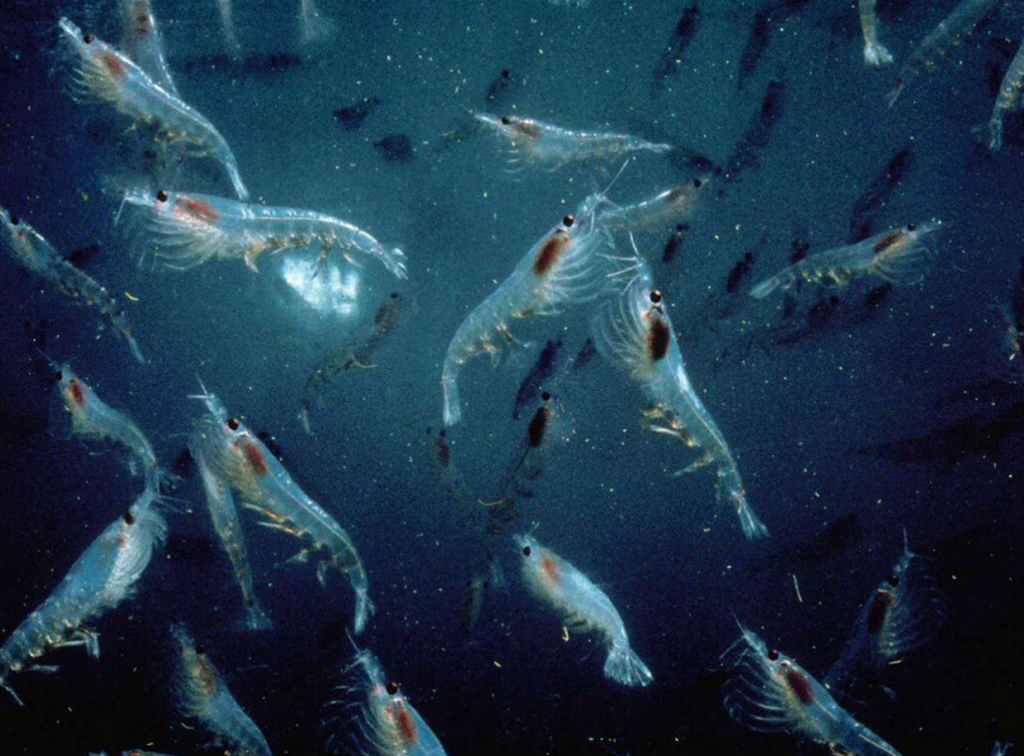
Blue whales feed mostly on krill, which are tiny animals that look like small shrimp. A single krill is usually only a few inches long. It seems impossible that something so small could feed something so huge, but krill often gather in giant swarms with millions of individuals packed together. That turns them into a rich food source.
During feeding season, a blue whale can eat around four tons of krill in one day. That is thousands of pounds of tiny animals. The whale does not chase each one. It charges through the swarm with its mouth open, taking in huge amounts of water and prey at once. That lets it collect enough food very quickly.
The whale uses baleen instead of teeth
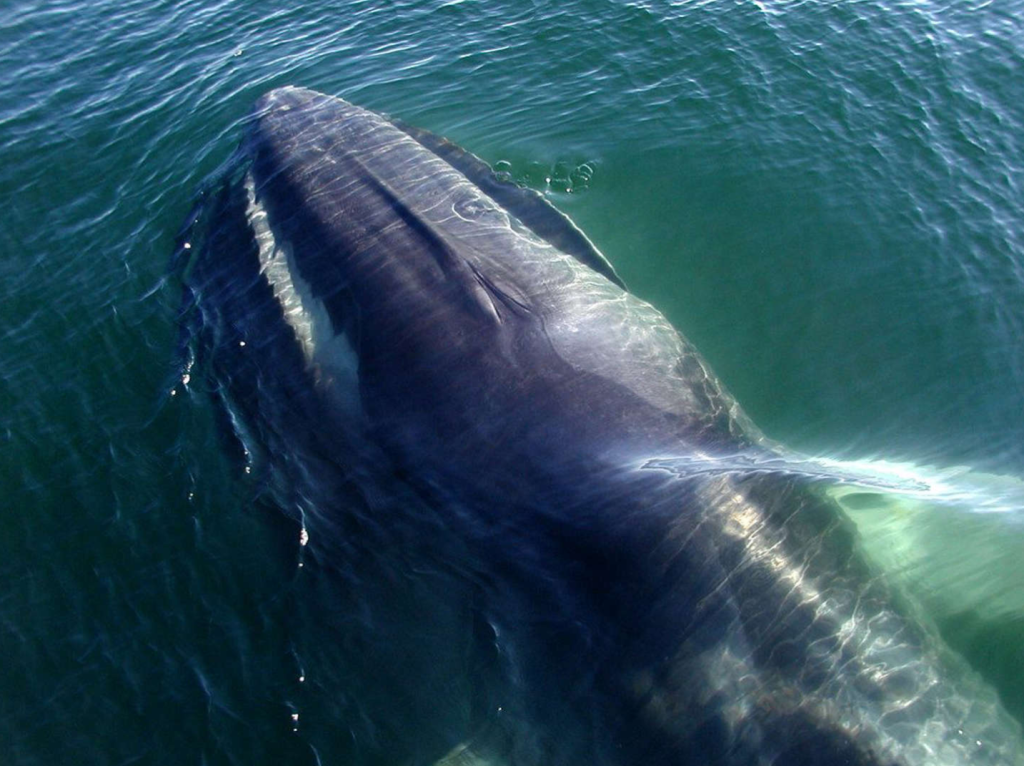
Blue whales do not chew food. They have baleen, which is a long plate hanging from the upper jaw. Baleen acts like a giant filter. After the whale fills its mouth with seawater and krill, it pushes the water out while the krill stays trapped inside. The whale then swallows the krill.
This feeding method is called filter feeding. It is very efficient because the whale can catch thousands of krill in one gulp. The whale’s throat folds expand like a giant pouch, allowing it to take in massive amounts of water. That special body design helps it turn tiny prey into enough energy to survive.
Its body is built for giant growth
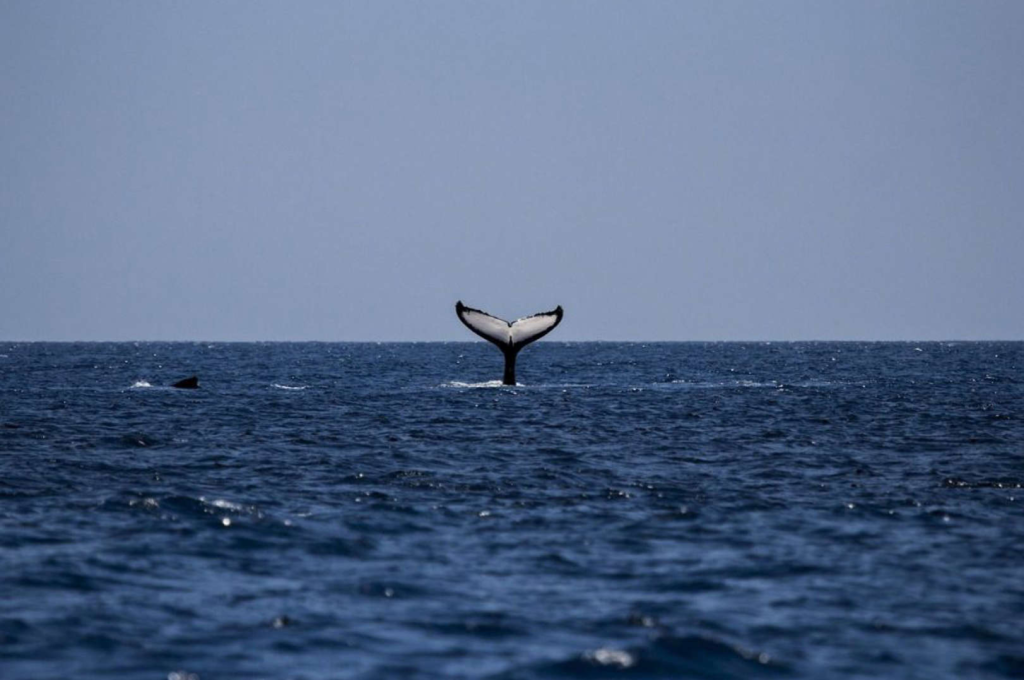
Almost every part of a blue whale is oversized. Its heart can weigh around 400 pounds. Its tongue can weigh as much as an elephant. A newborn calf can already weigh several tons at birth, making it one of the biggest babies in the animal world.
A calf also grows fast. It drinks rich milk from its mother and can gain around 200 pounds a day during early life. That fast growth helps it survive in the cold ocean. The whale’s thick layer of blubber keeps it warm and stores energy for long migrations between feeding and breeding areas.
The ocean made this size possible
The sea is the only place an animal like a blue whale could exist. Water supports the whale’s weight and lowers the pressure on its bones and muscles. On land, a body this large would struggle under gravity. The skeleton would need to hold too much weight.
The ocean also gives blue whales access to huge feeding zones. In places like polar waters, krill can gather in giant groups. When whales reach those feeding grounds, they can eat enormous amounts in a short time. That seasonal feast helps support their massive bodies and long yearly migrations.
Humans nearly wiped them out
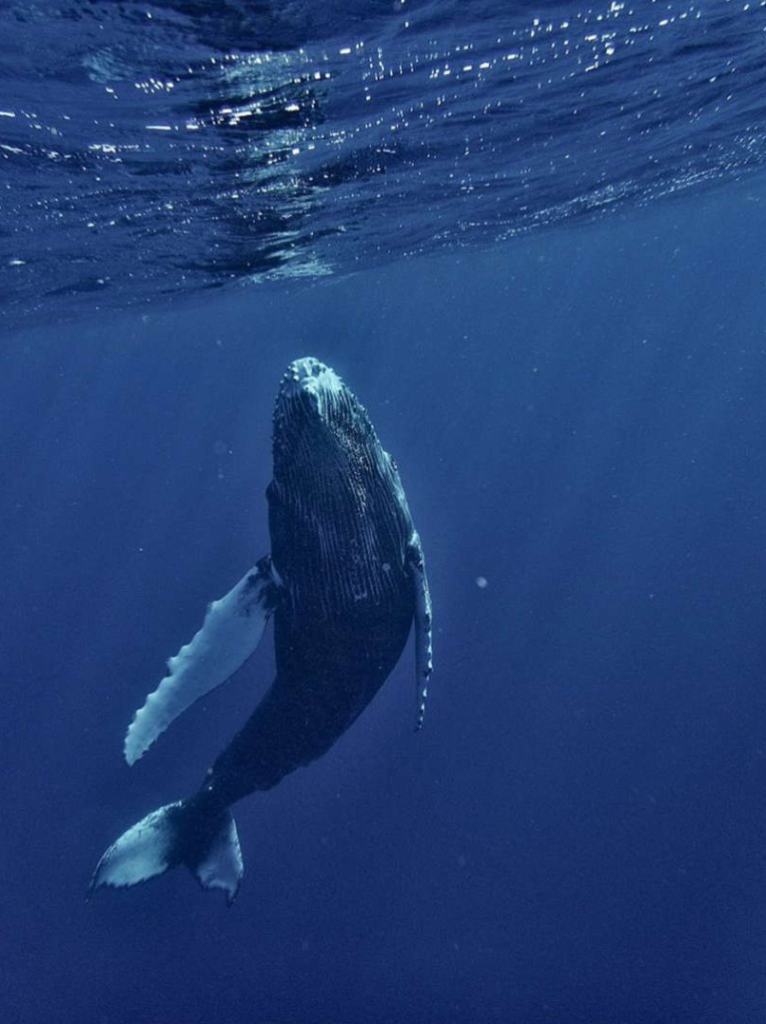
Blue whales once lived in large numbers across many oceans. In the 1900s, commercial whaling reduced their population sharply. Their size made them a target because one whale provided huge amounts of oil and meat. Many populations crashed before international protections were created.
Today, blue whales are protected, but they are still endangered. They face risks from ship strikes, ocean noise, climate change, and changes in krill populations. Scientists say protecting krill is also important because blue whales depend on those tiny animals for survival. Without healthy krill populations, the world’s largest animal cannot thrive.
Leave a Reply