
A peaceful day of fishing took an unexpected turn when anglers noticed a massive fish lurking just beneath the surface of a quiet pond. At first, it appeared to be watching the ducks paddling overhead. Moments later, the hidden predator revealed just how powerful large freshwater fish can be.
The encounter offered a dramatic reminder that even calm-looking ponds can hide formidable hunters.
Something unusual beneath the surface

The anglers first spotted a large shadow moving slowly through the water. Instead of chasing smaller fish, the predator appeared to be following ducks swimming near the shoreline.
As the fish moved closer, it became clear that this was no ordinary catch.
Can fish really eat ducks?

Although uncommon, some of the world’s largest freshwater fish can capture waterfowl. Giant European catfish have been documented swallowing ducks, while scientists have also recorded them lunging from shallow water to catch pigeons resting on riverbanks.
These attacks are opportunistic rather than a normal feeding strategy.
Built to ambush prey
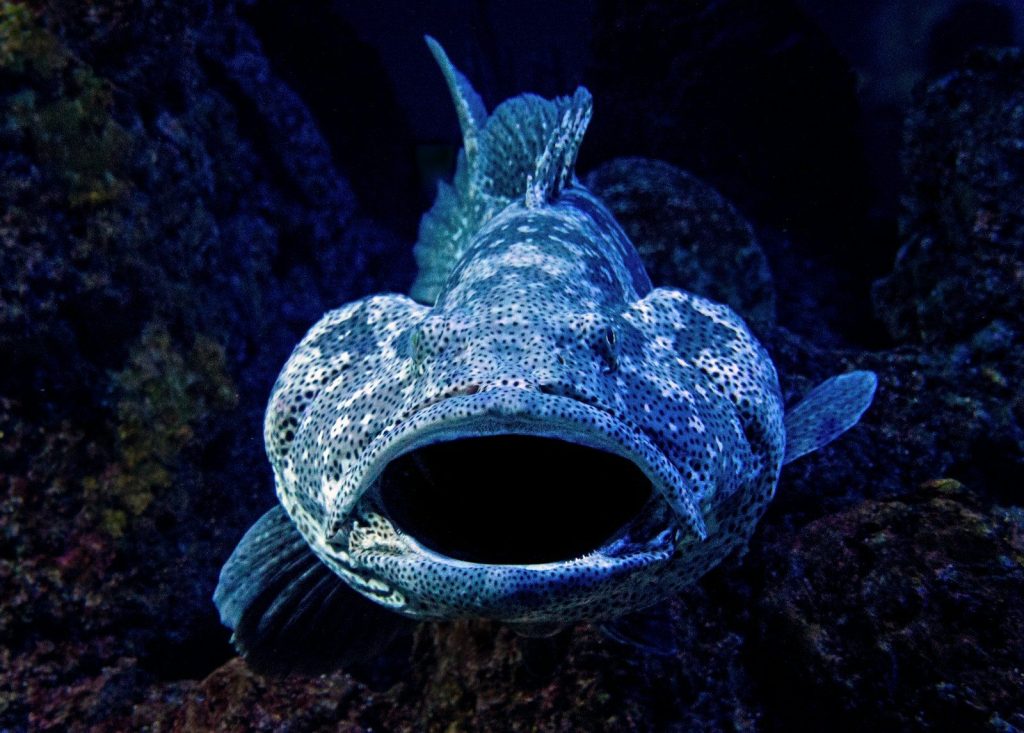
Large predatory fish rely on patience instead of speed. By remaining nearly motionless beneath the surface, they can surprise prey that ventures too close.
When the opportunity appears, they generate powerful bursts of acceleration that leave little time for escape.
Why giant catfish become top predators
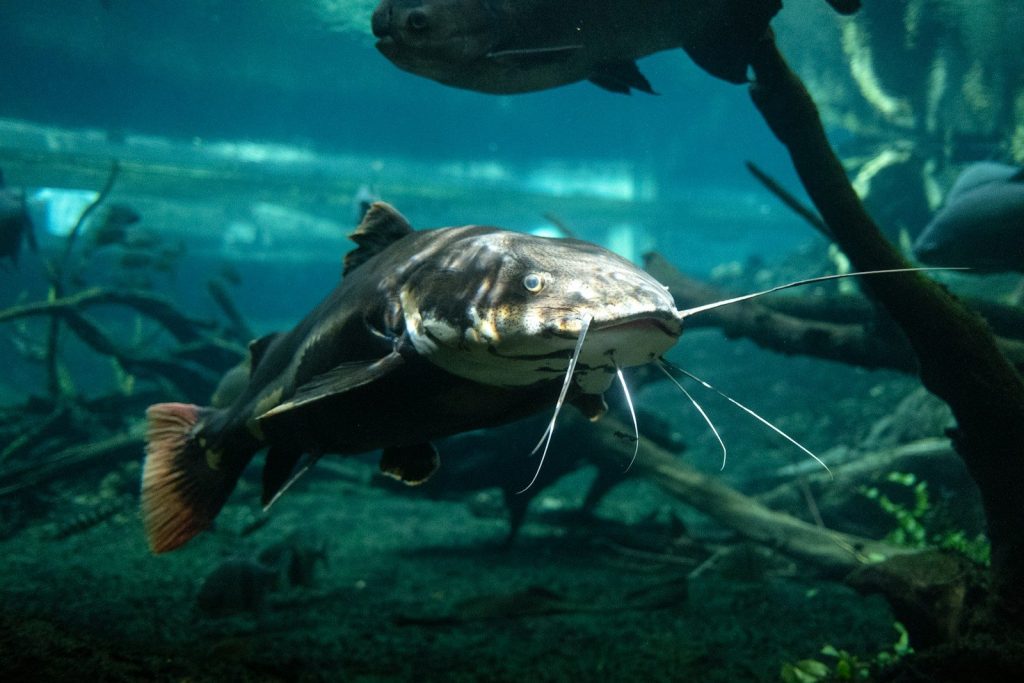
European catfish are among the largest freshwater fish in the world, with exceptional individuals exceeding 8 feet (2.5 meters) in length and weighing more than 250 pounds (113 kilograms). Their broad diet includes fish, crustaceans, amphibians, birds, and occasionally small mammals.
Most of their meals, however, consist of fish rather than large birds.
Nature’s opportunistic hunters
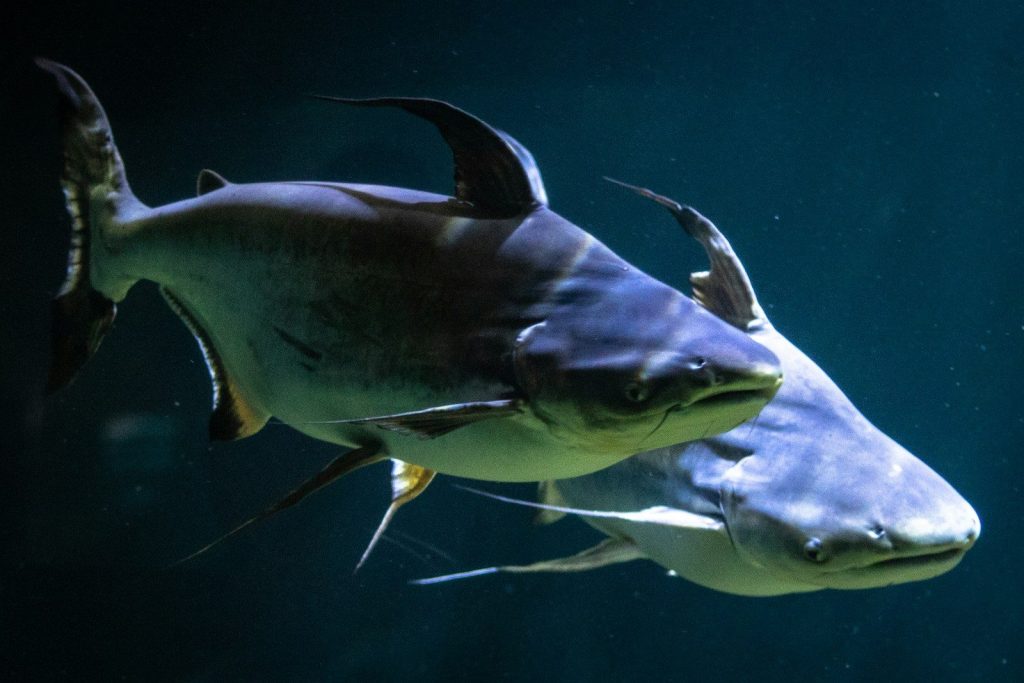
Wild predators rarely ignore an easy meal. Ducks, injured animals, or prey distracted at the water’s surface may occasionally become targets for unusually large fish.
Such encounters are rare, but they demonstrate how adaptable freshwater predators can be when food opportunities arise.
A reminder that ponds hide powerful wildlife
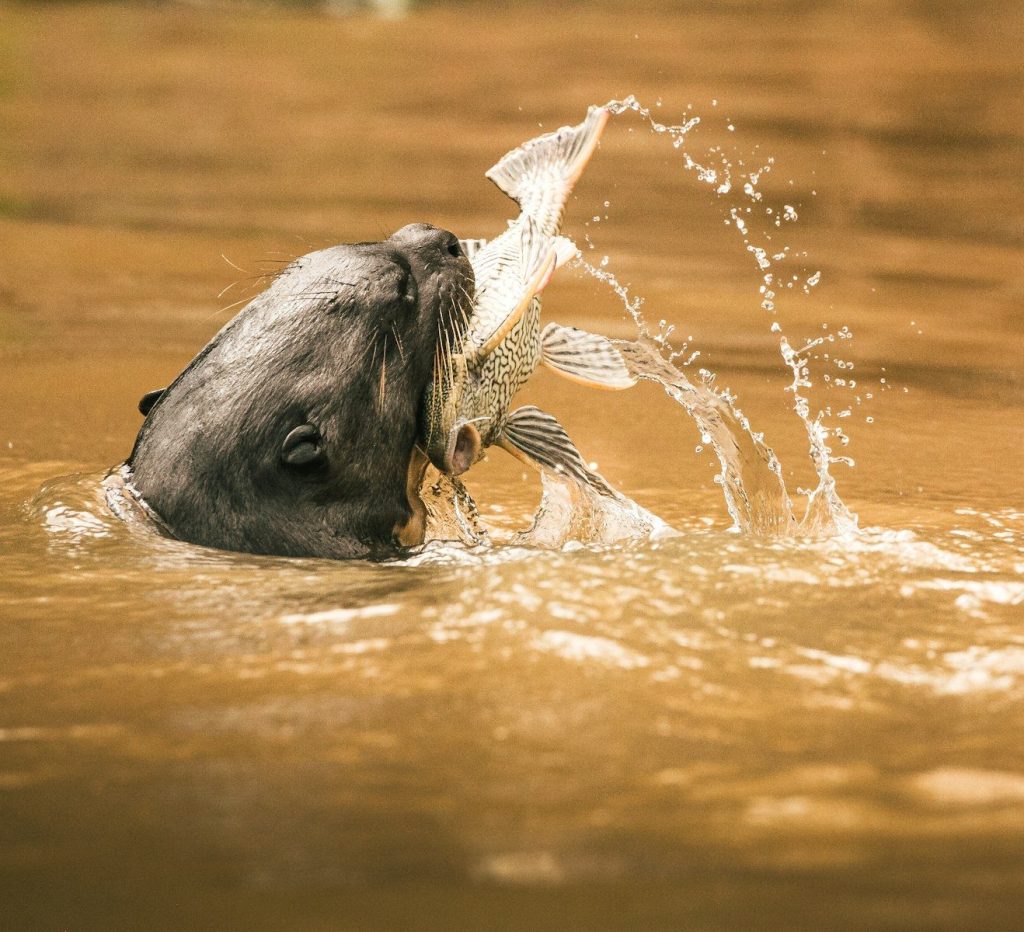
Most freshwater ponds are perfectly safe places for wildlife and anglers. Still, large predatory fish can occupy surprisingly small bodies of water when food is abundant.
The encounter served as a reminder that even familiar environments can contain remarkable and unexpected predators.
Featured Image: Photo by Chandler Cruttenden on Unsplash
Leave a Reply