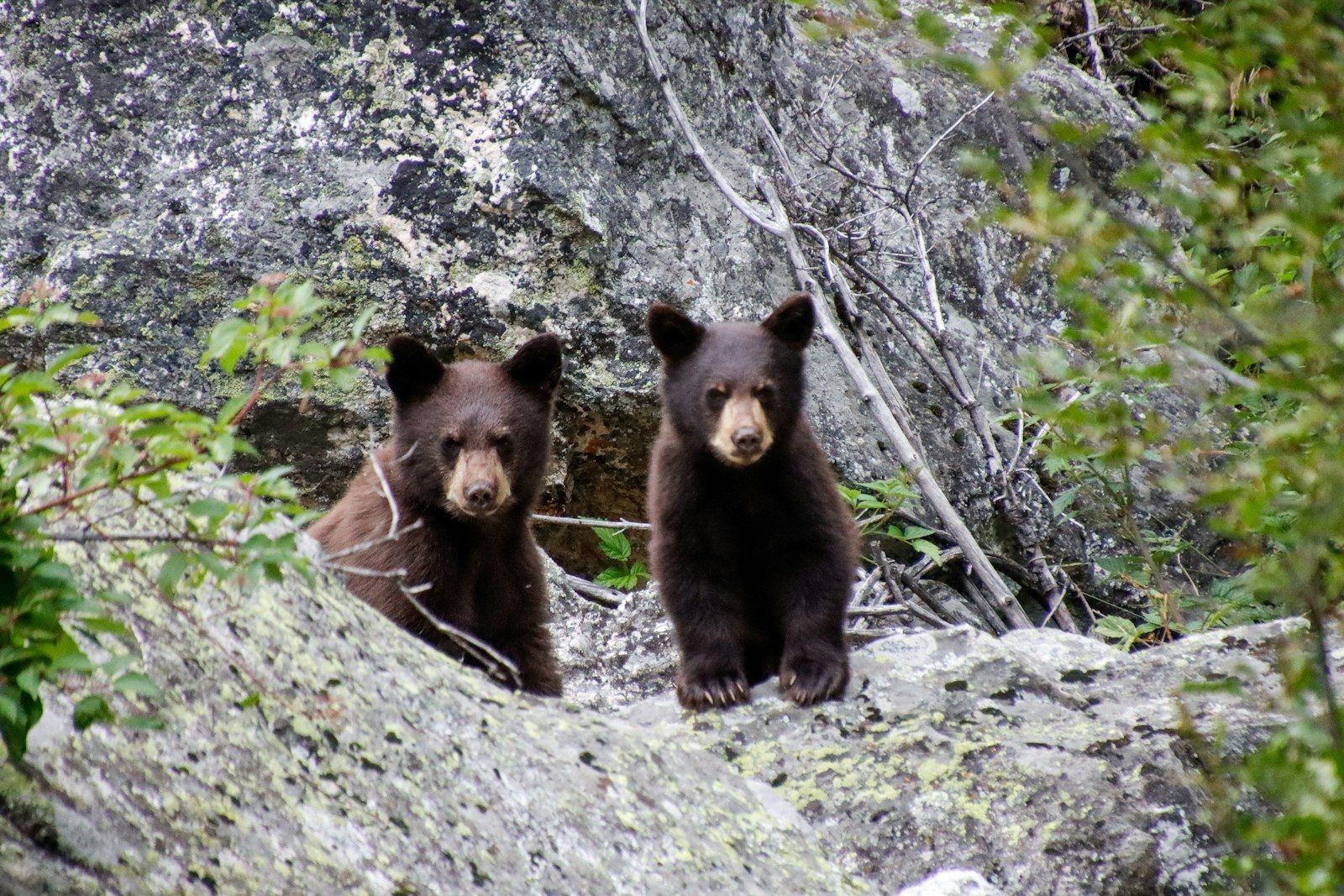
Orphaned grizzly bear cubs in British Columbia were given generous amounts of food during rehabilitation before being released back into the wild. But a new study suggests that giving the young bears too much food may have actually made survival harder.
The cubs were fed roadkill, watermelon, dog food and snacks donated by members of the public. Their contact with humans was kept to just two carers, and some spent up to a year in rehabilitation before being returned to the wild.
Researchers found a troubling pattern
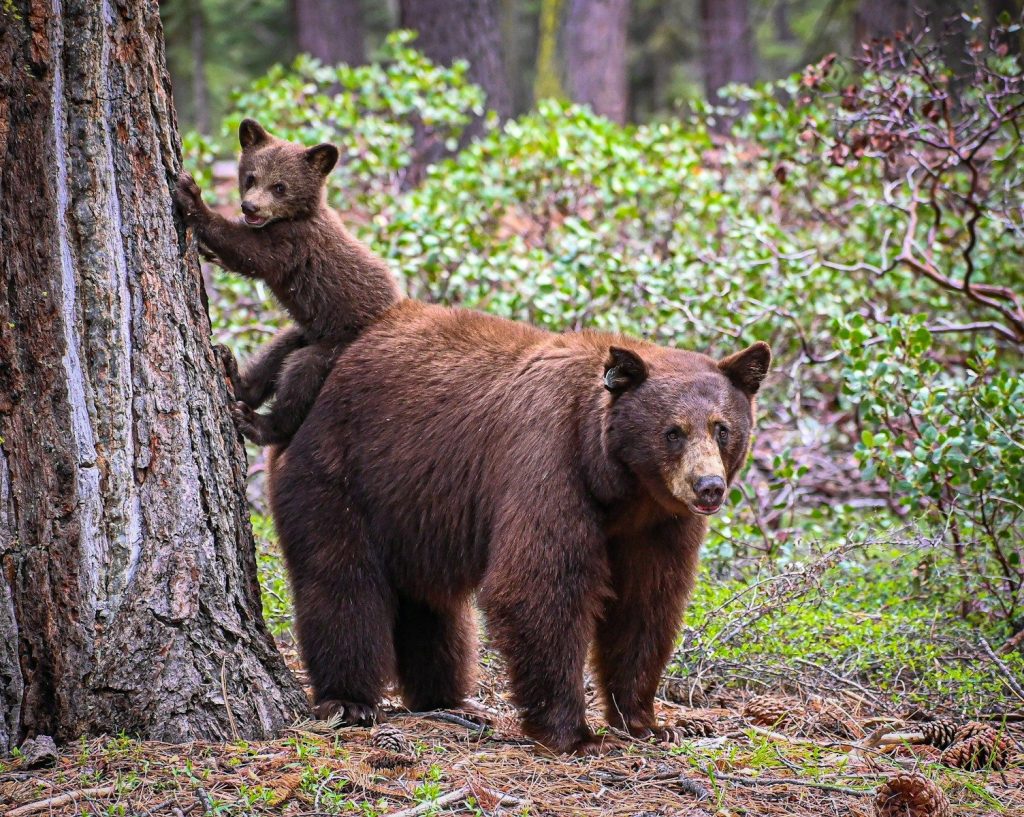
Dr Lana M. Ciarniello, a bear specialist, studied what happened to 12 rehabilitated grizzly bears after their release.
The results were surprising. All but two of the bears that could be monitored died within a year, with most dying before their first winter hibernation.
The findings suggest that some of the bears may have been unintentionally prepared for a life they could not handle once they were back in the wild.
The bears grew much larger than wild cubs
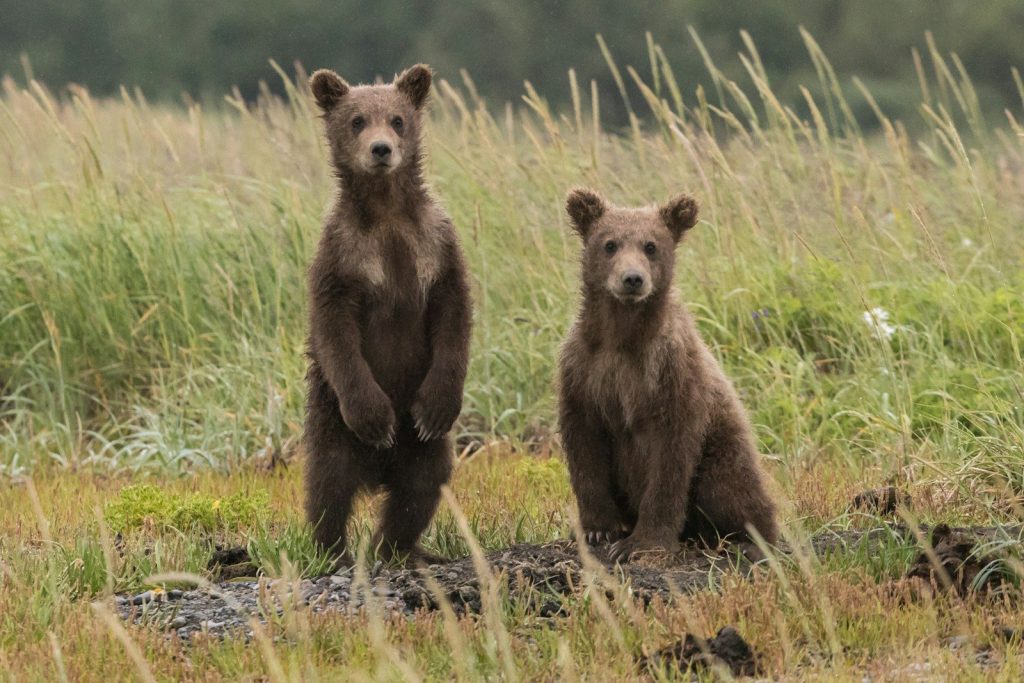
The rehabilitated bears became about 3.5 times the size of typical wild-reared yearlings.
Their larger bodies were not simply a sign that the bears were healthy. Researchers found that their body length, chest girth and neck circumference had all increased significantly.
The problem was that such large bodies required enormous amounts of food to maintain.
Too much food may have created a metabolic trap
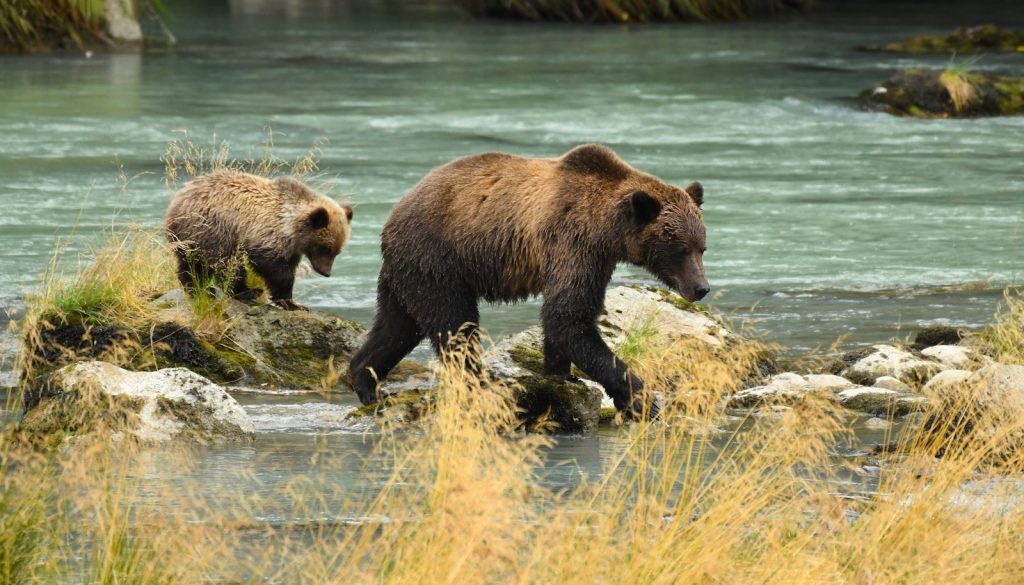
Ciarniello described the situation as a “metabolic trap.” Once the bears developed larger frames, they needed more calories to survive.
Two female bears released in areas without access to salmon lost an average of 0.48kg each day. Even bears released in areas with abundant food struggled to consume enough calories.
Researchers believe a moderate weight advantage can help rehabilitated bears survive, but making them excessively large may have the opposite effect.
Some bears still associated humans with food
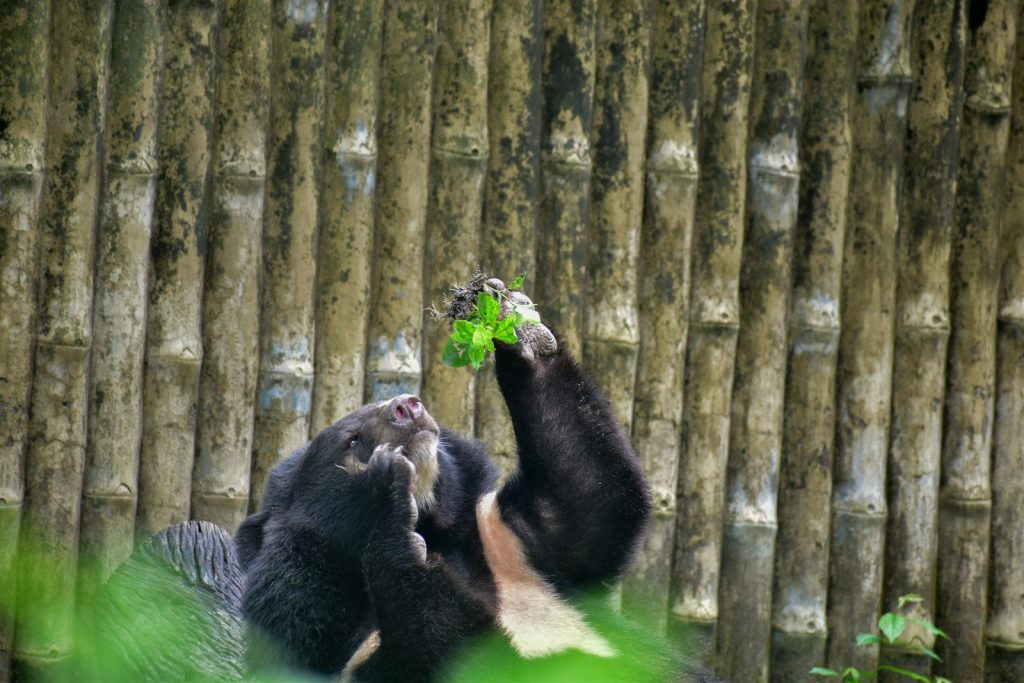
Food was not the only concern.
Despite efforts to limit human contact, some bears continued to associate people with food after their release.
One female named Siggi spent 59 days in a remote alpine area before encountering workers at a mine. She raided their food supplies and was eventually killed following the human-wildlife conflict.
Five of the monitored bears died in conflicts with humans, while others were illegally killed or killed by wild bears.
Rehabilitating orphaned bears remains difficult
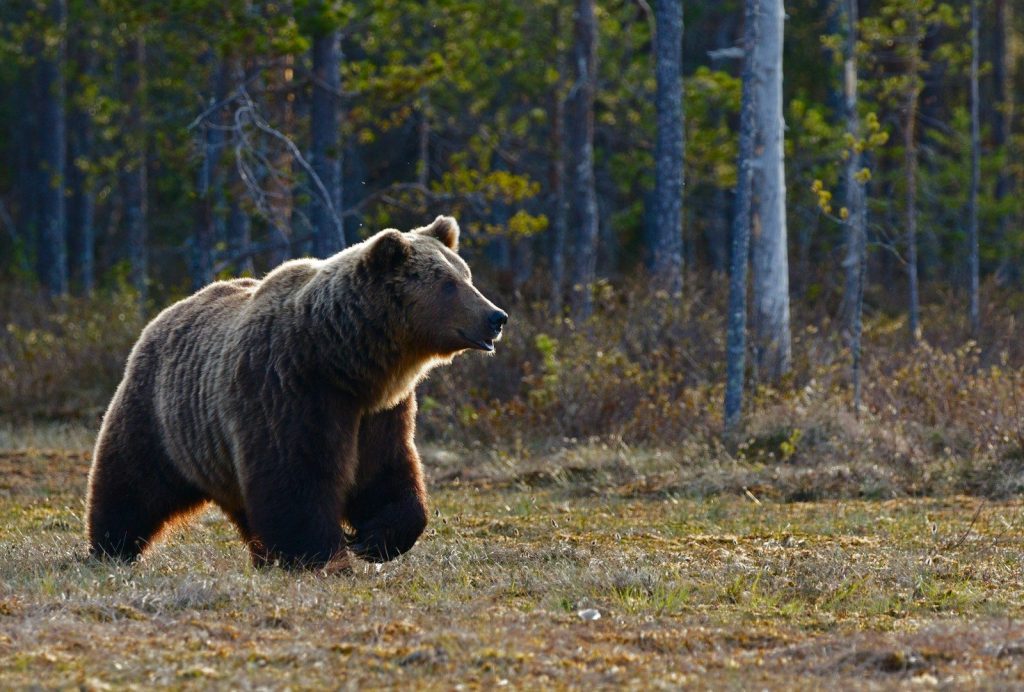
Experts say mother bears teach their cubs far more than simply how to find food. Cubs learn what to eat, where to search for seasonal food and which dangers to avoid during years spent with their mothers.
That makes replacing maternal care extremely difficult.
Researchers now believe rehabilitation programs should keep human contact and direct feeding as limited as possible. Some programs elsewhere have experimented with methods such as catapults to deliver food and remote systems to monitor animals.
The study does not suggest that orphaned bears should never be released. Instead, it highlights how much more researchers need to learn about preparing them for life in the wild.
For threatened bear populations, finding a way to successfully rehabilitate orphaned cubs could become an important conservation tool.
Featured Image: Photo by Alla Kemelmakher on Unsplash
Leave a Reply