Category: News

  • This North Carolina rescue cares for up to eight orphaned fawns a day

    This North Carolina rescue cares for up to eight orphaned fawns a day

    Every spring and summer, wildlife rescue centers face their busiest time of year as young animals arrive in need of help. At Holly’s Nest Animal Rescue in Sanford, North Carolina, that challenge becomes especially intense during deer season. While many people may only see a few fawns each year, Byron and Kim Wortham can receive several new arrivals every day.

    Most of these young deer have lost their mothers in vehicle accidents and have nowhere else to go. Through patience, dedication, and compassion, the couple provides a safe place for orphaned wildlife to recover before returning to the wild where they belong.

    Deer season brings a flood of rescues
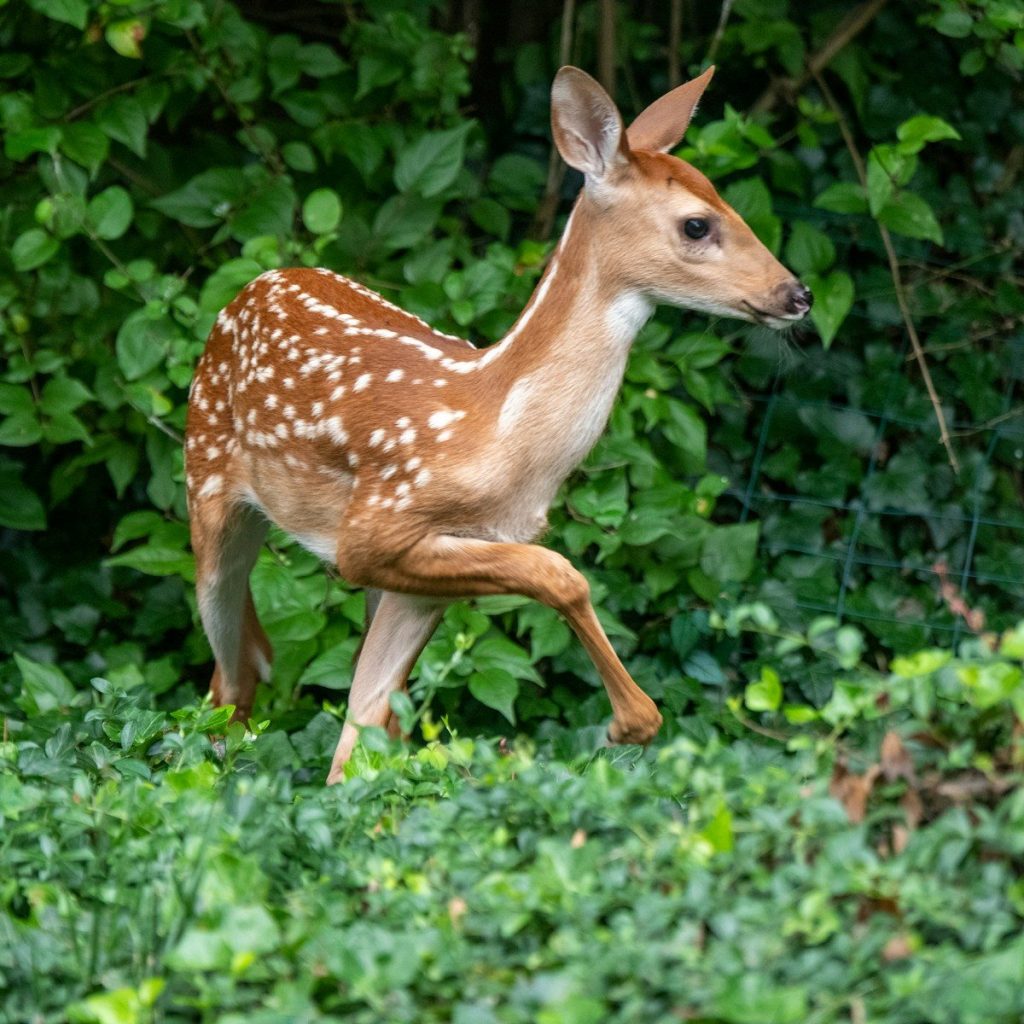
    brown deer beside plants
    Photo by Scott Carroll on Unsplash

    As peak deer season arrives, Holly’s Nest Animal Rescue becomes busier than ever. The rescue can take in between five and eight fawns each day, many of them orphaned after their mothers were struck by vehicles.

    The Worthams care for these vulnerable animals on their 12-acre property outside Sanford. Their facility is considered the largest deer rehabilitation center in North Carolina and helps an average of 150 deer every year.

    Caring for young fawns requires constant work
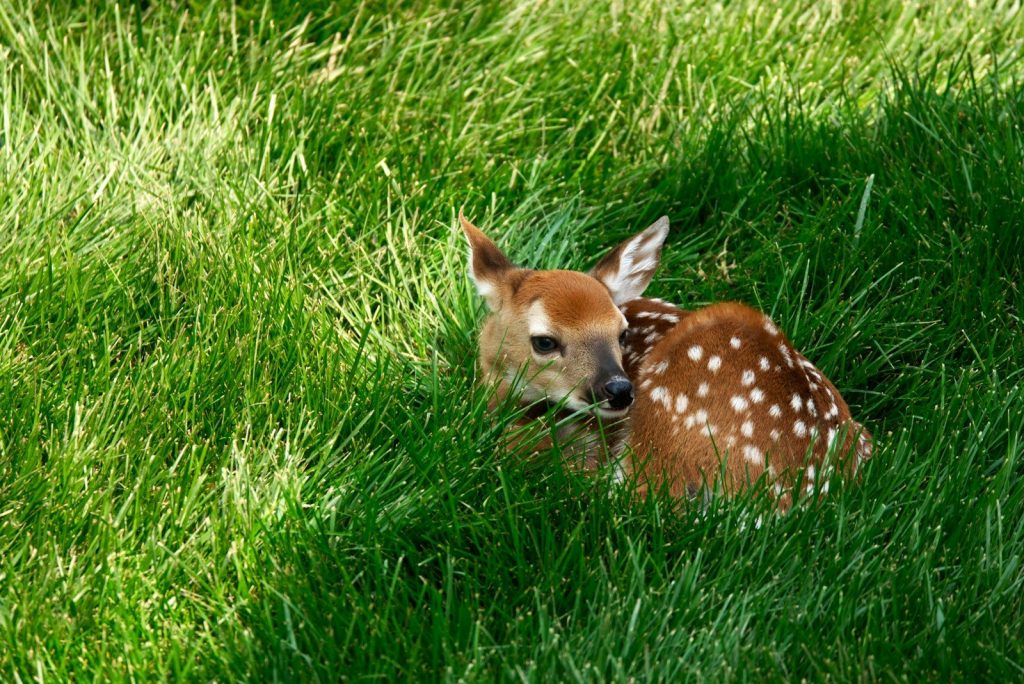
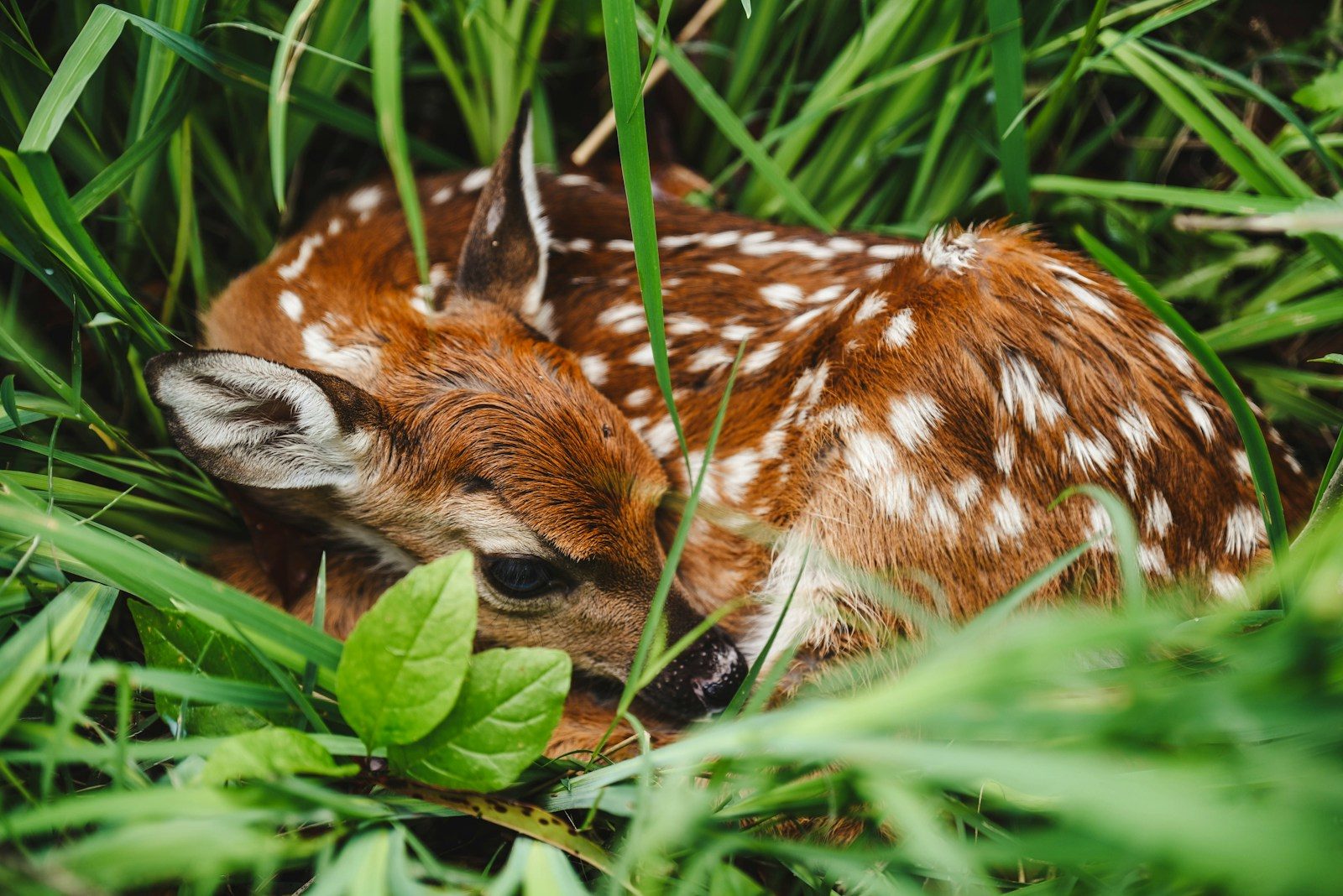
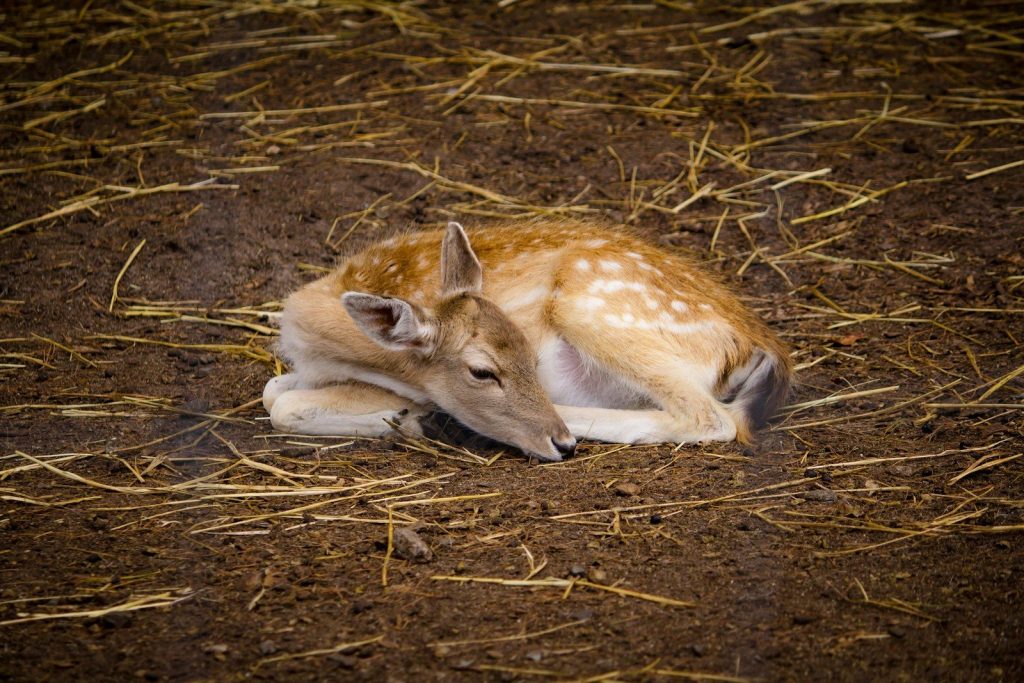
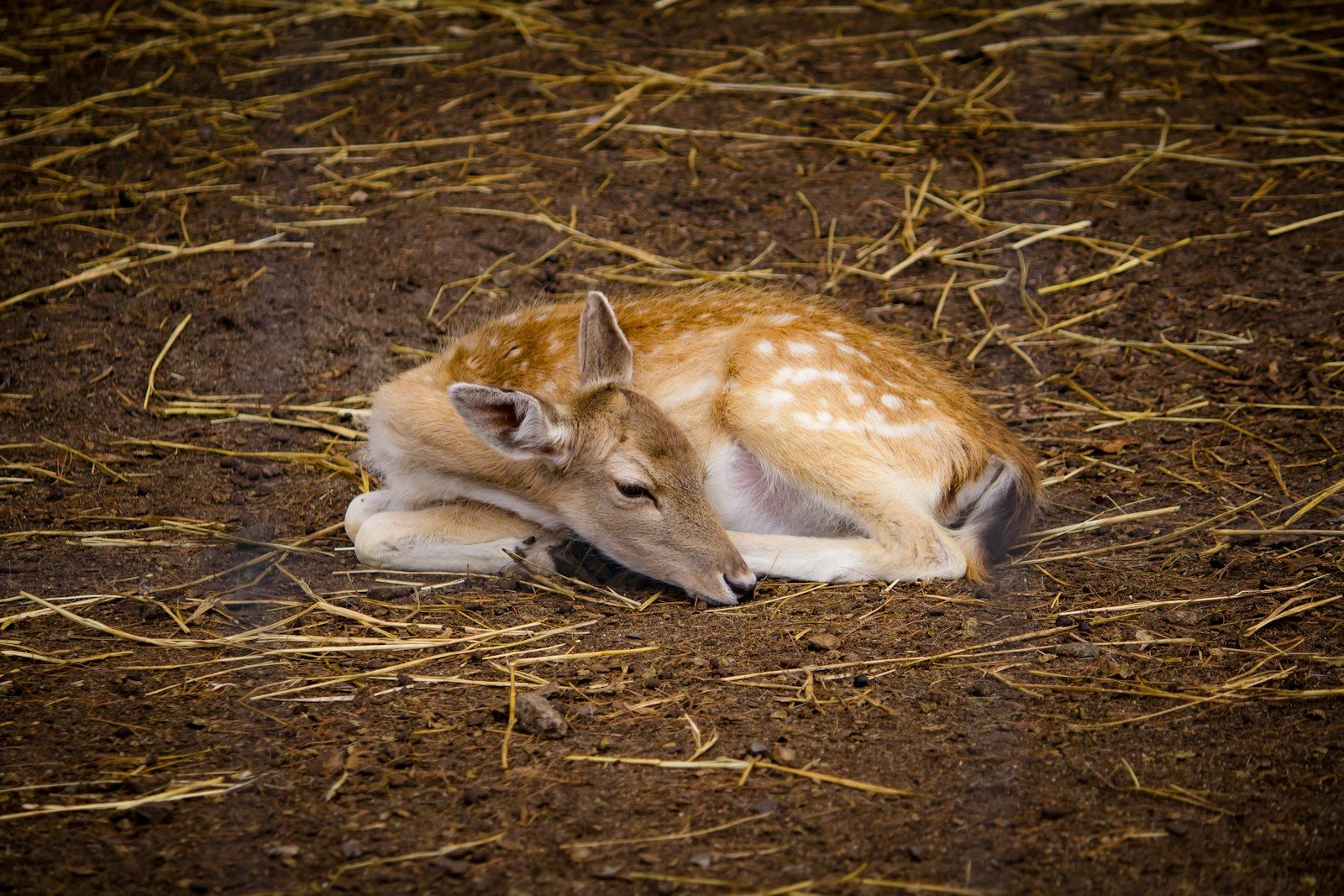
    A fawn rests peacefully in the grass.
    Photo by Nick Rizkallah on Unsplash

    Many of the rescued fawns arrive in heartbreaking condition. Some were born after their mothers were killed, while others continued trying to nurse even after losing their parents.

    Feeding the growing number of deer is a major responsibility. Byron Wortham estimates that by the end of June, he could be preparing around 100 baby bottles for the fawns at each feeding session, and repeating the process twice a day.

    A rescue home filled with many animals
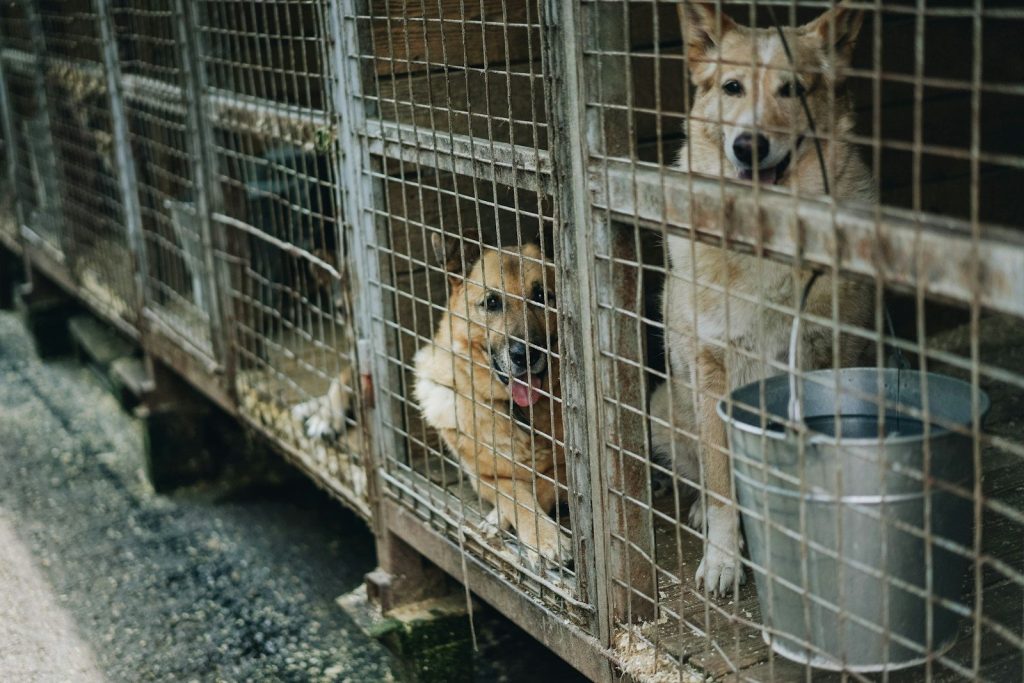
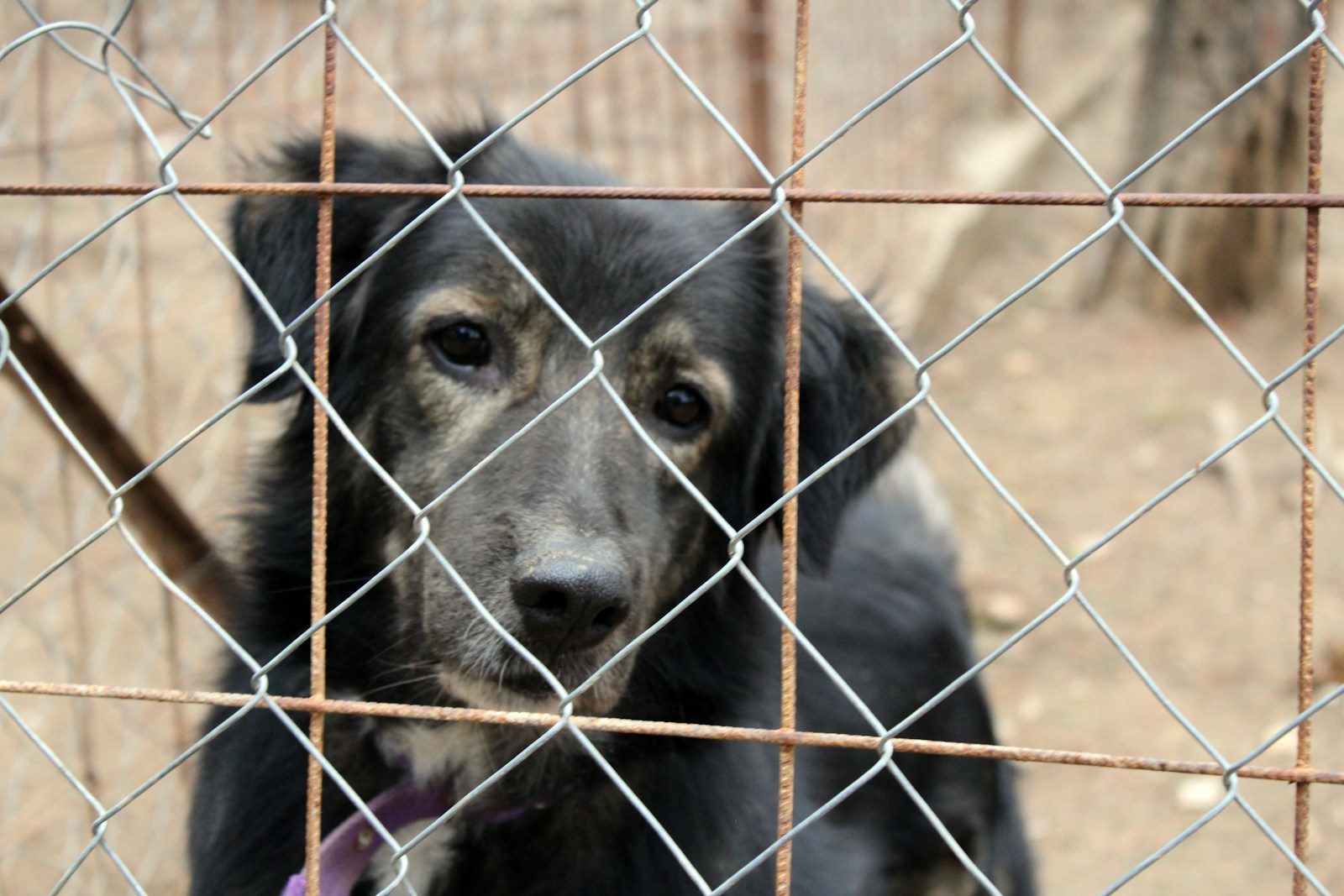
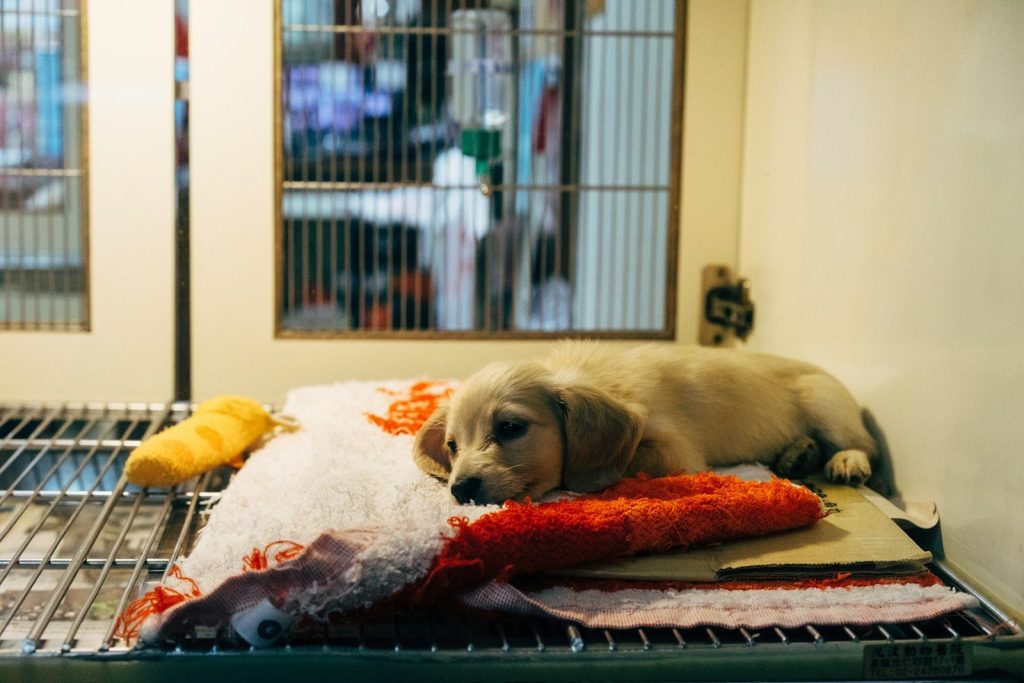
    dogs inside cages
    Photo by Sasha Sashina on Unsplash

    Although deer are a major focus, Holly’s Nest cares for a wide variety of wildlife. The rescue is home to animals ranging from baby beavers and skunks to foxes, raccoons, owls, and opossums.

    Each animal receives specialized care based on its needs. The property includes unique residents such as a one-legged duck nicknamed Pogo Stick, a barn owl named Arthur, and two macaws named Jimmy Buffet and Bruce Springsteen.

    Helping wildlife affected by human activity
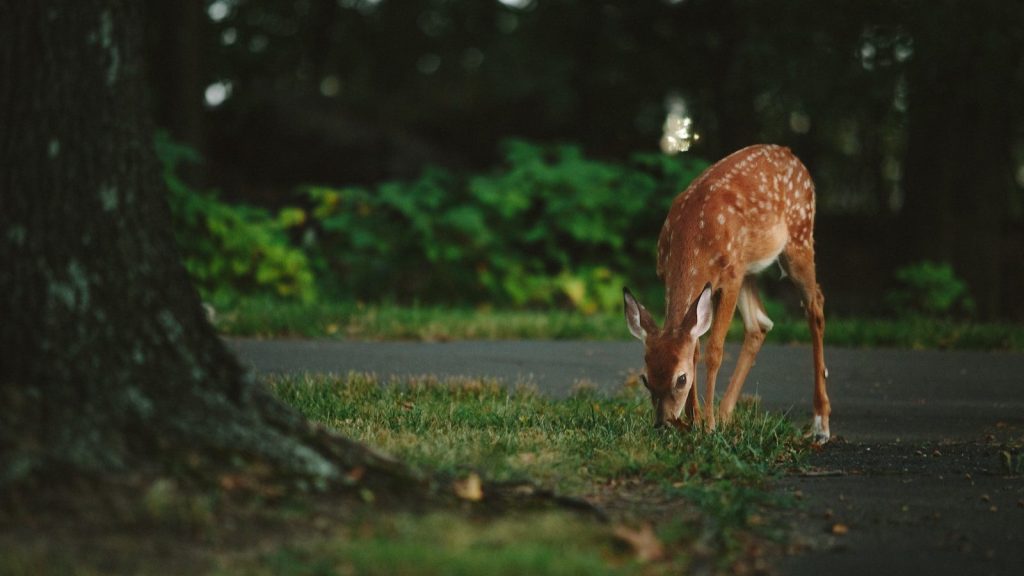
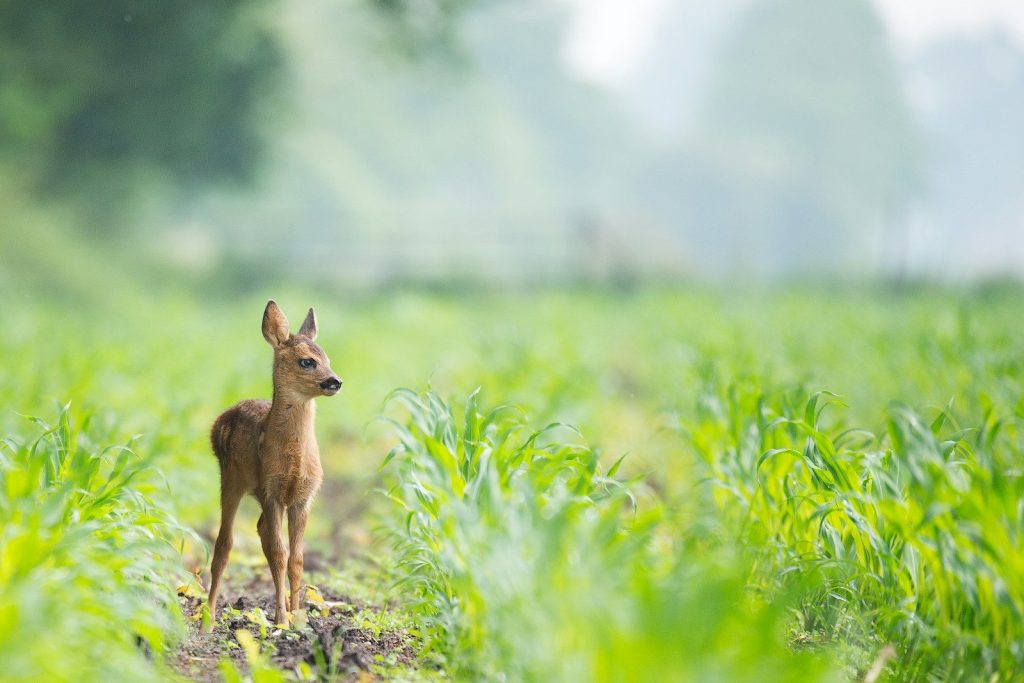
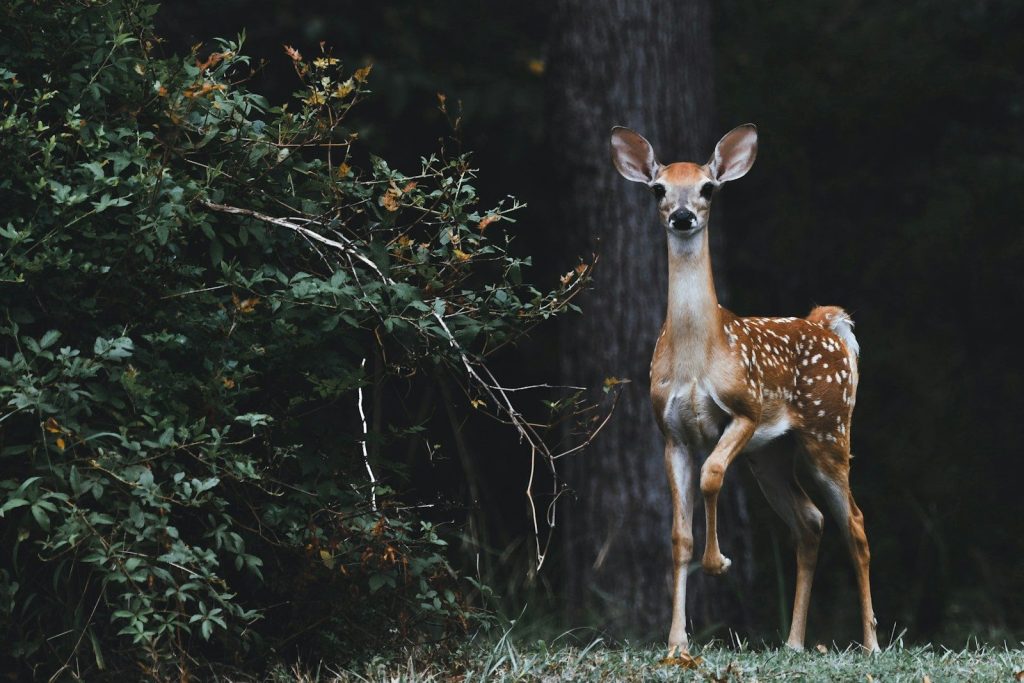
    brown deer standing near tree
    Photo by Vladimir Kudinov on Unsplash

    Byron Wortham believes that many wildlife emergencies are connected to human activity. From vehicle collisions to habitat disruption, animals often suffer because of changes to their environment.

    He encourages people to view wildlife with compassion rather than frustration. While some residents complain about deer damaging plants or appearing near roads, Wortham believes humans have a responsibility to help animals whenever possible.

    A mission inspired by family and loss
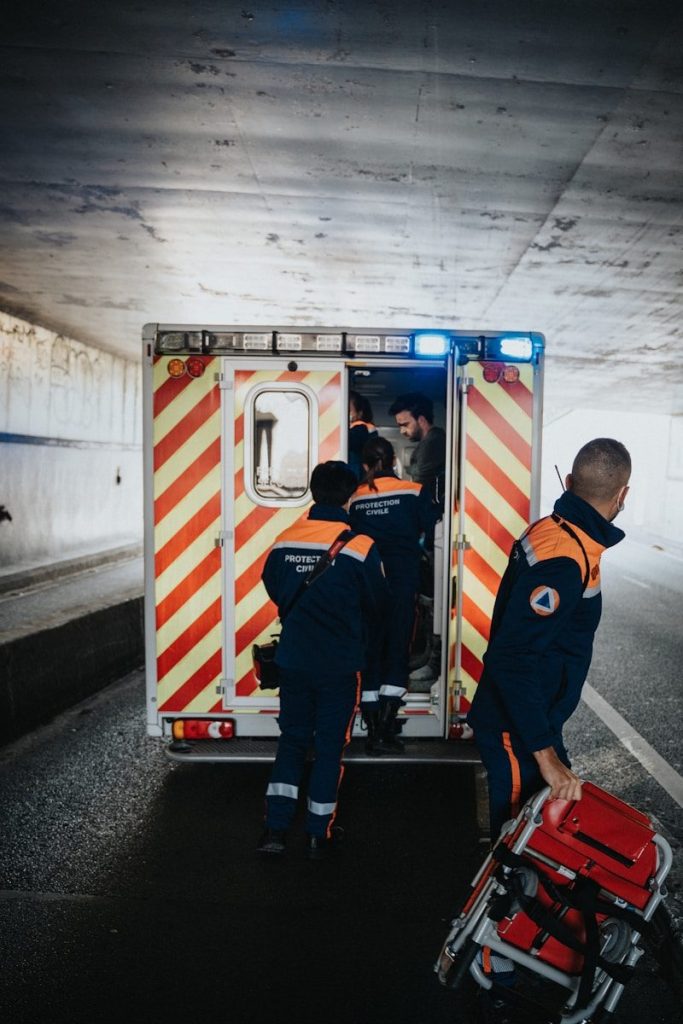
    a couple of men standing next to an ambulance
    Photo by Mathurin NAPOLY / matnapo on Unsplash

    The rescue carries deep personal meaning for Byron and Kim Wortham. In 2004, they lost their 18-year-old daughter, Holly, in a car accident, a tragedy that changed their lives forever.

    Holly loved animals, and the rescue was created to honor her memory. Through their work, the Worthams have transformed personal grief into a mission to help injured, orphaned, and displaced wildlife.

    Giving wild animals a future
    brown and black cat on green grass field during daytime
    Photo by Lori Ayre on Unsplash

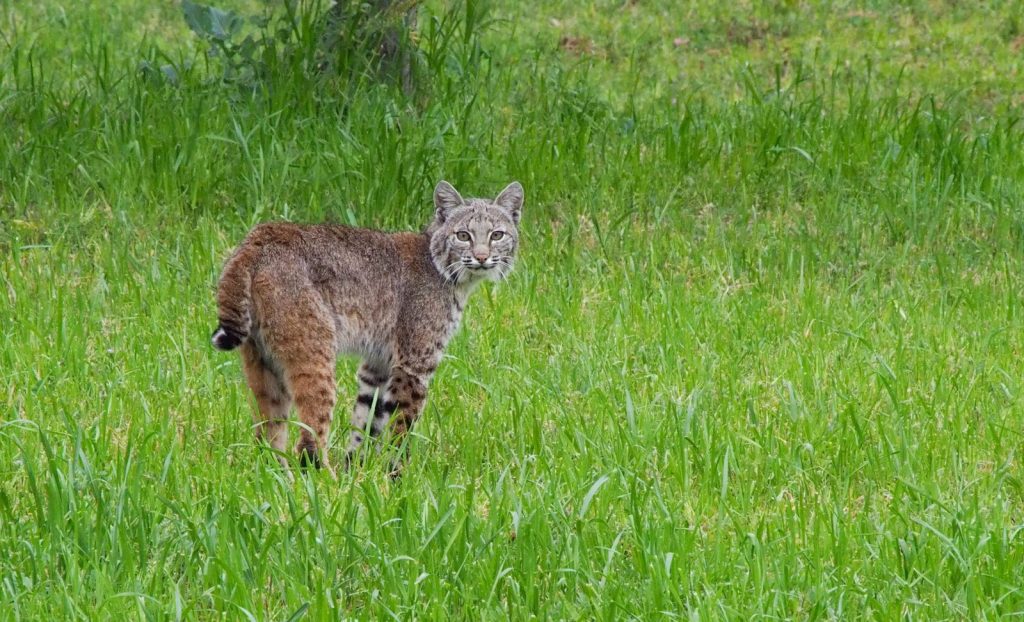
    Unlike dogs and cats, most of the animals cared for at Holly’s Nest are not available for adoption. The goal is to rehabilitate them and eventually release them back into natural habitats where they can thrive.

    Support from donors and conservation partners helps make those releases possible. Large protected areas are used to return animals safely to the wild, allowing them to continue living as nature intended.
  • Stray mama dog shields her puppy from the Texas freeze until rescuers arrive

    Stray mama dog shields her puppy from the Texas freeze until rescuers arrive

    When a historic cold front swept across Texas, many people focused on protecting their families from the freezing temperatures. But for animal rescuers, another concern weighed heavily on their minds. Countless stray dogs were left outside with no shelter from the dangerous weather.

    During one rescue mission, volunteers discovered a heartbreaking scene that quickly captured the attention of animal lovers across the country. An extremely thin mother dog was found curled around her puppy, using her own body to keep him warm. Their rescue marked the beginning of an incredible journey from survival on the streets to the hope of a better future.

    A rescue mission during dangerous weather

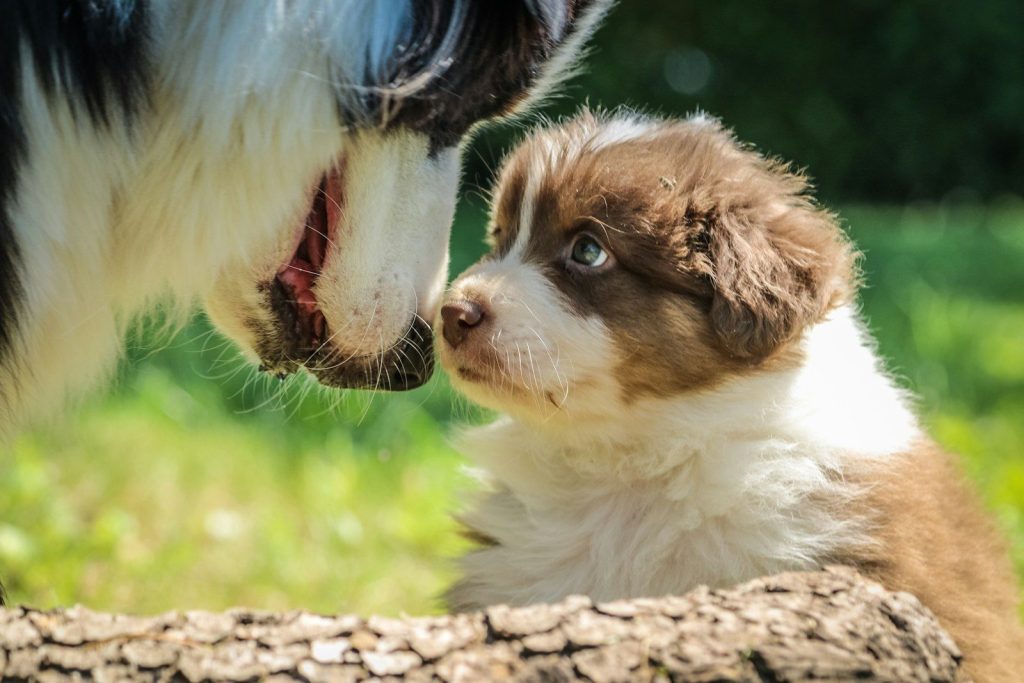
    puppy lying with dog
    Photo by Kaemmon – on Unsplash

    As freezing temperatures spread across Texas, independent rescuers worked tirelessly to help homeless animals. Among them was Zuly Ventura Vasquez, who spent her time searching for stray dogs that might not survive the harsh conditions.

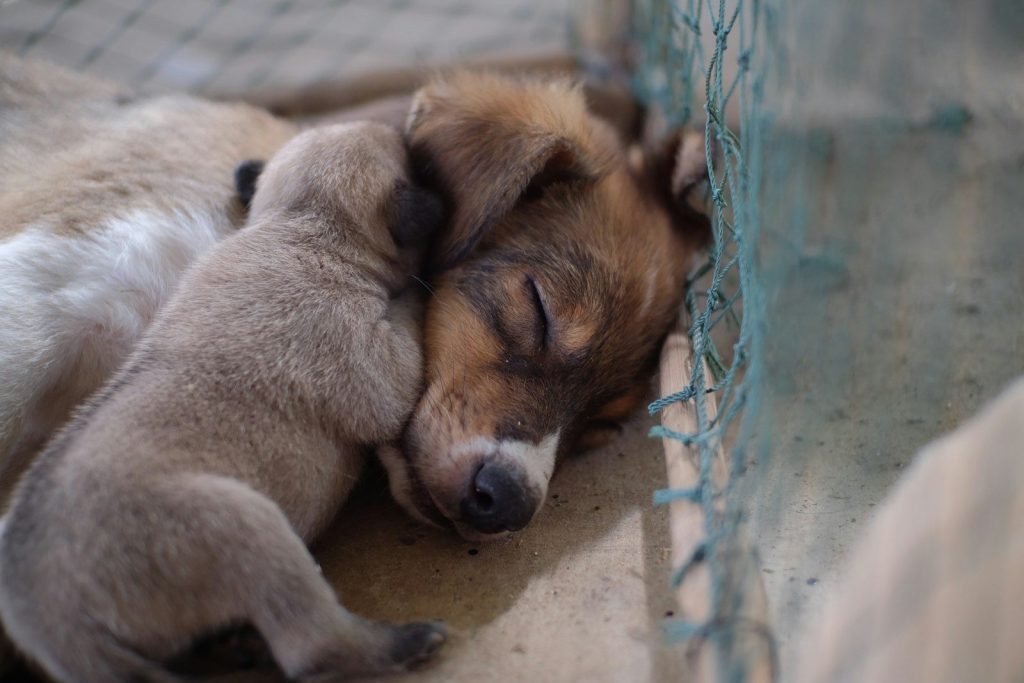
    During one of these rescue efforts, Vasquez came across a sight she could not ignore. A severely underweight mother dog was wrapped tightly around her puppy, shielding him from the cold and doing everything possible to keep him safe.

    A mother protecting her puppy

    shallow focus photography of short-coated brown and white puppy
    Photo by Jametlene Reskp on Unsplash

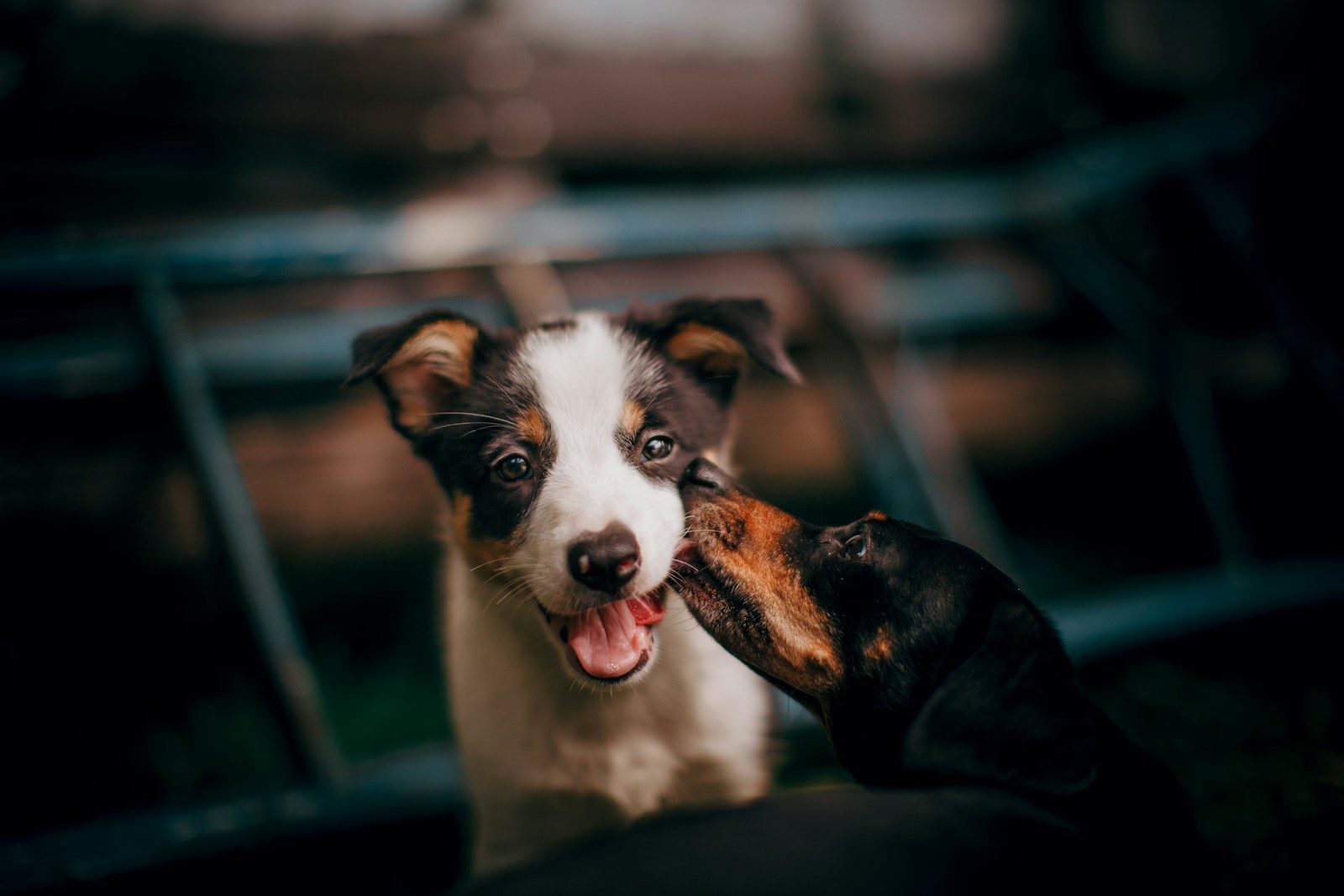
    The mother dog, later named Leia, was found curled around her white puppy, who would later be named Luke. Despite her own poor condition, Leia appeared focused on protecting her young pup from the freezing weather.

    Those who saw the scene immediately understood how serious the situation was. Leia was extremely thin, and rescuers feared that neither she nor Luke would survive if they remained outside much longer.

    Help arrives just in time

    Fire truck with flashing lights at sunset
    Photo by Paul Wuthrich on Unsplash

    After discovering the pair, Vasquez quickly contacted Houston K-911 Rescue. The rescue organization agreed to take both dogs and provide the care they urgently needed.
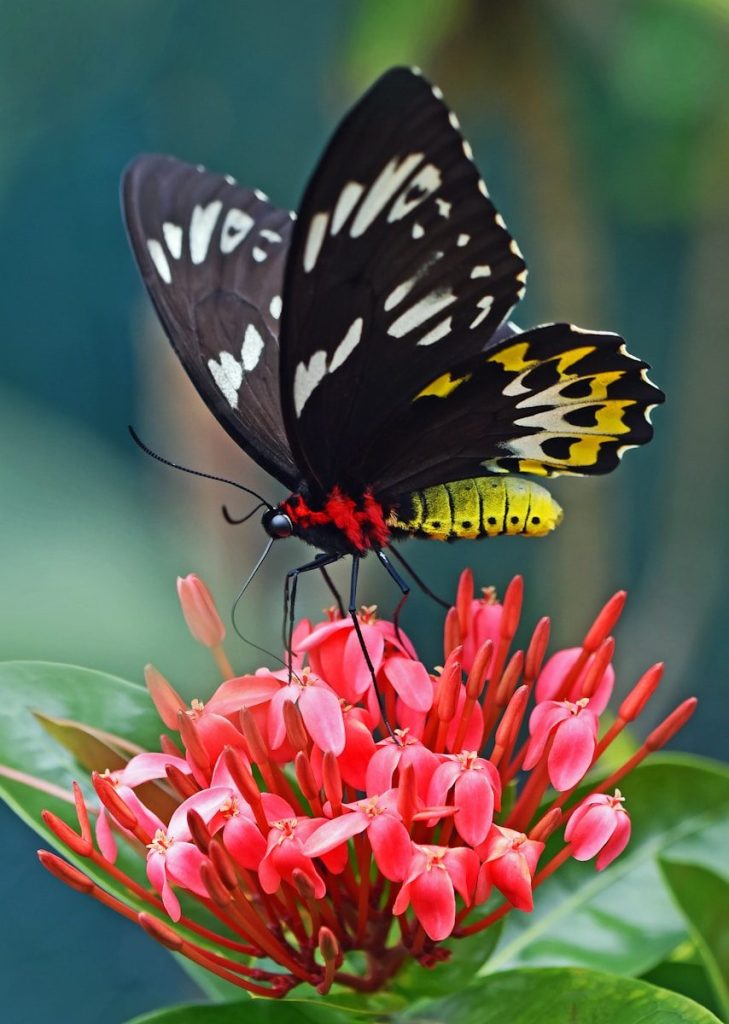
    Once safe, it became clear that Leia had been doing everything she could to care for Luke while living on the streets. The emotional photograph of the mother protecting her puppy soon spread online, touching people across the country.

    A new opportunity in Colorado

    selective focus photography of three brown puppies
    Photo by Anoir Chafik on Unsplash

    The story eventually reached a Colorado-based organization called Up Pup and Away. Moved by the image of Leia and Luke, the group offered to transfer them from Texas to Colorado and help them find permanent homes.

    After Leia received treatment for heartworm, the pair made the journey north. Since Luke was old enough to live independently, he and his mother were placed in separate foster homes where they could begin adjusting to a new life.

    Luke finds a forever family

    four assorted-color adult dogs
    Photo by Tatiana Rodriguez on Unsplash

    Luke’s foster family quickly fell in love with him. It did not take long for them to decide that they wanted him to become a permanent member of their household.

    His adoption marked a happy ending for the puppy who once depended entirely on his mother’s protection to survive. Luke now has the stable and loving home every rescue dog deserves.

    Leia continues her journey toward a forever home

    medium short-coated white dog
    Photo by leonides ruvalcabar on Unsplash

    Leia first went to foster caregiver Tory Shulman, who immediately saw how sweet and gentle the dog was despite her difficult past. Over time, Leia gained weight, became more confident, and learned to enjoy apartment living.

    Today, Leia remains in a foster home while waiting for the right family to adopt her. Although she is still learning to socialize with other dogs, those who know her describe her as loving, resilient, and deeply grateful for the warmth and security she now enjoys.

  • Abandoned dog came running when rescuers called her name

    Abandoned dog came running when rescuers called her name

    What would a dog do after being abandoned by the people she trusted? For one recently adopted dog, the answer surprised rescuers. Left alone in a wooded area just days after finding what should have been her forever home, the frightened dog faced an uncertain future.

    Yet when rescue workers searched for her, one familiar sound changed everything. Hearing her name being called, she ran toward the people looking for her. The emotional rescue highlights the strong bond dogs can form with humans and shows how compassion and persistence can help animals get a second chance at life.

    A promising new start suddenly ended

    a dog running through a field of yellow flowers
    Photo by Rafaëlla Waasdorp on Unsplash

    The dog’s story became especially sad because she had been adopted recently. What should have been the beginning of a happy new chapter quickly turned into another difficult experience.

    Only days after leaving the shelter, she was reportedly abandoned in a wooded area. For many shelter dogs, adoption marks the end of uncertainty. In this case, it became the start of another challenge.

    Rescue teams began searching for her

    Firefighter in helmet sits on a ladder truck.
    Photo by Ryleigh Henschen on Unsplash

    Finding a dog in a large outdoor area is often difficult. Frightened animals frequently hide in thick vegetation or continue moving through unfamiliar surroundings in search of safety.

    Rescuers knew they needed patience and determination. Search efforts often depend on understanding animal behavior and finding ways to make scared dogs feel comfortable enough to approach.

    One familiar word made all the difference

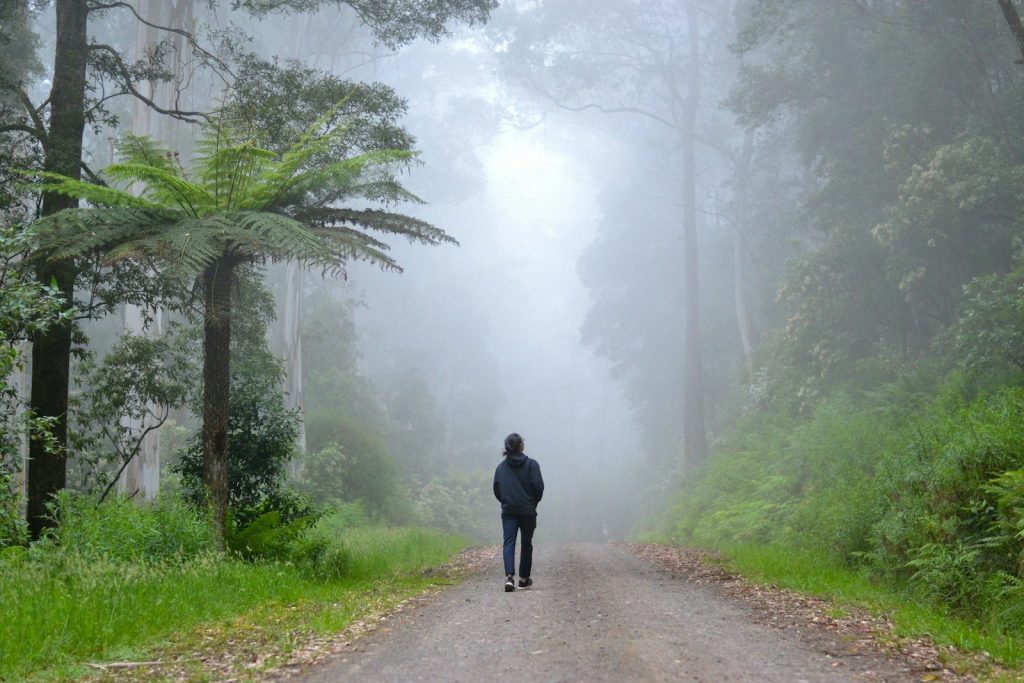
    person in black jacket walking on pathway between green trees during foggy weather
    Photo by jen ramona on Unsplash

    During the search, rescuers tried something simple but powerful. They began calling the dog’s name as they looked for her in the wooded area.

    Instead of running away, the dog responded immediately. Hearing her name appeared to break through her fear and confusion. She came running toward the people searching for her, allowing them to bring her to safety.

    Dogs form strong connections to voices

    person holding brown and white short coated dog
    Photo by Madeline Bowen on Unsplash

    Animal behavior experts have long observed that dogs can recognize familiar voices and words. Through daily interactions, dogs learn to associate certain sounds with comfort, attention, and positive experiences.

    A dog’s name often becomes one of the strongest signals in its life. Even during stressful situations, those learned connections can remain powerful. For this dog, hearing her name helped guide her back to safety.

    Recovery takes time and patience

    a small white and brown dog standing on top of a lush green field
    Photo by Thea Harrison on Unsplash

    Rescuing a dog is only the first step toward healing. Animals that experience abandonment or repeated changes in ownership often need time to rebuild trust and confidence.

    Rescue organizations work hard to provide stability through routine, care, and positive social interactions. Emotional recovery is just as important as meeting physical needs such as food, water, and shelter.

    A second chance at a better future

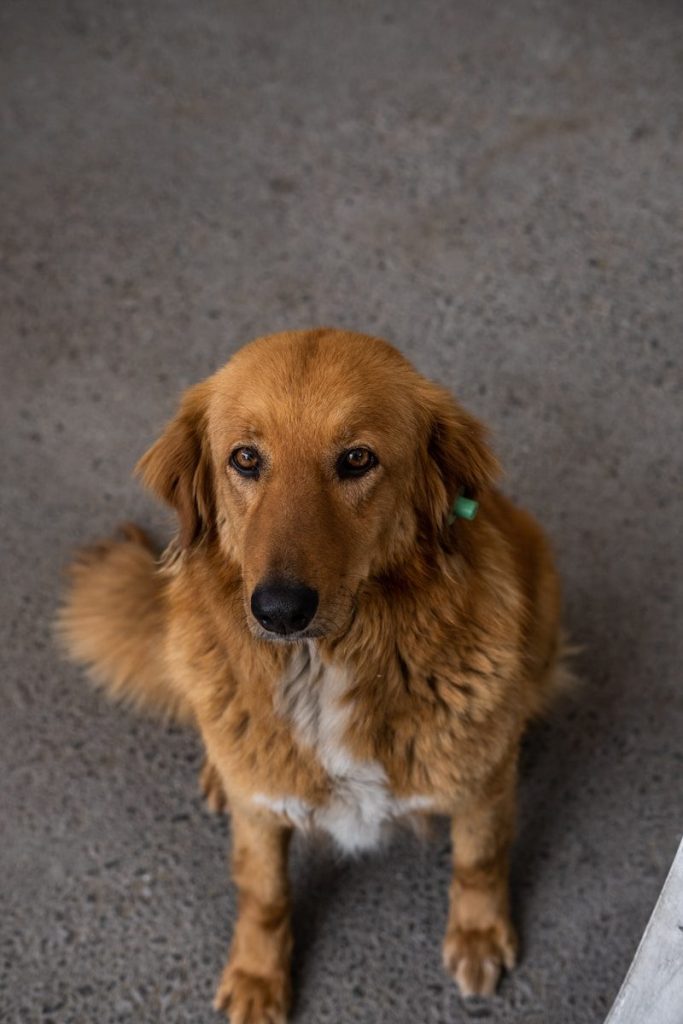
    a brown dog sitting on top of a cement floor
    Photo by Doğan Alpaslan DEMİR on Unsplash

    The rescue touched many people because it showed both the vulnerability and resilience of dogs. Despite being abandoned, this dog still chose to trust the people calling her name.

    For rescuers, the moment reinforced the importance of never giving up on animals in need. Her response likely changed the course of her life and gave her another opportunity to find the loving home she deserved.

  • Authorities rescue fawn found confined in a dog crate in Sonoma County

    Authorities rescue fawn found confined in a dog crate in Sonoma County

    What seems like a kind act can sometimes do more harm than good when it comes to wild animals. That was the case in Sonoma County, California, where a deer fawn was rescued after being kept in a dog crate outside a home for more than three weeks. Wildlife officials say the people involved believed they were helping the young animal after finding it alone in the wild.

    However, experts explain that many fawns are not abandoned, even when they appear to be by themselves. The rescue highlights the importance of understanding wildlife behavior and knowing when to contact trained professionals.

    The report leads officers to the fawn

    brown and white deer on green leafed grass during daytime
    Photo by Julie Marsh 🇨🇦 on Unsplash

    The rescue began when the California Department of Fish and Wildlife received a report about a deer fawn being taken from the wild. According to officials, a group of people had allegedly removed the animal from its natural habitat and placed it in a cage.

    Wildlife Officer Cameron Blechert responded to the report and visited the location where the fawn was reportedly being kept. Upon arrival, he found the young deer confined inside an outdoor wire dog crate at a residence in Sonoma County.

    Residents admitted to keeping the animal

    beige baby deer on brown soil between green grasses at daytime
    Photo by Vincent van Zalinge on Unsplash

    According to wildlife officials, the people at the home said they had found the fawn alone in the wild. They believed the animal needed help and decided to take it home.

    The residents also acknowledged that they had been caring for the fawn for more than three weeks. While their actions may have been intended to protect the animal, keeping wildlife in captivity without authorization violates state regulations.

    Wildlife laws protect deer and other animals

    A fawn rests peacefully in the grass.
    Photo by Nick Rizkallah on Unsplash

    Following the investigation, one of the individuals involved received a citation for unlawfully capturing and confining wildlife. California wildlife officials take these cases seriously because wild animals require specialized care and natural environments.

    The department noted that keeping deer in personal possession is illegal. Violations are considered misdemeanors and can result in penalties including fines of up to $1,000, jail time of up to 6 months, or both.

    Fawn transferred to the rehabilitation experts

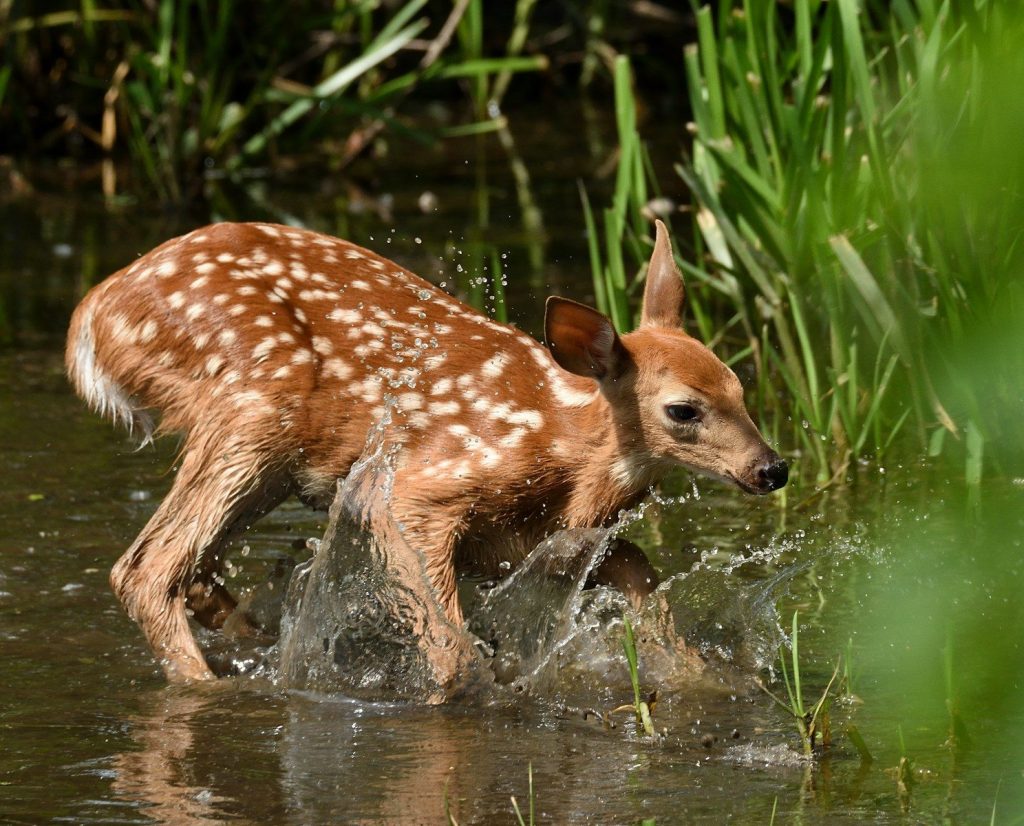
    a baby deer is walking through the water
    Photo by Alex Makarov on Unsplash

    After being removed from the property, the fawn was transported to a wildlife rehabilitation center. There, trained professionals can provide the care needed to prepare the animal for a return to the wild.

    The goal of wildlife rehabilitation is to help animals recover while limiting human contact whenever possible. Officials said the fawn will receive appropriate treatment and care before eventually being released back into its natural habitat.

    Why fawns are often left alone

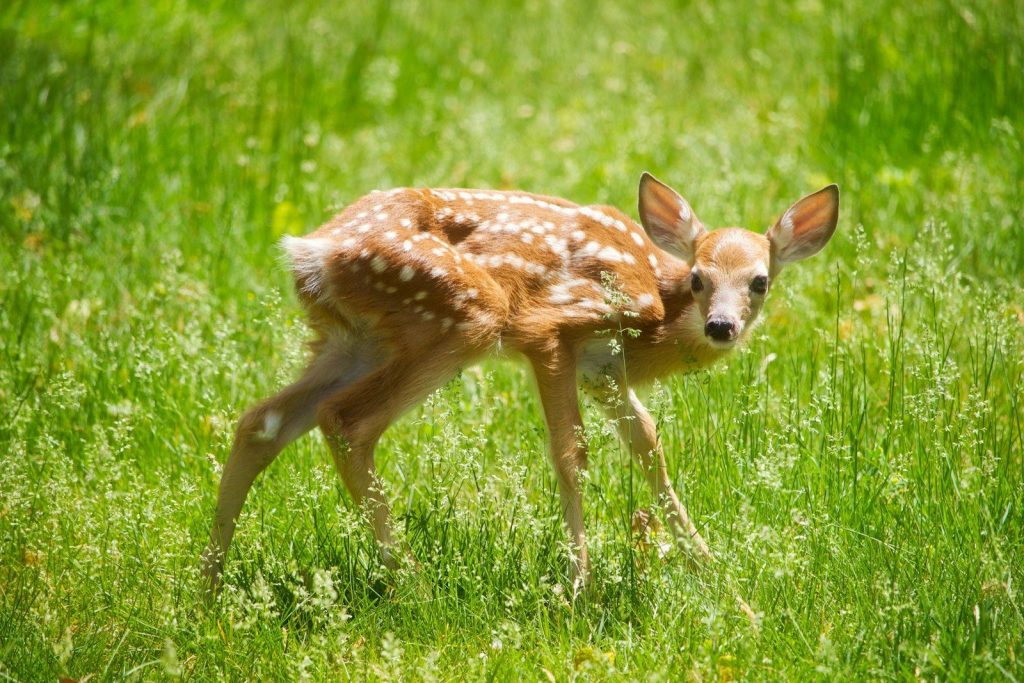
    brown and white spotted deer on green grass during daytime
    Photo by Robert Woeger on Unsplash

    Wildlife experts explain that people frequently mistake normal deer behavior for abandonment. During the spring and summer months, mother deer often leave their fawns alone for extended periods while they search for food.

    According to wildlife rescue organizations, it is common for does to leave and return several times throughout the day. A fawn that appears to be alone is often exactly where it is supposed to be, waiting for its mother to return.

    Officials urge the public to call for help

    deer lying on brown dirt soil
    Photo by Bonnie Kittle on Unsplash

    The California Department of Fish and Wildlife and wildlife rehabilitation groups encourage residents to avoid touching or moving fawns they encounter. Human intervention can sometimes create additional risks for young wildlife.

    If someone is concerned that a fawn is injured, sick, or truly orphaned, experts recommend contacting wildlife professionals immediately. Trained specialists can assess the situation and determine whether assistance is actually needed.

  • Shelter dog who spent 7 years waiting finally finds a family

    Shelter dog who spent 7 years waiting finally finds a family

    How long would you wait for a dream to come true? For a shelter dog named Gizmo, that wait lasted more than seven years. While many dogs quickly find homes, Gizmo spent his entire youth in a shelter, watching people come and go while hoping his turn would finally arrive.

    His story recently touched thousands of animal lovers online after volunteers shared the news they had been waiting years to announce. After more than 2,600 days in a shelter, Gizmo was finally adopted. His journey is a reminder that even dogs who wait the longest can still find the loving family they deserve.

    Gizmo spent most of his life waiting

    fawn pup on red and white textile
    Photo by Markus Winkler on Unsplash

    Gizmo first arrived at the shelter as a small puppy. Like many young dogs, he needed care, attention, and a family to help him grow. Instead, he spent year after year living in the shelter while other animals came and went.

    As time passed, Gizmo became one of the shelter’s longest-term residents. Volunteers watched him grow from a playful puppy into an adult dog, always hoping that someone would eventually choose him. Sadly, that moment took much longer than anyone expected.

    The announcement volunteers dreamed of sharing

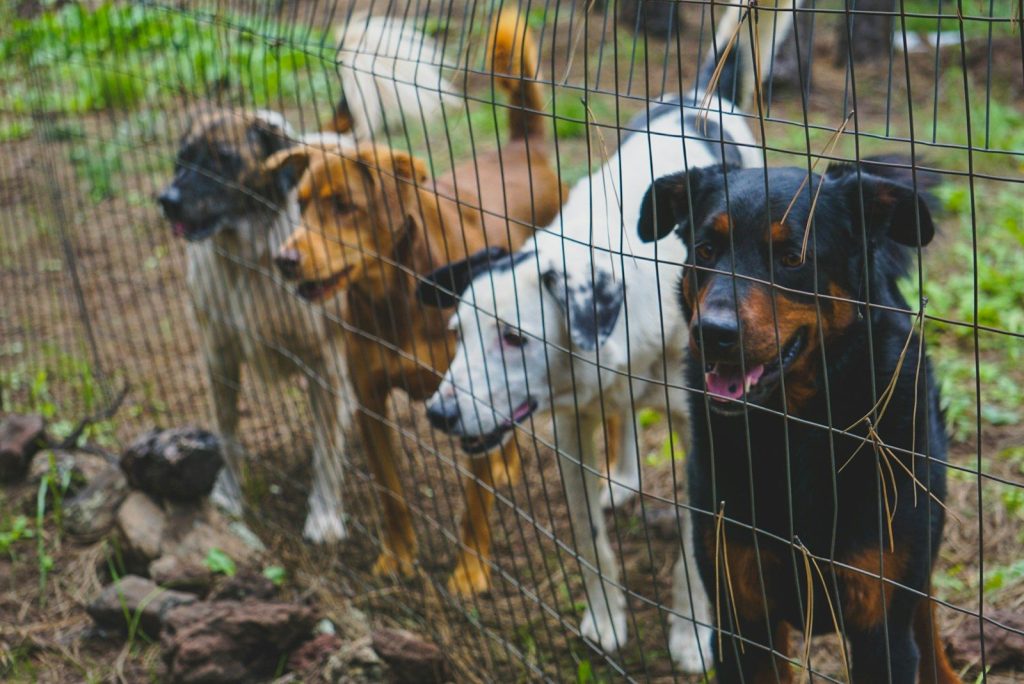
    a brown and white dog behind a metal fence
    Photo by 12photostory on Unsplash

    The update was shared by Helping Forgotten Paws and quickly caught the attention of animal lovers online. The reason was simple but powerful. Gizmo had finally been adopted after spending more than seven years at the shelter.

    According to the volunteer who shared the story, Gizmo recently left the facility for the final time. His days of kennel walls, shelter routines, and waiting for visitors were finally over. Instead, he was heading toward a new life with a family of his own.

    A heartbreaking beginning

    a brown and white dog sitting on top of a cement floor
    Photo by Bruno Souza on Unsplash

    Gizmo’s story becomes even more emotional when looking back at how it started. Volunteers later learned that he arrived at the shelter alongside three siblings when they were all puppies.

    Unfortunately, none of his siblings ever found permanent homes. While that part of the story is difficult to hear, Gizmo now carries their memory forward. His adoption represents the happy ending that volunteers had hoped for all of them.

    The life Gizmo always deserved

    black dog on brown wooden armchair
    Photo by Alice Dote on Unsplash

    After waiting more than 2,600 days, Gizmo finally has something many dogs take for granted. He now has a place where he belongs and people who will care for him every day.

    His future will be filled with comforts that were missing during his years in the shelter. He can relax on couches, enjoy familiar surroundings, and greet the same loving faces each day. Most importantly, he now has a home that is truly his.

    Animal lovers celebrate the happy news

    brown and white short coated dog
    Photo by Cierra Voelkl on Unsplash

    The adoption news quickly spread across social media. Many people shared messages of support, happiness, and relief after learning that Gizmo had finally found a family.

    One commenter said they were beyond relieved and excited for him. Another thanked the adopters for giving him a chance after so many years. The emotional response showed just how deeply people connected with Gizmo’s journey.

    A reminder about long-term shelter pets

    white and black short coat medium sized dog
    Photo by Sonya Brady on Unsplash

    For many dogs, adoption happens early in life. Their stories often begin when they arrive in a new home. Gizmo’s journey was different because it took seven years for that chapter to begin.

    Volunteers hope his story will encourage people to think about other long-term shelter residents still waiting for families. Many animals continue to spend months or years in shelters, hoping someone will give them the same opportunity that finally came for Gizmo.

  • A faint meow led a Long Island woman to a cat abandoned on the roadside

    A faint meow led a Long Island woman to a cat abandoned on the roadside

    What would you do if you spotted a pet carrier sitting alone on the side of the road? That question became very real for one Long Island, New York, resident on May 12 when she noticed an unusual box near a stop sign. At first, she drove past it. But something did not feel right. Trusting her instincts, she returned with her son to take a closer look.

    What they found inside the carrier would lead to a rescue effort, an investigation, and a hopeful new beginning for a cat named Mittens. This story shows how one small act of kindness changed the future of an abandoned pet.

    A strange sight on a quiet road

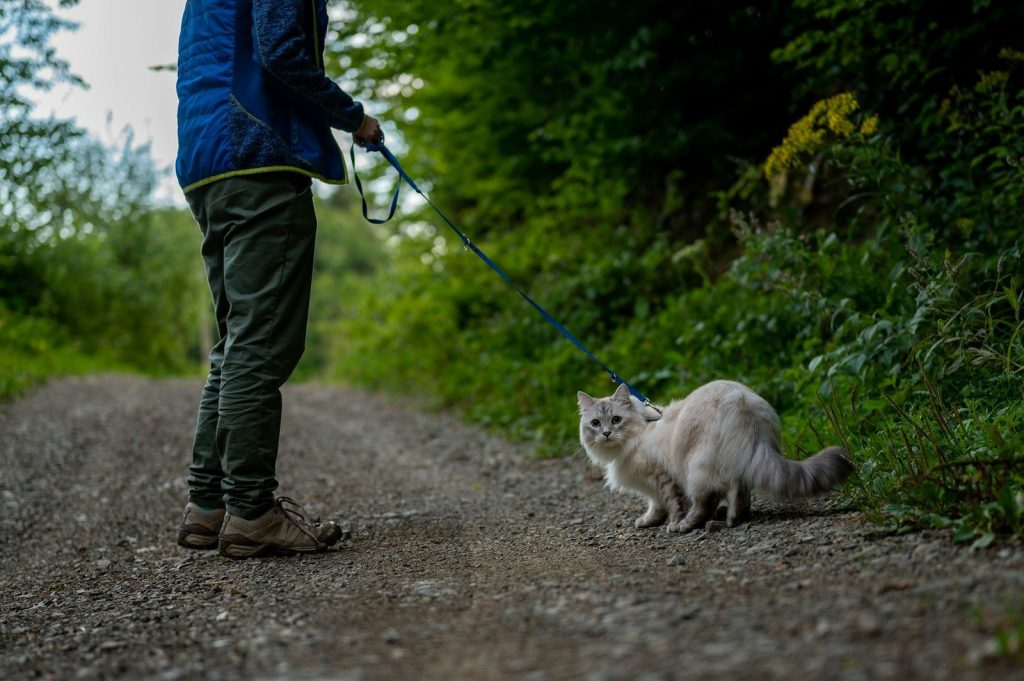
    a person walking a cat on a leash
    Photo by Piotr Musioł on Unsplash

    The day began like any other for a woman driving home on Long Island. As she approached a stop sign, she noticed a pet carrier sitting by the roadside. It looked out of place, but she continued driving.

    A few minutes later, she could not stop thinking about it. The image stayed in her mind, and she decided to turn around and investigate. She brought her son along as they walked toward the carrier to see what was inside.

    A shocking discovery inside the carrier

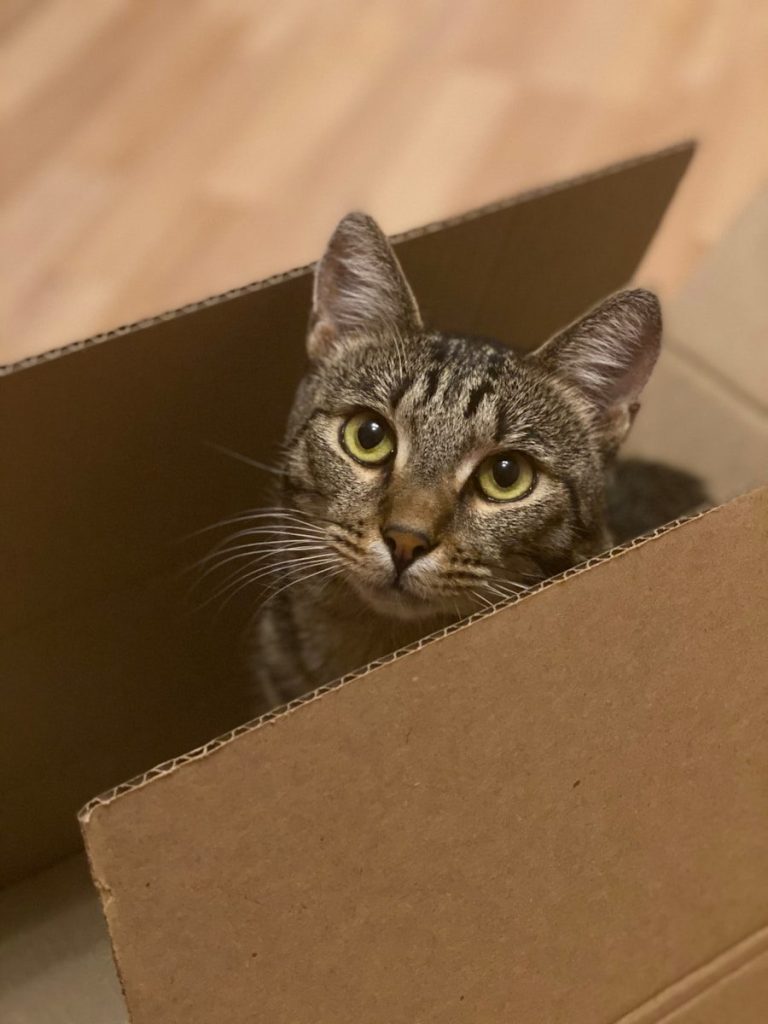
    silver tabby cat in brown cardboard box
    Photo by mary rabbit on Unsplash

    As the pair got closer, they heard a faint meow coming from inside the box. The sound confirmed their fears that an animal had been left behind. They carefully approached the carrier and looked inside.

    There, they found a 4-year-old cat named Mittens. The cat had been left without food or water during an unusually hot period in the area. No one knew how long she had been sitting there alone, exposed to the heat and waiting for help.

    The note that broke rescuers’ hearts

    yellow sticky notes on white wall
    Photo by Paper Textures on Unsplash

    Attached to the carrier door was a handwritten note. A small cross made of black beads had also been taped to the front. The message provided details about Mittens and described her as an extremely affectionate cat.

    The note revealed that Mittens had been born in Kentucky and ended with a simple but emotional request. It asked whoever found her to please take care of her. For rescuers, the message suggested that the person who left her behind may have been facing a difficult situation.

    Rescue volunteers step in to help

    a cat being pet by a hand
    Photo by Nicholas Ng on Unsplash

    After being discovered, Mittens was quickly taken to safety. One of the first things she did was drink water. She appeared thirsty after spending an unknown amount of time inside the carrier.

    The cat was then placed with a foster family through the Northport Cat Rescue Association. According to rescue director Lora Wild, no one knows exactly how long Mittens had been abandoned. She explained that the cat could have been there for only a few hours or for several days.

    Mittens shows her loving personality

    a person petting a cat on the nose
    Photo by Katelyn G on Unsplash

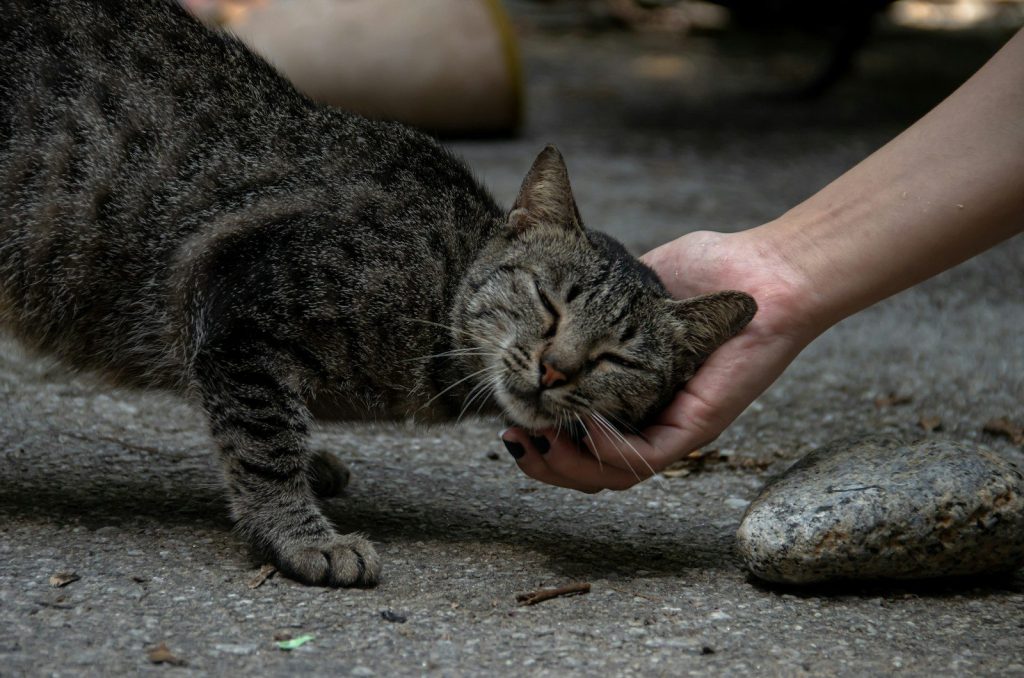
    Despite everything she had been through, Mittens remained friendly and affectionate. Instead of showing fear or aggression, she welcomed attention from the people caring for her. Her gentle behavior impressed everyone she met.

    The cat quickly became known for seeking cuddles and giving soft headbutts to visitors. Her sweet personality made it clear why the note described her as loving. Even after her difficult experience, she continued to trust people and enjoy their company.

    A hopeful future awaits Mittens

    short-fur white and brown cat close-up photography
    Photo by Thanh Soledas on Unsplash

    Lora Wild believes the abandonment may have been driven by desperation rather than a lack of love. She said that whoever owned Mittens appeared to care deeply about her. At the same time, she stressed that abandoning an animal is a crime and that safer options exist through rescue organizations.

    During a veterinary examination, volunteers discovered a unique marking on Mittens. She has a patch of white fur on her belly shaped like a perfect heart. Now fully vaccinated and medically cleared, she is ready for adoption. Friendly with children and dogs, Mittens is waiting for a forever family who can help her begin a happier chapter of her life.

  • Butterfly population jumps by 9,000 percent in unexpected turnaround

    Butterfly population jumps by 9,000 percent in unexpected turnaround

    A dramatic rise in butterfly numbers has caught the attention of conservationists and nature lovers across the world. After years of worrying declines, some protected habitats have reported a sudden rebound, with one population showing an increase of about 9,000 percent. This kind of recovery is rare and usually happens only when damaged ecosystems are carefully restored and left undisturbed for long periods.

    In this article, you will learn what caused this unexpected butterfly comeback, what scientists think is behind the rapid growth, and why it matters for the environment. You will also see how habitat protection, climate conditions, and human action all play a role in helping butterfly species recover. Understanding this story helps show how fragile nature is, but also how quickly it can heal when conditions improve.

    What the 9,000 percent increase really means

    selective focus photography of black and yellow swallowtail butterfly on ixora during daytime
    Photo by David Clode on Unsplash

    When scientists report a 9,000 percent increase, it does not mean butterflies suddenly appeared everywhere overnight. It usually means the population started from a very small number and then grew significantly over time in a specific monitored area. For example, if only a few dozen butterflies were counted in an earlier survey, a return to several thousand later can produce a very large percentage increase.

    Research on butterfly recovery often shows that short-term spikes like this are possible when conditions become ideal. This includes better weather patterns, fewer pesticides, and restored plant life. However, experts always caution that such sharp increases do not always reflect a permanent national or global trend. Butterfly populations can rise quickly, but they can also fall just as fast if conditions change again.

    Why butterfly populations dropped in the first place

    person in red shirt and black pants holding red box on green grass field during daytime
    Photo by Ilham Wicaksono on Unsplash

    To understand this recovery, it is important to know why butterfly numbers fell so sharply in many regions. Studies across North America show long-term declines caused mainly by habitat loss, pesticide use, and climate change. One large scientific review found that U.S. butterfly populations dropped by about 22 percent between 2000 and 2020, showing how serious the problem has been over time.

    A major issue is the loss of native plants like milkweed, which monarch butterflies depend on for laying eggs and feeding caterpillars. Farming practices, land development, and heavy herbicide use have reduced these plants in many areas. In addition, warmer temperatures and unpredictable weather patterns have made survival harder for many species. These combined pressures pushed many butterfly populations into steep decline before recovery efforts began.

    How conservation efforts helped the recovery

    selective focus photography of red petaled flower
    Photo by Annie Spratt on Unsplash

    The sudden rise in butterfly numbers is closely linked to conservation work. In areas where land was protected or restored, native plants began to return, giving butterflies the food and shelter they need. When milkweed and wildflowers come back, butterflies can complete their life cycles more successfully, leading to faster population growth.

    In some protected zones, conservation groups also reduced pesticide use and limited human disturbance. These changes allowed eggs, caterpillars, and adult butterflies to survive in greater numbers. Scientists note that butterflies respond quickly to improved conditions because they reproduce many times in a single year, so even small improvements in habitat can lead to big population changes over time.

    The role of weather and natural cycles

    water droplets on glass window
    Photo by frame harirak on Unsplash

    Weather plays a major role in butterfly population changes. A single good season with the right balance of rain, temperature, and plant growth can help butterfly numbers rise quickly. Mild winters can also improve survival rates for eggs and pupae, leading to stronger spring populations.

    However, butterfly populations are naturally unstable because they depend so heavily on seasonal conditions. Even in recovering areas, a sudden drought or heat wave can slow growth or cause temporary declines. Scientists say that the 9,000 percent jump likely reflects a combination of ideal weather conditions and successful habitat restoration working together at the same time.

    Why this recovery matters for the environment

    monarch butterfly perched on green leaf
    Photo by Joshua J. Cotten on Unsplash

    Butterflies are more than just colorful insects. They play an important role in pollination, helping flowers, crops, and wild plants reproduce. When butterfly numbers drop, it can affect the entire food chain, including birds and other wildlife that depend on them for food.

    A strong recovery like this shows that ecosystems can heal when stress is reduced. It also gives scientists hope that long-term declines can be slowed or even reversed in some areas. However, experts also warn that isolated recoveries do not mean the overall problem is solved. Many regions are still seeing long-term declines, so continued conservation is necessary.

    What scientists expect next

    selective focus photography of brown and black butterfly flying near blooming purple petaled flowers
    Photo by Gary Bendig on Unsplash

    Scientists are careful when looking at sudden population increases like this one. While the 9,000 percent rise sounds impressive, they say it must be tracked over many years to understand if it is stable. Butterfly populations naturally rise and fall, so one strong season does not guarantee long-term recovery.

    Researchers will continue monitoring the same areas to see if numbers stay high or drop again. They will also study how climate change, farming practices, and conservation efforts affect future trends. The goal is to understand what conditions lead to lasting recovery instead of short-term spikes.

  • Maui residents spend two nights eliminating two invasive frogs

    Maui residents spend two nights eliminating two invasive frogs

    Residents in Maui recently faced a surprising and exhausting problem when two invasive coqui frogs were discovered near a neighborhood area. What seemed like a small issue quickly turned into a two night effort involving careful tracking, spraying, and coordination among locals trying to protect their environment.

    These frogs are not native to Hawaii and can spread quickly, causing loud nighttime noise and disturbing local ecosystems. In this article, you will learn what happened during the two night effort, why these frogs are considered invasive, how residents and local crews respond to them, and what this situation reveals about the ongoing fight against invasive species in Maui. The goal is to help you clearly understand the real challenges communities face when dealing with fast-spreading wildlife threats.

    How the invasive frogs arrived in Maui

    Coqui frog” by audreyulloa is licensed under CC BY 2.0

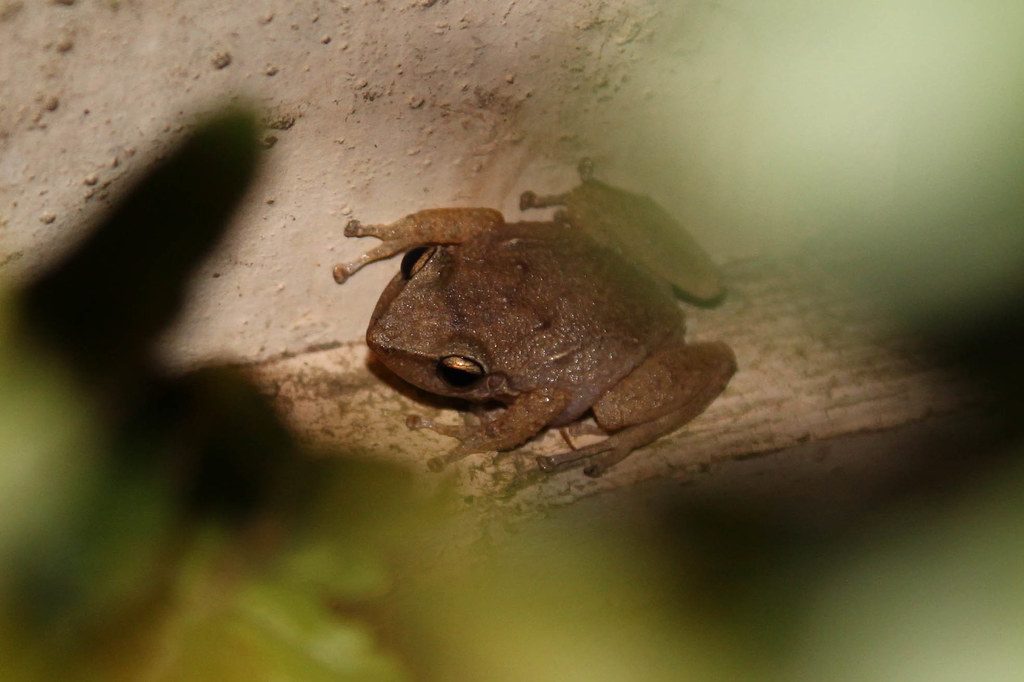
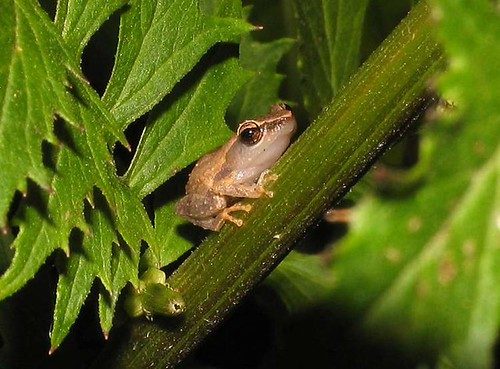
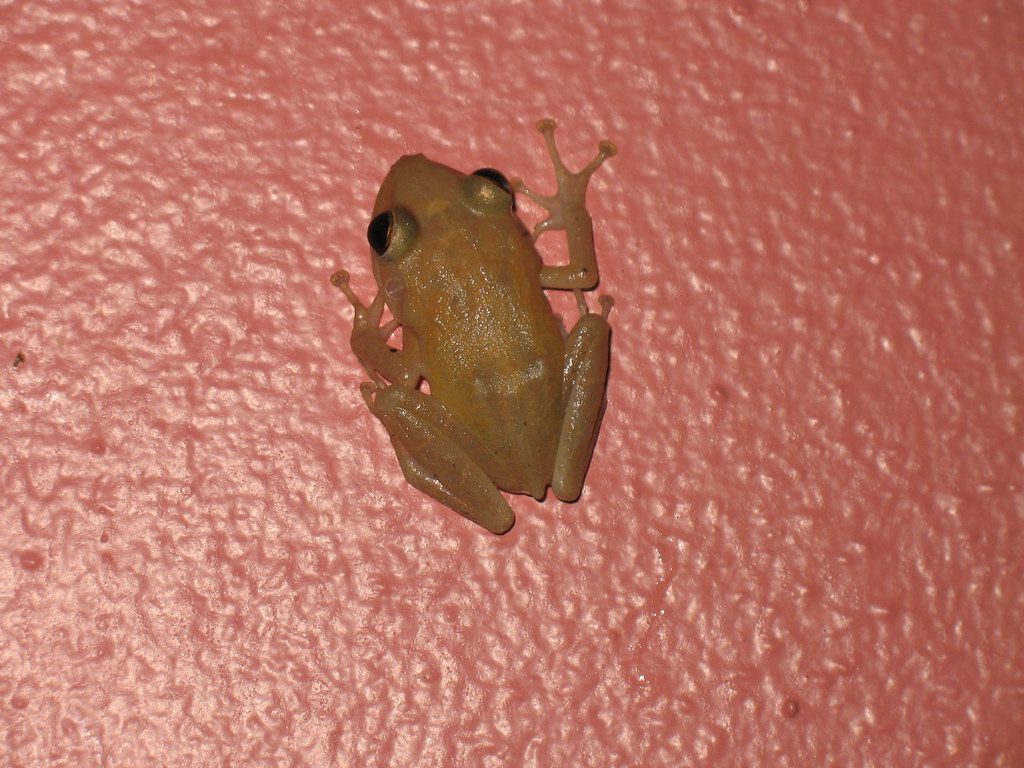
    Coqui frogs are originally from Puerto Rico and were accidentally introduced to Hawaii through imported plants in the late 1980s. Since then, they have spread across parts of the Hawaiian Islands, including Maui. These frogs are small, usually about the size of a quarter, but they create a very loud two-note call that sounds like “co-kee,” especially at night. Because Hawaii has no natural predators that control its population, the frogs have been able to multiply quickly in areas with dense vegetation and warm, wet weather.

    Over time, small groups of coqui frogs have been found in different neighborhoods on Maui, especially in areas like Haiku and nearby gulches. Some populations have been controlled or removed, but new sightings still appear from time to time. This makes early detection very important, because even a few frogs can grow into a much larger problem if not addressed quickly.

    What happened during the two night effort

    green palm tree during daytime
    Photo by Krystal Ng on Unsplash

    In the recent case, residents discovered two coqui frogs in vegetation near homes, prompting immediate action. Over the course of two nights, community members worked together using a citric acid solution to locate and eliminate the frogs. Reports from similar efforts show that large amounts of this solution are often used in targeted spraying, since it is effective at stopping the frogs when applied directly.

    The process was not simple. The frogs are small, well hidden during the day, and become active mainly at night when they call. Residents had to carefully listen for the calls, search through plants with flashlights, and treat specific areas where the frogs were hiding. Even though only two frogs were confirmed, the effort required patience, coordination, and repeated checks to ensure no additional frogs were present nearby.

    Why coqui frogs are a serious concern

    A Coqui Frog!” by plizzba is licensed under CC BY-SA 2.0

    Coqui frogs may seem harmless at first, but they create several problems for local communities and ecosystems. One of the biggest issues is their loud nighttime calling, which can reach levels similar to household appliances. This noise can disturb sleep and reduce quality of life for people living near infested areas. Because the frogs call throughout the night, even a small population can become a major nuisance.

    Beyond noise, coqui frogs also affect the natural environment. They feed heavily on insects, which can disrupt the balance of local ecosystems. In places where they have spread widely, their population density can become extremely high due to the lack of natural predators. This allows them to dominate areas quickly, making control efforts more difficult and expensive over time.

    How Maui communities respond to invasions

    2 men standing on brown grass field during daytime
    Photo by BĀBI on Unsplash

    Maui has an ongoing system in place to manage coqui frog populations, led by invasive species control programs and supported by local residents. These efforts often include nighttime field work, since that is when the frogs are easiest to locate. Teams may use sprayers, monitoring tools, and reporting systems to track new sightings and respond quickly.

    Community involvement plays a major role. Many residents report frog calls, help locate hiding spots, and sometimes even assist in small-scale removal efforts on private property. Education is also important, as people are encouraged to check plants and outdoor items that could accidentally transport frogs to new locations. Without early reporting and cooperation, small infestations can spread much faster across neighborhoods.

    Challenges in controlling invasive species on Maui

    Sometimes you walk into dense vegetation” by dkilim is licensed under CC BY-NC-SA 2.0

    Even with strong efforts, controlling coqui frogs on Maui remains difficult. The island’s warm and humid climate provides ideal conditions for the frogs to survive and reproduce. Dense vegetation and remote terrain also make it hard to reach all affected areas, especially in gulches and private lands where access may be limited.

    Another challenge is that eradication is rarely simple. Even when a few frogs are removed, others may remain hidden or enter the area again through plant movement or natural spread. This means control efforts must continue repeatedly over time, often for months or even years, to ensure a population does not return. Because of this, many programs focus on containment and reduction rather than complete elimination.

    What this effort shows about environmental protection

    Waianapanapa State Park, Maui” by szeke is licensed under CC BY-NC-SA 2.0

    The two night effort to remove invasive frogs highlights how much time and energy goes into protecting local ecosystems. Even a small number of invasive animals can require careful planning and coordinated work to manage. It also shows how important community awareness is in spotting problems early before they grow larger.

    At the same time, it reflects the ongoing balance between human neighborhoods and natural environments in Hawaii. Residents, scientists, and local programs all play a role in keeping invasive species under control, even when success requires repeated effort and patience.

  • Man implants himself with a pet microchip and checks it 10 years later

    Man implants himself with a pet microchip and checks it 10 years later

    A man’s “first real job” involved working with animals and implanting microchips in puppies. Years later, his curiosity led him to try the same procedure on himself. The story of a man testing a pet microchip on himself shows how a routine veterinary tool works and how long it can stay in the body.

    This article explains what happened when the man implanted a microchip in himself, how pet microchips work, and why they are important for identifying lost animals. It also looks at how these tiny devices help reunite pets with their owners.

    Man decides to experience microchipping himself

    brown tabby cat on black leather chair
    Photo by Chewy on Unsplash

    The man, known on TikTok as @shrunky.dunks, once worked a job that involved microchipping puppies. Wanting to understand what animals go through, he chose to have a microchip implanted nearly 10 years ago.

    He said the decision was partly curiosity-driven, and he wanted to know what the procedure felt like. The microchip he received was the same type commonly used in veterinary care and shelters for pets.

    What pet microchips are and how they work

    Pets” by Pak Gwei is licensed under CC BY-NC-SA 2.0

    Pet microchips are very small devices, about the size of a grain of rice. They are usually placed under the skin between an animal’s shoulder blades using a special needle during a quick procedure.

    Each microchip contains a unique identification number. This number can be scanned by veterinarians or animal shelters to help identify lost pets and connect them with their owners through a database.

    A microchip is still detectable after many years

    Microchips” by fdecomite is licensed under CC BY 2.0

    In a TikTok video posted on April 16, the man showed the results of his unusual experiment. He visited a veterinary office where a worker scanned his back with a microchip reader during a routine visit.

    To everyone’s surprise, the scanner detected the chip that had been implanted nearly a decade earlier. The worker reacted with shock and laughter after confirming the signal was real and still active under his skin.

    Public reaction to the unusual experiment

    person holding black android smartphone
    Photo by Jonas Leupe on Unsplash

    The video quickly gained attention online, reaching millions of views. Many viewers commented on the man’s unusual decision to test a pet microchip on himself.

    He responded to questions by saying he had some “liquid courage” before the injection. He also said the procedure itself did not feel too painful, which surprised many people watching the video.

    How long are pet microchips designed to last

    a brown dog sitting on top of a cement floor
    Photo by Doğan Alpaslan DEMİR on Unsplash

    Pet microchips are built to last for many years without needing replacement. In many cases, they can function for at least 25 years, which is often longer than a pet’s lifetime.

    This long lifespan makes them a reliable tool for permanent identification. Even years after being implanted, they can still be scanned and read by veterinary equipment.

    Why microchips are important for lost pets

    person holding computer cell processor
    Photo by Brian Kostiuk on Unsplash

    Microchips play a key role in helping reunite lost pets with their owners. Studies show that pets with microchips are significantly more likely to be returned home compared to those without one.

    However, the chip only stores an identification number. This means owners must keep their contact information updated in the database so the chip can successfully lead to a reunion.

  • A person sets out a bed for a feral cat and wakes up to an unexpected guest

    A person sets out a bed for a feral cat and wakes up to an unexpected guest

    A simple act of kindness turned into a surprising wildlife moment when a raccoon took over a cozy bed meant for a feral cat. The story of a raccoon finding comfort in a feral cat bed setup quickly gained attention online because of how unexpectedly the animal reacted to the situation.

    This article explains how the raccoon ended up in the cat’s space, why urban wildlife often interacts with human homes, and what risks can come from feeding wild animals. It also highlights how people reacted to the unusual but heartwarming scene.

    A cozy bed meant for a feral cat

    white and black coated cat laying on beige pet bed
    Photo by Ryland Dean on Unsplash

    A person set out a soft bed and some food for a feral cat they had been feeding regularly. The goal was to provide the cat with a safe, comfortable place to rest while staying outdoors.

    However, when they checked the spot later, they were surprised to find the cat was gone. Instead, a raccoon had taken over the bed and made itself completely at home.

    The raccoon takes over the sleeping spot

    The raccoon was found curled up inside the cat bed, looking relaxed and comfortable. It appeared to fully accept the space as its own and showed no signs of wanting to leave.

    The person who found it also left some food, including a bagel and kibble, for the animal. Rather than chasing it away, they allowed the raccoon to stay in the cozy spot.

    Why raccoons enter human spaces

    raccoon walking on lawn grass
    Photo by Gary Bendig on Unsplash

    Raccoons are highly adaptable animals that often live near people. They are known for using human-made structures for food and shelter, especially in areas with limited natural habitats.

    Outdoor feeding stations and pet food left outside can attract raccoons and other wildlife. Over time, these animals learn that human environments offer easy access to resources such as food and warmth.

    Risks of feeding wild animals

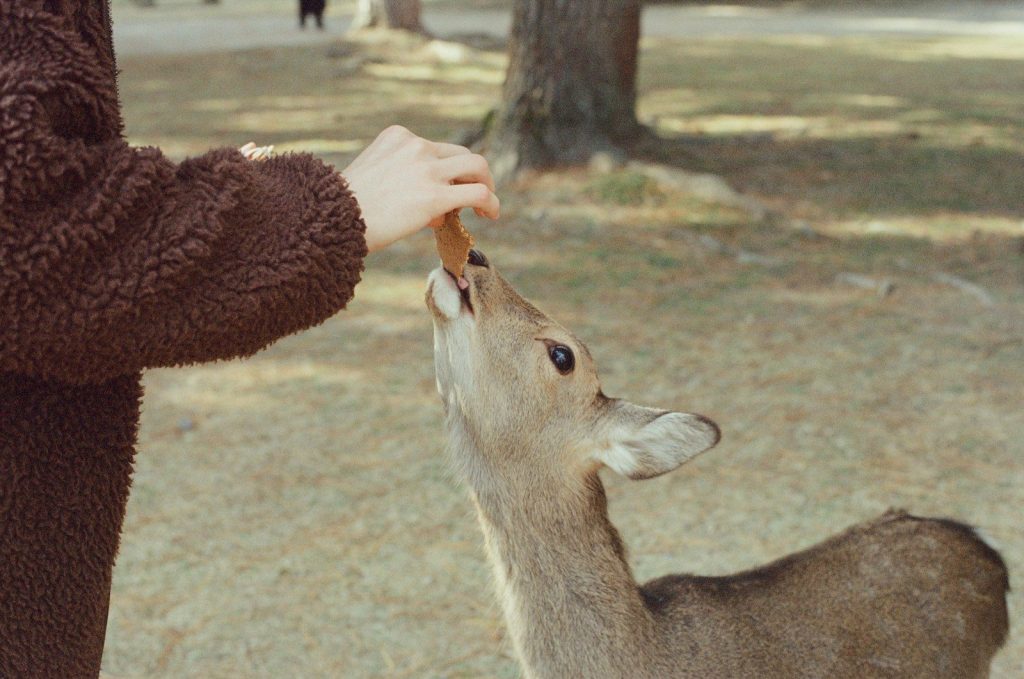
    Person feeding a deer a carrot in a park.
    Photo by Margarita B on Unsplash

    While scenes like this may look cute, feeding wildlife can create serious problems. It can encourage animals to return repeatedly and become dependent on human food sources instead of finding their own natural diet.

    It can also increase the presence of other animals, such as coyotes, in neighborhoods. This raises potential risks for pets and even children who may encounter wildlife more often than expected.

    Human-wildlife interactions can grow quickly

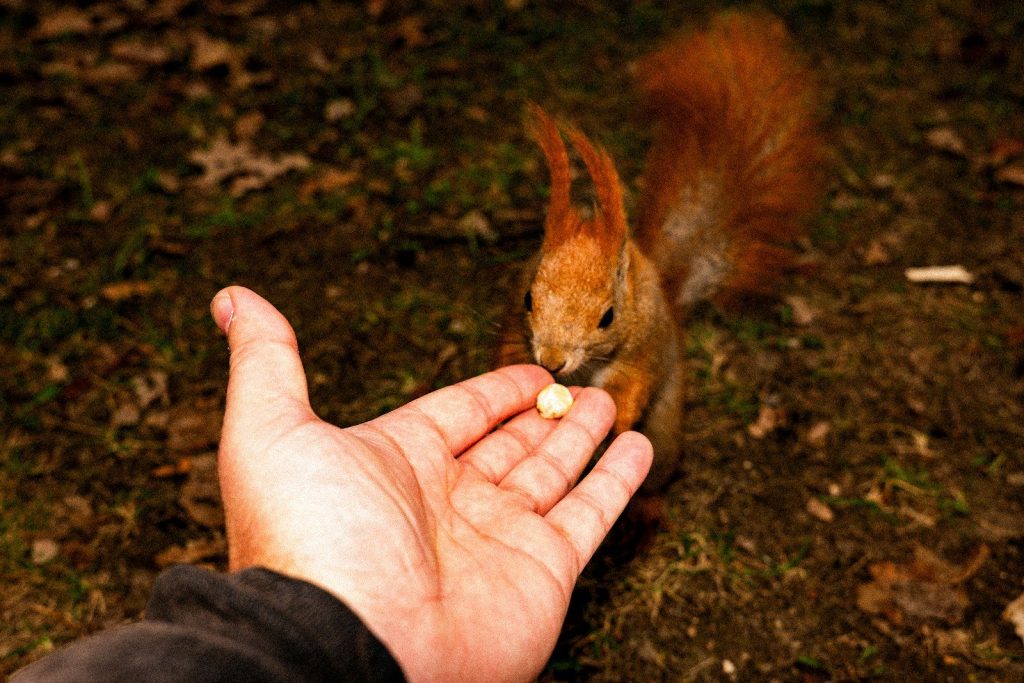
    A person's hand offers a nut to a squirrel.
    Photo by Charles Puaud on Unsplash

    In some cases, feeding wildlife can lead to large numbers of animals gathering in one place. One example mentioned a homeowner who fed raccoons for years and eventually found themselves surrounded by a large group of them.

    These situations can become difficult to manage and may create safety concerns. When animals begin relying on humans for food, their behavior can change unpredictably.

    Public reaction to the raccoon story

    A raccoon reaching for a treat from a hand
    Photo by Erwin Bosman on Unsplash

    Even with the concerns, many people online found the raccoon’s behavior charming. Commenters described the animal as happy, cozy, and amusing to watch in its unexpected bed.

    Some joked about how relaxed the raccoon looked, while others shared similar experiences of raccoons and feral cats interacting in their neighborhoods. Despite the humor, many also recognized the importance of keeping wildlife wild.