Blog

  • Mysterious extinct animals are still reportedly spotted across the American wilderness

    Mysterious extinct animals are still reportedly spotted across the American wilderness

    Across the American wilderness, stories about extinct animals still appearing in forests, swamps, and mountain valleys continue to spark curiosity. Hunters, hikers, birdwatchers, and local residents have shared reports for decades about creatures that science says are gone forever. Some sightings are likely mistakes, while others remain hard to explain.

    These mysterious extinct animals still reportedly spotted across the American wilderness have become part of American folklore, but many are also tied to real species that once lived in huge numbers across the country. This article explores the most famous cases, the facts behind the sightings, and why people still believe these lost animals may survive in hidden corners of the wild.

    The ivory-billed woodpecker mystery
    Ivory billed Woodpecker” by Ecoagriculture Partners is licensed under CC BY-NC-SA 2.0

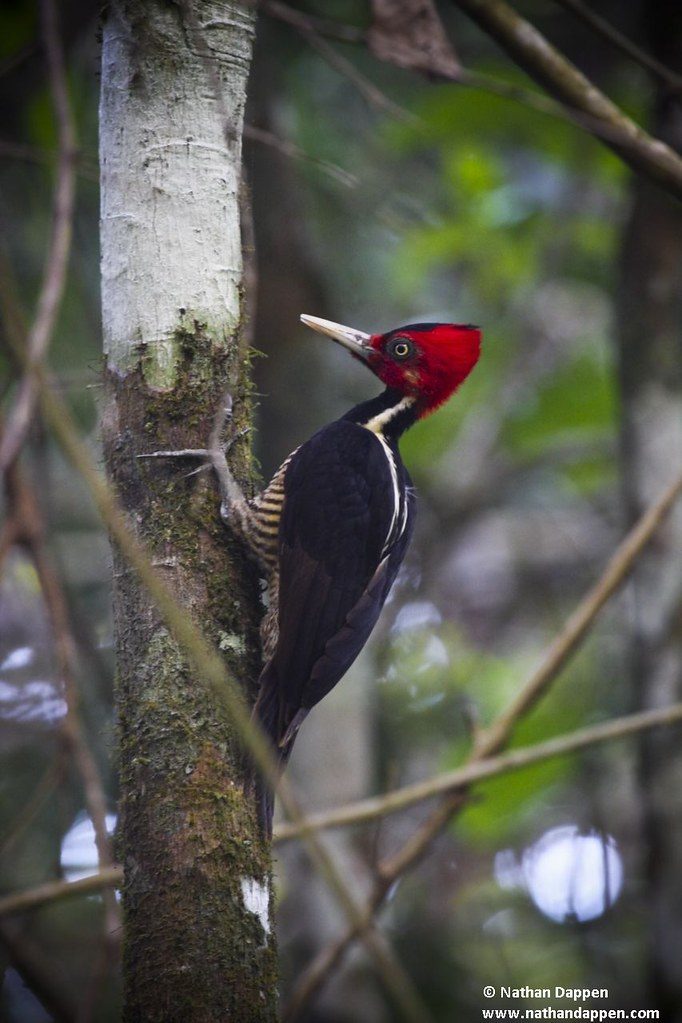
    The ivory-billed woodpecker is one of the most famous “possibly extinct” animals in America. This giant bird once lived in the swamp forests of the southeastern United States. It was known for its large white bill, striking black-and-white feathers, and loud knocking sounds that echoed through the trees. Logging destroyed much of its old-growth forest habitat during the late 1800s and early 1900s. The last widely accepted sighting in the United States happened in Louisiana in 1944. Even so, people continue reporting sightings in Arkansas, Louisiana, Florida, and other southern states. Birdwatchers often describe seeing a very large woodpecker with bright white markings flying through remote forests. Scientists have searched many of these areas, but no clear proof has been found.

    The mystery became even bigger in 2005 when researchers announced they may have rediscovered the bird in Arkansas after recording blurry video footage. The news spread quickly across the country and gave hope that the species still survived deep in the swamps. Since then, debates have continued among scientists, bird experts, and the public. Some experts believe the sightings are mistakes involving pileated woodpeckers, which look somewhat similar. Others think a tiny hidden population may still survive in remote wetlands that humans rarely visit. Because the southern swamps are so large and difficult to search, the mystery refuses to disappear.

    Passenger pigeons and strange flock reports
    Ectopistes migratorius (passenger pigeon) 3” by James St. John is licensed under CC BY 2.0

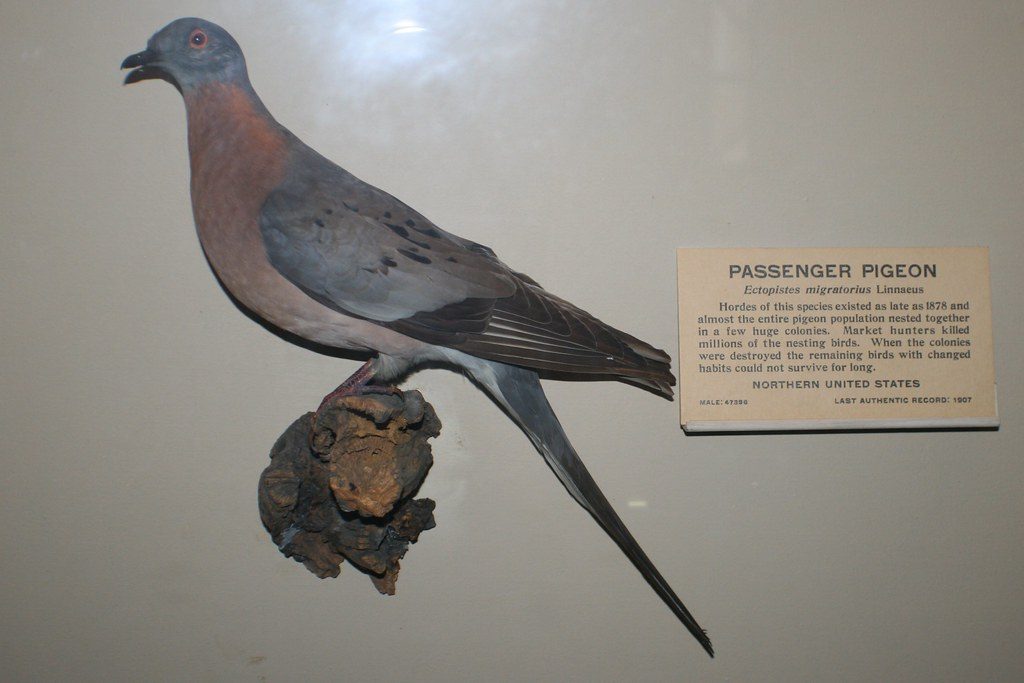
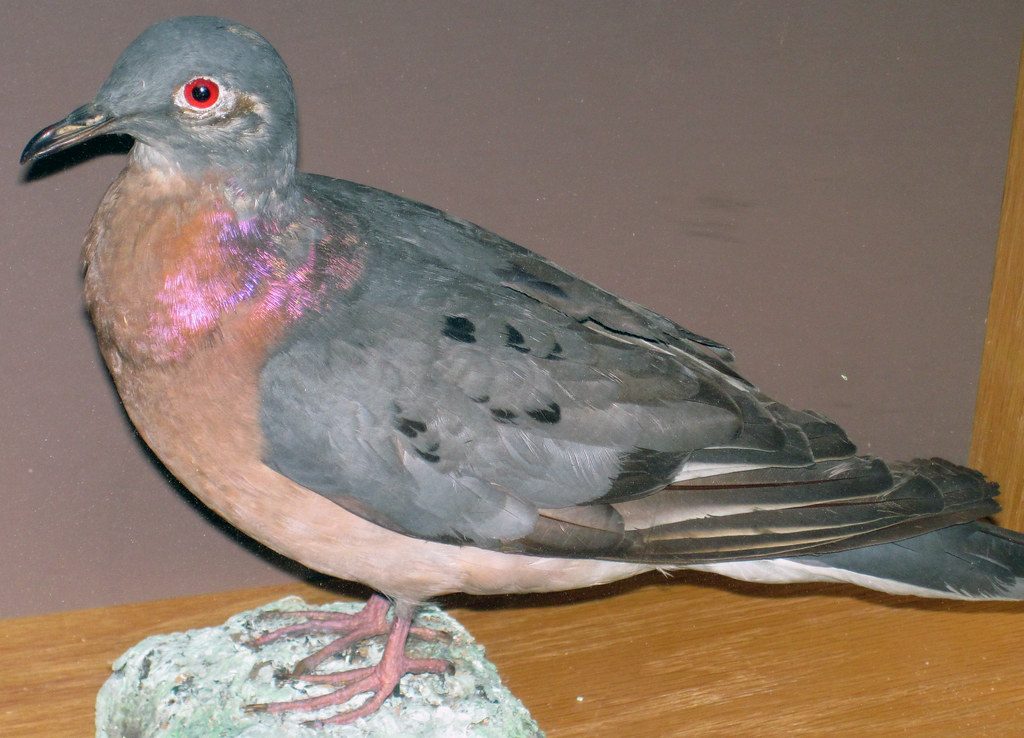
    Passenger pigeons once filled the skies of North America in numbers almost impossible to imagine today. Early settlers described flocks so large they darkened the sky for hours. These birds traveled in giant groups across eastern forests, feeding on nuts and seeds. Sadly, heavy hunting and large-scale forest destruction caused the species to collapse quickly during the late 1800s. The last known passenger pigeon, named Martha, died in a zoo in 1914. The extinction shocked the country because the birds had once been among the most common animals in America.

    Even after their extinction, strange reports continued to appear. Some hikers and rural residents claimed they had seen unusually large flocks of pigeons moving through forests in states like Pennsylvania, Michigan, and Ohio. Most experts believe these sightings were cases of mistaken identity involving mourning doves or rock pigeons. Still, the stories continue because people struggle to believe such a massive species could disappear so completely. The passenger pigeon became a powerful symbol of how quickly humans can wipe out wildlife, and the mysterious sightings keep its memory alive in American culture.

    Rumors of surviving Carolina parakeets
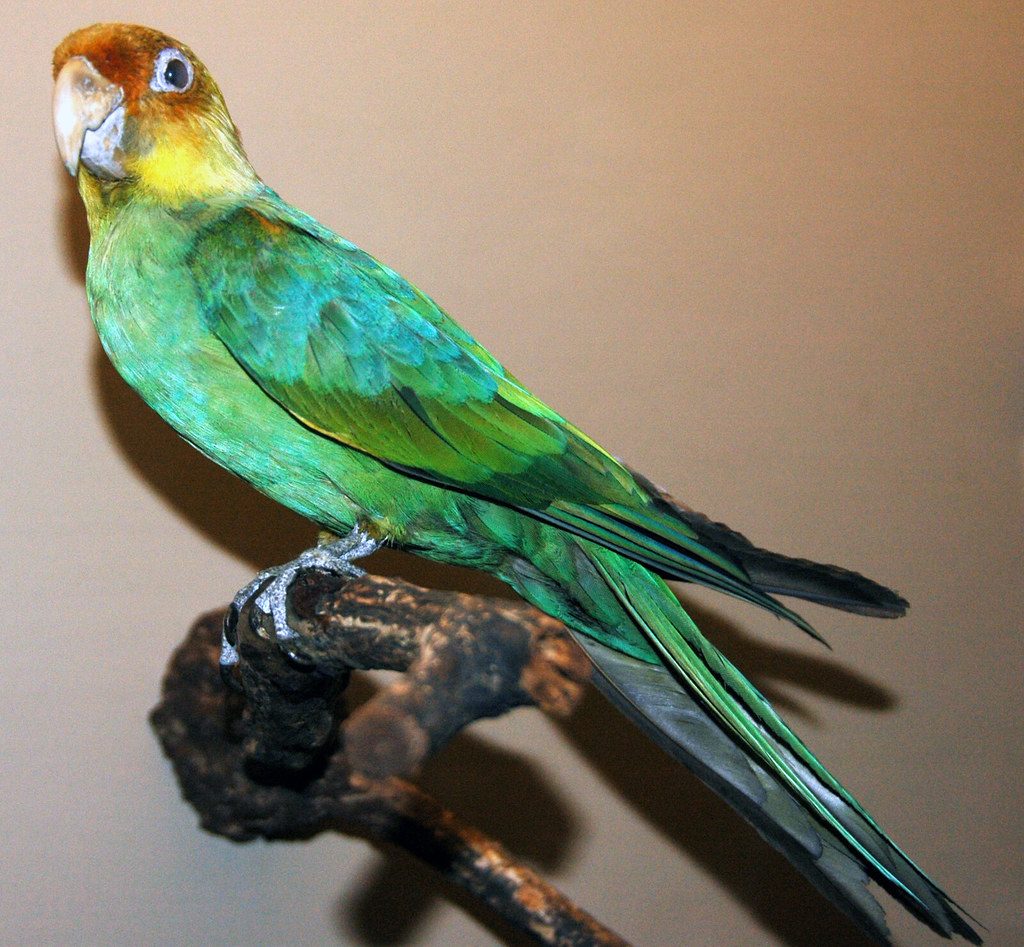
    Conuropsis carolinensis (Carolina parakeet) 2” by James St. John is licensed under CC BY 2.0

    The Carolina parakeet was the only parrot species native to the eastern United States. These colorful green birds with yellow heads once lived from Florida to the Midwest. They traveled in noisy flocks and were often seen near rivers and forests. Farmers sometimes viewed them as pests because they ate fruit crops, while hunters killed many for feathers used in women’s hats. Habitat loss also hurts their population. The last known Carolina parakeet died in captivity in 1918, only a few years after the extinction of the passenger pigeon.

    For many years afterward, people claimed they still heard or saw bright green parrots in southern forests and swamps. Reports came from states like Florida, Georgia, and South Carolina. Some people believed hidden flocks survived in remote wetlands where few humans traveled. Scientists, however, never found proof of living Carolina parakeets. Many sightings were likely escaped pet parrots, which are now common in parts of the United States. Even so, the idea of a lost American parrot hiding in swamp forests continues to fascinate bird lovers and wildlife historians.

    Giant ground sloth legends in the Southwest
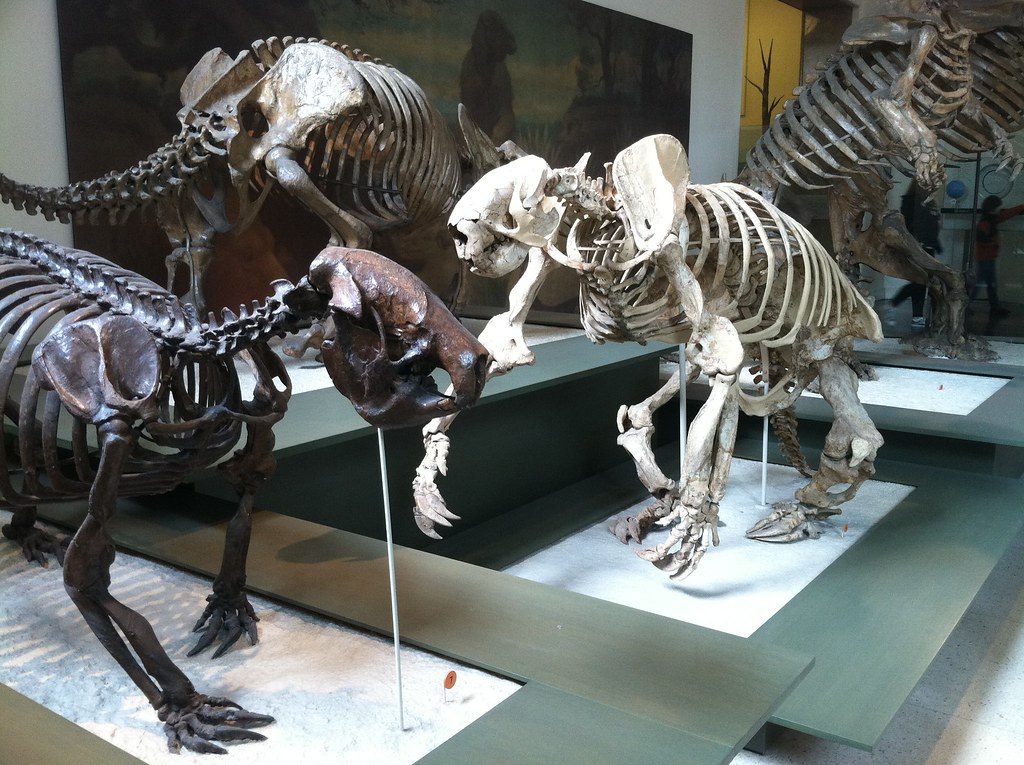
    Giant ground sloths Megalocnus rodens and Megalonyx wheatleyi at the American Museum of Natural History” by Dallas Krentzel is licensed under CC BY 2.0

    Long before humans built cities across North America, giant ground sloths roamed the continent. These huge mammals could stand taller than a person and weighed hundreds or even thousands of pounds depending on the species. Most disappeared around 10,000 years ago near the end of the Ice Age. Fossils have been discovered across the American Southwest, especially in desert caves and dry regions. Scientists believe climate change and hunting by early humans may have helped cause their extinction.

    Despite their ancient disappearance, stories about giant hairy creatures living in remote deserts and mountains have survived for generations. Some Native American stories describe large clawed animals hiding in caves. In modern times, hikers and explorers in the Southwest have occasionally reported seeing strange slow-moving creatures unlike bears or known wildlife. These stories are usually connected to cryptid legends rather than science, but they often borrow details from extinct ground sloths. While there is no evidence that giant ground sloths survived into modern times, their fossil discoveries and frightening size continue to inspire mysterious tales across the American wilderness.

    Mammoths and mastodons in northern folklore
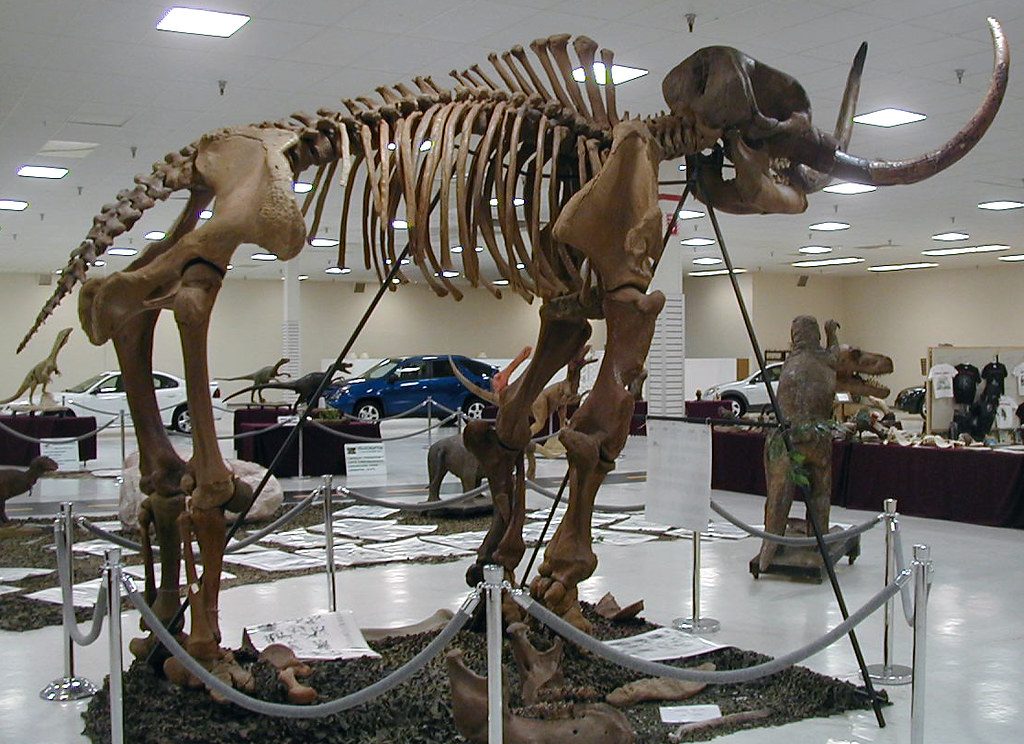
    Mammut americanum – Burning Tree Mastodon (Upper Pleistocene, 11.39 ka; Burning Tree Golf Course, south of Heath, southern Licking County, central Ohio, USA) 2” by James St. John is licensed under CC BY 2.0

    Woolly mammoths and mastodons once lived across much of North America during the Ice Age. These giant relatives of modern elephants roamed cold grasslands and forests thousands of years ago. Fossils have been found in many states, including Alaska, Michigan, and Texas. Most scientists agree they disappeared around 10,000 years ago, although some small mammoth populations survived longer on isolated Arctic islands. Their massive bones and tusks amazed early settlers, who sometimes believed they belonged to giant monsters.

    Stories about elephant-like creatures wandering remote wilderness areas continued long after mammoths disappeared. Native American legends in parts of the north described giant shaggy animals moving through snowy landscapes. During the 1800s, explorers and fur traders occasionally claimed they saw enormous unknown beasts in isolated regions of Canada and Alaska. Most modern experts believe these stories grew from fossil discoveries, imagination, and misunderstandings. Still, mammoths remain one of the most famous extinct animals tied to mysterious wilderness sightings because their huge fossils are still uncovered today.

    Why these sightings continue today
    Photo by BĀBI on Unsplash

    One reason mysterious extinct animal sightings continue is that America still contains vast wilderness areas. Deep swamps, mountain forests, deserts, and northern tundra can be difficult for humans to fully explore. Many people feel it is possible for rare animals to remain hidden in remote places. Scientists have rediscovered species before, including animals once believed extinct. These rediscoveries give hope that other lost creatures could still survive somewhere unnoticed. Even blurry photographs, strange sounds, or quick sightings are enough to keep these stories alive.

    Human psychology also plays a major role in these reports. People often misidentify animals during brief or emotional encounters. Lighting, distance, weather, and excitement can easily change what someone thinks they saw. A large woodpecker may suddenly seem like an ivory-billed woodpecker. A group of pigeons may remind someone of passenger pigeons described in old stories. Social media and online videos now spread these claims faster than ever before. Even without proof, mysterious extinct animals continue capturing public imagination because they connect people to the idea that nature may still hold hidden secrets waiting to be discovered.
  • Animals are considered the worst choices for pets to keep

    Animals are considered the worst choices for pets to keep

    Many people dream about owning unusual animals. A monkey wearing clothes or a giant snake in a glass tank may look exciting online. But some animals are very poor choices for pets. They can become dangerous, stressed, sick, or impossible to care for in a normal home. In many cases, these animals suffer because people do not understand their needs. Some can also spread diseases or hurt humans without warning.

    Animals considered the worst choices for pets often need special food, huge spaces, expert care, or wild environments that homes cannot provide. This article explains why certain animals should usually stay in the wild or under trained care. You will learn about the dangers, health risks, legal problems, and animal welfare concerns linked to keeping these creatures as pets.

    Primates are too wild for home life

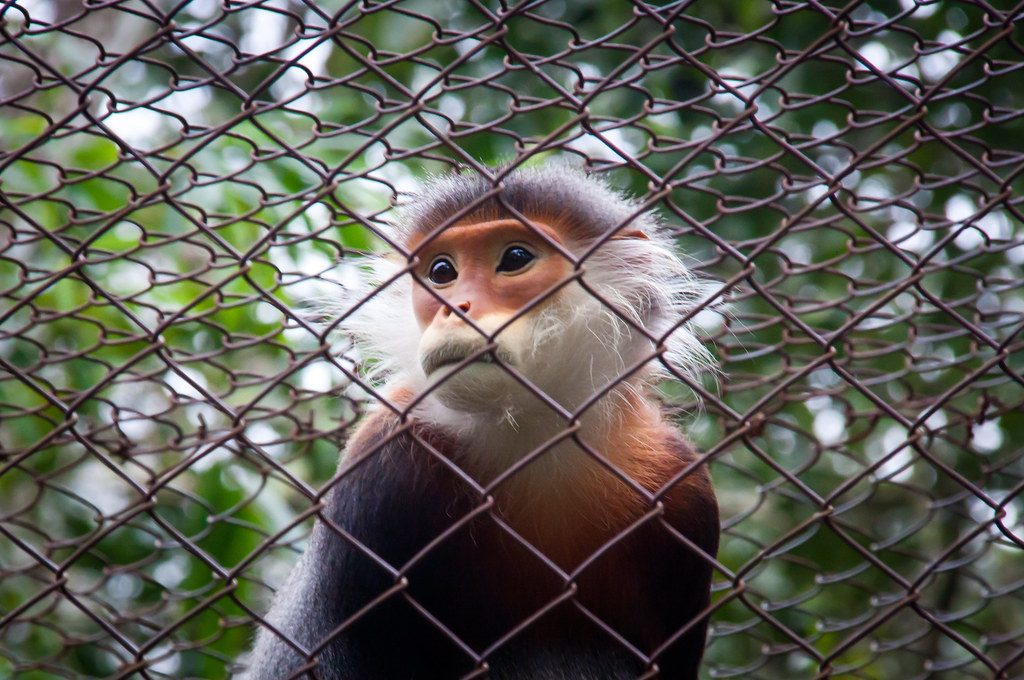
    Grey-Shanked Douc Langur at The Endangered Primate Rescue Center – Cuc Phuong National Park, Vietnam” by ChrisGoldNY is licensed under CC BY-NC 2.0

    Monkeys and other primates are one of the worst pet choices for most people. They may look smart and playful when young, but they often become aggressive as they grow older. Adult monkeys can bite, scratch, throw objects, and attack people when scared or upset. Even small monkeys are very strong for their size. Some primates also carry dangerous diseases that can spread to humans. Health experts warn that wild animals like monkeys should not be kept as pets because they can spread serious germs and become unpredictable.

    Primates also suffer badly in private homes. They are social animals that normally live in groups and spend hours climbing, exploring, and communicating. A cage or bedroom cannot replace a jungle or large sanctuary. Many owners become overwhelmed by the cost and care needs. Online discussions from animal experts and sanctuary workers often describe rescued monkeys living with stress, poor diets, and behavior problems after being kept as pets.

    Big cats are dangerous and difficult

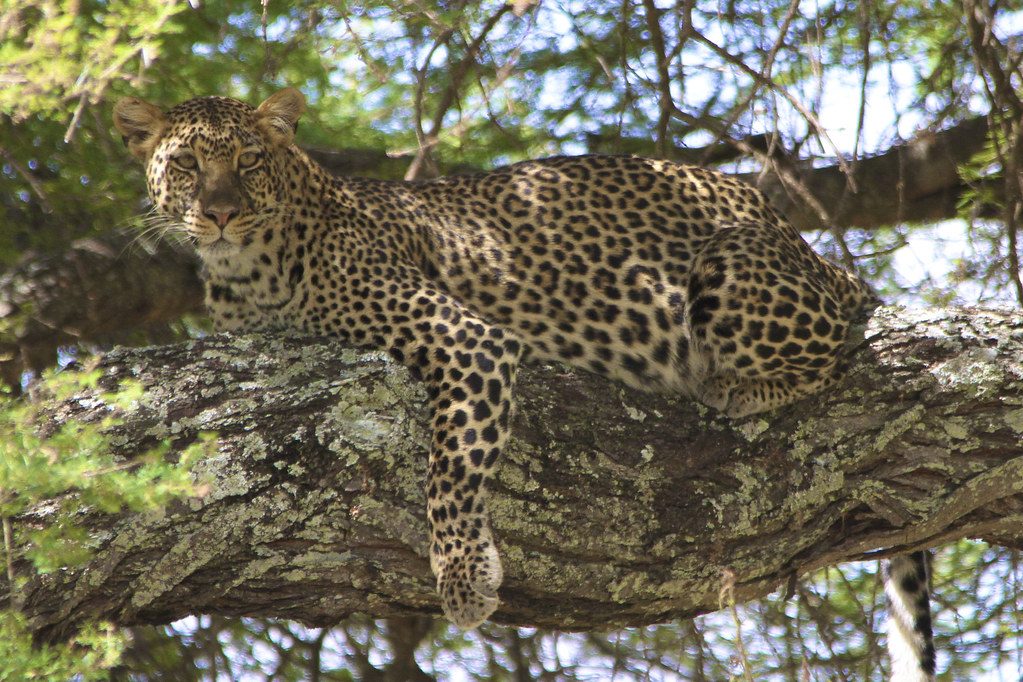
    Leopard” by Mitchell Fitzsimmons is licensed under CC BY 2.0

    Tigers, lions, leopards, and other big cats are extremely risky pets. Even when raised by humans, they still act like wild predators. A playful swipe from a tiger can seriously injure or kill someone. These animals need large spaces, raw meat diets, and expert handlers. They can also escape and threaten neighbors, pets, and local wildlife. Many states and countries have strict laws about owning big cats because of these dangers.

    Big cats also face serious welfare problems in private ownership. Animal rescue groups and former workers at roadside zoos have reported poor living conditions, tiny cages, and unhealthy breeding practices. Cubs may look cute for photos, but they quickly become too large and dangerous to handle. Some online discussions explain how many exotic cat owners are unable to give proper lifelong care. These animals belong in accredited zoos or protected wildlife areas where trained experts can meet their needs.

    Venomous reptiles create major risks

    Photo by Arnaud Padallé on Unsplash

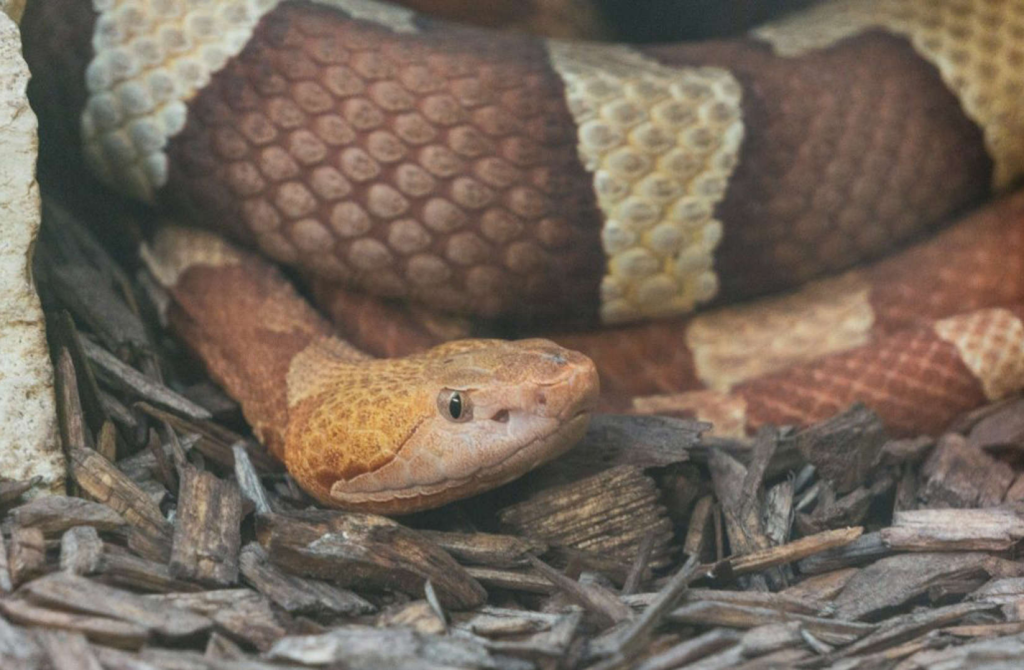
    Venomous snakes, poisonous frogs, and other toxic reptiles are terrible choices for pets. A single bite can cause severe injury or death. Medical treatment is often expensive, and special antivenom may not be available nearby. Health experts strongly advise against keeping venomous animals in homes because they are unpredictable and dangerous.

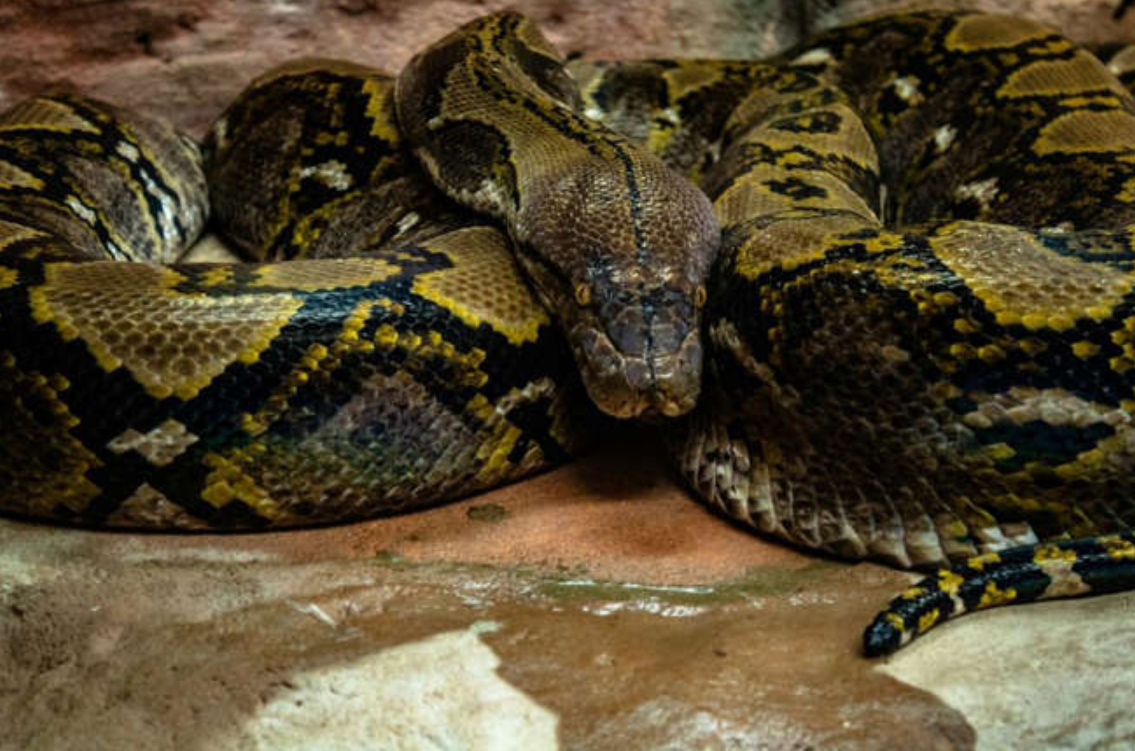
    Even nonvenomous reptiles can create problems for owners. Large snakes like pythons and boas need secure habitats, heating systems, and special feeding routines. Some grow much larger than owners expect. Reptiles can also carry Salmonella bacteria, which may spread through contact with the animal or even its tank water. The CDC says reptiles and amphibians are more likely than many other pets to carry germs that make people sick. Many people buy reptiles without understanding how much work and cost they require over many years.

    Alligators and crocodiles should stay in the wild

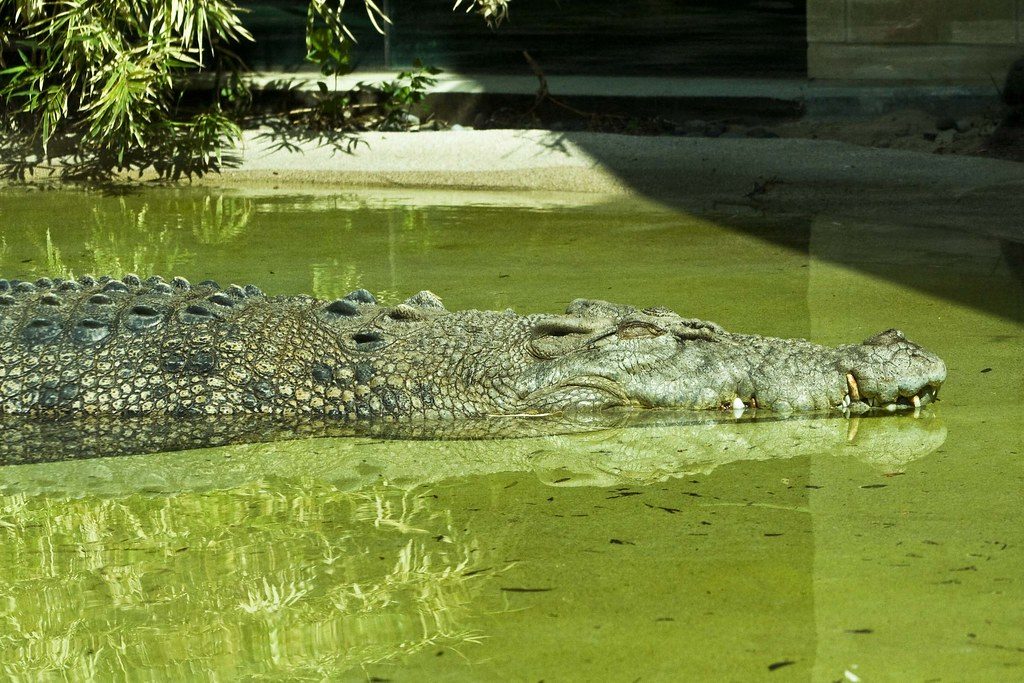
    Crocodile” by AndreaTX is licensed under CC BY-NC-ND 2.0

    Alligators and crocodiles may seem fascinating, but they are among the worst animals to keep as pets. These reptiles are powerful predators with strong jaws and fast attack speeds. Even smaller alligators can seriously hurt humans. As they grow, they need huge enclosures, deep water areas, and heavy security. Most homes cannot safely contain them.

    These animals also live for decades and continue growing throughout much of their lives. Owners who buy baby alligators often realize too late that the animal will become massive and dangerous. Some people abandon them in lakes, rivers, or parks, where they can threaten local ecosystems and people. Wildlife experts warn that wild animals should never be treated like household pets because they can injure humans and spread disease. In many places, private ownership of crocodilians is heavily restricted or illegal for public safety reasons.

    Exotic birds need more care than people expect

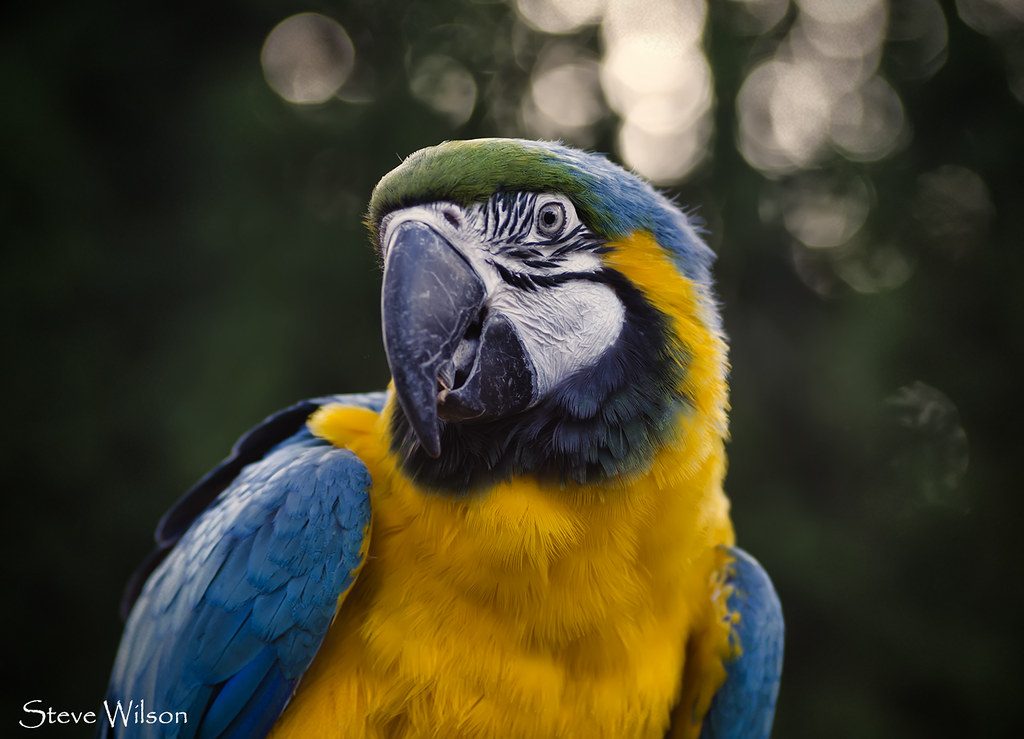
    Blue and Yellow Macaw” by Steve Wilson – over 10 million views Thanks !! is licensed under CC BY 2.0

    Large parrots and exotic birds are often sold as colorful and friendly pets, but they can become very difficult to manage. Some parrots live more than 50 years, which is a huge commitment. They are loud, messy, and highly emotional animals that need daily mental stimulation. Without enough attention, birds may scream constantly, pull out their feathers, or become aggressive.

    Birds also need large cages, social interaction, and specialized diets. Many owners underestimate the time needed to keep them healthy and happy. Some exotic birds become depressed when left alone for long periods. They are intelligent creatures that need activities similar to what they would experience in nature. A bored parrot in a small cage can develop severe stress and behavioral issues. Sadly, many birds are surrendered to shelters because owners are not prepared for the responsibility.

    Farm animals do poorly inside homes

    two black and white sheep grazing in a field
    Photo by Suhi on Unsplash

    Some people try to keep pigs, goats, or other farm animals as house pets. While these animals may seem cute at first, they are not designed for indoor living. Farm animals need outdoor space, fresh air, exercise, and proper environments. Health experts explain that livestock are meant for farm settings, not homes or apartments.

    Pigs and goats can become destructive indoors. They may chew furniture, damage floors, and create hygiene problems. Farm animals can also carry germs that spread to humans. Even smaller “mini pigs” often grow much larger than owners expect. Many people buy them believing they will stay tiny forever, only to discover they can weigh hundreds of pounds. Once the animals become too hard to manage, shelters and rescues are left to handle the problem. This creates stress for both the animals and the people caring for them.

  • Animals that sought help and were met with unexpected kindness in return

    Animals that sought help and were met with unexpected kindness in return

    Animals that sought help from humans have created some of the most touching stories ever shared. In many cases, these animals were hurt, trapped, scared, or separated from their families. Even though they could not speak, they found ways to show people they needed help. What happened next often surprised everyone involved.

    These true stories show how kindness can cross the line between humans and animals. From dolphins swimming toward rescuers to elephants guiding people toward danger, these moments remind us that animals are smart, emotional, and deeply aware of the world around them. In this article, you will read about real animals that searched for help and the caring humans who answered their call.

    Dolphins that swam toward rescuers

    dolphin with head sticking out of water during daytime
    Photo by Damian Patkowski on Unsplash

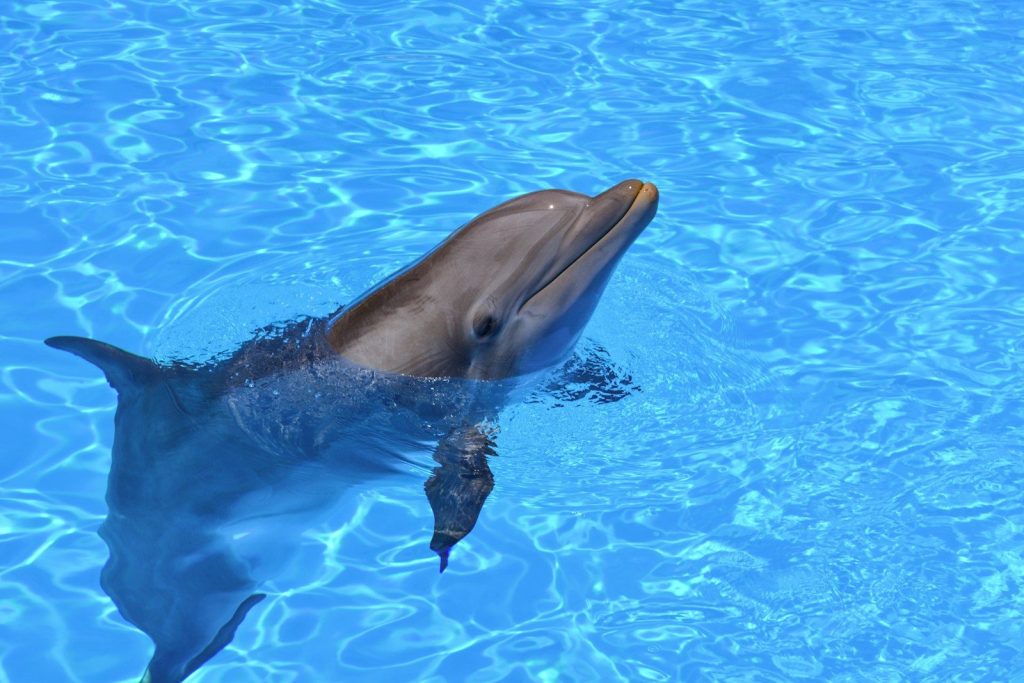
    One of the most famous examples happened on a beach in Spain when a dolphin swam close to shore with fishing line wrapped tightly around its mouth. People nearby noticed the dolphin was not acting normally. Instead of swimming away, it stayed close and allowed humans to approach. Beachgoers carefully removed the tangled line while the dolphin stayed calm during the rescue. After it was freed, the dolphin slowly returned to deeper water where two other dolphins were waiting nearby.

    Another well-known case involved a dolphin approaching divers because a fishing hook was stuck in its fin. The animal repeatedly came close to the divers and stayed still long enough for them to remove the hook. Experts who study dolphins say these moments show how intelligent the animals are. Dolphins often understand when humans can help with problems they cannot solve alone, especially when the danger comes from fishing gear or pollution created by people.

    A mother elephant searching for help

    Male African Bush Elephant Calf, Amboseli National Park” by . Ray in Manila is licensed under CC BY 2.0

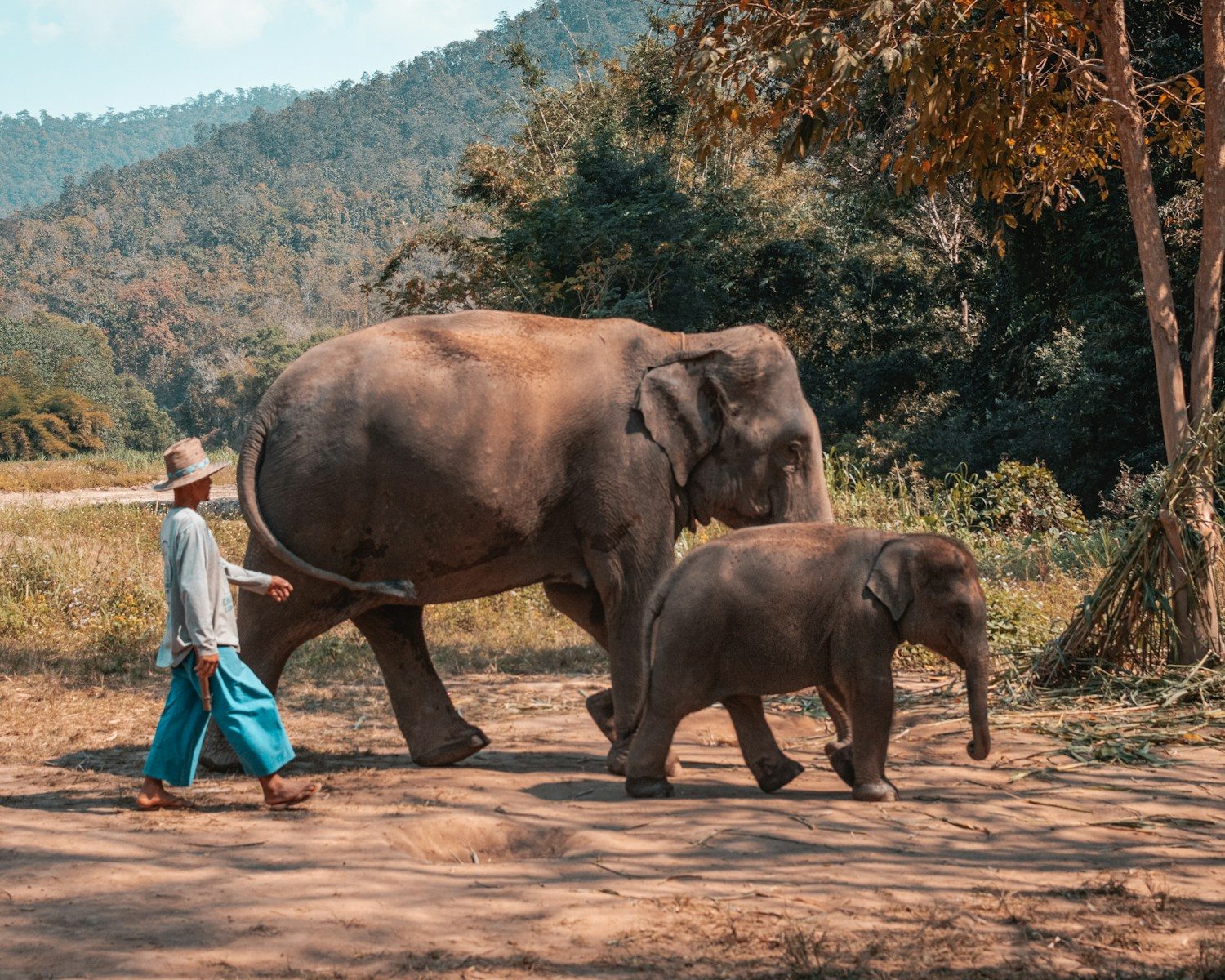
    In parts of Asia and Africa, rescuers have reported cases where mother elephants appeared to seek human help when their calves were trapped. One widely shared rescue involved a baby elephant stuck in deep mud near a village. Witnesses said the mother elephant stayed close but did not attack rescuers when they arrived. Instead, she watched carefully while workers used ropes and digging tools to free the calf from the muddy pit.

    Elephants are known for their strong family bonds and high intelligence. Scientists have long studied their emotional behavior, including the way they protect injured family members and react to death within their herds. Some experts believe elephants can recognize when humans are trying to help instead of harm them. In rescue stories like these, villagers and wildlife workers often say the adult elephants seemed to understand that people were trying to save the young calf rather than take it away.

    Whales that trusted humans in dangerous moments

    grey dolphin on body of water during daytime
    Photo by Todd Cravens on Unsplash

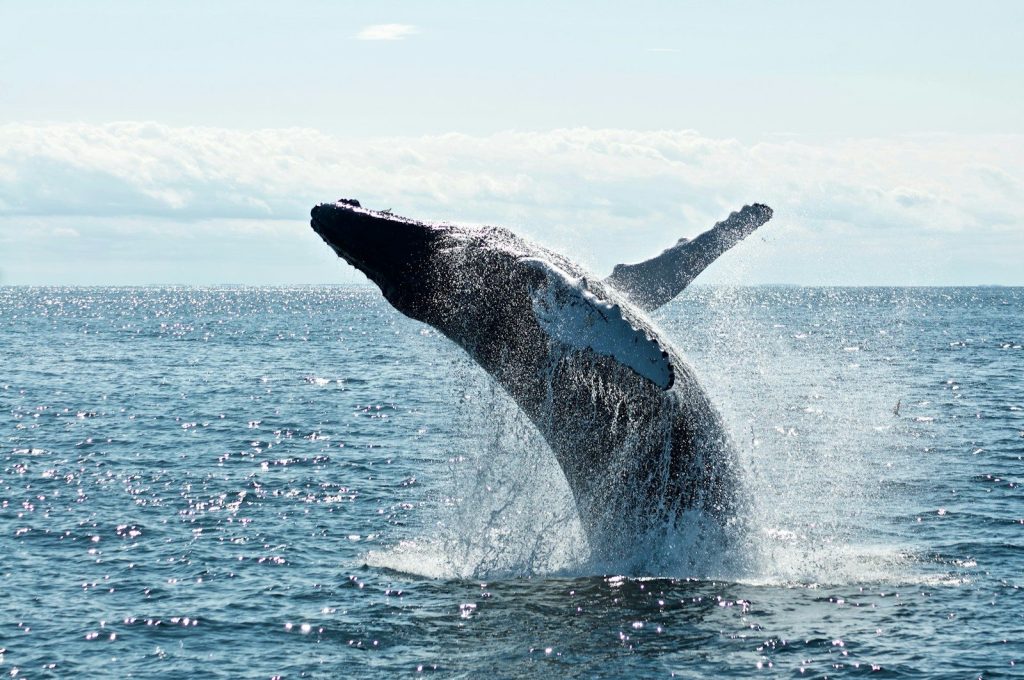
    Large whales usually avoid people, which is why rescuers are often shocked when injured whales approach boats for help. In several real-life rescues, humpback whales tangled in ropes or fishing nets stayed surprisingly calm while divers cut away the heavy lines wrapped around their bodies. Some rescuers said the whales even rolled gently in the water to make the work easier and safer.

    One famous marine scientist named Nan Hauser shared a story about a humpback whale that repeatedly pushed her through the water while she was diving. At first, she thought the whale was acting aggressively, but she later realized a tiger shark was nearby. She believed the whale was trying to protect her from danger. Stories like these continue to amaze researchers because whales are known for showing protective behavior toward other sea animals, including seals and smaller whales.

    Dogs and farm animals that brought humans to safety

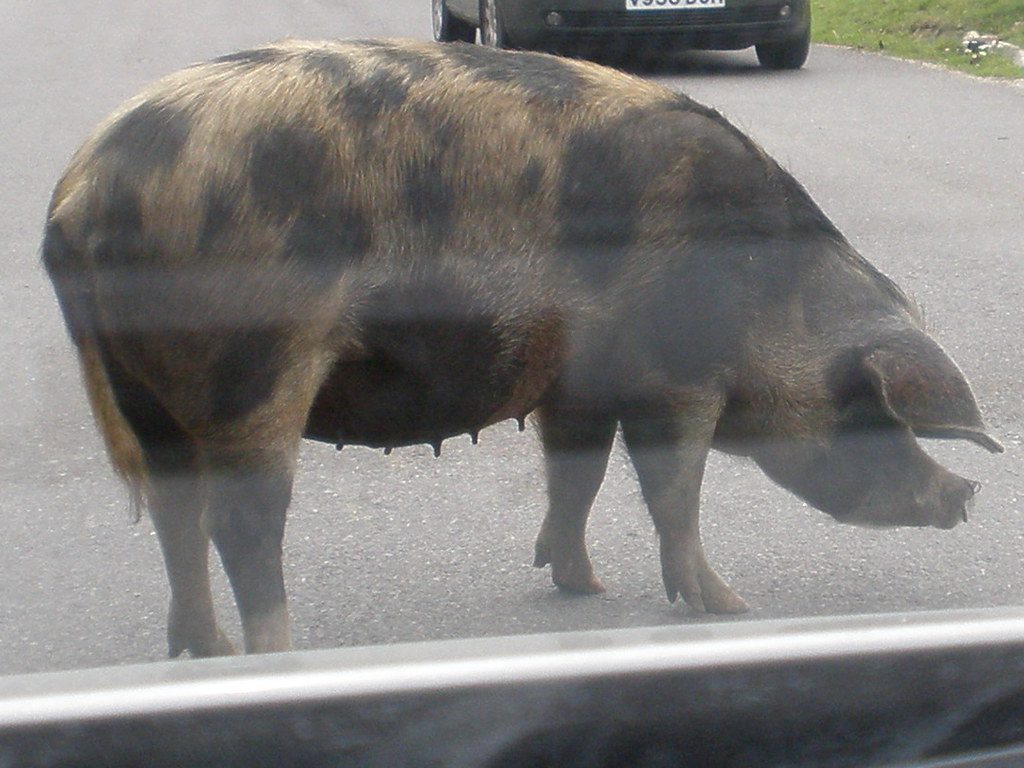
    Pig in Road.” by amandabhslater is licensed under CC BY-SA 2.0

    Not all stories involve wild animals. Some of the most emotional moments have come from pets and farm animals that understood when people were in trouble. One famous case involved a pig named Lulu. When her owner collapsed from a heart problem, Lulu escaped from her pen and ran into the road. She lay down in front of passing cars until someone stopped to help. Thanks to her actions, emergency workers reached the woman in time.

    Dogs have also led humans toward trapped puppies, injured owners, or missing children. Animal experts say dogs are especially skilled at reading human emotions and body language. Many dogs quickly notice fear, pain, or panic. Over time, scientists have learned that animals do not always react only through instinct. In many cases, they appear to make choices based on care, trust, and strong emotional connections with humans.

    Sea animals protecting creatures outside their species

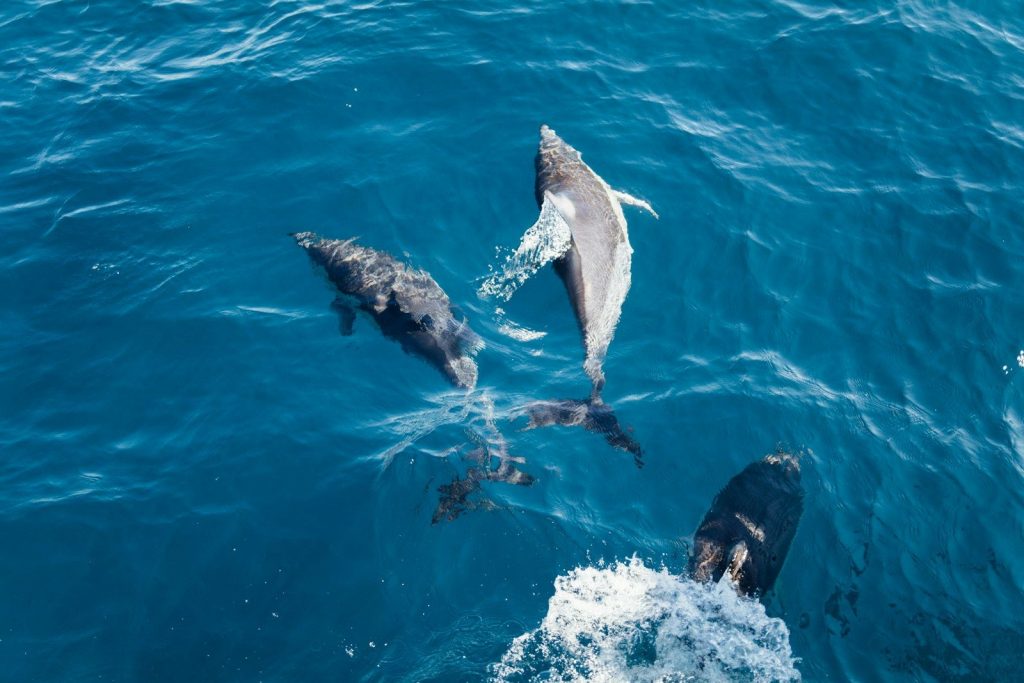
    three dolphins on body of water during daytime
    Photo by Hanson Lu on Unsplash

    Some of the most surprising stories involve animals helping creatures that are not even part of their own species. Dolphins have been reported circling swimmers to protect them from sharks. In New Zealand, swimmers once noticed dolphins surrounding them tightly in the water. Later, they discovered a great white shark nearby. Experts believe the dolphins were trying to shield the humans from danger.

    Another amazing event happened when a friendly dolphin named Moko helped guide stranded pygmy whales back to sea after rescuers struggled for more than an hour. Witnesses said the whales seemed confused and stressed until the dolphin arrived. After Moko appeared, the whales followed closely behind and safely returned to deeper water. Scientists still study why animals sometimes help unrelated species, but many believe social animals like dolphins and whales may react strongly to distress signals from other living creatures.

    Why humans and animals form these bonds

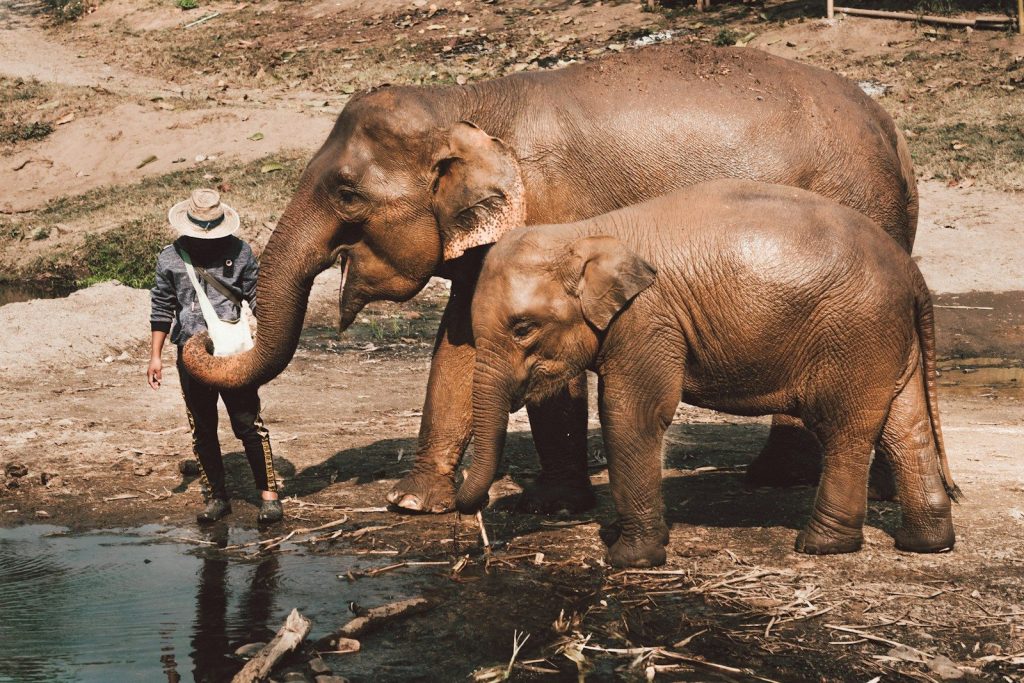
    person near two brown elephants near body of water
    Photo by Kym Ellis on Unsplash

    Researchers who study animal behavior say many species are far more emotionally aware than people once believed. Elephants comfort each other, dolphins cooperate in groups, and whales protect weaker animals from predators. Some scientists believe these actions come from empathy, while others think social animals simply respond strongly to signs of distress around them.

    At the same time, many humans risk their own safety to rescue animals trapped in oceans, forests, roads, or flooded areas. Wildlife rescuers often spend hours helping injured creatures even when the job is dangerous. These moments create powerful connections between humans and animals. Even though people and animals communicate in different ways, these stories show that trust and kindness can still exist between them.

  • Steve Irwin’s final moments revealed as he sought one last shot before fatal accident

    Steve Irwin’s final moments revealed as he sought one last shot before fatal accident

    Steve Irwin’s final moments still shock fans around the world nearly two decades later. The famous wildlife expert, known as “The Crocodile Hunter,” spent his life teaching people to respect animals and nature. On September 4, 2006, that mission ended in a tragic accident while he was filming near Australia’s Great Barrier Reef. Reports from eyewitnesses and crew members later revealed what happened during the final minutes before the fatal stingray strike.

    This article explains the verified details behind Steve Irwin’s last dive, why he wanted “one last shot” for the camera, what witnesses saw, and how the accident unfolded. It also looks at the reaction around the world and the legacy he left behind through his family and conservation work.

    Steve Irwin was filming a new documentary

    person holding video camera
    Photo by Thomas William on Unsplash

    Steve Irwin was in Queensland, Australia, filming a project called “Ocean’s Deadliest.” The documentary was being made near Batt Reef, close to the Great Barrier Reef. According to reports from crew members, bad weather had made it hard to film tiger sharks, which were the main focus of the project. Because of the rough conditions, the team decided to capture footage of other sea animals instead.

    That day, Irwin and underwater cameraman Justin Lyons spotted a very large stingray in shallow water. Lyons later explained that the animal looked calm and peaceful. The crew believed they could safely film it for the documentary and possibly use the footage for a children’s television project connected to Irwin’s daughter, Bindi. At the time, nobody believed the encounter would become deadly.

    The “one last shot” changed everything

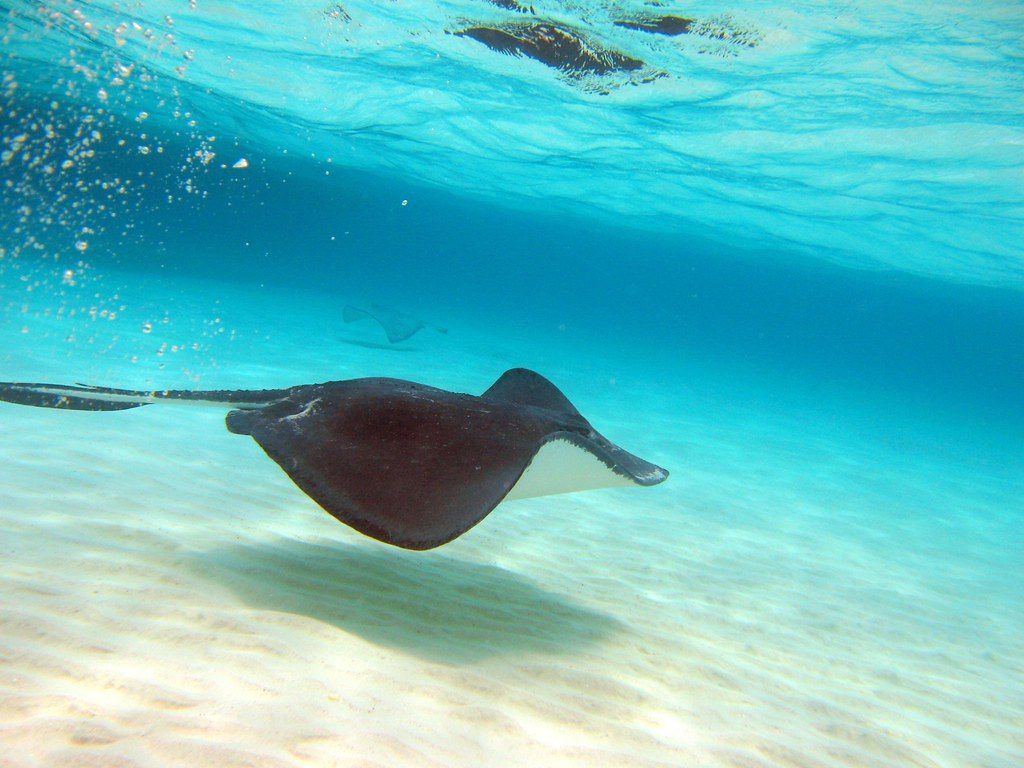
    Stingray, Grand Cayman” by GANDALF_GREY is licensed under CC CC0 1.0

    Justin Lyons later shared that Steve Irwin wanted one final camera shot before leaving the water. The idea was simple. Irwin would swim behind the stingray while the cameraman captured the animal moving away. It was meant to be a dramatic but peaceful ending shot for the documentary sequence.

    Instead, the stingray suddenly reacted in defense. Lyons said the animal lifted itself and began striking wildly with its tail. The attacks happened in only a few seconds. One of the barbs pierced Irwin directly in the chest. Experts later explained that stingrays are usually not aggressive, but they may defend themselves if they feel trapped or threatened. Lyons believed the stingray may have mistaken Irwin’s shadow for a predator like a tiger shark.

    Witnesses described the heartbreaking scene

    Water” by rrrtem is licensed under CC BY 2.0

    The accident happened very quickly. At first, Justin Lyons did not even realize how badly Irwin had been injured. He was still filming as the stingray swam away. When he turned the camera back toward Irwin, he saw blood spreading through the water. That was the moment he understood something was terribly wrong.

    Lyons tried to help his longtime friend immediately. He said the crew rushed Irwin back toward the boat while performing CPR. During those moments, Lyons recalled Irwin calmly saying, “I’m dying.” Those were reported to be among his final words. Despite the rescue efforts, the wound was catastrophic because the stingray barb had pierced his chest near the heart. Medical experts later explained that the injury caused massive trauma within seconds.

    The footage was never released publicly

    person using professional video camera
    Photo by Jakob Owens on Unsplash

    After the tragedy, reports confirmed that the entire accident had been captured on video. The footage was handed over to Queensland police as part of the official investigation. Steve Irwin’s manager and close friend John Stainton later described the video as deeply disturbing and painful to watch.

    Stainton explained that the recording showed Irwin swimming above the stingray before the tail suddenly came up and struck him in the chest. He also revealed that Irwin pulled the barb from his chest moments before collapsing. Over the years, rumors spread online claiming the footage had leaked, but those claims were false. Public reports and people close to the family have repeatedly stated that the real video has never been released out of respect for Irwin and his loved ones.

    Steve Irwin’s death shocked the world

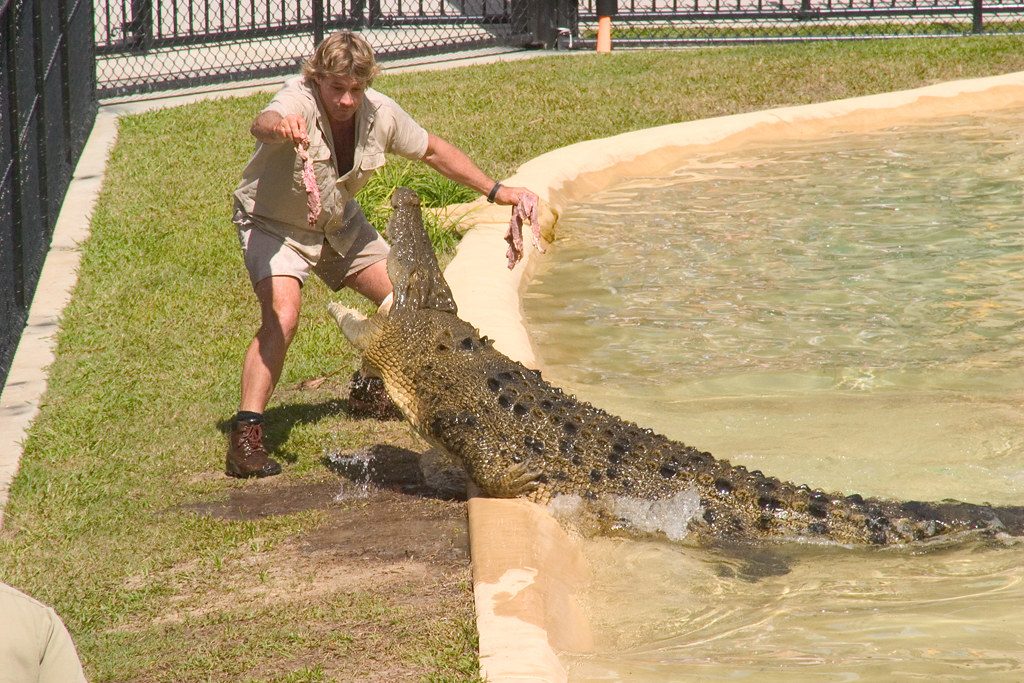
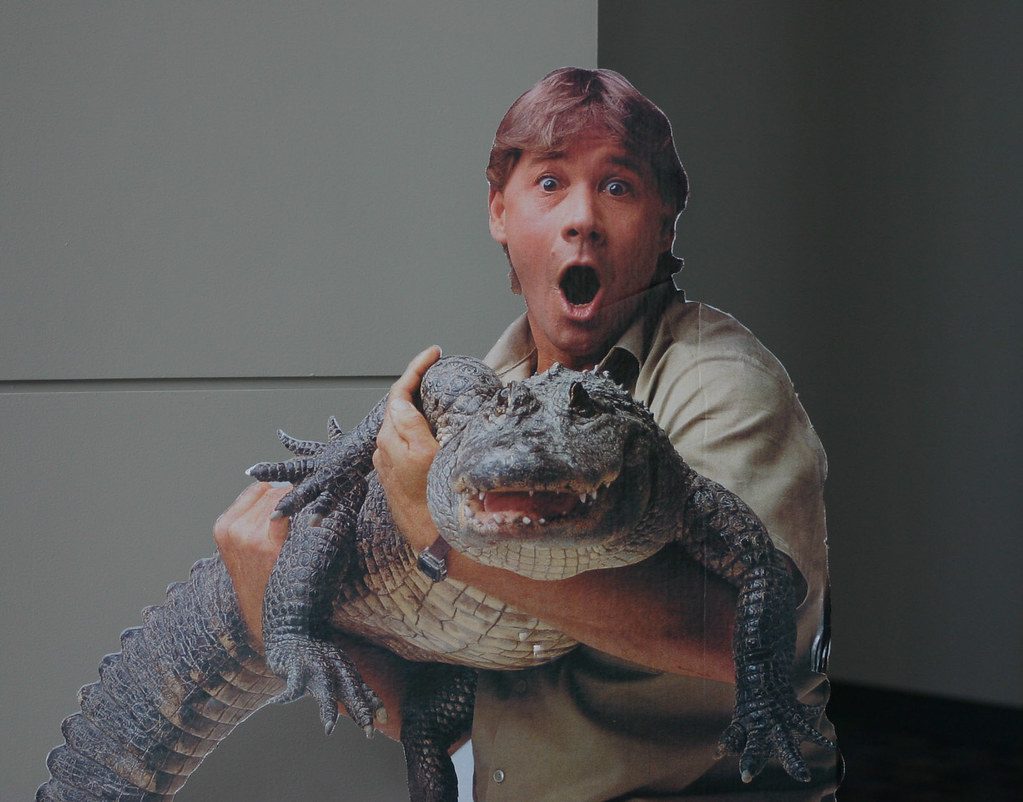
    Steve Irwin, ‘Crocodile Hunter’” by dbking is licensed under CC BY 2.0

    Steve Irwin was one of the most recognizable wildlife television stars in the world. Through “The Crocodile Hunter,” he brought animals into millions of homes and inspired children to care about nature. His high energy, excitement, and fearless attitude made him different from other television hosts. Fans admired how much he loved wildlife, even dangerous animals that many people feared.

    When news of his death spread, tributes poured in from across the globe. Visitors left flowers and messages outside Australia Zoo, the wildlife park run by the Irwin family. Television stations replayed his most famous moments, and many fans said they felt like they had lost a family member. Leaders, celebrities, and conservation groups all praised Irwin for helping people understand the importance of protecting animals and natural habitats.

    His family continued his conservation mission

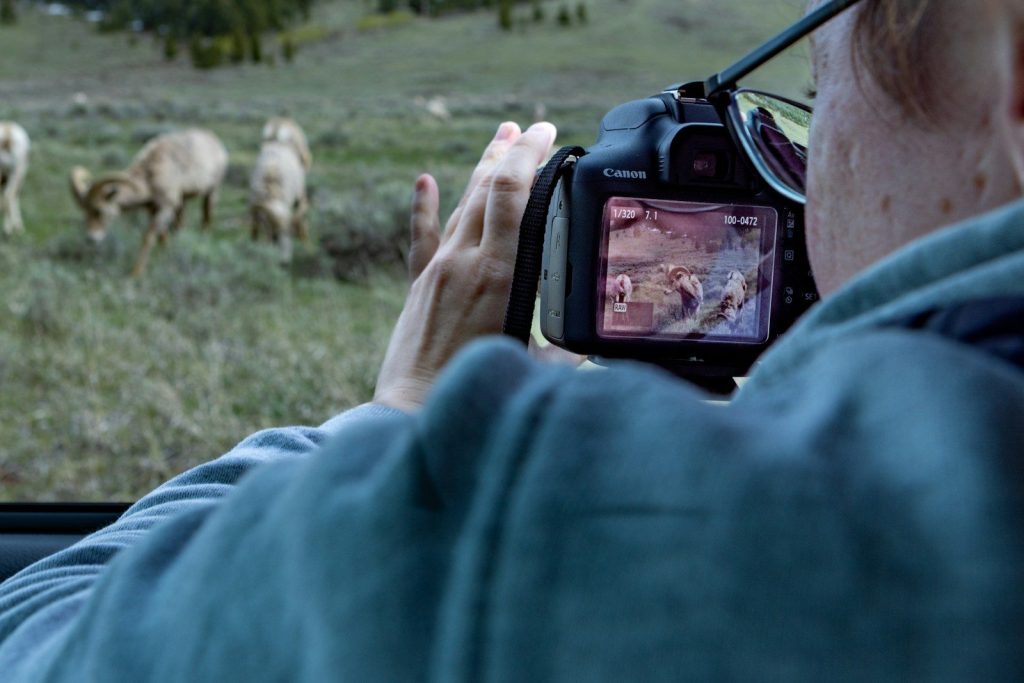
    Person photographing bighorn sheep in a grassy field.
    Photo by Judy Beth Morris on Unsplash

    After Steve Irwin’s death, his family worked hard to continue the mission he cared about most. His wife, Terri Irwin, remained active in wildlife protection and continued leading Australia Zoo. Their children, Bindi Irwin and Robert Irwin, also followed in his footsteps and became well-known conservation advocates.

    Today, Steve Irwin’s influence can still be seen around the world. His television shows continue to attract new audiences, and many wildlife experts say he inspired a new generation to care about conservation. Even though his death was tragic, supporters believe his greatest achievement was helping millions of people feel connected to animals and the environment in a positive way. His message about respecting wildlife remains strong years after his final dive.

  • Baby elephant separated by flooded river reunited with family after rescuers use dung scent trick

    Baby elephant separated by flooded river reunited with family after rescuers use dung scent trick

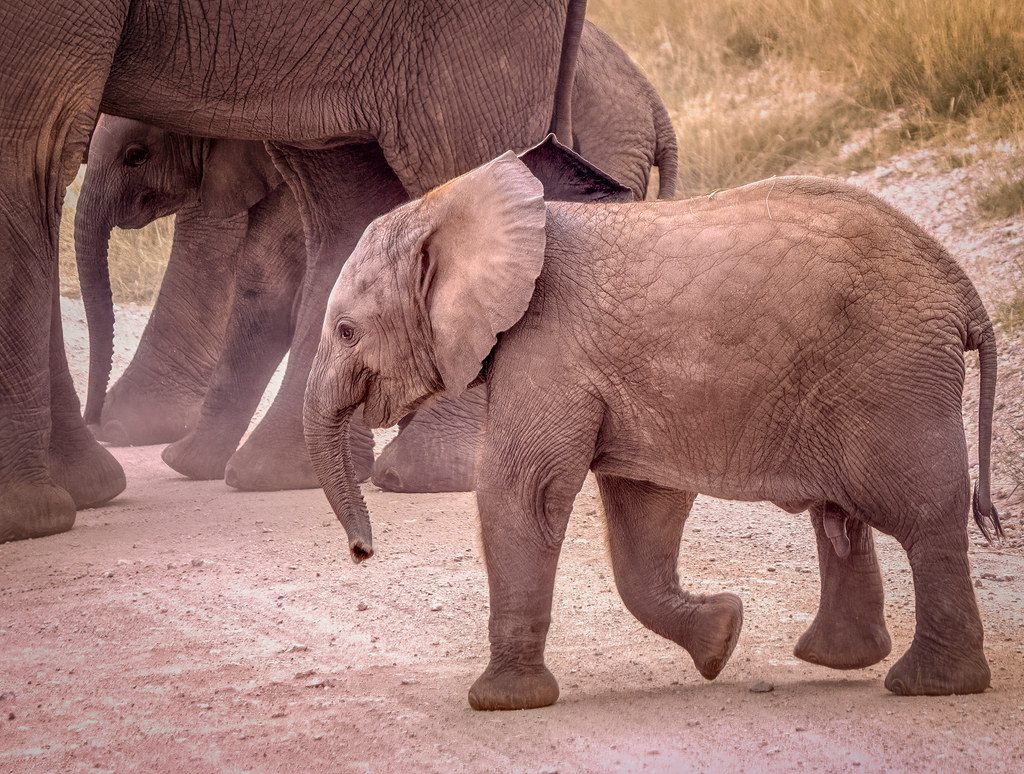
    A baby elephant separated by a flooded river was given a second chance after rescuers in Kenya helped reunite him with his family using a clever dung scent trick. The young calf became stranded after heavy water currents split him from his herd during a dangerous river crossing. For hours, the tiny elephant wandered alone while wildlife experts raced to save him before predators or exhaustion could harm him.

    This touching rescue story shows how smart elephants are and how much they depend on family bonds to survive. It also highlights the important work done by conservation teams in Africa to protect wildlife during emergencies. Here is how rescuers tracked down the herd, why they used elephant dung during the reunion, and what scientists say this moment reveals about elephant behavior.

    The flooded river separated the young calf

    green grass on white sand beach
    Photo by Matthew on Unsplash

    The rescue happened near the Ewaso Nyiro River in northern Kenya after heavy water flow made crossing dangerous for elephant families. A very young male calf, believed to be around two months old, became separated from his herd while the elephants tried to cross the swollen river near an area called Larsens. The calf was too small and weak to keep up with the adults as the fast-moving water pushed him away from the group.

    For more than three hours, the baby elephant stayed alone in the wild. That is a very dangerous situation for a calf because young elephants rely on their mothers and relatives for food, protection, and guidance. Without the herd nearby, the calf faced serious risks from dehydration, stress, and predators. Tourists in the area first noticed the lonely elephant and quickly alerted wildlife rescuers, which helped begin the emergency response before it was too late.

    Wildlife teams rushed to save the elephant

    2 men standing on brown grass field during daytime
    Photo by BĀBI on Unsplash

    Several wildlife groups worked together during the rescue effort. Teams from Save the Elephants, Lewa Wildlife Conservancy, and rangers from Samburu National Reserve joined forces to help the stranded calf. The rescuers carefully captured the elephant and placed him inside a vehicle so they could safely transport him closer to his family. Because elephant herds move constantly across large areas, finding the group again required careful tracking and teamwork.

    The rescuers drove the calf to Buffalo Springs National Reserve, where they believed the herd had traveled after the river crossing. Experts knew the reunion had to happen quickly because elephants form deep social bonds, especially between mothers and babies. Young calves nurse often and stay close to adult females almost all day. The longer the calf stayed away, the harder it would be for the herd to accept him back into the group.

    Rescuers used a dung scent trick

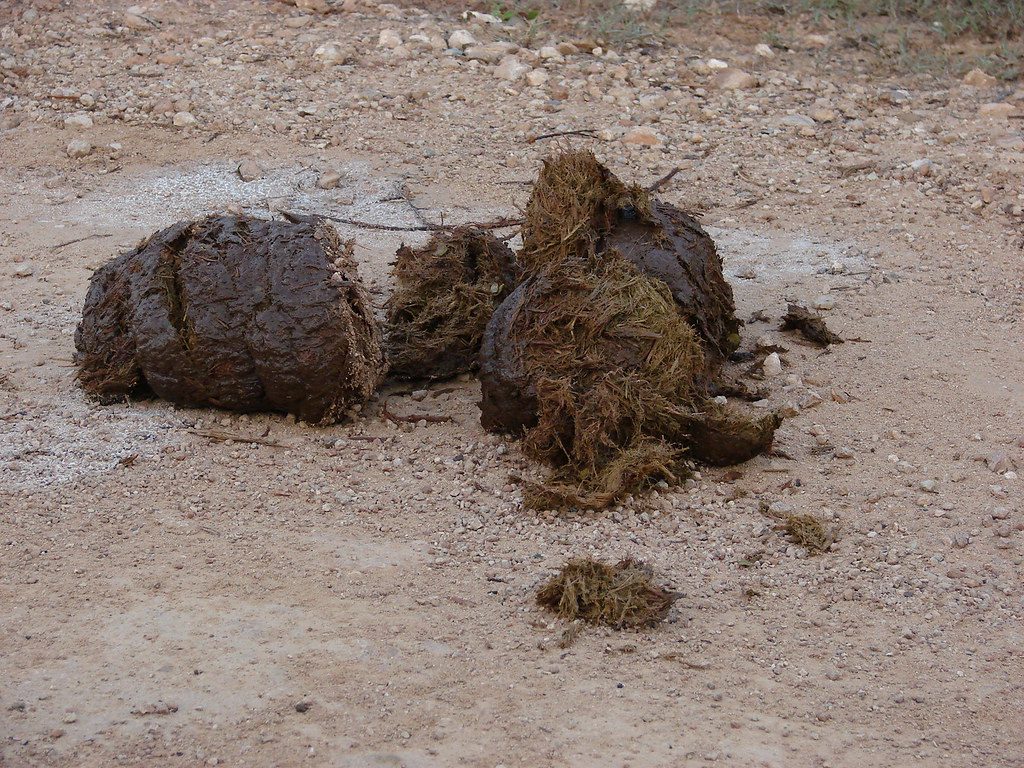
    Elephant Dung” by barbourians is licensed under CC BY-SA 2.0

    Before releasing the calf back near the herd, rescuers covered him with fresh elephant dung. This may sound strange, but wildlife experts often use scent masking during animal reunions. The goal was to hide unfamiliar smells picked up from humans, rescue equipment, and vehicles during transport. Elephants have an excellent sense of smell and use scent to recognize family members and understand their environment.

    By rubbing fresh dung onto the calf’s body, rescuers hoped the herd would focus on the calf’s natural elephant scent instead of foreign odors. This careful step helped reduce the chances of confusion or rejection when the baby approached the group again. Wildlife workers knew the reunion had to feel as natural as possible because elephant herds can become protective or nervous if something smells unfamiliar around their young calves.

    The herd slowly welcomed the calf home

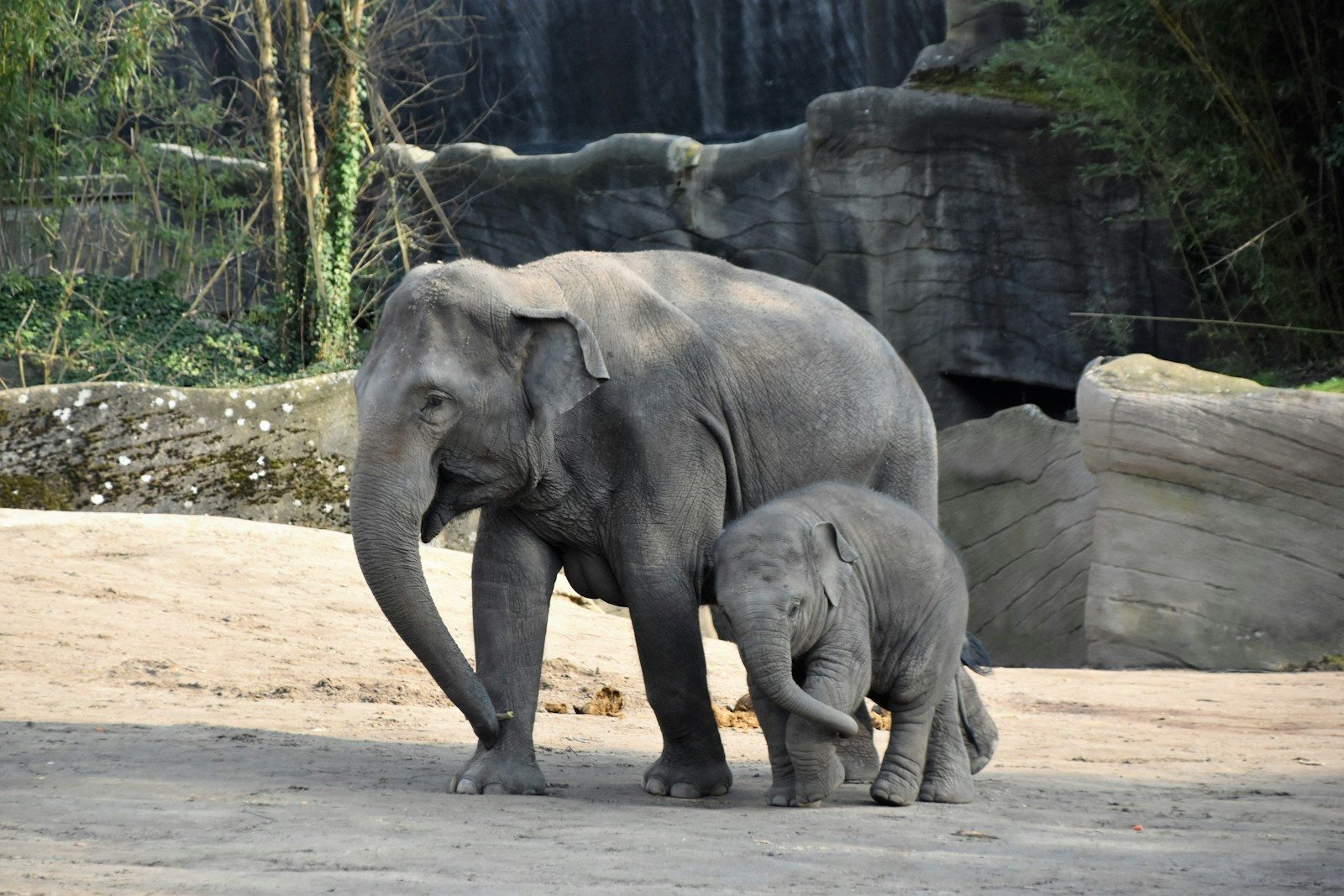
    Male African Bush Elephant Calf, Amboseli National Park” by . Ray in Manila is licensed under CC BY 2.0

    When rescuers finally released the calf near the herd, the elephants acted cautiously at first. The family, known by researchers as “The Virtues,” carefully approached the young elephant while checking his scent and behavior. For a few tense moments, nobody knew whether the herd would fully accept him after hours apart in such stressful conditions.

    Then the emotional reunion happened. The calf was seen nuzzling close to his mother while other young elephants gathered nearby. Observers said the herd eventually welcomed him back, allowing him to move safely among the adults again. The touching moment showed how strong elephant family bonds can be. Researchers who study elephants say these animals are deeply social and often protect one another during difficult situations.

    Elephant families depend on strong social bonds

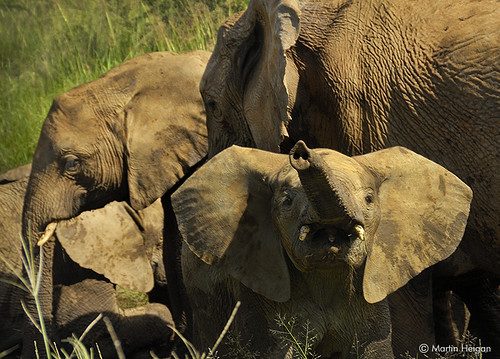
    Mischievous Little Elephant Calf” by Martin_Heigan is licensed under CC BY-NC-ND 2.0

    Elephants live in close family groups led by experienced females called matriarchs. These herds are made mostly of mothers, sisters, aunts, and calves. Young elephants learn survival skills from the adults around them, including where to find water, how to avoid danger, and how to communicate with the group. Because of this, even a short separation can place a calf in serious danger.

    Scientists who study elephants say family bonds are one of the most important parts of elephant society. Adult females often help care for babies together, almost like a babysitting team. Calves receive comfort, protection, and guidance from many members of the herd, not just their mothers. This is why successful reunions are so important. A calf raised without family support in the wild has far lower chances of survival compared to one protected by a healthy herd.

    The rescue highlights the value of conservation work

    man in orange and black backpack
    Photo by Matthew Maaskant on Unsplash

    This successful reunion also showed how important fast wildlife rescue efforts can be. Tourists who spotted the stranded calf acted quickly by notifying experts instead of trying to interfere with it. Wildlife teams then coordinated across different reserves to safely transport and reunite the elephant with his family. Conservation groups say this kind of teamwork is critical because elephant habitats face growing pressure from climate change, habitat loss, and human activity.

    Heavy flooding and changing weather patterns can make river crossings more dangerous for elephant herds, especially for babies. At the same time, rescue teams must work carefully to avoid causing more stress to wild animals during emergencies. The calf’s story ended happily, but conservation workers noted that not every separated calf can return home successfully. In some cases, orphaned elephants require long-term rehabilitation before they can safely return to the wild.

  • A grizzly bear attacks a hunter and his young son near Ashton and dies nearby

    A grizzly bear attacks a hunter and his young son near Ashton and dies nearby

    A grizzly bear attack can happen in seconds, especially in places where people and wildlife share the same land. That became real for one Idaho family when a hunter and his young son were charged by a grizzly near Ashton. The incident happened during a black bear hunt and ended with the grizzly dying just a few yards from them after the father fired in self-defense.

    This grizzly bear attack near Ashton raised questions about safety in grizzly country, what happened during the encounter, and why these incidents are becoming more common in parts of eastern Idaho. This article explains the verified facts, what officials said, how the attack unfolded, and what people can learn from the event.

    What happened near Ashton

    Photo by Vitaly Gariev on Unsplash

    On the evening of May 16, a hunter and his young son were in the Caribou-Targhee National Forest outside Ashton, near Cave Falls Road. Idaho Fish and Game said the pair were hunting black bears when they stopped near the edge of a meadow. While there, they noticed a grizzly crossing the open field.

    Officials said the grizzly appeared to catch their scent and changed direction. Instead of continuing across the meadow, the bear turned and moved directly toward the hunter and his child. The father and son tried to make the bear aware they were there, but the bear then charged. The father first fired a sidearm and then switched to a hunting rifle. The bear died within about five yards of where he was standing.

    How the attack unfolded

    Photo by Daniel Diesenreither on Unsplash

    The encounter happened very quickly. According to the official report, the hunter and his son were seated and not moving through thick brush when the bear was first seen. That matters because many grizzly attacks happen during surprise encounters in close cover. In this case, the bear was visible, but once it picked up their scent, its behavior changed fast.

    The father reportedly attempted to alert the bear to his presence before shooting. Wildlife officers said the hunter acted only after the animal began charging directly at them. Investigators later reviewed the scene and determined the shooting met the legal standard for defense of life because the grizzly was closing the distance and posed an immediate threat.

    What Idaho officials confirmed

    Photo by Amir Hosseini on Unsplash

    The incident was investigated by the Idaho Department of Fish and Game after the hunter called the Fremont County Sheriff’s Office. Officers responded and examined the location. Their findings showed the father acted lawfully to protect himself and his son.

    Grizzly bears remain protected under both state and federal law in Idaho. That means killing one is generally illegal unless there is an immediate danger to human life. In this case, officials said the facts supported self-defense. That determination was important because wildlife officers closely review every grizzly death in the region.

    Why grizzly encounters are increasing

    Photo by ambquinn on Pixabay

    Eastern Idaho lies along the Greater Yellowstone Ecosystem, one of the main grizzly habitats in the lower 48 states. The forests around Ashton and Island Park are known grizzly territory. Idaho wildlife experts have repeatedly warned hunters, campers, and hikers that grizzlies may be encountered throughout this area.

    Bear encounters are becoming more common because grizzly populations have expanded from core habitat into surrounding public lands. Spring is also a high-risk season. Bears are active after winter denning, food is limited, and they may travel farther. Hunters in spring black bear season may unexpectedly cross paths with grizzlies because both species use similar mountain terrain.

    Why hunting areas carry extra risk

    Photo by BĀBI on Unsplash

    Hunters often move quietly, use scent attractants, or remain hidden for long periods. Those behaviors can increase the chance of a close wildlife encounter. In grizzly country, even a legal hunting trip can become dangerous if a bear notices food smells, harvested game, or human scent.

    This case shows how fast that risk can rise. The father and son were not tracking the grizzly or approaching it. The bear crossed their path and then turned toward them. That sudden change is what made the situation dangerous. Wildlife officers often say grizzlies may react aggressively when they feel surprised, threatened, or confused by human presence.

    What can people learn from the attack?

    Photo by quokkabottles on Unsplash

    Experts say anyone entering grizzly habitat should assume a bear may be nearby, even when they do not see one. Bear spray is strongly recommended because it can stop many charges without killing the animal. Officials also recommend traveling in groups, making noise, and avoiding strong food scents in remote areas.

    The father in this case was armed and reacted quickly, which likely prevented severe injuries or death. Officials have not said the son was injured, and the hunter was able to contact authorities after the incident. That outcome may have been very different if the father had not had immediate access to defensive tools.

  • 6 things vets recommend for a dog’s final moments with their owner

    6 things vets recommend for a dog’s final moments with their owner

    When a beloved dog is nearing the end of life, many owners feel overwhelmed, unsure, and deeply emotional. In these final hours or days, the goal is not to fix or prolong suffering, but to focus on comfort, peace, and love. Vets often emphasize that a dog’s final moments with their owner should be calm, familiar, and free from fear or pain.

    In this article, you will learn 6 things vets recommend for a dog’s final moments with their owner, based on trusted veterinary guidance. These steps are designed to help your dog feel safe and supported while also helping you create a peaceful goodbye. Understanding these practices can make an extremely difficult time a little more gentle and meaningful for both you and your pet.

    Create a calm and quiet environment

    Photo by Darren Richardson on Unsplash

    Vets recommend making the environment as calm and quiet as possible because dogs are very sensitive to noise and stress. Loud sounds, crowded rooms, or sudden movements can make a dying or very ill dog feel anxious. A peaceful space helps the dog relax and reduces discomfort during their final moments.

    A familiar room in the home is often best. Soft lighting, low noise, and minimal activity around the dog can help them feel secure. Veterinary guidance often highlights that a quiet setting supports emotional calm and can make the experience less stressful for both the pet and the owner.

    Stay physically close and offer a gentle presence

    Photo by Jack Brind on Unsplash

    Veterinarians consistently advise owners to stay close to their dog during the end-of-life stage whenever possible. Dogs are deeply bonded to their humans, and familiar voices and touch can be very comforting. Simply being present can reduce fear and provide emotional reassurance.

    Gentle petting, resting a hand on their body, or sitting beside them quietly can help your dog feel safe. Experts note that dogs often remain aware of human presence even when they are very weak or unresponsive, especially through hearing, which tends to last longer than other senses. Speaking softly can be especially soothing during this time.

    Focus on comfort and pain relief

    Photo by Xan Griffin on Unsplash

    One of the most important veterinary recommendations is ensuring the dog is comfortable and not in pain. Dogs nearing the end of life may experience discomfort due to illness, organ failure, or weakness. Vets often use medications to help reduce pain, anxiety, or distress so the dog can rest peacefully.

    At home, comfort can also come from simple things like a soft bed, supportive blankets, and a temperature that is neither too hot nor too cold. Some dogs may also benefit from being repositioned gently to avoid stiffness or pressure. The main goal is to reduce suffering and help the dog feel physically at ease.

    Allow natural behavior and emotional expression

    Photo by Ray_Shrewsberry on Pixabay

    Vets also encourage owners to allow dogs to behave naturally in their final moments. This may include wanting to sleep more, seeking solitude, or staying very close to their owner. Forcing activity or interaction can create unnecessary stress, so it is better to follow the dog’s needs.

    Some dogs may also show confusion, restlessness, or changes in behavior as their bodies slow down. Veterinary sources explain that these changes are part of the natural process and should be met with patience and calm support. Allowing the dog to guide the interaction helps preserve dignity and reduces emotional strain.

    Use familiar scents, items, and routines

    Photo by Chewy on Unsplash

    Familiarity is extremely comforting for dogs, especially at the end of life. Vets often recommend surrounding the dog with items they know well, such as their favorite blanket, bed, or toy. These familiar scents can provide emotional security even when the dog is very weak.

    Keeping simple routines can also help. For example, speaking in a normal tone or maintaining gentle daily habits can create a sense of stability. Dogs rely heavily on smell and routine, and familiar surroundings can help reduce confusion and anxiety during their final moments.

    Consider saying goodbye in your own way

    Photo by Vitaly Gariev on Unsplash

    Veterinarians often encourage owners to say goodbye in a way that feels meaningful and personal. This might include speaking softly to the dog, telling them they are loved, or simply sitting quietly together. Even if the dog cannot respond, many experts note that hearing is often one of the last senses to fade.

    Some owners choose to express gratitude or share calm words of reassurance. Others prefer a silent presence. There is no single correct way, but vets agree that emotional connection and calm presence can help both the dog and the owner through this moment. This step is often the most personal part of the process.

  • Therapy dog sits next to a brain-damaged boy and leaves doctors stunned

    Therapy dog sits next to a brain-damaged boy and leaves doctors stunned

    How a therapy dog helped a boy heal

    A story about a therapy dog sitting next to a brain-damaged boy sounds almost too amazing to believe. Stories like that often spread online, but many are retold without clear facts. What is true is that therapy dogs are used in real hospitals, and medical studies show they can help children with brain injuries feel calmer, take part more in therapy, and stay motivated during recovery.

    If you are wondering whether a dog can really make a difference during healing, the answer is yes—but not in a magical way. Therapy dogs do not cure brain damage. What they can do is support emotional comfort, reduce fear, and help children engage in treatment. That support can matter a lot during a long recovery. This article explains how therapy dogs are used, what doctors have found, and why one quiet moment beside a child can leave everyone in the room amazed.

    The story behind the therapy dog visit

    Photo by Helena Lopes on Unsplash

    Many viral stories describe a dog sitting beside a child with a serious brain injury and creating a sudden emotional reaction. In some versions, doctors say they were stunned because the child moved, smiled, or reacted after being quiet for days. While exact viral posts are often hard to verify, hospitals do regularly bring certified therapy dogs into rehabilitation units for children recovering from brain injuries.

    That means the core idea is real, even if some dramatic internet versions are exaggerated. A therapy dog may sit on the bed, rest near a patient, or stay during physical therapy. The goal is not a miracle. It is to help the child feel safe enough to interact, speak, move, or join treatment. Sometimes a simple response from a child who has withdrawn can feel extraordinary to families and doctors alike.

    What does brain damage mean in a child?

    Photo by Vitaly Gariev on Unsplash

    Brain damage in children can happen after a fall, car crash, infection, stroke, or lack of oxygen. Doctors often call this an acquired brain injury. The effects can include trouble talking, walking, remembering, or controlling emotions. Recovery depends on how severe the injury is and which part of the brain was harmed.

    Children with these injuries may seem very different from one day to the next. Some are awake but do not respond much. Others become upset easily or feel tired during therapy. Because recovery can be slow, doctors use many forms of rehabilitation. This includes physical therapy, speech therapy, and occupational therapy. Therapy dogs are now being added to some of these programs to help children stay engaged.

    Why are dogs used in hospitals?

    Photo by Age Cymru on Unsplash

    Therapy dogs are specially trained animals that work with handlers. They are not pets brought in casually. They are tested for calm behavior and are introduced in controlled settings. Hospitals use them because contact with calm animals can lower stress and help patients feel more comfortable during treatment.

    For children, this can be especially powerful. Hospitals are loud and scary places. Machines beep, nurses check vital signs, and therapy sessions can be exhausting. A dog can make the room feel less frightening. That can help a child relax enough to cooperate with exercises that would otherwise feel painful or overwhelming.

    What research says about therapy dogs and brain injury

    Photo by Leo Rivas on Unsplash

    Real research supports the idea that therapy dogs can help children with brain injuries during rehab. A study from Cincinnati Children’s Hospital Medical Center looked at therapy dogs during inpatient rehabilitation for children with acquired brain injuries. Researchers found that adding dogs was feasible and helped improve participation in therapy sessions.

    A separate controlled study in adults with acquired brain injury found that patients showed more social behavior and stronger communication when an animal was present. They also had better mood and motivation during sessions. That does not mean the dog healed the injury. It means the dog made the therapy process work better, which can support recovery over time.

    Why doctors may be surprised

    Photo by Vitaly Gariev on Unsplash

    Doctors are trained to follow medical signs, not emotional moments. But recovery from brain injury can be unpredictable. A child who has not spoken may whisper to a dog. A child who refuses physical therapy may suddenly reach out to pet the animal. Those moments matter because they show awareness, movement, and emotional connection.

    That is why doctors sometimes react strongly. They are not shocked because the dog performed medicine. They are surprised because the child did something unexpected after a difficult injury. In rehabilitation, even a small movement of a hand or eye contact can be an important step. A dog can sometimes become the reason that step happens.

    The emotional bond can support healing

    Photo by Torsten Dederichs on Unsplash

    A therapy dog offers something medical equipment cannot. It gives comfort without asking anything in return. Children may trust animals when they are scared of adults around them. The dog does not ask questions, give instructions, or perform painful tests. It simply stays nearby.

    That emotional bond can reduce stress hormones and improve mood. Lower stress may help a child focus during rehabilitation. Families often notice that children smile more, speak more, or seem more awake after visits. Those changes may not be permanent after one visit, but they can help create better therapy sessions over many weeks.

  • 6 things experts say you should never do with your dog

    6 things experts say you should never do with your dog

    When it comes to caring for your pet, many owners unknowingly make mistakes that can harm their dog’s health, safety, or behavior. Understanding the things experts say you should never do with your dog is one of the most important steps in being a responsible pet owner. Dogs depend completely on humans for protection, routine, and care, so even small errors can lead to serious problems over time.

    In this article, you will learn six major mistakes that veterinarians, trainers, and animal care experts strongly warn against. Each one is based on well-known dog safety guidance and real veterinary advice. By the end, you will know exactly what to avoid and how to keep your dog healthier, safer, and happier in everyday life.

    Never leave your dog alone in a car

    Photo by Julia Khusainova on Unsplash

    One of the most dangerous mistakes experts warn about is leaving a dog alone in a parked car, even for a short time. Cars can heat up extremely fast, even on mild days, and dogs cannot cool themselves the way humans can. This can quickly lead to heatstroke, organ failure, or even death.

    Another risk is that dogs can accidentally shift gear controls or cause other unsafe situations inside the vehicle. Because of these dangers, animal safety experts strongly advise that dogs should never be left unattended in a car under any circumstances.

    Never use harsh punishment or physical force

    Photo by nygi on Unsplash

    Experts in animal behavior strongly warn against hitting, yelling at, or using fear to train a dog. Physical punishment does not teach proper behavior. Instead, it creates fear, confusion, and broken trust between a dog and its owner.

    Dogs learn best through calm guidance and positive reinforcement, where good behavior is rewarded. Harsh treatment can lead to anxiety, aggression, or long-term behavioral problems. A dog that fears its owner is less likely to listen and more likely to act out in stressful situations.

    Never skip regular veterinary care

    Photo by Karsten Winegeart on Unsplash

    Skipping vet visits is another serious mistake that experts frequently highlight. Even if a dog looks healthy, internal health problems can develop without obvious signs. Regular checkups help catch issues early before they become serious or expensive to treat.

    Veterinarians also monitor vaccinations, dental health, weight, and overall wellness. Preventive care is a key part of keeping dogs healthy throughout their lives. Waiting until a dog is visibly sick often means the problem has already progressed too far.

    Never ignore your dog’s exercise and mental needs

    Photo by Andrea Lightfoot on Unsplash

    Dogs are active animals that need both physical exercise and mental stimulation every day. Experts warn that a lack of activity can lead to obesity, boredom, and destructive behavior like chewing furniture or excessive barking.

    Mental stimulation is just as important as physical movement. Dogs need play, training, and interaction to stay balanced and happy. Without these outlets, they can develop stress-related behaviors that are difficult to correct later.

    Never leave dogs unsupervised with young children or unfamiliar animals

    Photo by Helena Lopes on Unsplash

    Animal behavior experts strongly advise against leaving dogs alone with small children or unfamiliar dogs. Even the most gentle dog can react unpredictably if it feels scared, stressed, or overwhelmed. Likewise, children may unintentionally hurt or startle a dog without understanding boundaries.

    Unfamiliar dogs can also trigger fights or aggressive behavior, especially in uncontrolled environments like parks or gatherings. Supervision is essential to prevent accidents and protect both the dog and others from injury.

    Never neglect training or basic structure

    Photo by Vitalii Khodzinskyi on Unsplash

    One of the most common long-term mistakes experts see is skipping proper training. Dogs need clear rules and consistency to understand how they should behave in human environments. Without training, dogs may develop habits like jumping on people, pulling on the leash, or ignoring commands.

    Training does not have to be harsh or complicated. Simple daily routines, patience, and positive reinforcement help dogs learn quickly and build confidence. A well-trained dog is safer, easier to manage, and more comfortable in different situations.

  • Steps to take if you discover an opossum nest in your yard

    Steps to take if you discover an opossum nest in your yard

    Finding an opossum nest in your yard can feel surprising or even worrying, especially if you are not sure what the animals will do next. Many homeowners immediately wonder if they should remove it, leave it alone, or call for help. The truth is that opossum nests in yard situations are usually harmless and often temporary, but they still need careful handling.

    In this guide, you will learn exactly what to do, step by step, so you can protect your yard while also keeping the animals safe. You will understand how to check the situation, when to intervene, and when to simply let nature take its course, all in a simple and safe way.

    Step 1: Assess the situation carefully from a distance

    “Opossum” by graftedno1 is licensed under CC BY-ND 2.0

    The first and most important step is to stay calm and observe from a safe distance. Opossums are usually not aggressive and prefer to avoid humans, so direct interaction is not needed. Most of the time, what looks like a “nest” is actually a temporary shelter under a porch, brush pile, or shed rather than a built nest like a bird would make.

    Check whether the opossum is an adult or if there are babies present. If you see a mother opossum moving normally at night, it is usually not a problem. However, if you notice baby opossums alone, especially small ones, that may require attention. Also, look for signs of distress such as weakness, injury, or unusual behavior. Healthy opossums are typically active at night and will move on within a few days.

    Step 2: Determine if it is a real problem or normal wildlife behavior

    Photo by csbonawitz on Pixabay

    Before taking action, you need to decide if the situation actually requires help. In many cases, opossums are simply passing through your yard in search of food or shelter. They do not build long-term nests and often stay in one place only briefly.

    If the animal looks healthy and is not causing damage, the safest choice is to leave it alone. Opossums are beneficial because they eat insects, ticks, and other pests. However, if the opossum appears injured, is lying still during the day, or shows signs of illness, then it may need professional help. Also, if you find babies without a mother nearby, you should consider intervention or at least contact a wildlife expert.

    Step 3: Protect yourself, your pets, and the opossum

    Photo by Joel Moysuh on Unsplash

    Safety should always come first. Never touch an opossum with your bare hands. Even though they are not usually dangerous, all wild mammals can carry diseases, so it is important to avoid direct contact. Use gloves if you must be near the area, and keep pets like dogs and cats away from the site.

    Do not try to scare, chase, or trap the opossum on your own unless you have proper guidance. Sudden actions can stress the animal and may cause it to react defensively, such as hissing or playing dead. Instead, keep the area quiet and reduce activity nearby. This gives the animal a chance to move away naturally without panic or harm.

    Step 4: Check for baby opossums and understand their needs

    “058” by mira d’oubliette is licensed under CC BY-NC-ND 2.0

    If there is a nest area, carefully look for babies from a distance. Baby opossums, also called joeys, are often found alone if they fall off their mother’s back or if something happens to the adult. Very small joeys usually cannot survive on their own and need expert care.

    A key rule used by wildlife experts is that small opossums under about 7 inches long (not including the tail) often need help, especially if they are alone or the mother is not around. If you suspect babies are orphaned, do not try to feed them or move them without guidance. Incorrect care or feeding can seriously harm them. The safest action is to contact a licensed wildlife rehabilitator who knows how to care for them properly.

    Step 5: Contact a wildlife rehabilitator when needed

    Photo by Wesley Hilario on Unsplash

    If you believe the opossum is injured, sick, or orphaned, the next step is to contact a wildlife rehabilitator. These trained professionals are the only ones who can safely care for wild animals and give them the correct food and treatment.

    When you call, explain what you saw, including the location, the animal’s condition, and whether babies are present. Follow their instructions carefully. Sometimes they may ask you to contain the animal in a ventilated box lined with soft cloth, but only do this if they specifically guide you to do so. In many cases, simply waiting safely until help arrives is the best option.

    Step 6: Make your yard less attractive for future visits

    Photo by Olga Serjantu on Unsplash

    Once the situation is under control, you can take steps to discourage opossums from returning. Start by removing easy food sources like fallen fruit, pet food left outside, and uncovered trash. Opossums are attracted to yards that offer food and shelter, so reducing these will help a lot.

    You should also block hiding spots such as gaps under sheds, decks, or wood piles. Keep your yard clean and trim overgrown areas where animals might hide. Even though opossums are helpful for controlling pests, making your yard less inviting will encourage them to move on naturally without causing problems.