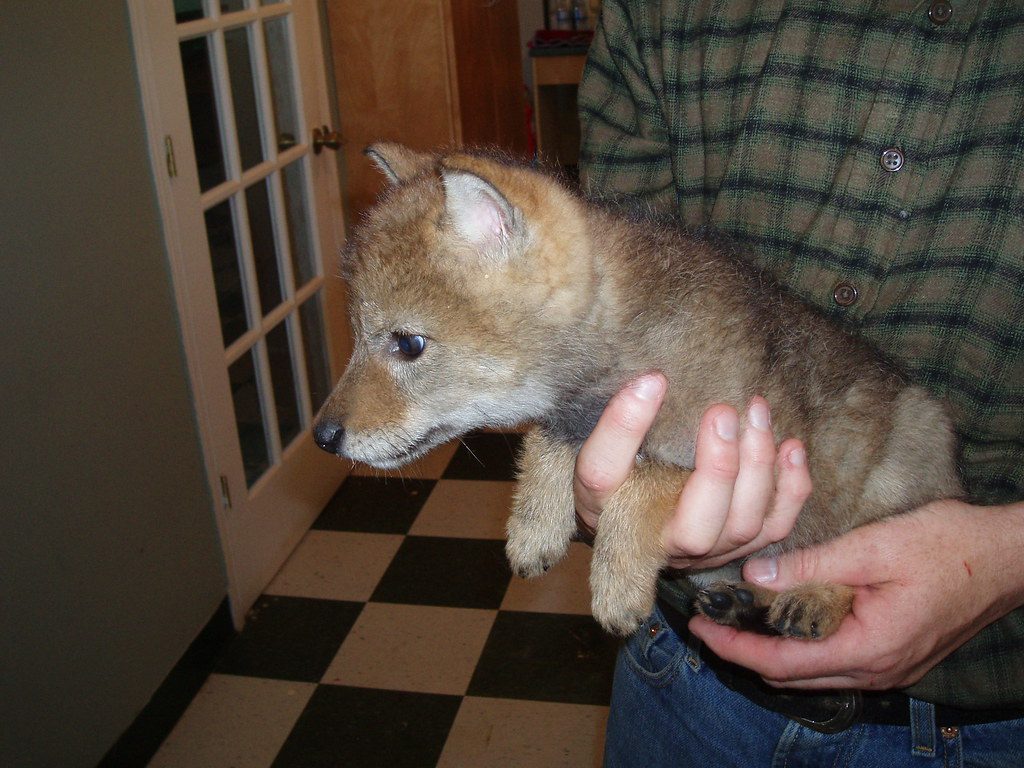
A coyote puppy shows up in a backyard, and what starts as a surprising wildlife moment quickly turns into a life-changing experience for one family. At first, they think the tiny animal is just a lost puppy needing help. But as days pass, they realize it is actually a wild coyote pup that somehow wandered far from its natural habitat.
In rare and carefully managed cases like this, human contact can lead to unexpected bonds, especially when wildlife experts step in to guide the situation safely. This story is not just about a cute backyard visitor. It also shows how wild animals behave when they lose their way and how humans respond with care, caution, and responsibility.
How the coyote puppy appeared in the backyard
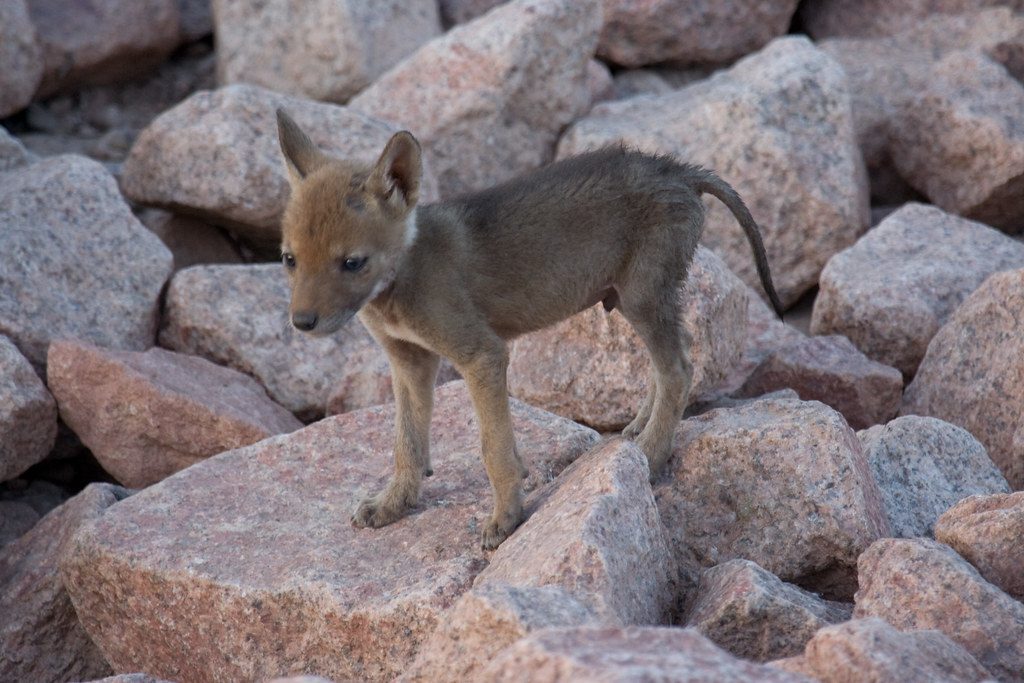
The coyote puppy did not arrive with a warning or sound. One day, it simply appeared in the backyard, small, curious, and clearly alone. Families often first notice behavior that seems unusual, like the pup watching from a distance or slowly exploring the yard without fear.
Wildlife experts explain that young coyotes can sometimes become separated from their parents while exploring or due to natural movement through territory. In many documented cases, they end up near homes because suburban areas overlap with natural wildlife spaces. This creates rare but real encounters like this one.
Mistaking a wild pup for a lost pet
At first, the family believed the animal might be a lost dog. This is a very common reaction because young coyotes can look soft, friendly, and harmless. Their size and behavior can easily confuse people who are not used to seeing wildlife up close.
However, trained professionals always warn that wild pups should never be treated as pets. Even if they appear calm, they are still wild animals with instincts that develop quickly. Approaching or trying to keep them can create safety risks and also harm the animal’s ability to survive naturally.
When concern turns into care and caution

Once the family realized the pup might not be a domestic animal, they became more careful and contacted wildlife experts. This step is very important in real-life situations because trained responders know how to assess the animal safely without causing stress or harm.
In similar documented cases, wildlife teams check for injuries, dehydration, or signs that the pup is truly separated from its family. They also decide whether the animal should be monitored, temporarily cared for, or guided back toward its natural environment. Every decision is made to protect both the animal and the public.
Why the coyote pup stayed nearby
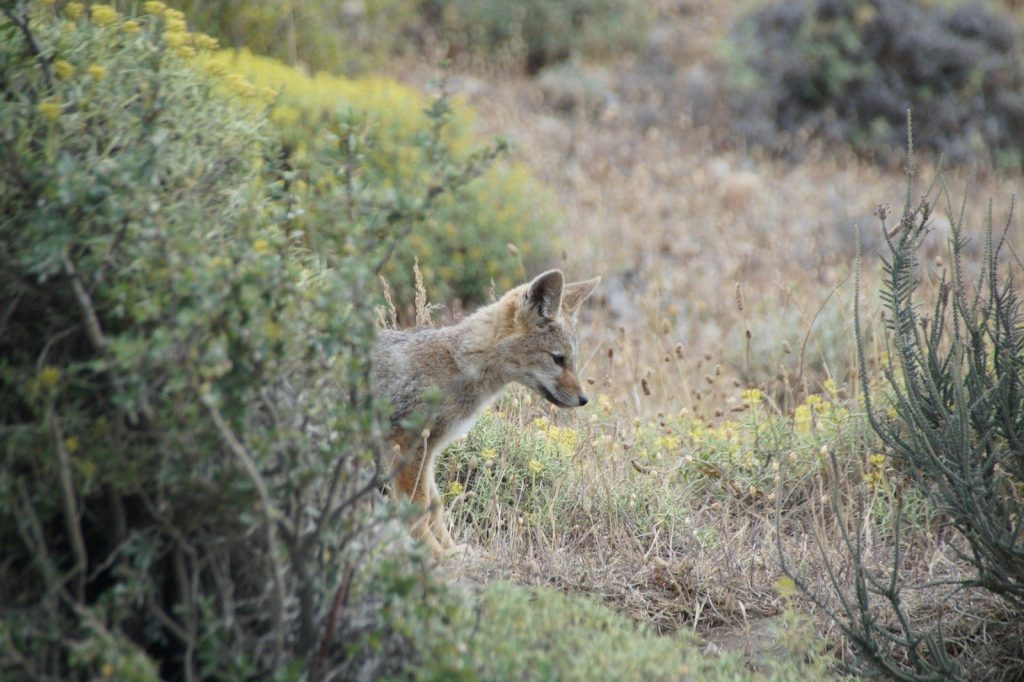
The pup did not leave right away. Instead, it kept returning to the backyard, which made the situation more emotional for the family. Wildlife experts explain that young coyotes may stay close to human areas if they feel safe, especially if they are not reunited with their pack quickly.
During this time, the family observed behaviors that seemed almost playful and curious. However, experts stress that this behavior is still part of a wild animal’s development. Even when they appear friendly, coyotes are learning survival skills that they will need later in life.
The role of wildlife experts in the situation
Wildlife professionals played a key role in managing the situation. Their job is not to turn wild animals into pets but to guide them back to a natural life whenever possible. They carefully monitor behavior and decide the safest next steps.
In many real cases like this, pups are either reunited with their family or taken to rehabilitation centers where they can grow without losing their natural instincts. Human interaction is limited, controlled, and always focused on long-term survival in the wild.
The emotional bond and final outcome
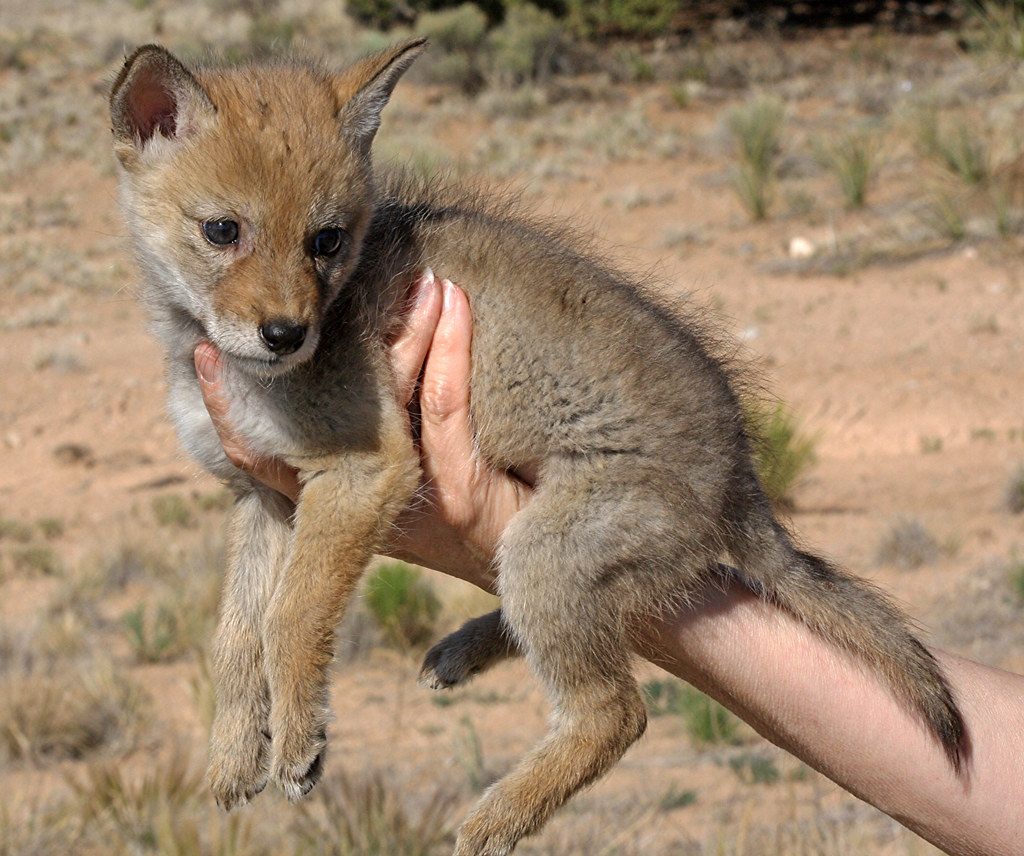
Over time, the family developed a strong emotional connection to the coyote pup. Watching it grow and return daily created a sense of attachment that is difficult to ignore. However, the most important goal remained the same: giving the animal the best chance to survive in the wild.
Eventually, the pup either returns to its natural environment or is placed in a controlled wildlife setting where it can safely develop before release. While the bond feels personal, experts remind everyone that the true success is when the animal can live freely and safely in nature again.
Leave a Reply