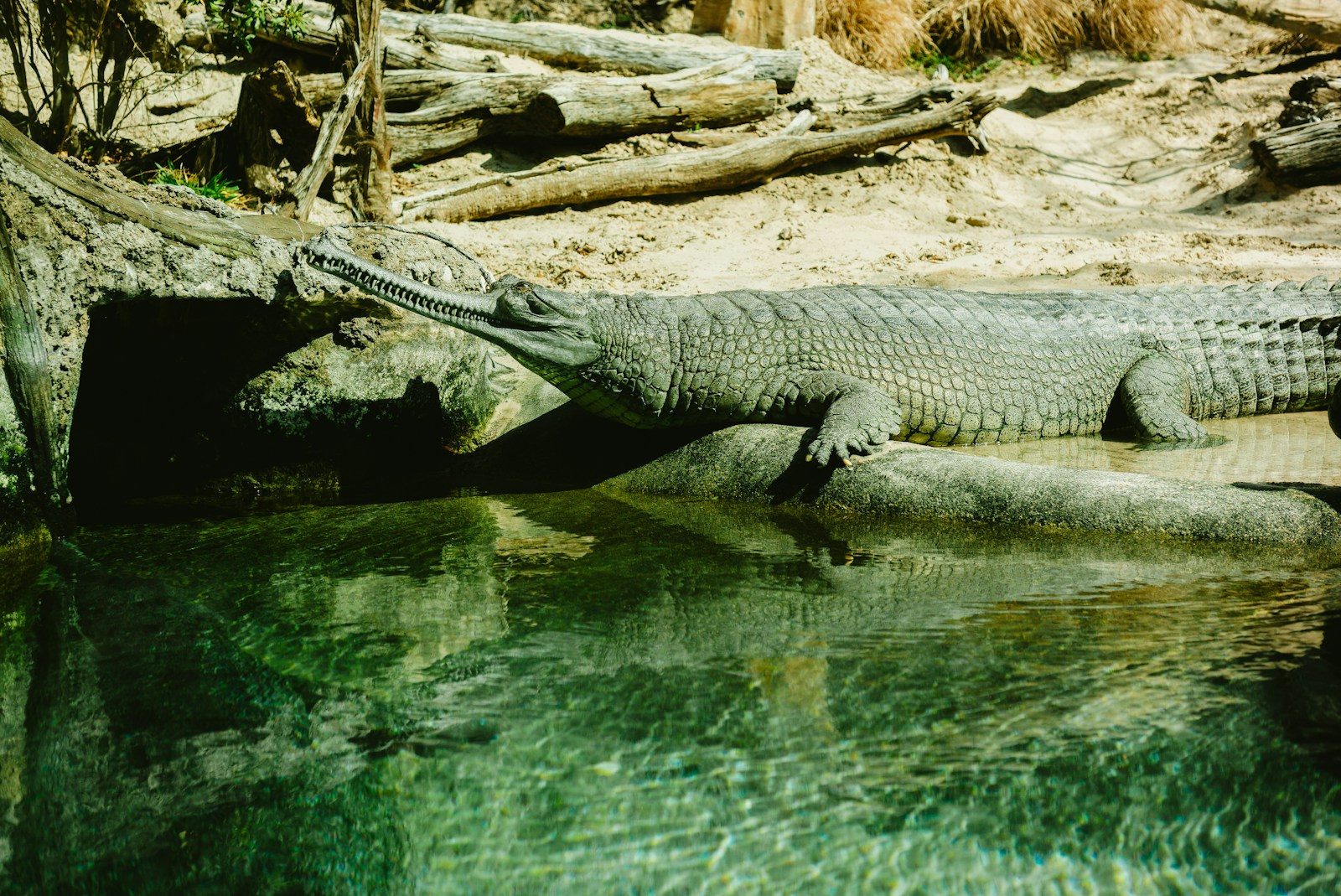
The gharial is one of the world’s most unusual crocodilians. Unlike its broad-snouted relatives, this remarkable reptile has evolved almost exclusively for life in fast-flowing rivers, where fish make up nearly its entire diet.
Every feature of its body, from its slender jaws to its powerful tail, is designed for speed and precision underwater. Although it may look unusual, the gharial is one of nature’s most specialized aquatic predators.
A crocodilian unlike any other
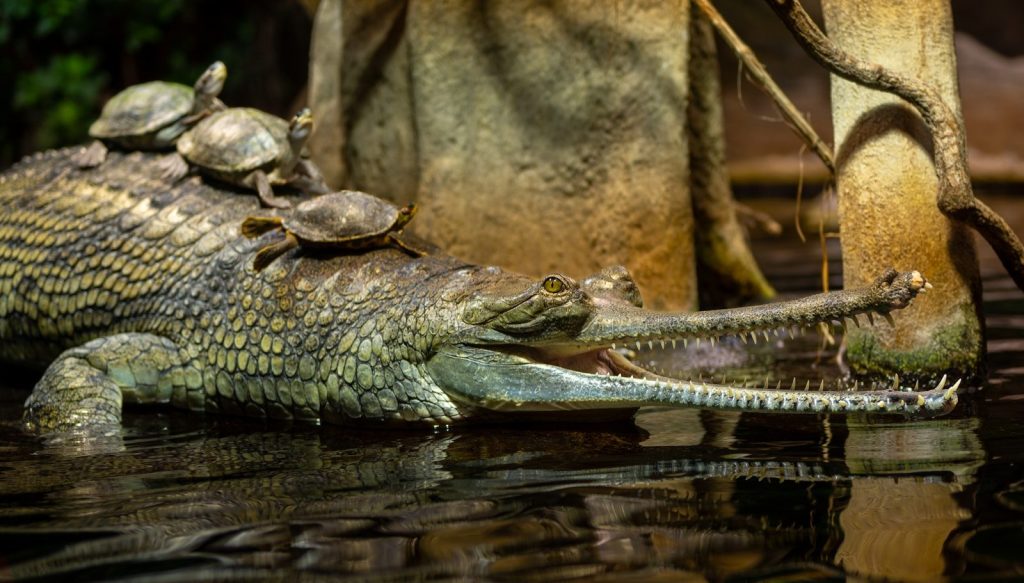
The gharial is instantly recognized by its extremely long, narrow snout lined with more than 100 sharp, interlocking teeth. This distinctive jaw creates very little resistance as it slices through the water, allowing the animal to snap at fast-moving fish with exceptional speed.
Unlike many crocodiles, the gharial is poorly adapted for capturing large land animals.
Built for life in the river
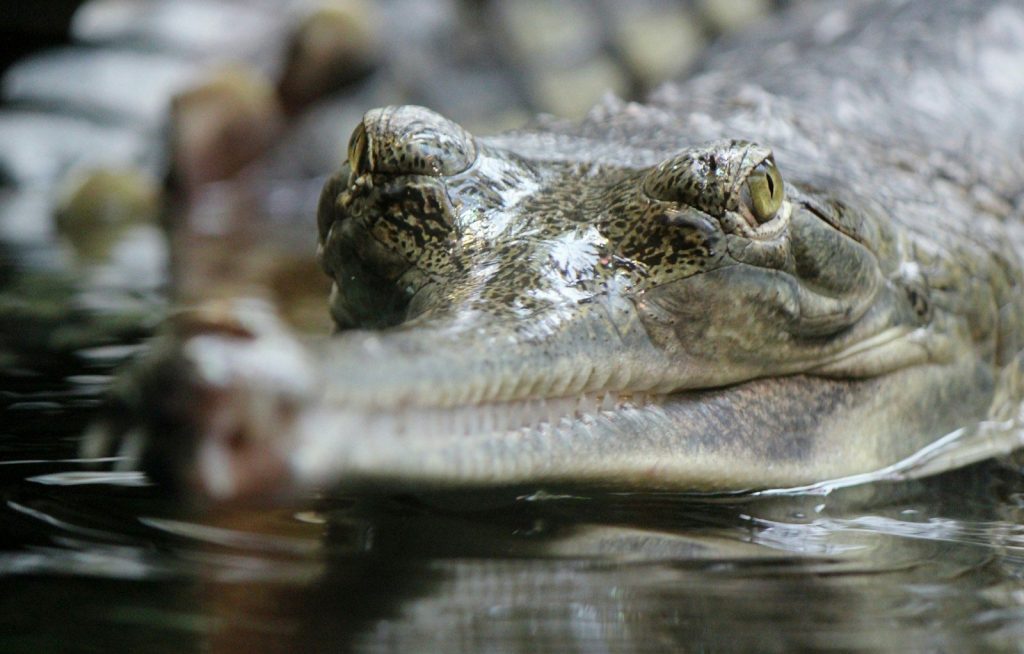
Gharials spend nearly their entire lives in large freshwater rivers. Their streamlined bodies and powerful tails make them graceful swimmers, while their relatively weak legs leave them awkward on land.
They usually leave the water only to bask in the sun or to nest.
A master of catching fish
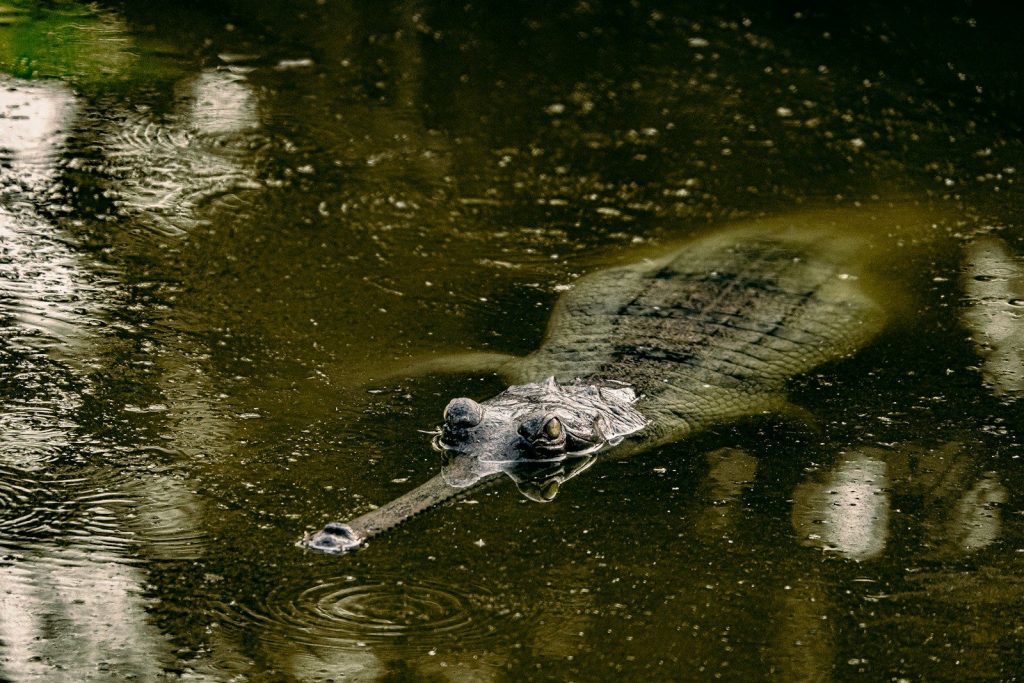
Instead of relying on brute strength, gharials use rapid, lateral jaw movements to seize slippery fish. Their long snouts allow them to react quickly while minimizing drag, making them among the most efficient fish-hunting crocodilians.
Young gharials also eat insects, frogs, and crustaceans before shifting mainly to fish as they mature.
Fierce rivals during breeding season
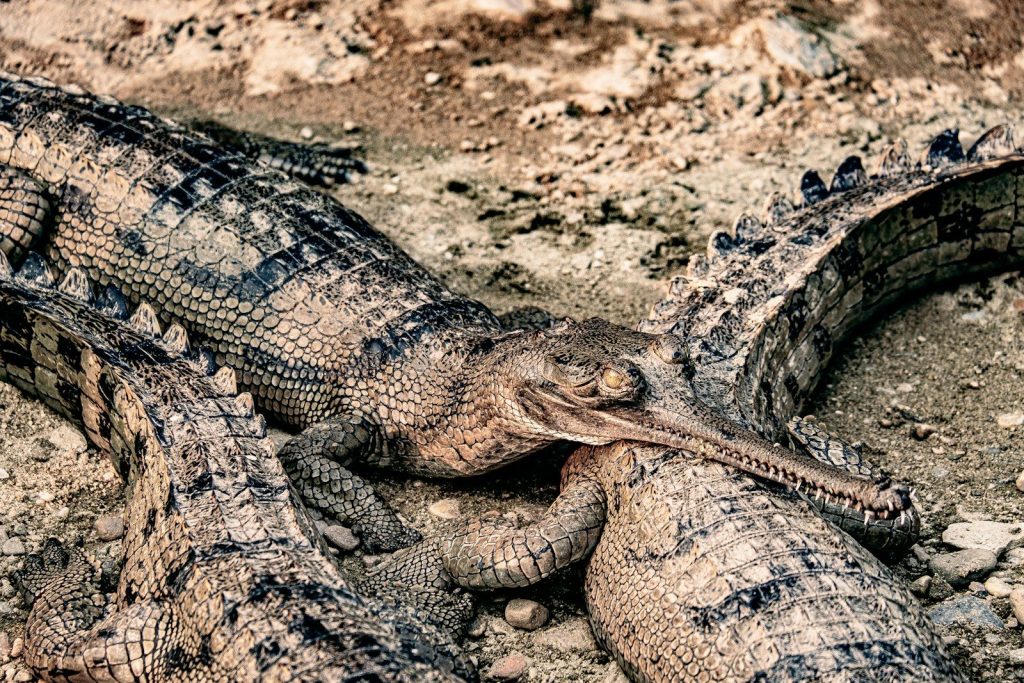
Adult male gharials develop a rounded structure called a ghara at the tip of the snout. During the breeding season, males defend territories, produce buzzing vocalizations, and compete with rivals for access to females.
These confrontations can involve dramatic displays of strength and dominance along the river.
Fighting for survival
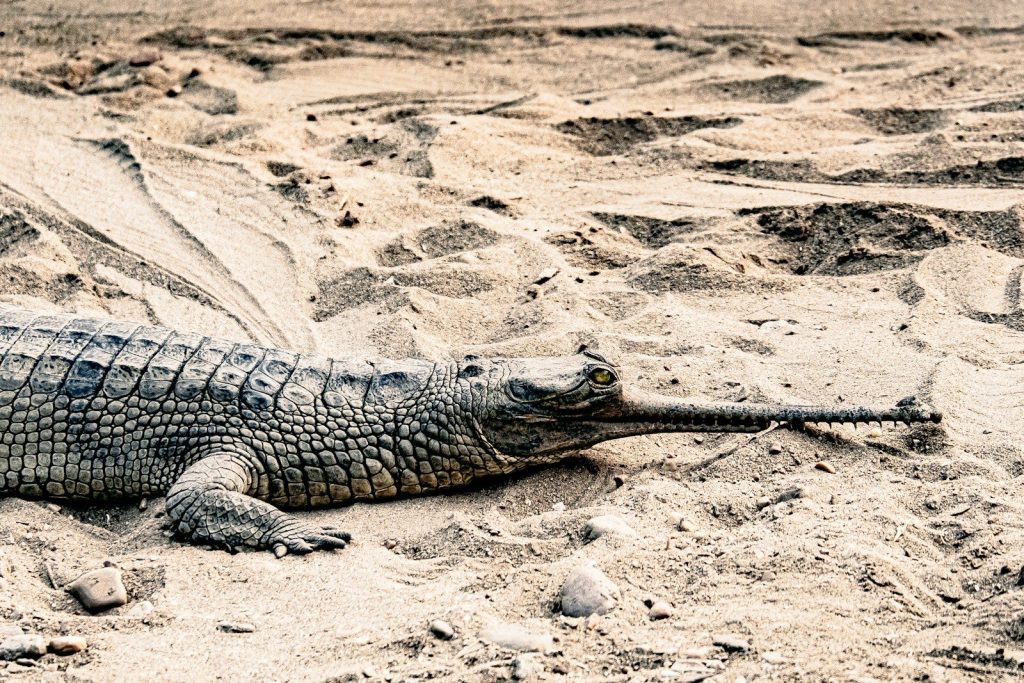
Despite surviving for millions of years, gharials are now among the world’s most threatened crocodilians. Dam construction, sand mining, fishing nets, pollution, and habitat loss have reduced their range to only a few river systems in India and Nepal.
Conservation breeding and reintroduction programs are helping stabilize some populations, but the species remains critically endangered.
Why the gharial matters
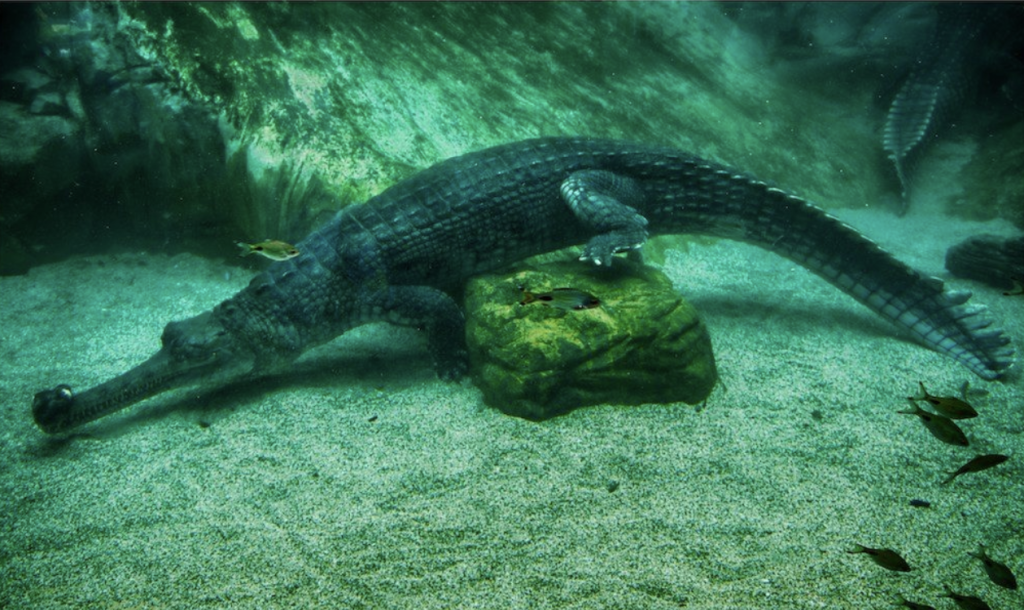
As a top fish predator, the gharial helps maintain healthy freshwater ecosystems. Its presence often indicates a river with abundant fish and relatively good environmental conditions.
Protecting gharials also safeguards the rivers that support countless other plants and animals.
Leave a Reply