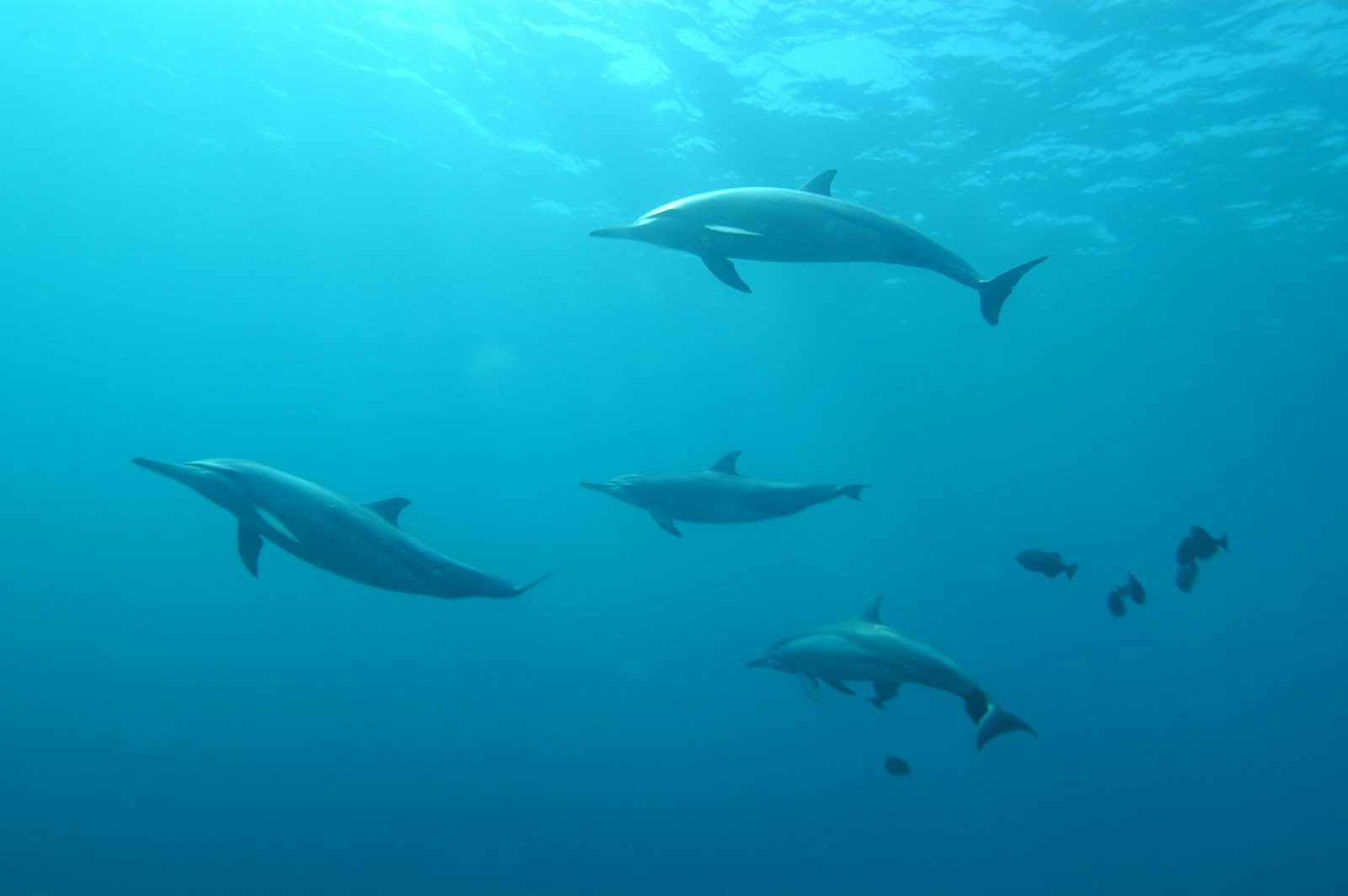
Have you ever wondered what happens when one of the ocean’s top predators meets fast-moving dolphins? Recently, whale watchers witnessed orcas pursuing dolphins in Monterey Bay, creating a rare and unforgettable wildlife moment. While the scene was dramatic, it also showed the natural balance of life in the ocean. Watching predators hunt may seem surprising, but it is an important part of a healthy marine ecosystem.
In this article, you’ll learn what happened during the encounter, why orcas hunt dolphins, why Monterey Bay is a hotspot for marine life, and how responsible whale watching helps protect these incredible animals.
What happened during the encounter
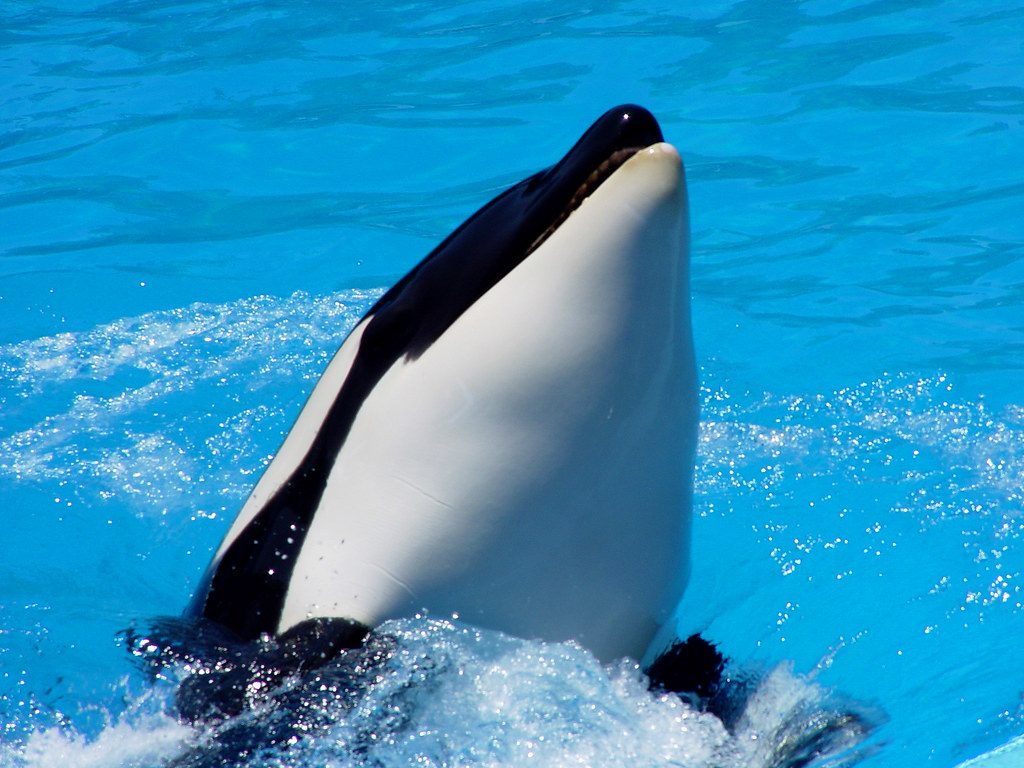
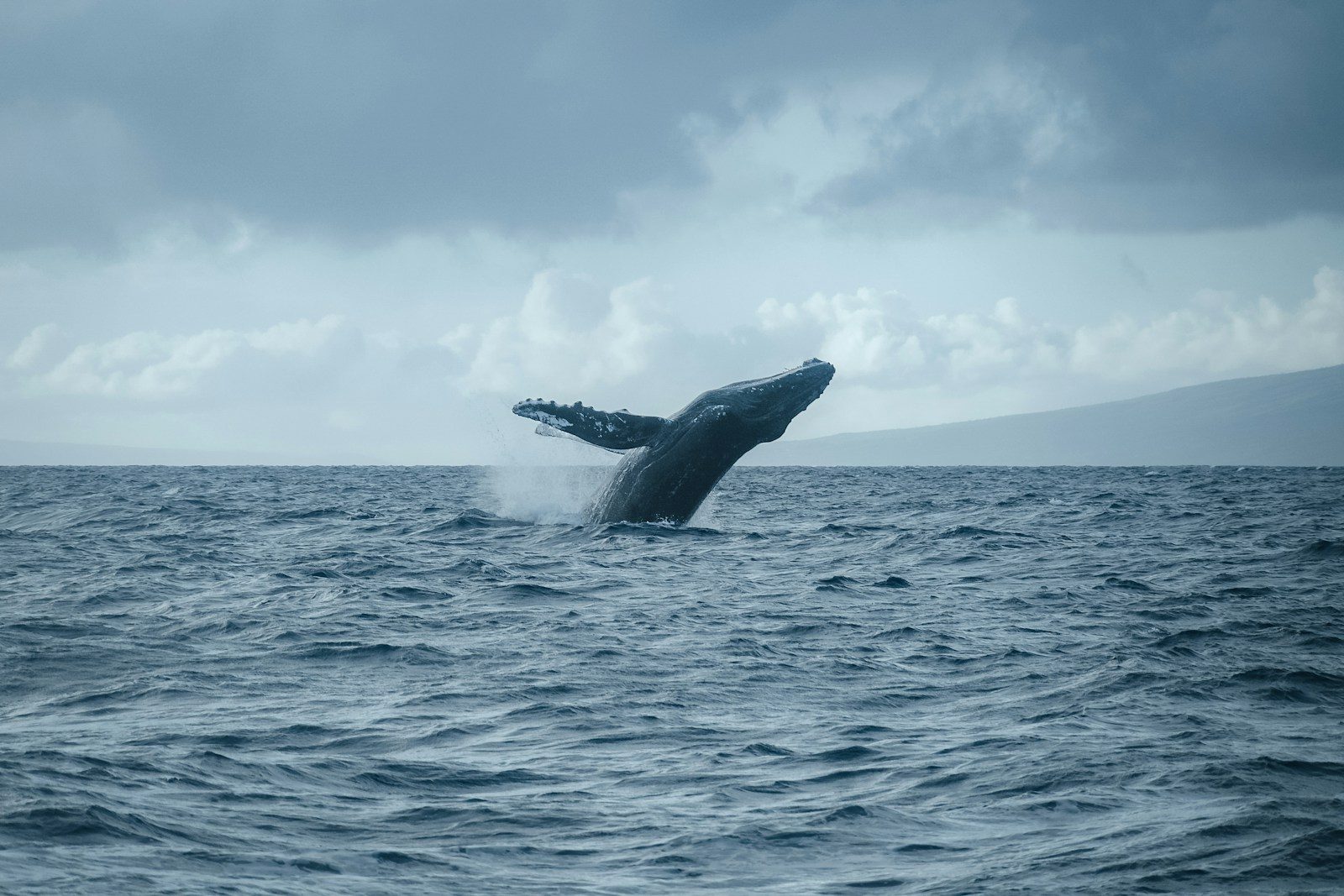
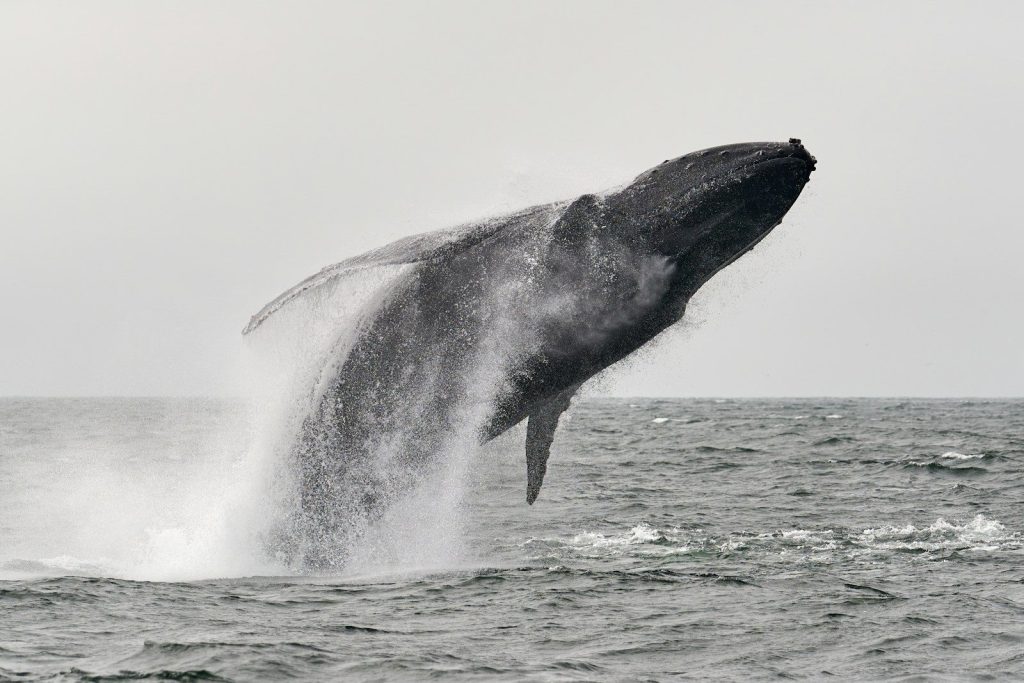
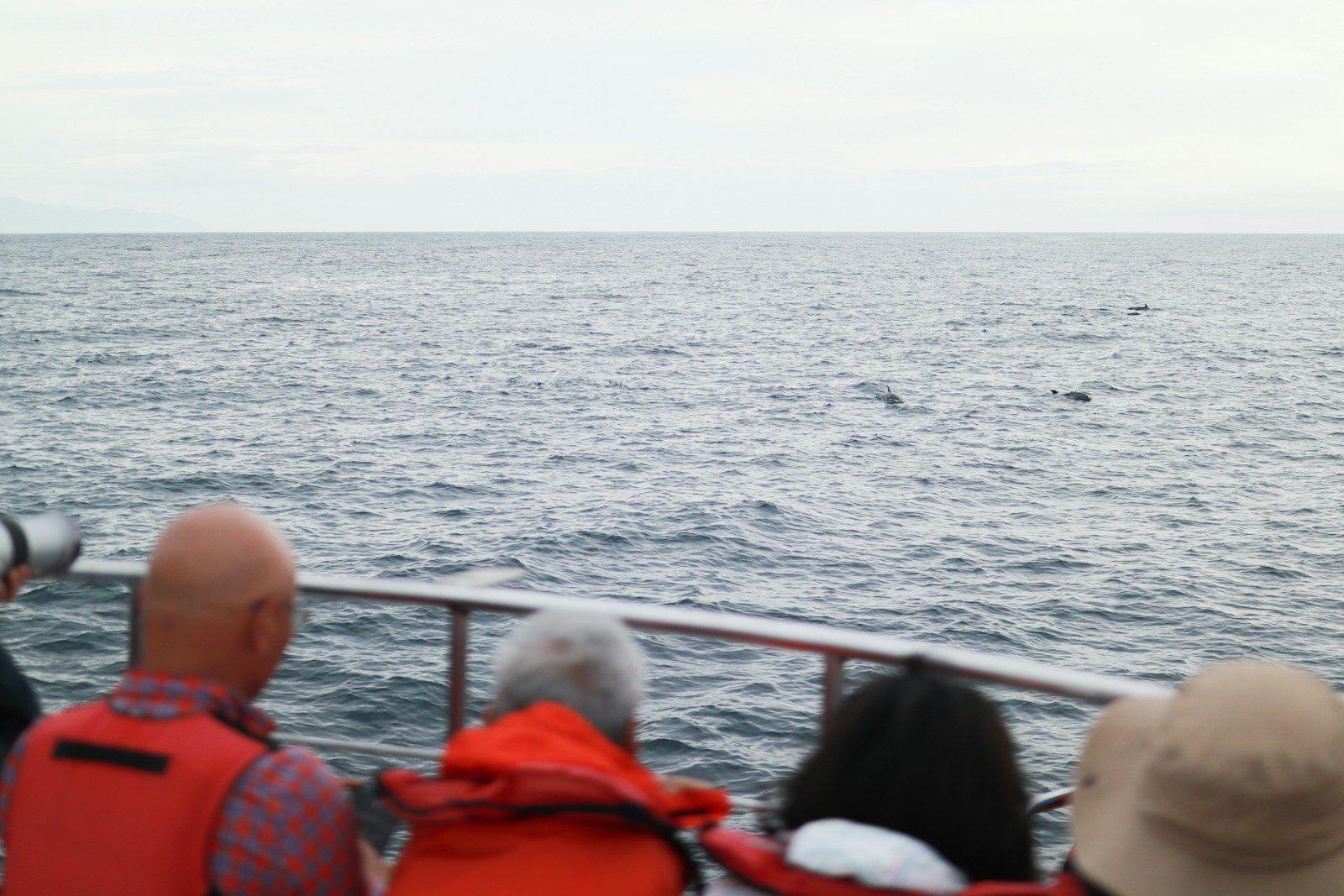
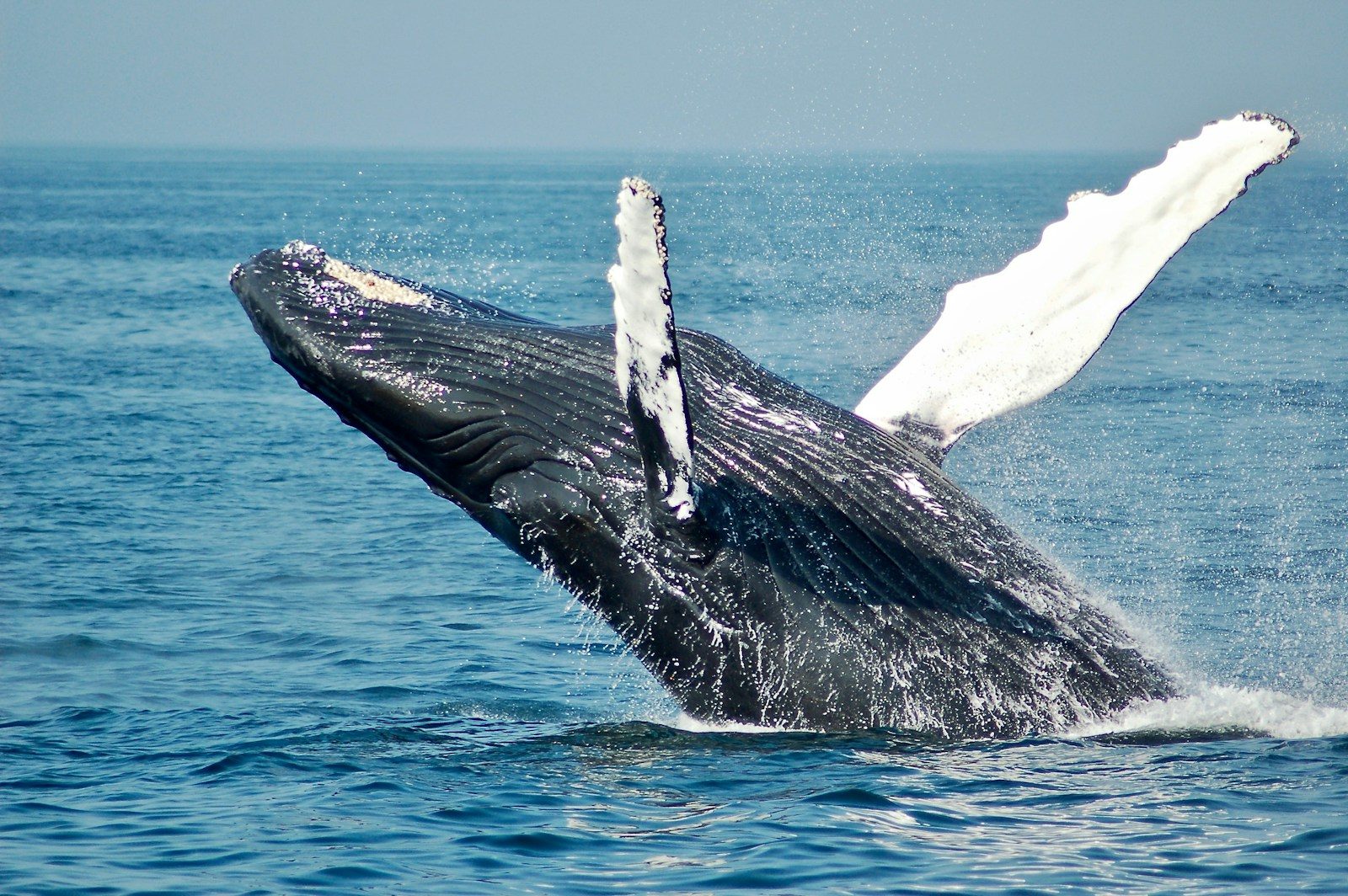
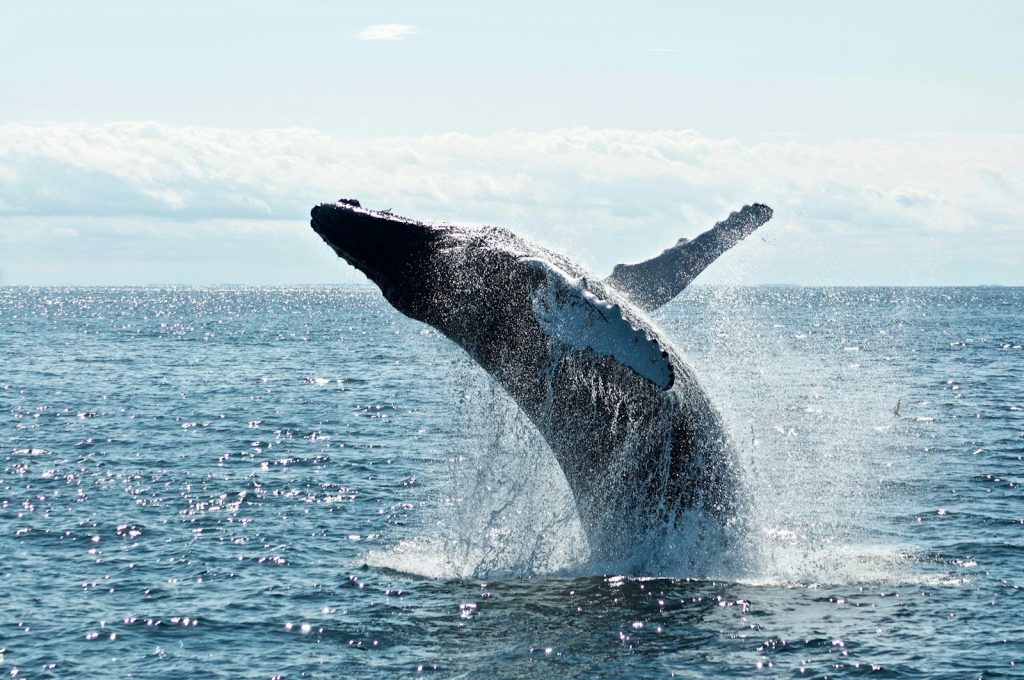
A whale-watching trip near Moss Landing in Monterey Bay turned into an extraordinary experience when passengers saw a pod of orcas chasing long-beaked common dolphins. The whales repeatedly surged through the water, and several animals leaped high above the surface during the hunt.
Captains who witnessed the event described it as one of the most remarkable predation events they had seen in years. The orcas were observed launching themselves into the air multiple times while pursuing the dolphins, giving passengers a rare view of natural hunting behavior.
Why orcas hunt dolphins
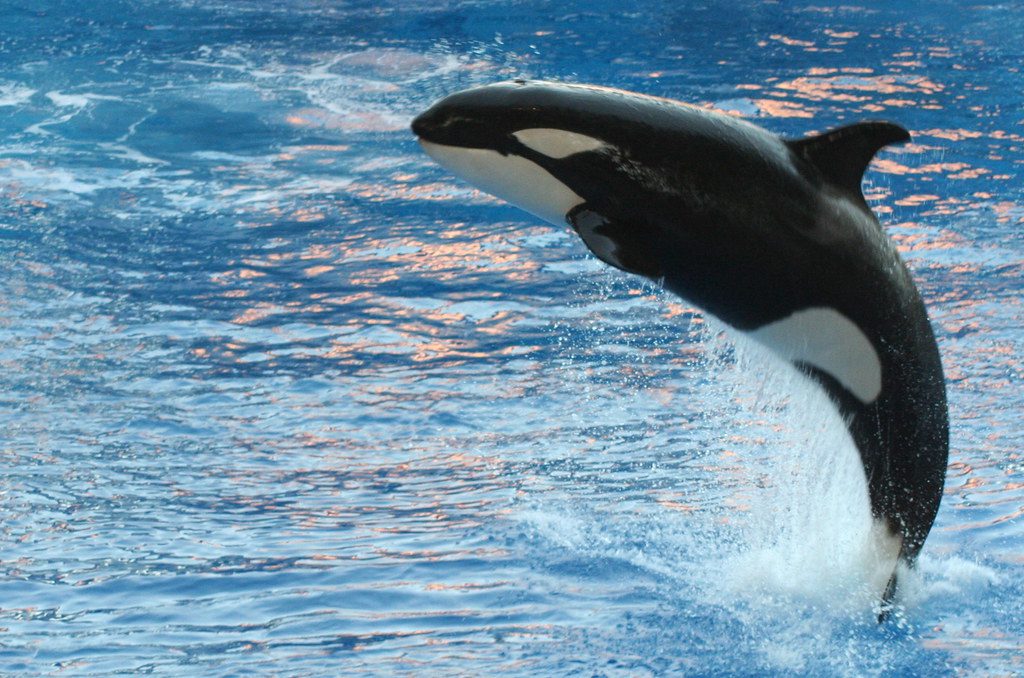
Orcas, also called killer whales, are apex predators. Different groups have different diets, and the transient, or Bigg’s, orcas found along the U.S. West Coast regularly hunt marine mammals, including dolphins, seals, sea lions, and porpoises.
These whales often work together as a team during a hunt. By surrounding or separating part of a dolphin group, they improve their chances of catching prey while using speed, strength, and coordination to complete the hunt.
Why Monterey Bay attracts marine life
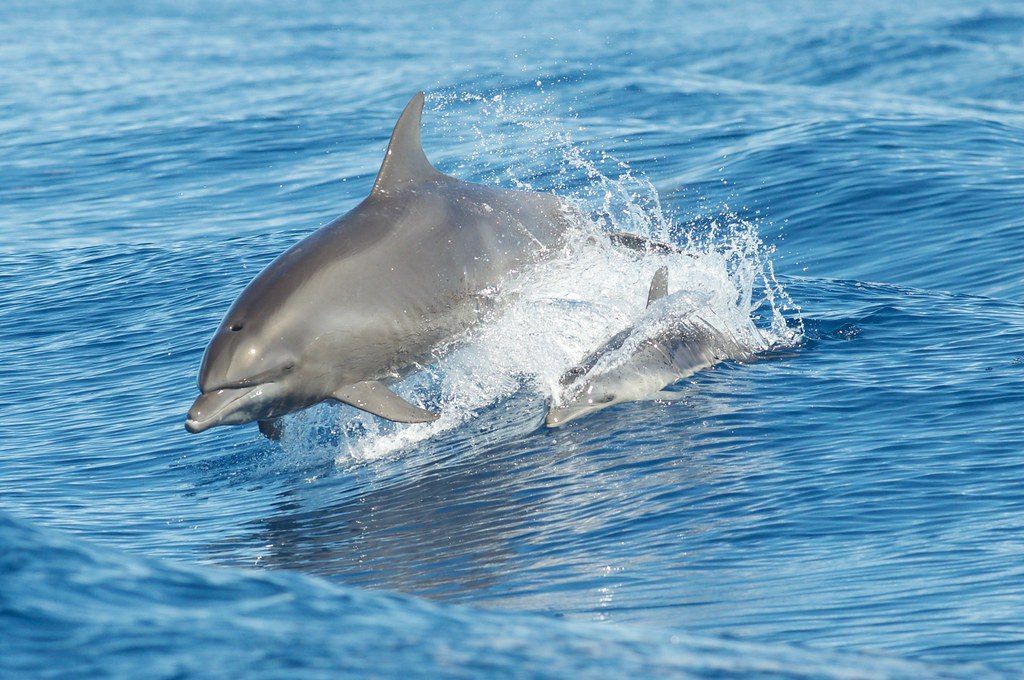
Monterey Bay is one of North America’s richest marine ecosystems. Deep underwater canyons and nutrient-rich waters support large numbers of fish, squid, dolphins, whales, and other sea life throughout the year.
Because food is plentiful, many predators visit the area to feed. This makes Monterey Bay one of the best places in the United States for whale watching and for observing natural wildlife behavior in the open ocean.
Why this sighting was unusual
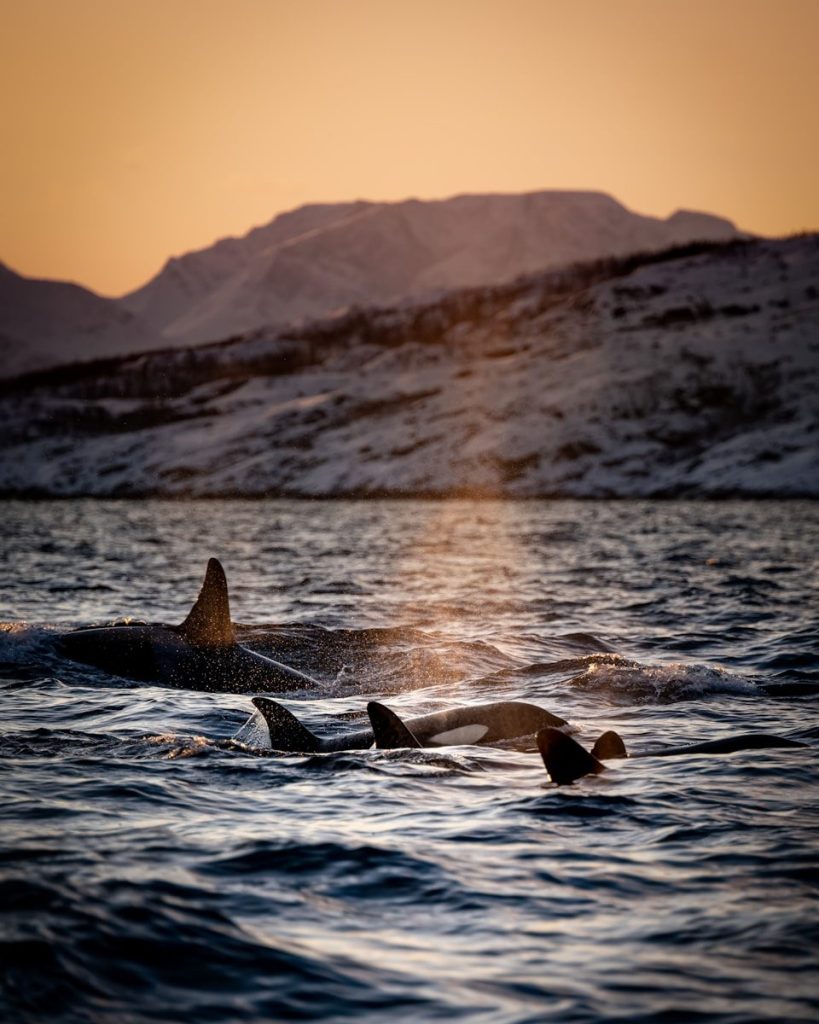
Orcas hunting dolphins is natural, but seeing the entire event so clearly is uncommon. In this case, whale watchers watched much of the pursuit from beginning to end, allowing photographers and researchers to document the behavior.
Marine experts noted that the whales appeared especially active, with repeated high leaps during the chase. These dramatic movements made the encounter memorable while also providing valuable observations of wild orca hunting behavior.
What whale watchers should remember?
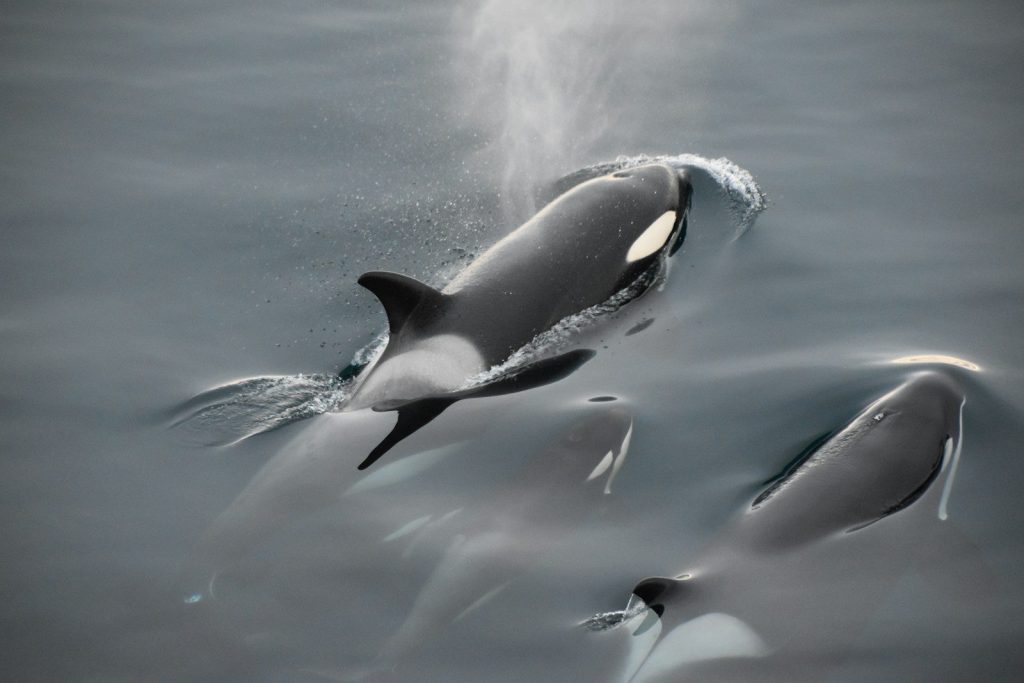
Watching marine mammals in the wild is exciting, but boats should never interfere with their natural behavior. Federal wildlife guidelines require operators to avoid disturbing whales and dolphins while giving them enough space.
Responsible whale-watching companies follow these rules to protect both animals and passengers. Keeping a safe distance allows the whales to continue feeding, traveling, and communicating without unnecessary stress.
Why events like this matter

Rare wildlife encounters help scientists and the public better understand ocean ecosystems. Observations made by experienced captains and passengers can add useful information about animal behavior, movement, and feeding habits.
These moments also remind people why healthy oceans are worth protecting. Conserving marine habitats helps ensure that orcas, dolphins, and many other species can continue playing their natural roles in the ecosystem.
Featured Image: Photo by Rudney Uezu on Unsplash