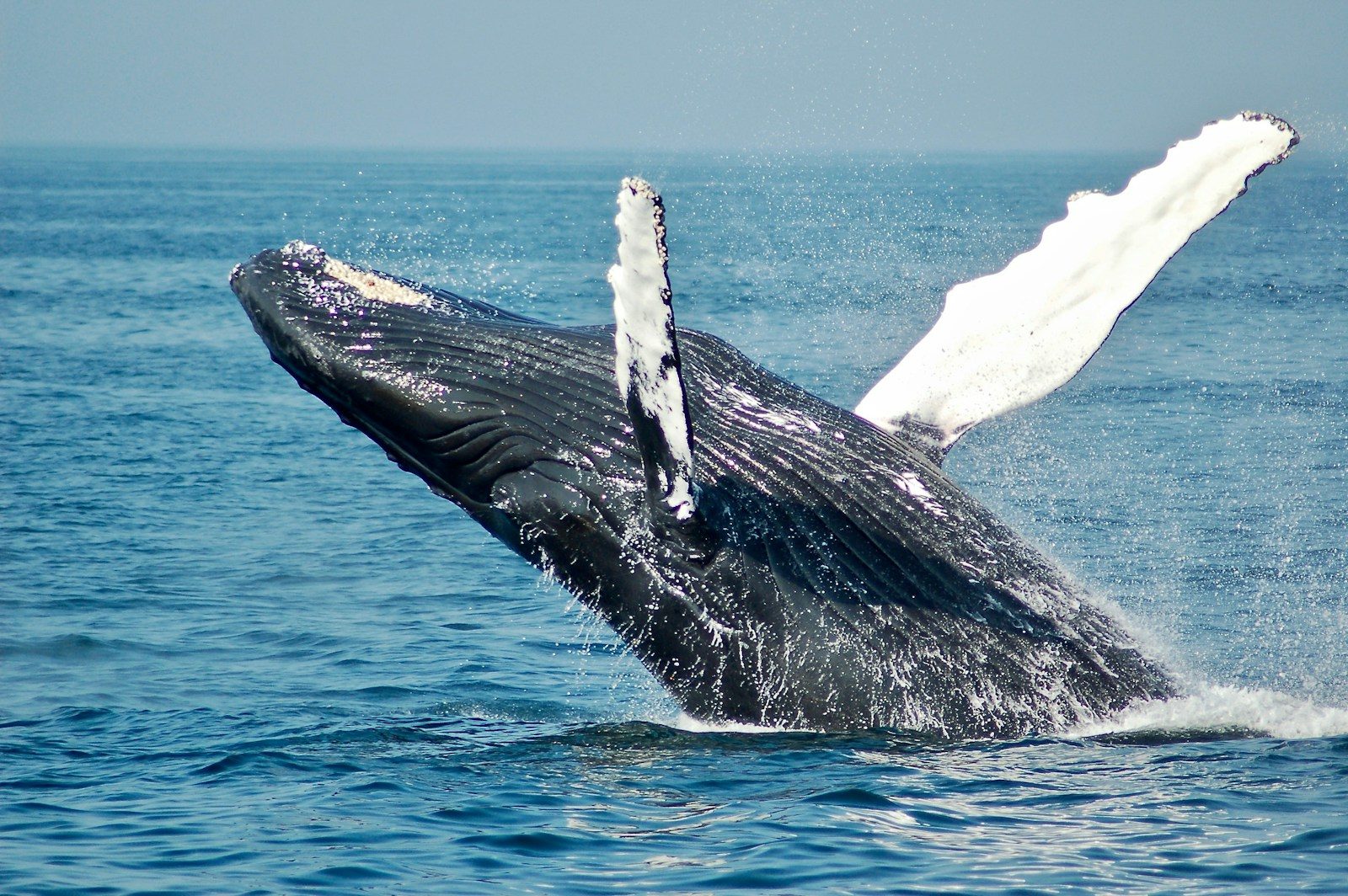
A young humpback whale is rescued after becoming trapped in fishing gear, which is another reminder of the dangers marine animals face in the ocean. Entanglement in ropes, nets, and other fishing equipment can make it difficult for whales to swim, feed, and breathe. In this recent rescue off the Massachusetts coast, trained responders worked carefully to free a young humpback whale from gear wrapped around its body.
This article explains how the whale became entangled, how the rescue team safely removed the fishing gear, why these rescues are so challenging, and what can be done to reduce future entanglements. It also highlights the importance of protecting humpback whales as they travel along the U.S. East Coast.
The whale was found entangled
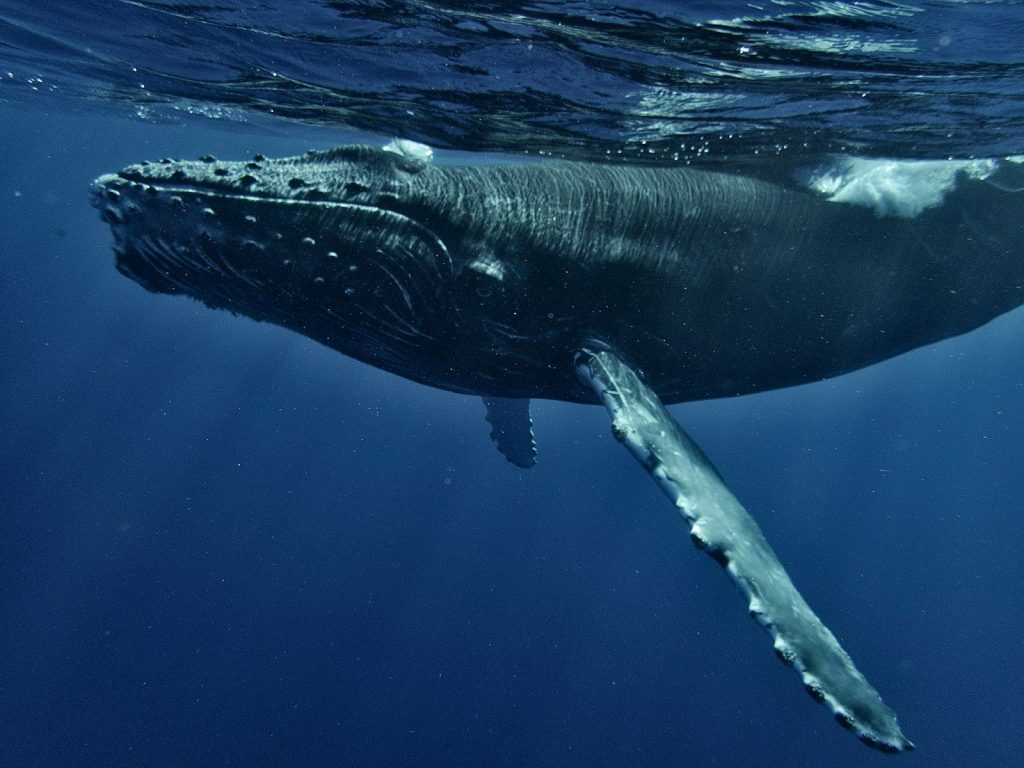
The young humpback whale was spotted off the coast of Massachusetts with fishing gear wrapped around its body. The gear appeared to include rope connected to commercial fishing equipment, making it harder for the whale to move freely.
The sighting was reported to trained marine mammal responders. After examining the situation, experts determined the whale needed immediate help because the entanglement could become more dangerous over time.
Rescue experts responded carefully
The rescue was led by trained disentanglement specialists who are experienced in working with large whales. Because humpback whales are powerful animals, rescuers stayed at a safe distance while using specialized cutting tools attached to long poles.
The team carefully removed sections of the fishing gear one piece at a time. This slow approach helped reduce the risk of injuring either the whale or the rescue crew during the operation.
The whale was successfully freed
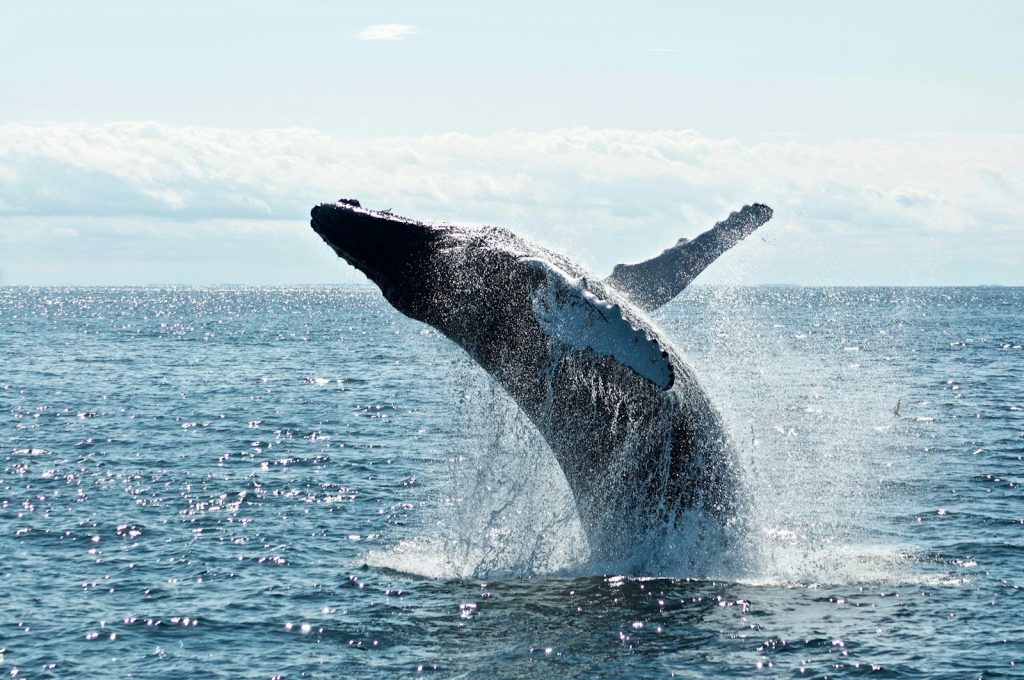
After several careful cuts, the whale broke free from the remaining gear and swam away on its own. Rescue teams watched the animal for a short time to make sure it could swim and dive normally.
The successful rescue gave the young whale another chance to continue its migration and return to normal feeding and travel. Officials said removing the gear greatly improved the whale’s chances of long-term survival.
Fishing gear can threaten whales
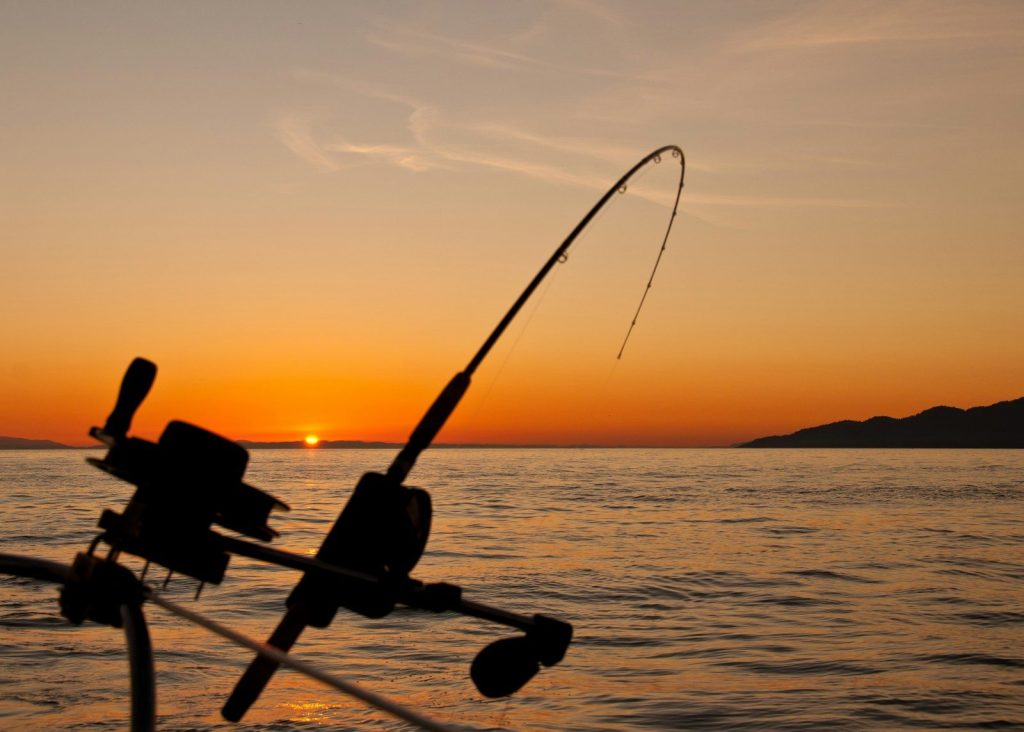
Entanglement is one of the leading human-related threats to large whales. Ropes and fishing lines can wrap around a whale’s mouth, fins, or tail, making it difficult to swim or reach the surface to breathe.
Some whales carry fishing gear for weeks or even months if they are not rescued. The extra weight and injuries can lead to exhaustion, infection, or starvation if the gear is not removed.
Rescue work requires special training
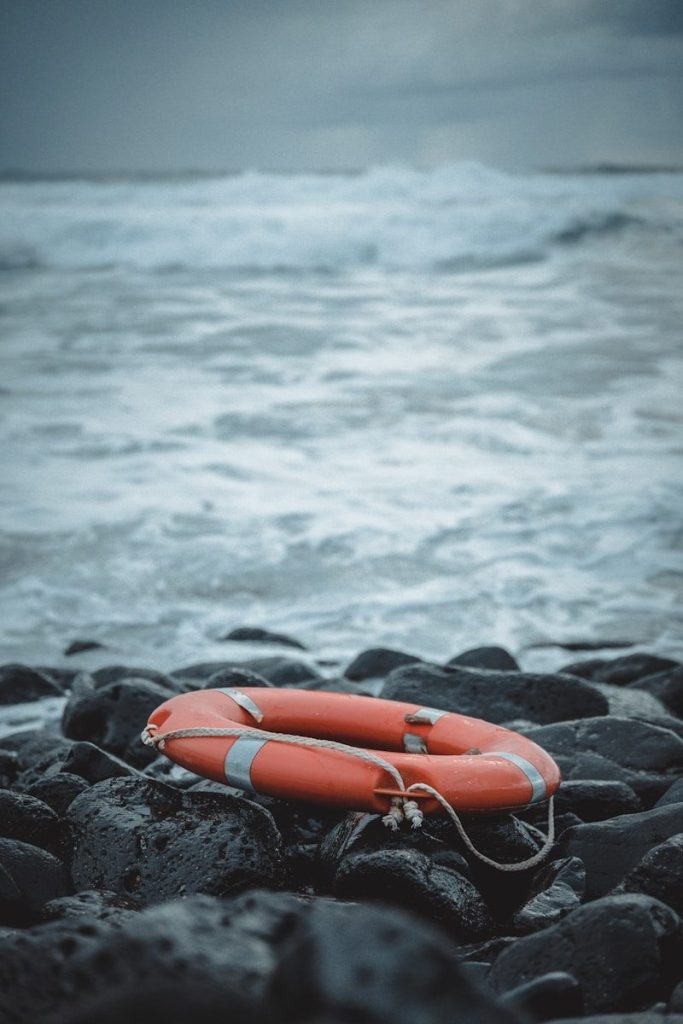
Only trained rescue teams are allowed to disentangle large whales because the work is extremely dangerous. A frightened whale can move suddenly, placing nearby boats and rescuers at risk.
Marine experts ask the public never to try freeing an entangled whale on their own. Instead, people should report the sighting to local marine mammal authorities so trained responders can take action.
Protecting whales for the future
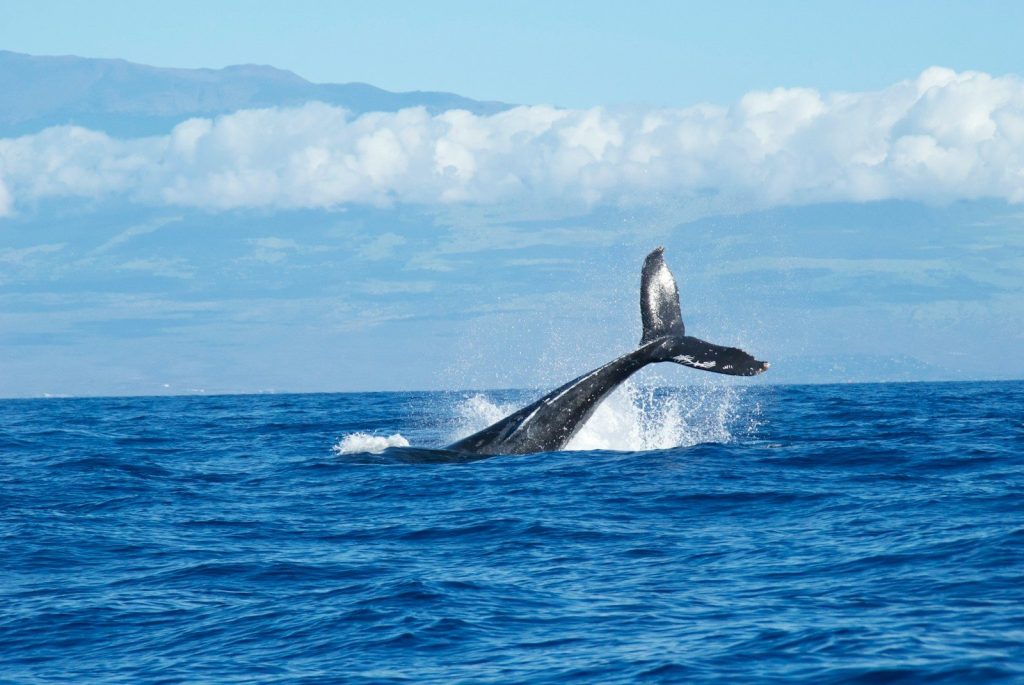
Scientists and fishing industries continue working together to reduce whale entanglements. New fishing equipment designs, seasonal fishing rules, and better reporting systems are helping lower the risk in many coastal areas.
The rescue of this young humpback whale shows how teamwork and quick action can save marine wildlife. Continued conservation efforts will help protect humpback whales as they migrate through busy ocean waters each year.
Featured Image: Photo by Todd Cravens on Unsplash
Leave a Reply