Category: Wildlife and animals

  • Prehistoric sharks that would be terrifying to encounter today

    Prehistoric sharks that would be terrifying to encounter today

    The oceans are home to some impressive sharks today, but many ancient species were even more frightening. Prehistoric sharks ruled the seas for hundreds of millions of years and evolved strange features that seem almost unbelievable now. Some grew larger than buses, while others carried bizarre teeth designed to slice through prey in unique ways.

    If you have ever wondered which prehistoric sharks would be the most terrifying to encounter today, this guide explores some of the most remarkable examples. From giant apex predators to sharks with unusual jaws and teeth, these ancient hunters reveal just how incredible shark evolution has been over time.

    Megalodon was the king of the ancient seas

    Megalodon Jaws” by Eligius4917 is licensed under CC BY-SA 2.0

    When people think about prehistoric sharks, Megalodon is usually the first species that comes to mind. It lived between about 23 million and 2.6 million years ago and is widely considered the largest shark ever discovered. Scientists estimate that the biggest individuals may have reached lengths of nearly 60 feet or more, making them far larger than modern great white sharks. Fossil teeth have been found on nearly every continent except Antarctica, showing that this giant predator was widespread in ancient oceans.

    Megalodon fed on marine mammals, including ancient whales, seals, and other large animals. Its enormous jaws and powerful bite would have made it one of the most dangerous predators in Earth’s history. A modern encounter with a shark of this size would be hard to imagine. Even large boats would seem small next to an animal that could grow longer than many city buses.

    Helicoprion carried a strange spiral of teeth

    Dental bills were what eventually drove Helicoprion extinct.” by wscottheath is licensed under CC BY 2.0

    Helicoprion is one of the most unusual shark relatives ever discovered. It lived more than 250 million years ago and became famous because of its bizarre tooth structure. Instead of shedding teeth like modern sharks, it developed a spiral arrangement often called a “tooth whorl.” For many years, scientists were unsure exactly where this structure belonged on the animal’s body.

    Modern research suggests that the spiral sat inside the lower jaw. As new teeth formed, older teeth were pushed forward in a rotating pattern. This unique adaptation likely helped the animal grab and cut soft-bodied prey such as squid-like creatures. While Helicoprion was not as massive as Megalodon, encountering a large predator with a circular saw of teeth in its mouth would be an unforgettable and frightening sight.

    Edestus had teeth that looked like giant scissors

    fossil shark teeth from ‘scissor-tooth sharks’” by Vilseskogen is licensed under CC BY-NC-SA 2.0

    Edestus lived during the Carboniferous Period, roughly 300 million years ago. It is often called the “scissor-toothed shark” because of its unusual rows of teeth. Unlike modern sharks, which replace worn teeth by moving new ones into place, Edestus continuously added new teeth without shedding the old ones.

    The result was a mouth filled with long, curved tooth rows extending beyond the jaws. Scientists believe these teeth may have been used to slash prey with powerful upward and downward movements. Although researchers are still studying exactly how Edestus hunted, its terrifying dental arrangement makes it one of the most intimidating prehistoric sharks ever discovered. A close encounter with such a predator would likely leave anyone frozen with fear.

    Xenacanthus hunted in ancient freshwater rivers

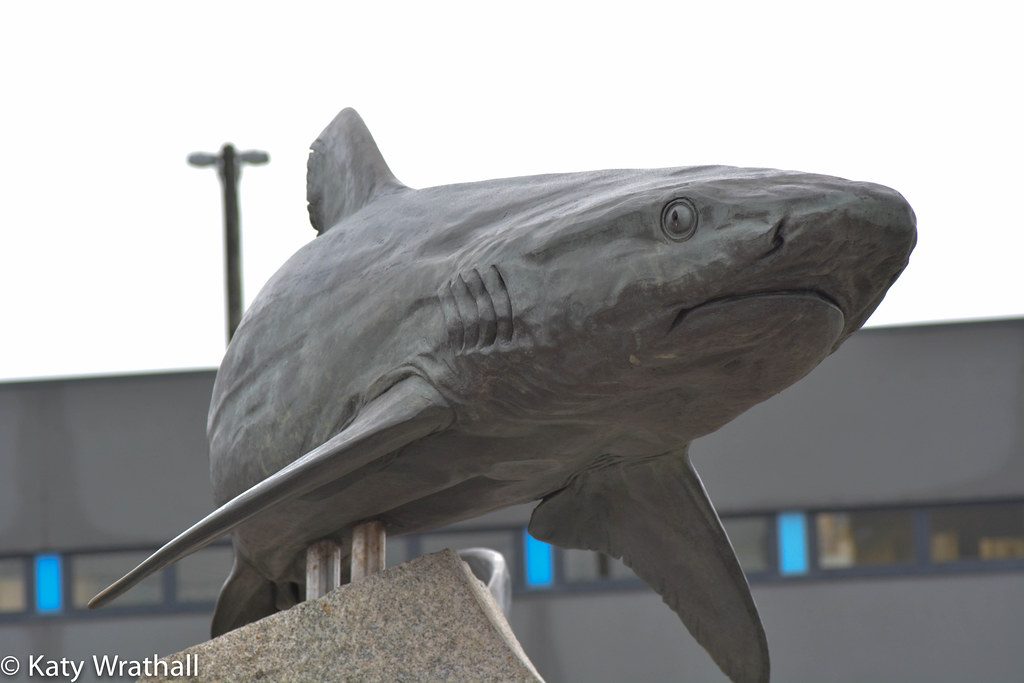
    ShArK” by Wild Klicker is licensed under CC BY-NC-ND 2.0

    Most people imagine prehistoric sharks roaming the ocean, but Xenacanthus spent much of its life in freshwater environments. This shark lived during the late Paleozoic Era and inhabited rivers, swamps, and lakes. It had a long, eel-like body that helped it move through shallow waters and vegetation.

    One of its most recognizable features was a long spine projecting from the back of its head. Some scientists believe this spine may have been used for defense. Xenacanthus was an effective predator that fed on fish and other aquatic animals. The thought of a large shark-like hunter lurking in freshwater rivers would certainly make swimming less appealing. Unlike many marine sharks, this species brought shark-like predation into inland waters.

    Cladoselache was built for speed

    Cladoselache sp. (fossil shark) (Cleveland Shale Member, Ohio Shale, Upper Devonian; Rocky River Valley, Cleveland, Ohio, USA) 1” by James St. John is licensed under CC BY 2.0

    Cladoselache lived roughly 370 million years ago during the Devonian Period. Although it was smaller than some of the giants on this list, it was among the earliest well-known shark species. Its streamlined body suggests it was a fast swimmer capable of chasing prey through open water.

    Unlike many modern sharks, Cladoselache lacked some of the specialized features seen today. However, its speed and agility likely made it an effective hunter. Fossils have provided rare details about their anatomy, giving scientists valuable information about early shark evolution. Encountering a fast-moving predator from one of the earliest chapters of shark history would still be a frightening experience, especially in clear open water where there would be nowhere to hide.
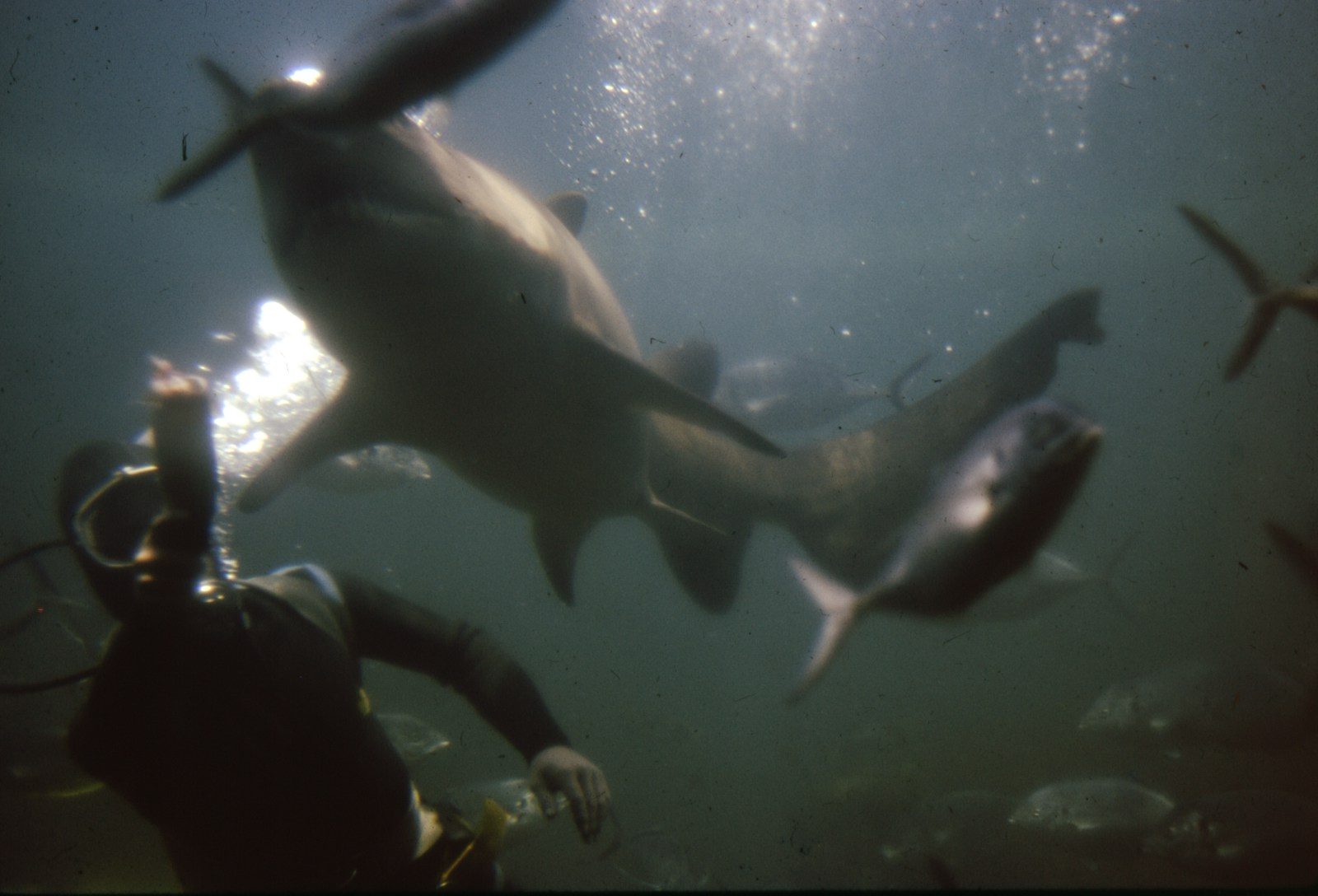
    Hybodus survived for millions of years

    Hybodus sp.” by Ryan Somma is licensed under CC BY-SA 2.0

    Hybodus was one of the most successful prehistoric sharks. It appeared more than 200 million years ago and survived through major changes in Earth’s environment. During a time when dinosaurs dominated the land, Hybodus thrived in oceans and coastal waters around the world.

    What made Hybodus especially interesting was its versatile set of teeth. Some were sharp and designed for catching fish, while others were flatter and useful for crushing hard-shelled animals. This flexibility allowed it to take advantage of different food sources. Although it was not as enormous as Megalodon, its adaptability helped it remain a successful predator for a very long time. A shark capable of hunting many different prey types would have been a formidable presence in ancient seas.

  • Unexpected corn snake encounter on Georgia golf course captures attention online

    Unexpected corn snake encounter on Georgia golf course captures attention online

    Unexpected wildlife encounters can turn an ordinary day into something memorable. That is exactly what happened when a corn snake was spotted on a Georgia golf course, and photos of the reptile quickly captured attention online. The unexpected corn snake encounter on a Georgia golf course sparked thousands of reactions because of the snake’s striking colors and unusual pose. While some people were startled, wildlife experts say the animal was not a threat.

    Understanding why the snake appeared there, how corn snakes behave, and what people should do when they encounter one can help make sense of the viral moment. This article explores the facts behind the sighting and explains why corn snakes play an important role in the environment.

    Why the Georgia golf course sighting went viral

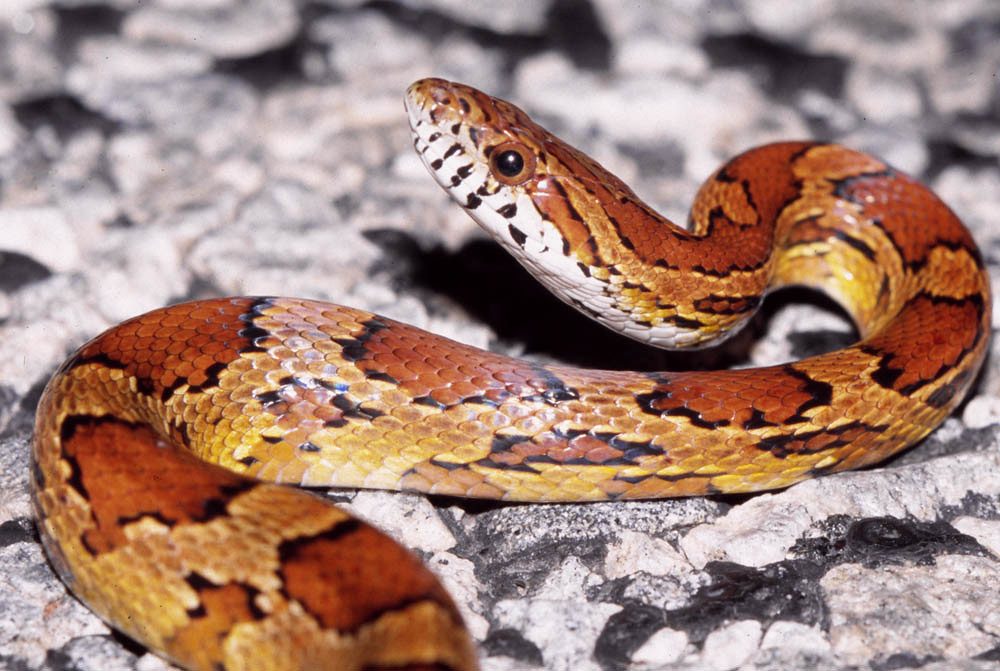
    Corn Snake, Everglades, south Florida” by TomSpinker is licensed under CC BY-NC-ND 2.0

    The photo that gained attention online showed a brightly colored corn snake on a golf course in Georgia. The snake’s orange, red, black, and white markings stood out against the green grass, creating an image that many people found stunning. Online users praised the reptile’s appearance, and the image quickly spread across social media platforms. Reports indicated that the post received thousands of positive reactions and comments from people amazed by the snake’s beauty.

    Part of the reason the image became so popular was the snake’s posture. The animal appeared to raise part of its body while exposing its patterned underside. Many viewers initially thought the snake looked aggressive, but reptile enthusiasts explained that this posture is usually defensive. The snake was simply trying to appear larger and warn potential threats to stay away rather than preparing to attack.

    What makes corn snakes unique

    Corn Snake” by goingslo is licensed under CC BY-NC-ND 2.0

    Corn snakes are nonvenomous snakes native to much of the southeastern United States. They belong to the rat snake family and are known for their colorful patterns. Their bodies often feature orange, reddish, brown, and black markings that help them blend into forests, fields, and grasslands. One of their most recognizable features is the checkerboard pattern on their belly, which many people compare to piano keys.

    These snakes are generally calm and shy. They spend much of their time hunting small animals such as mice, rats, and other rodents. Because of this diet, corn snakes are often considered beneficial to people. They help control rodent populations naturally, reducing the need for traps and chemical pest control. Their role as predators makes them an important part of healthy ecosystems throughout their range.

    Why are corn snakes found on golf courses?

    green grass field near green trees under white sky during daytime
    Photo by Matthew McBrayer on Unsplash

    At first glance, a golf course may seem like an unusual place for a snake. However, golf courses often provide many of the things wildlife needs to survive. Areas of taller grass, wooded edges, ponds, and natural vegetation create habitats that attract insects, birds, rodents, and other animals. Since rodents are a favorite food source for corn snakes, these environments can become attractive hunting grounds.

    Golf courses can also act as green spaces within developed areas. As cities and neighborhoods expand, wildlife often adapts to landscapes altered by humans. Rather than invading human spaces, animals are frequently making use of habitats people have created. A corn snake moving through a golf course is often just following food sources and shelter opportunities, much like it would in a natural setting.

    Understanding defensive snake behavior

    A close up of a snake on a rock
    Photo by David Clode on Unsplash

    Many people fear snakes because they mistake defensive actions for aggression. When a corn snake feels threatened, it may flatten its body, raise part of itself off the ground, hiss, or display its belly. These behaviors are intended to scare away predators. The goal is usually to avoid a fight rather than start one.

    This defensive display can be very effective because it makes the snake appear larger and more dangerous than it really is. In the Georgia golf course encounter, experts and experienced snake observers noted that the posture seen in the photo was consistent with a snake trying to create distance from a perceived threat. Such behavior is common among many harmless snake species across North America.

    The important role corn snakes play in nature

    a close up of a snake on a table
    Photo by Josephina Kolpachnikof on Unsplash

    Corn snakes help maintain balance in ecosystems by controlling populations of small mammals. Rodents reproduce quickly and can damage crops, spread diseases, and create problems around homes and businesses. By feeding on these animals, corn snakes provide a natural form of pest management that benefits both people and the environment.

    Their presence can also indicate a healthy ecosystem. Predators such as corn snakes depend on a stable food supply and suitable habitat. When these snakes are thriving, it often suggests that local ecosystems still support a variety of plants and animals. Protecting native wildlife, including harmless snakes, helps preserve biodiversity and supports the natural processes that keep environments functioning properly.

    What to do if you encounter a corn snake

    Corn Snake, se Georgia, USA” by TomSpinker is licensed under CC BY-NC-ND 2.0

    If you see a corn snake in the wild, the safest and most responsible action is to leave it alone. Observe it from a respectful distance and avoid trying to handle it. Even harmless snakes can become stressed when approached, and they may react defensively if they feel trapped or threatened. Wildlife experts generally recommend allowing snakes to move away on their own.

    It is also important to remember that not every colorful snake is dangerous. Learning to identify common local species can help reduce unnecessary fear and prevent harm to wildlife. In most cases, a corn snake encountered on a trail, golf course, or near a yard is simply passing through in search of food or shelter. By giving the animal space, both people and snakes can remain safe.
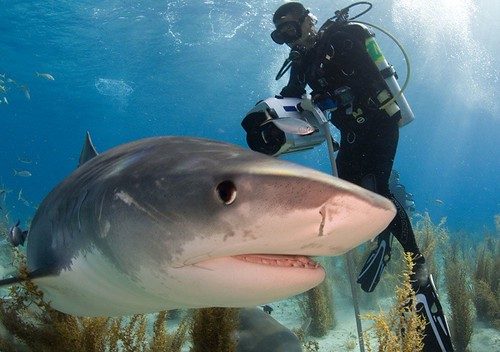
  • Why a fish capable of 40 mph has experts worried

    Why a fish capable of 40 mph has experts worried

    The Atlantic bluefin tuna is one of the fastest and most powerful fish in the ocean. It can reach speeds of up to 40 miles per hour, cross entire oceans in just a few months, and survive in both cold and warm waters. On the surface, it looks like a perfect ocean predator built for survival. But experts are deeply worried, not because of its strength, but because of the pressure humans are putting on it.

    This article will explain what makes the Atlantic bluefin tuna so special, why it is considered one of the ocean’s top hunters, and how human demand for sushi and tuna has pushed this amazing fish into serious trouble. You will also learn why scientists are concerned about its future and what is being done to protect it.

    What makes the Atlantic bluefin tuna so powerful

    Honorable Mention: Willy Goldsmith” by VA Institute of Marine Science (VIMS) is licensed under CC BY-NC-ND 2.0

    The Atlantic bluefin tuna is built for speed and endurance. Its body is shaped like a torpedo, which helps it move smoothly through water with very little resistance. This design allows it to burst forward quickly and maintain high speeds when chasing prey or traveling long distances.

    These fish are also warm-blooded, which is rare for fish. This means they can keep parts of their body warmer than the surrounding water. Because of this ability, they can swim in freezing northern oceans and warm tropical seas without slowing down. Their muscles are extremely strong, and their fins are designed to reduce drag when swimming fast. All of these traits combine to make them one of the most efficient swimmers in the ocean.

    How it reaches speeds of up to 40 mph

    Whale’s caudal fin” by bardamu1612 is licensed under CC BY-NC 2.0

    The Atlantic bluefin tuna can reach speeds of around 40 miles per hour in short bursts. It uses a powerful tail, called a caudal fin, to push through the water with strong, rapid movements. Unlike many fish that move their whole body side to side, bluefin tuna keep their bodies stiff and rely mostly on their tail for speed.

    This swimming style gives them both power and control. It allows them to quickly chase fast prey like mackerel and sardines. It also helps them escape predators when they are young. Their body is supported by a highly efficient circulatory system that delivers oxygen quickly to their muscles, giving them the energy needed for such fast movement.

    Why can it cross entire oceans?

    body of water under blue and white sky at daytime
    Photo by Thomas Vimare on Unsplash

    One of the most impressive things about the Atlantic bluefin tuna is its ability to migrate across huge distances. These fish travel thousands of miles across the Atlantic Ocean every year. Some individuals move between spawning areas in the Gulf of Mexico and feeding grounds in the North Atlantic and Mediterranean Sea.

    This migration is not random. It follows seasonal patterns tied to feeding and reproduction. Bluefin tuna need warm waters to spawn and colder waters rich in food to grow and build energy. Because of their strong bodies and temperature control abilities, they can complete these long journeys in just a few months. This makes them one of the most widely traveling fish species on Earth.

    Why the ocean’s top predator is in trouble

    black fishing rod and body of water during golden hour
    Photo by James Wheeler on Unsplash

    Even though the Atlantic bluefin tuna is a strong and fast predator, it faces serious danger. The biggest problem is overfishing. These fish are highly valued in global seafood markets, especially for sushi and sashimi. This demand has led to decades of heavy fishing pressure.

    Bluefin tuna grow slowly and take years to reach full maturity. This makes it difficult for populations to recover once they are reduced. In many parts of the ocean, their numbers dropped sharply because adult fish were caught before they could reproduce. Illegal and unreported fishing in some regions has made the problem worse, pushing certain populations close to collapse.

    How sushi demand is driving the problem

    sushi on black ceramic plate
    Photo by Jakub Dziubak on Unsplash

    A major reason for the decline in bluefin tuna is global demand for high-end sushi. In many countries, especially Japan, bluefin tuna is considered a luxury food. The best cuts can sell for extremely high prices, which encourages large-scale fishing operations to catch as many as possible.

    Modern fishing methods also make it easier to capture entire schools of tuna at once. This means large numbers of fish can be removed from the ocean quickly. As demand continues, even strict regulations struggle to keep populations stable. Scientists warn that if fishing pressure stays too high, it could take decades for some populations to fully recover.

    What scientists and conservationists are doing

    a group of people sitting around a table with laptops
    Photo by UK Black Tech on Unsplash

    To protect Atlantic bluefin tuna, international groups have created fishing limits and monitoring systems. These rules are designed to control how many fish can be caught each year and protect younger fish so they can grow and reproduce. Scientists also track tuna using tags to learn more about their migration and behavior.

    In some regions, conservation efforts are showing signs of success. Better management and stricter rules have helped certain populations begin to recover slowly. However, experts agree that continued protection is needed. Without careful management, the progress that has been made could easily be reversed.

  • Birds you may not want nesting or flying near your yard

    Birds you may not want nesting or flying near your yard

    Birds can make a yard feel alive with song and movement. Many species help by eating insects, spreading seeds, and adding beauty to outdoor spaces. However, not every bird is a welcome guest when it decides to nest too close to your home. Some birds can be noisy, leave large amounts of droppings, damage property, or push native birds away from feeders and nesting spots.

    If you have noticed large flocks gathering near your yard or birds building nests in vents, gutters, or other parts of your home, it helps to know which species can cause problems. This guide looks at birds you may not want nesting or spending too much time near your yard and explains why homeowners often try to discourage them while still respecting wildlife.

    European starlings can quickly take over

    selective focus photography of black bird
    Photo by John Yunker on Unsplash

    European starlings are among the most troublesome birds found around homes in the United States. These birds were introduced from Europe and are now considered an invasive species in North America. They often travel in large flocks and can gather by the hundreds or even thousands. When they settle near a yard, they create a great deal of noise and leave large amounts of droppings on roofs, sidewalks, decks, and vehicles.

    Another concern is their aggressive behavior. Starlings compete with native birds for nesting cavities and food sources. They frequently take over nesting holes that would otherwise be used by bluebirds, woodpeckers, and purple martins. Because they are strong competitors, they can reduce nesting opportunities for native species and make it harder for local bird populations to thrive.

    House sparrows often push out native birds

    brown and white bird on brown wooden fence
    Photo by Joshua J. Cotten on Unsplash

    House sparrows may look harmless because of their small size, but they can create significant problems around homes and gardens. Like starlings, they are not native to North America. They are highly adaptable and often build nests in gutters, vents, eaves, and other openings in buildings. Their nests are usually bulky and messy, made from twigs, paper, grass, and other materials.

    These birds are known for being aggressive toward other species. They frequently compete for nesting sites and may drive native birds away from birdhouses and feeders. House sparrows reproduce quickly and often live in large groups, allowing their numbers to grow fast. Homeowners who want to attract native songbirds sometimes find that house sparrows dominate feeding areas and reduce the variety of birds visiting the yard.

    Pigeons can create sanitation problems

    black and white bird on brown wooden fence
    Photo by Rajiv Bajaj on Unsplash

    Rock pigeons are common in cities, suburbs, and many residential neighborhoods. While a few pigeons may not seem like a problem, larger groups can quickly become a nuisance. They often gather on roofs, fences, sheds, and other elevated surfaces where they leave droppings. Over time, these droppings can stain surfaces and increase cleaning needs around the home.

    Pigeons are also skilled at finding places to nest close to people. They often use ledges, attic spaces, and sheltered structures. Because they adapt well to urban environments and have few special nesting requirements, they can establish populations quickly. Large numbers of pigeons may crowd out other birds and create ongoing maintenance concerns for homeowners who want a cleaner yard.

    Blackbirds and grackles can arrive in huge flocks

    a couple of birds on a roof
    Photo by Forsaken Films on Unsplash

    Blackbirds and grackles are native birds, but they can still become a problem when large groups gather near homes. These birds often travel in flocks and may take over feeders, trees, and open spaces. Their calls can be loud, especially when hundreds gather together in the same area during the evening.

    Large roosting groups can also produce significant amounts of droppings. Besides creating unpleasant odors and messes, these accumulations can increase cleanup costs and create concerns in heavily used outdoor areas. Many homeowners notice that when blackbirds or grackles arrive in large numbers, smaller backyard birds become less willing to visit feeders and feeding stations.

    Woodpeckers can damage homes

    black and white bird on brown tree branch
    Photo by Patrice Bouchard on Unsplash

    Woodpeckers are fascinating birds and play an important role in nature by eating insects. However, they can sometimes become a source of frustration for homeowners. During the breeding season, woodpeckers often drum on trees, gutters, siding, chimneys, and other structures to mark territory and attract mates. The repeated pounding can be surprisingly loud.

    In some cases, woodpeckers may drill holes into wooden siding, fences, or trim. While they are often searching for insects, the damage can become costly if the birds repeatedly return to the same area. Unlike flocking birds, it usually takes only one persistent woodpecker to create a noticeable problem. Homeowners who experience repeated pecking often need to take steps to discourage the behavior before significant damage occurs.

    Canada geese can overwhelm outdoor spaces

    Canada Geese in Departure Bay – 2 (of 2) – Contax T2 Carl Zeiss Sonnar 1:2.8 38 mm T* with Kodak 200 ISO Film” by Logos: The Art of Photography is licensed under CC BY-NC-SA 2.0

    Canada geese are well known for gathering around ponds, lakes, parks, and neighborhoods with open grassy areas. Although many people enjoy seeing them, large groups can create challenges for homeowners who live near water features. Geese produce a substantial amount of droppings, which can quickly cover lawns, walking paths, and recreational areas.

    Another issue is their protective behavior during nesting season. Adult geese can become aggressive when defending nests, eggs, or young birds. They may hiss, spread their wings, or chase people who get too close. Once a flock becomes comfortable in an area, convincing it to move elsewhere can be difficult, making prevention and habitat management important tools for reducing conflicts.

  • Invasive 4-foot-long tegus raise concerns across Georgia

    Invasive 4-foot-long tegus raise concerns across Georgia

    A large lizard from South America is causing growing concern in Georgia. Known as the Argentine black and white tegu, this invasive reptile can grow up to 4 feet long and weigh more than 10 pounds. Wildlife experts say the spread of invasive tegus across Georgia could threaten native animals, damage ecosystems, and create new challenges for conservation efforts.

    If you have heard reports about these giant lizards and want to know why they matter, this article explains the facts. You will learn where tegus came from, why they are spreading, how they affect local wildlife, what officials are doing to stop them, and what Georgia residents can do to help.

    What are invasive tegus?

    Tegu” by MyFWC Florida Fish and Wildlife is licensed under CC BY-ND 2.0

    The Argentine black and white tegu is the largest species of tegu lizard. It is native to parts of South America, including Argentina, Brazil, Paraguay, and Uruguay. These reptiles have black and white markings, strong legs, sharp claws, and powerful jaws. Adult tegus can reach about 4 feet in length and may live for up to 20 years in suitable conditions.

    Tegus were introduced to the United States through the pet trade. Over time, some escaped captivity or were released into the wild. Once established, they began forming wild populations in several southeastern states. Georgia wildlife officials first identified a breeding population in southeastern Georgia and have been working for years to prevent the species from spreading further.

    Why Georgia is worried about their spread

    South American lizards slither into south Florida” by JaxStrong is licensed under CC BY 2.0

    One of the biggest concerns is how quickly tegus can reproduce and adapt. Female tegus can lay up to 35 eggs in a single year. They are also highly flexible when it comes to food and habitat. Unlike some invasive species that need very specific conditions to survive, tegus can live in forests, fields, farmland, roadsides, and other disturbed areas.

    Another concern is their ability to survive colder weather. Scientists once believed these lizards would remain mostly in warmer climates. However, research and field observations have shown that tegus can survive winters by entering a dormant state called brumation. This ability increases the risk that they could establish populations across larger parts of Georgia and other southeastern states.

    The threat to native wildlife

    Black and White Tegu” by MyFWC Florida Fish and Wildlife is licensed under CC BY-ND 2.0

    Tegus are omnivores, meaning they eat both plants and animals. Their varied diet makes them especially dangerous to native wildlife. They consume eggs, young animals, insects, fruits, vegetables, and even carrion. Because they will eat almost anything available, they can affect many different species at once.

    Wildlife experts are particularly concerned about ground-nesting animals. Tegus are known to eat the eggs of quail, wild turkeys, and other birds that nest on or near the ground. They also prey on reptile eggs, including those of American alligators. Young gopher tortoises, a species already facing conservation challenges, can also become targets. These feeding habits may reduce populations of native species and disrupt natural ecosystems.

    How tegus affect farms and communities

    Black & White or Common Tegu (E-4A7A-1714)” by Mark Abel is licensed under CC BY-NC-SA 2.0

    The impact of tegus extends beyond wildlife. Farmers and property owners may also experience problems when these reptiles move into an area. Tegus have been known to eat vegetables, fruits, chicken eggs, and pet food left outdoors. Their broad diet allows them to take advantage of both natural and human-made food sources.

    There are also health concerns. Wildlife agencies have warned that tegus may carry salmonella and certain parasites. While the risk to people remains relatively low when proper precautions are followed, the possibility of disease spread adds another reason why officials want to limit the lizard’s expansion. Their presence can also create additional costs for wildlife management and conservation programs.

    Where tegus have been found in Georgia

    man in orange and black backpack
    Photo by Matthew Maaskant on Unsplash

    The main area of concern remains southeastern Georgia, particularly around Toombs and Tattnall counties. Wildlife agencies have focused many of their monitoring and trapping efforts in these locations because established populations have been documented there. Since monitoring began, multiple tegus have been captured or removed from the area.

    However, sightings have expanded beyond the original locations. Reports have come from dozens of counties across Georgia. Not every sighting represents a breeding population, but each report helps biologists track the movement of the species. The growing number of observations has reinforced concerns that tegus could continue spreading if left unchecked.

    What officials are doing to stop the invasion

    a group of people sitting around a table with laptops
    Photo by UK Black Tech on Unsplash

    Georgia wildlife officials are working with scientists and partner organizations to assess and remove wild tegu populations. Trapping programs have been established in affected areas, and researchers are studying the animals to better understand their movement patterns, breeding habits, and habitat preferences. The goal is to prevent permanent expansion into new regions.

    Public participation plays a major role in these efforts. Residents are encouraged to report sightings so wildlife biologists can respond quickly. Early detection is considered one of the most effective tools for controlling invasive species. The sooner a new population is found, the better the chances of preventing long-term establishment.

  • Texas wolves could help save the world’s rarest wolf species

    Texas wolves could help save the world’s rarest wolf species

    A surprising discovery on the Texas coast is giving scientists new hope for one of North America’s rarest animals. Researchers have found that some coyotes living around Galveston carry the DNA of the red wolf, a species that was declared extinct in the wild more than 45 years ago. These animals, often called ghost wolves, could play an important role in helping conservationists bring back genetic traits that have been lost over time.

    The finding has sparked excitement among wildlife experts because genetic diversity is one of the biggest challenges facing endangered species. By studying the red wolf ancestry hidden within Galveston’s coyote population, researchers hope to strengthen future recovery efforts. As scientists continue their work, the discovery could become an important step toward protecting one of America’s most endangered predators.

    How the red wolf nearly disappeared

    Red Wolf” by Jim Liestman is licensed under CC BY-NC-ND 2.0

    The red wolf once lived across large parts of the southeastern United States. It was an important predator that helped keep ecosystems balanced by controlling populations of smaller animals. For many years, red wolves shared forests, wetlands, and grasslands with a wide variety of wildlife.

    Over time, however, habitat loss, hunting, and predator control programs caused red wolf numbers to fall sharply. As their population declined, they also began breeding with coyotes. By 1980, the species was declared extinct in the wild. Fortunately, wildlife officials had captured a small number of red wolves before they disappeared, allowing a captive breeding program to keep the species alive.

    The discovery of ghost wolves in Galveston

    a person standing on a large rock near the ocean
    Photo by Analis Ruiz on Unsplash

    For years, many people believed the canines living on Galveston Island were simply coyotes. However, genetic testing revealed something unexpected. Researchers found that some of these animals carry significant amounts of red wolf ancestry.

    Because these animals preserve traces of a species thought to be gone from nature, scientists began referring to them as ghost wolves. The name reflects the idea that the red wolf’s genetic legacy has survived in a hidden form. What appeared to be ordinary coyotes turned out to hold valuable information that could help conservation efforts.

    Why is genetic diversity so important?

    Baby wolf” by Missud is licensed under CC BY-NC-ND 2.0

    One of the biggest challenges for endangered animals is maintaining healthy genetic diversity. When a species is reduced to a small population, future generations inherit genes from only a limited number of ancestors. This can make the species more vulnerable to disease, health problems, and environmental changes.

    The modern red wolf population comes from a small group of animals used in captive breeding programs. While these efforts prevented extinction, some genetic diversity was lost along the way. Researchers believe the red wolf DNA found in Galveston’s ghost wolves could help restore some of that missing diversity, giving future populations a stronger chance of survival.

    Scientists see potential for a genetic rescue

    a group of people sitting around a table with laptops
    Photo by UK Black Tech on Unsplash

    Researchers are now studying whether ghost wolves could contribute to what is known as a genetic rescue effort. This process involves introducing valuable genetic traits into a population that has become genetically limited. The goal is to improve overall health and resilience without changing the identity of the species.

    Scientists hope the red wolf ancestry found in Galveston’s coyotes may contain genetic traits that no longer exist in the captive population. If carefully managed, these traits could strengthen future generations of red wolves. While much more research is needed, the discovery has opened new possibilities for conservation.

    Ghost wolves face threats of their own

    Red Wolf” by ucumari photography is licensed under CC BY-NC-ND 2.0

    Although the discovery has generated excitement, the future of ghost wolves is far from secure. Researchers estimate that between 75 and 100 ghost wolves currently live on Galveston Island. Their survival is important because they carry the genetic material scientists hope to preserve.

    Unfortunately, vehicle collisions have become a major threat. According to Galveston Animal Services Supervisor Josh Henderson, 75 ghost wolves have been killed by vehicles over the last five years. Each loss reduces the number of animals available for future research and conservation efforts, making their protection increasingly important.

    Efforts to protect Galveston’s unique canines

    2 men standing on brown grass field during daytime
    Photo by BĀBI on Unsplash

    Local officials and conservation groups are taking steps to help protect these animals. Josh Henderson has encouraged residents to avoid feeding or interacting with ghost wolves. Wild animals that become comfortable around people may face greater risks from traffic and other dangers.

    The Texas Department of Transportation has also installed 10 Wildlife Crossing signs along roads in Galveston. These signs are designed to alert drivers to the presence of animals crossing roadways. By reducing collisions, officials hope to improve survival rates for ghost wolves and other wildlife that share the area.

  • Terri Irwin shares which animal made Steve Irwin feel uneasy

    Terri Irwin shares which animal made Steve Irwin feel uneasy

    Steve Irwin was known around the world as the fearless “Crocodile Hunter,” a man who worked closely with some of the most dangerous animals on Earth. But even someone like Steve had a surprising soft spot when it came to certain creatures. Recently, Terri Irwin shared a fun and unexpected detail about her late husband that caught fans’ attention.

    She revealed the one animal that actually made Steve feel uneasy, despite his bold reputation. In this article, you will learn what Terri said, why this animal stood out, and how it fits into Steve Irwin’s life and work. You will also get a closer look at his personality beyond the TV shows and wild animal encounters.

    Steve Irwin’s fearless reputation in wildlife

    Steve Irwin, ‘Crocodile Hunter’” by dbking is licensed under CC BY 2.0

    Steve Irwin built his entire career on fearlessness and passion for animals. He became famous for getting close to crocodiles, snakes, and other creatures that most people would never dare to approach. His confidence made him a global icon and helped millions of viewers learn more about wildlife conservation in a fun and exciting way.

    Even though he often appeared completely fearless, Steve always made it clear that he respected every animal he worked with. He understood their behavior and knew the risks involved in handling them. This respect for nature was a big part of why he was so successful and why people trusted him as a wildlife expert.

    Terri Irwin’s surprising revelation

    three blue-and-yellow parrots on tree branch
    Photo by Sid Balachandran on Unsplash

    Terri Irwin shared in a public post that there was one animal that made Steve a little nervous, and it was not a crocodile or a snake. Instead, she revealed that parrots were the creatures that tended to put him on edge. According to Terri, these birds were quick, unpredictable, and sometimes even a bit mischievous when interacting with him.

    She explained that parrots would often try to bite or surprise Steve before he could react, which made him more cautious than usual. Fans were surprised by this detail because it contrasted so strongly with his fearless image. The idea that parrots, of all animals, could unsettle Steve Irwin added a lighter and more humorous side to his legacy.

    Why parrots made Steve Irwin uneasy

    flock of yellow bird flying
    Photo by Gareth Davies on Unsplash

    Parrots may look colorful and friendly, but they can also be very sharp, fast, and unpredictable. Steve Irwin was used to reading animal behavior, but parrots behave in ways that can change quickly. Their beaks are strong, and they can react suddenly, which means even experienced handlers need to stay alert around them.

    Terri’s story suggests that Steve respected these birds in a different way compared to larger wildlife. While crocodiles rely on strength and territory, parrots rely on speed and surprise. That difference likely made interactions with parrots harder to predict, even for someone as skilled as Steve.

    Steve Irwin’s deep respect for all animals

    Hands gently holding a baby crocodile in an outdoor setting, showcasing wildlife interaction.
    Photo by Los Muertos Crew on Pexels

    Even though parrots made him uneasy, Steve Irwin never avoided animals because of fear. Instead, he always approached them with curiosity and caution. His goal was to understand wildlife and teach others to respect it rather than fear it. This mindset was central to his work at the Australia Zoo and in his television shows.

    Steve believed that every animal, no matter how small or large, played an important role in the environment. Whether it was a crocodile or a parrot, he treated each creature with care and attention. This respect helped him connect with audiences and inspire people around the world to care more about wildlife conservation.

    How Terri and Steve shared animal experiences

    Terri Irwin during a TV show at the Zoo” by berniedup is licensed under CC BY-SA 2.0

    Terri Irwin often worked alongside Steve during his wildlife adventures, giving her a close view of his interactions with animals. She witnessed both his confidence and the rare moments where he showed caution. Her stories help paint a fuller picture of Steve as both a fearless wildlife expert and a careful observer of nature.

    Their partnership was built on trust, teamwork, and a shared love for animals. Terri’s recent comment about parrots highlights the everyday moments they experienced together behind the scenes. It shows that even in a life filled with dangerous wildlife, there were still lighthearted and unexpected surprises.

    The lasting legacy of Steve Irwin’s animal encounters

    Dubbo Zoo. Przewalski’s horse also known as Takhi. From Mongolia.” by denisbin is licensed under CC BY-ND 2.0

    Steve Irwin’s legacy continues through his family and their ongoing work in conservation. His children, Bindi and Robert Irwin, along with Terri, continue to run Australia Zoo and educate people about wildlife. Stories like the one about parrots help keep Steve’s memory alive in a relatable and human way.

    Fans still celebrate not just his bravery, but also his personality and sense of humor. The idea that even the Crocodile Hunter had a cautious side makes him more real and more inspiring. His work continues to encourage people to respect animals of all kinds and protect their natural habitats.

  • Rescued deer stays close to woman who saved its life

    Rescued deer stays close to woman who saved its life

    Have you ever wondered why some wild animals seem to remember the people who help them? That question recently came up after a rescued deer stayed close to the woman who saved its life. The touching moment captured attention online and showed the strong bond that can sometimes form between humans and wildlife. While deer are wild animals and usually avoid people, rescue situations can create unusual connections.

    In this article, you’ll learn what happened when a woman rescued a trapped baby deer, why the fawn followed her afterward, how deer behavior works, and what wildlife experts say about helping young deer. You’ll also discover why stories like this continue to inspire people around the world.

    How the rescue happened

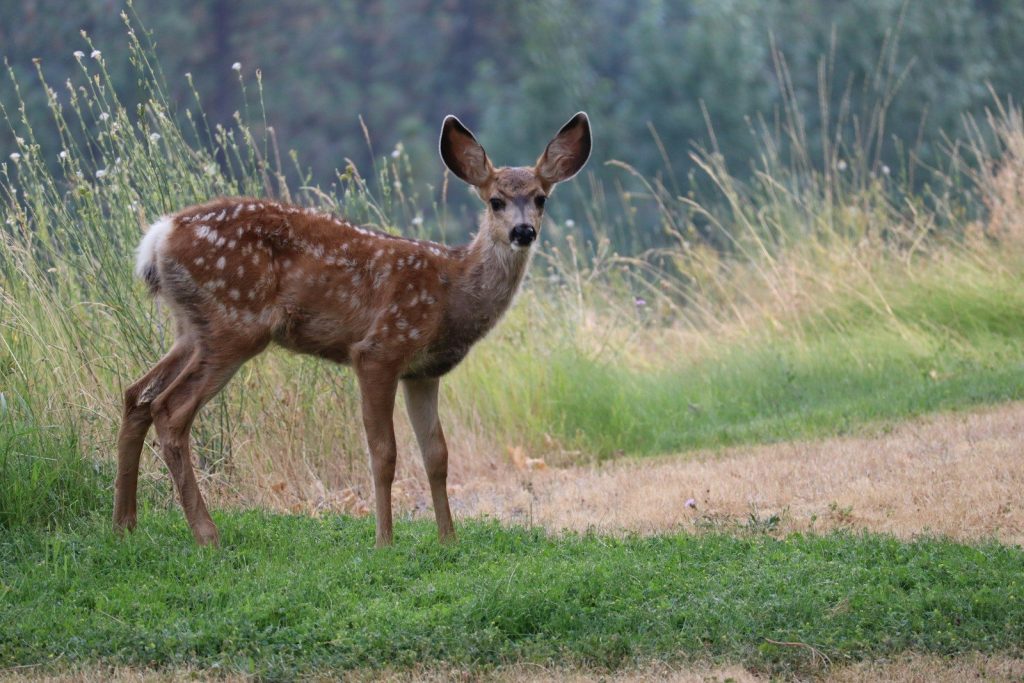
    Baby Deer” by Yvonne in Willowick Ohio is licensed under CC BY 2.0

    The story began when a woman in New Jersey spotted a young fawn trapped in a drain grate. The baby deer was unable to free itself and appeared frightened. Acting quickly, the woman carefully helped the animal out of the grate and got it back onto its feet. Once the fawn was free, many people expected it to run back into the woods right away. Instead, something surprising happened.

    Rather than leaving, the young deer began following the woman wherever she went. Videos of the rescue showed the fawn staying close to its rescuer and seeming reluctant to wander off. The woman gently encouraged the animal to return to the nearby wooded area, but the little deer continued trailing behind her for a period of time.

    Why the fawn stayed near its rescuer

    baby deer” by Patricia Lazar : Ceramic Art : Teapots : Pet Paint is licensed under CC BY-SA 2.0

    Wildlife experts explain that very young deer often look for safety when they become scared or separated from their mothers. After being trapped and then rescued, the fawn may have briefly viewed the woman as a source of comfort and protection. Young animals sometimes stay close to whoever helps them during a stressful situation.

    The behavior does not mean the deer became a pet or permanently bonded with a human. Instead, it was likely a short-term response to fear and confusion. The rescue removed the immediate danger, but the fawn still needed reassurance. Staying near the person who helped it may have felt safer than suddenly venturing off alone.

    The special bond between humans and rescued deer

    A couple of people sitting on a bench under a tree
    Photo by Ben on Unsplash

    Stories about rescued deer returning to visit their rescuers are not new. Over the years, several documented cases have shown deer revisiting people who cared for them after injuries or emergencies. In one widely reported case, a fawn that had been rehabilitated after losing its mother continued returning to see the person who bottle-fed and cared for it.

    These stories often capture public attention because they remind people that animals can remember positive experiences. However, wildlife specialists note that every animal is different. Some deer quickly return to normal wild behavior, while others may temporarily remain comfortable around humans after receiving care. Much depends on the animal’s age, circumstances, and amount of human contact.

    How the fawn was reunited with its family

    brown deer on green grass field during daytime
    Photo by Timothy Abraham on Unsplash

    The woman who rescued the deer understood that the animal belonged in the wild. Instead of keeping the fawn close, she guided it toward the area where its mother and sibling were located. Reports later confirmed that the baby deer was reunited with its family after the rescue.

    This outcome was important because young deer rely heavily on their mothers for protection and survival. A doe teaches her fawn where to feed, where to rest, and how to avoid danger. Reuniting the baby with its family gave it the best chance of continuing a healthy life in its natural habitat.

    What people should know about finding a fawn?

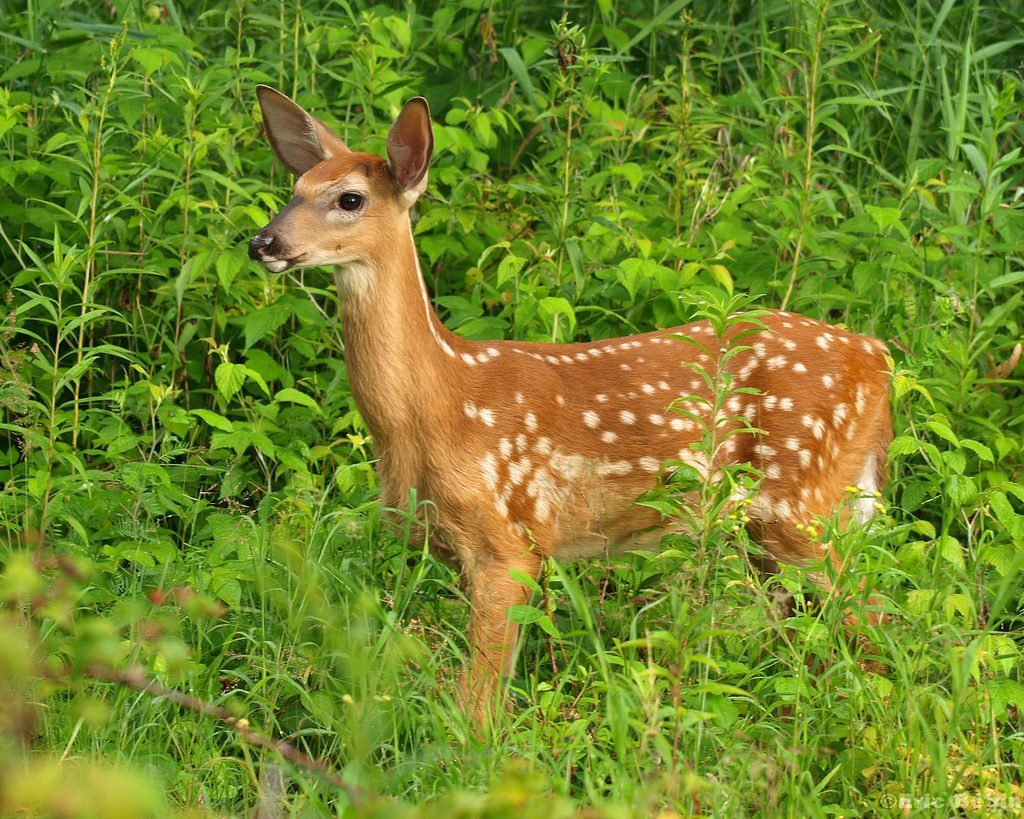
    Whitetail fawn” by GlacierNPS is licensed under CC PDM 1.0

    Many people assume a fawn is abandoned when they see one alone. In reality, mother deer often leave their babies hidden for several hours while they search for food. The fawns stay quiet and still, which helps keep them safe from predators. Wildlife rehabilitators frequently remind the public that an apparently lonely fawn may not actually need rescuing.

    Experts recommend observing from a distance before intervening. If a fawn is clearly injured, trapped, or in immediate danger, help may be necessary. Otherwise, the best action is often to leave the animal alone and allow the mother to return. Every situation is different, which is why wildlife authorities are often consulted when people are unsure.

    Why stories like this matter

    a person wearing headphones and holding a phone
    Photo by Akinyemi Gbadamosi on Unsplash

    The rescued deer story touched many people because it showed kindness in action. The woman did not expect recognition or attention when she helped the trapped animal. She simply saw a living creature in trouble and decided to help. That simple act changed the outcome for the young deer.

    Stories like this also remind people about the challenges wildlife face every day. Deer can become trapped in fences, drains, and other human-made structures. When people act responsibly and safely, they can sometimes make a real difference. At the same time, these stories highlight the importance of respecting wildlife and allowing animals to remain wild whenever possible.

  • 6 animals in the US that are legally off-limits to handle or disturb

    6 animals in the US that are legally off-limits to handle or disturb

    Have you ever seen a wild animal and wanted to get closer for a photo or a better look? Many people are tempted to approach wildlife because these animals seem calm, beautiful, or fascinating. However, many wild animals in the U.S. are protected by law, and touching them can be dangerous for both people and the animals themselves.

    This guide explores six wild U.S. animals you can’t touch and explains why keeping your distance is so important. Some of these animals are protected because they are endangered, while others can seriously injure people if they feel threatened. By learning about these animals, you can better understand how to enjoy wildlife safely while helping protect the natural world.

    Bald eagles are protected national symbols

    bald eagle flying on skies
    Photo by Mathew Schwartz on Unsplash

    Bald eagles are among the most recognizable birds in the United States. They are protected under special laws that make it illegal to harm, disturb, handle, or harass them without permission. These protections also extend to their nests.

    Because bald eagles are protected wildlife, people should always admire them from a distance. Getting too close can disrupt their natural behavior and may result in legal consequences. Watching them soar freely in their natural habitat is the safest and most respectful choice.

    Sea turtles need space to survive

    brown turtle swimming underwater
    Photo by Wexor Tmg on Unsplash

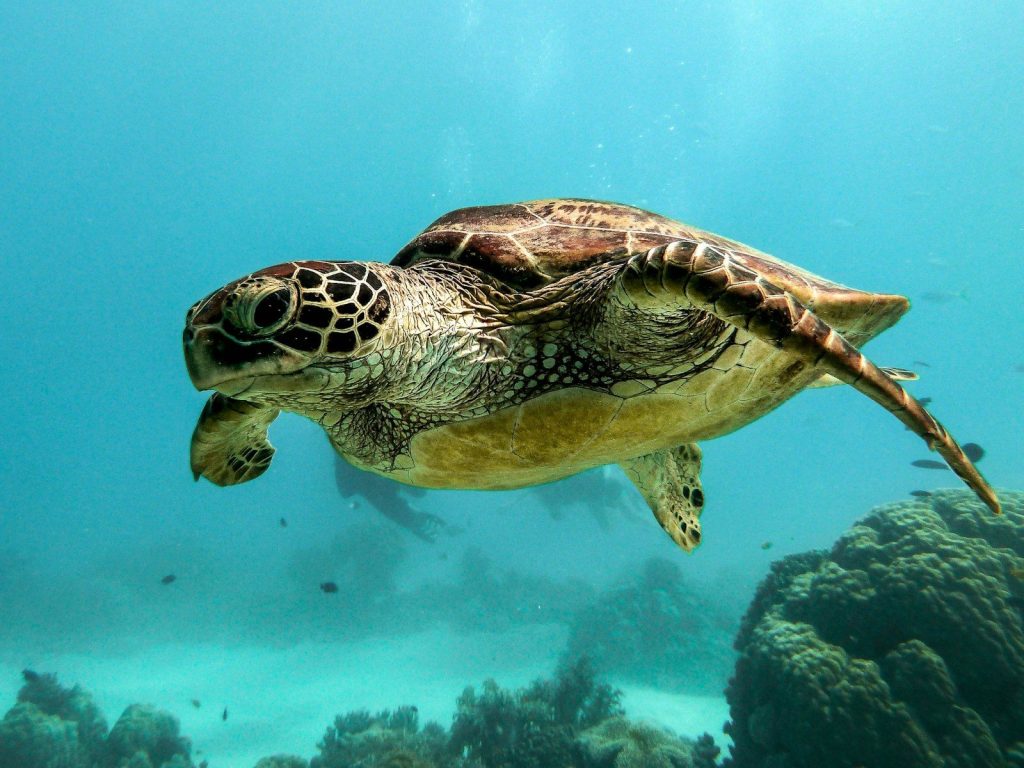
    Sea turtles are protected because they are endangered. Animals such as the loggerhead and green sea turtle depend on safe nesting areas and healthy environments to survive. Touching them or interfering with their nests is illegal.

    When sea turtles come ashore to lay eggs, they are especially vulnerable. Disturbing them can affect their nesting process and threaten future generations. If you see a sea turtle on a beach or while swimming, it is best to observe quietly and allow it to continue its natural activities undisturbed.

    Gray wolves remain wild predators

    gray and black wolf standing near tree trunk during daytime
    Photo by Robert Larsson on Unsplash

    Gray wolves have made an impressive recovery in parts of the United States after facing severe population declines in the past. Even so, they remain protected in many areas and should never be approached or touched by people.

    Wolves are territorial animals with unpredictable behavior. While they may appear calm from a distance, they are still wild predators. Respecting their space helps protect both humans and wolves while allowing these animals to continue playing their role in the ecosystem.

    Bison are stronger than they appear

    selective focus photography of brown cattle on brown field
    Photo by Goutham Ganesh Sivanandam on Unsplash

    Bison are famous symbols of the American West and are commonly seen in protected areas. Although they often appear peaceful while grazing, they are powerful animals capable of causing serious injuries when disturbed.

    Approaching or touching bison is dangerous and often illegal in protected areas. Their populations are still recovering in some regions, underscoring the importance of conservation efforts. Observing them from a safe distance allows visitors to enjoy these impressive animals without putting anyone at risk.

    Alligators can be dangerous when disturbed

    crocodile in body of water
    Photo by Shelly Collins on Unsplash

    Alligators live throughout parts of the southeastern United States and are known for their large size and strong jaws. Because they are wild reptiles, approaching them can pose a danger to both humans and animals.

    These animals are protected under state law, and disturbing them is prohibited. Alligators are especially active during certain times of the day, making it important for people to remain alert in areas where they live. Keeping a safe distance helps prevent accidents and protects natural behavior.

    Grizzly bears demand respect and caution

    brown bear on green grass during daytime
    Photo by Daniel Diesenreither on Unsplash

    Grizzly bears are among the most powerful mammals in North America. Found mainly in the northern Rocky Mountains and Alaska, they are protected by various laws that make disturbing or touching them illegal.

    These bears can react unpredictably when threatened, especially when food is involved or cubs are nearby. Encountering a grizzly bear requires caution and respect. Watching from a distance is the safest approach and helps ensure that both people and bears remain safe.

  • 6 highly trainable dog breeds known for obedience and intelligence

    6 highly trainable dog breeds known for obedience and intelligence

    Ever wonder why some dogs learn commands in minutes while others take weeks to understand the same trick? Choosing the most trainable dog breeds guide for owners can make a huge difference in how smooth and enjoyable life with a dog becomes. Training is not just about tricks. It affects behavior, safety, and how well a dog fits into daily life.

    This article explains which dog breeds are easiest to train and why they stand out. You will learn what makes these dogs so quick to learn, how their history shapes their behavior, and what kind of owners they suit best. By the end, you will have a clearer idea of which breeds may match your lifestyle and training goals.

    Border Collie intelligence and working drive

    long-coated black and white dog during daytime
    Photo by Baptist Standaert on Unsplash

    Border Collies are often seen as the most trainable dogs in the world. They were originally bred to herd sheep in Scotland and England, which required focus, energy, and fast thinking. This background explains why they learn commands so quickly and stay highly alert.

    They can pick up new instructions in just a few repetitions. Border Collies also do well in obedience training and agility sports. However, they need constant mental and physical activity to stay balanced and avoid unwanted behaviors.

    Poodle learning ability and adaptability

    brown poodle puppy on blue carpet
    Photo by Steven Van Elk on Unsplash

    Poodles come in standard, miniature, and toy sizes, and all are highly trainable. They were first used as water retrievers working closely with hunters. This history helped shape their intelligence and strong ability to follow instructions.

    They learn household routines quickly and adjust easily to different training styles. Poodles respond best to calm, positive training methods. Their intelligence makes them reliable and easy to manage in many home environments.

    German Shepherd loyalty and advanced training skills

    brown and black german shepherd on green grass field
    Photo by Jana Ohajdova on Unsplash

    German Shepherds are known for intelligence, courage, and strong loyalty. They are widely used in police work, military service, and rescue missions because they can handle complex training tasks. Their ability to stay focused under pressure makes them highly dependable.

    They form deep bonds with their handlers and take training seriously. Early socialization is important to help them stay confident in different situations. With proper training, they become calm and reliable companions in both work and home life.

    Golden Retriever’s friendly temperament and easy learning

    dog running on beach during daytime
    Photo by Oscar Sutton on Unsplash

    Golden Retrievers are popular family dogs for their gentle, friendly nature. They are eager to please and respond well to training from a young age. This makes them a great choice for first-time dog owners.

    They are often used as service dogs, therapy animals, and search-and-rescue workers. Golden Retrievers enjoy positive reinforcement, such as treats and praise. Their playful nature helps keep training sessions fun and engaging.

    Doberman Pinscher focus and structured training needs

    black and tan short coat medium dog lying on floor
    Photo by JOSHUA DANIEL on Unsplash

    Dobermans are strong, intelligent dogs that learn commands quickly. Even though they look tough, they are sensitive and form strong bonds with their families. They do best when they have clear rules and steady training.

    They need early socialization to feel comfortable in different environments. With the right guidance, Dobermans become calm, loyal, and well-behaved companions. Consistent leadership helps them reach their full potential.The

    Labrador Retriever calm learning ability and is a good family fit

    yellow labrador retriever puppy sitting on floor
    Photo by Taylor Kopel on Unsplash

    Labrador Retrievers are known for their steady nature and willingness to learn. They respond well to basic training and often enjoy working closely with people. Their calm attitude makes them easier for many families to handle.

    They are commonly used in service and assistance roles due to their reliability. Labs enjoy rewards and positive attention during training. Their friendly personality helps them fit well into homes with children and other pets.