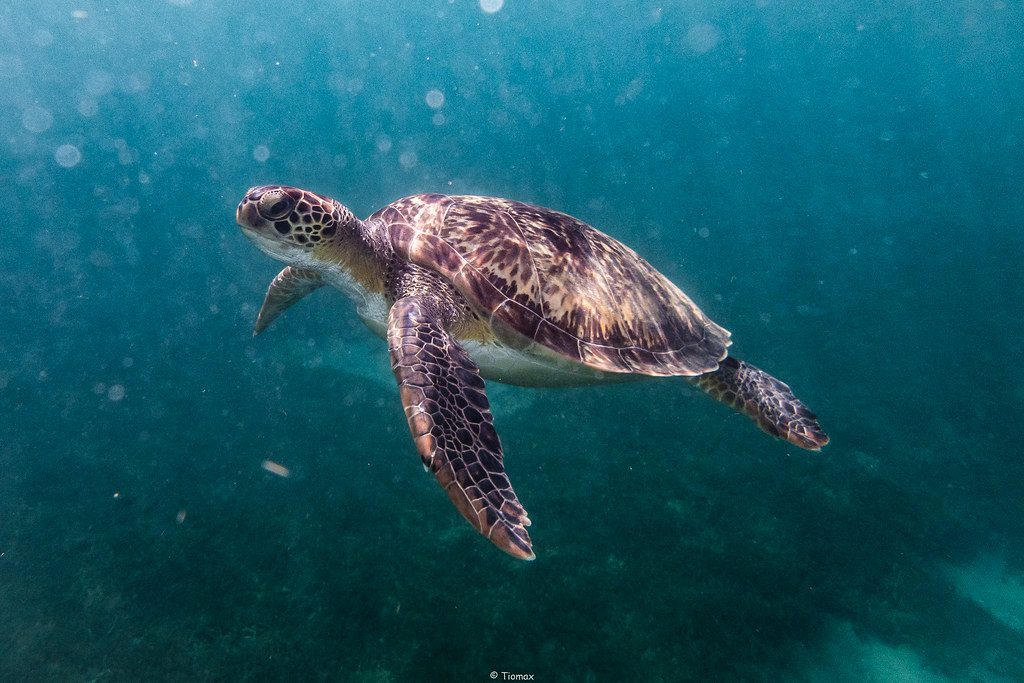
Every year, many sea turtles become sick or hurt before they can safely live in the ocean again. The recent SeaWorld helps nine rehabilitated green sea turtles return to the sea story shows how rescue teams can give these animals another chance.
After months of care, nine green sea turtles were healthy enough to go back into the Atlantic Ocean. This article explains why the turtles needed help, how SeaWorld cared for them, where they were released, and why this rescue is important for sea turtle conservation.
Why the turtles needed help

The nine green sea turtles were rescued after Florida experienced an unusually cold winter. Cold water can slow a turtle’s body, making it difficult to swim, eat, and avoid danger. Many of the turtles also suffered from malnutrition because they could not find enough food while they were weak.
Green sea turtles are a protected species, so trained rescue teams quickly stepped in. Without treatment, many cold-stunned turtles would not survive. Rescue workers safely transported them to SeaWorld Orlando, where they could receive expert veterinary care.
How SeaWorld helped the turtles recover
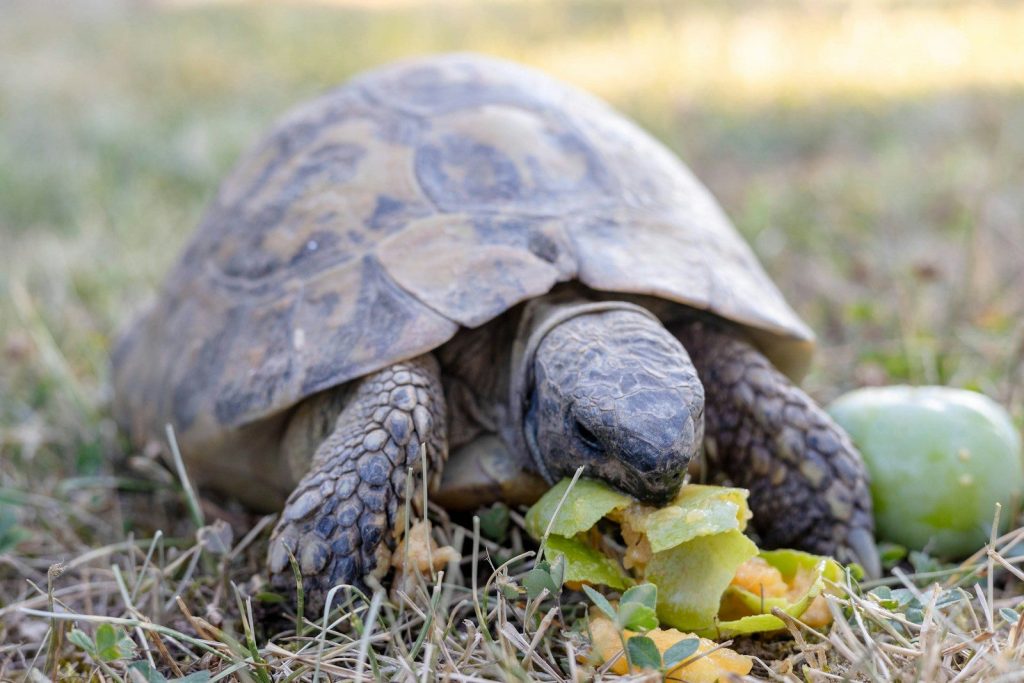
The turtles spent several months in rehabilitation before returning to the wild. Veterinarians performed health checks, diagnostic tests, and gave the turtles the nutrition they needed to regain strength. Each turtle received care based on its condition.
One turtle needed extensive shell repair because of serious damage. As the weeks passed, all nine turtles improved, regained healthy body weight, and showed normal swimming and feeding behavior. Only after meeting release standards were they cleared to return to the ocean.
The return to the Atlantic Ocean
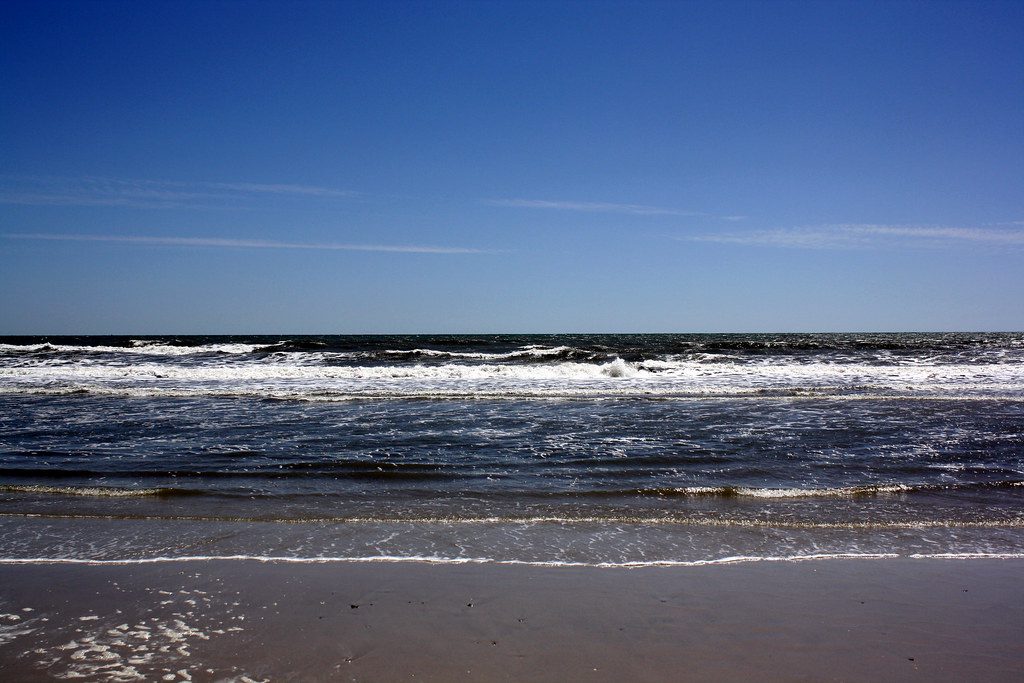
The turtles were released at River to Sea Preserve in Flagler County, Florida. This protected stretch of coastline provides access to the Atlantic Ocean, allowing the turtles to swim back into their natural habitat.
The release marked the end of a long recovery journey. Rescue staff carefully carried each turtle to the shoreline before watching them make their way into the water. Returning rehabilitated turtles to the same region where they were rescued helps them continue their natural life cycle.
Why green sea turtles matter
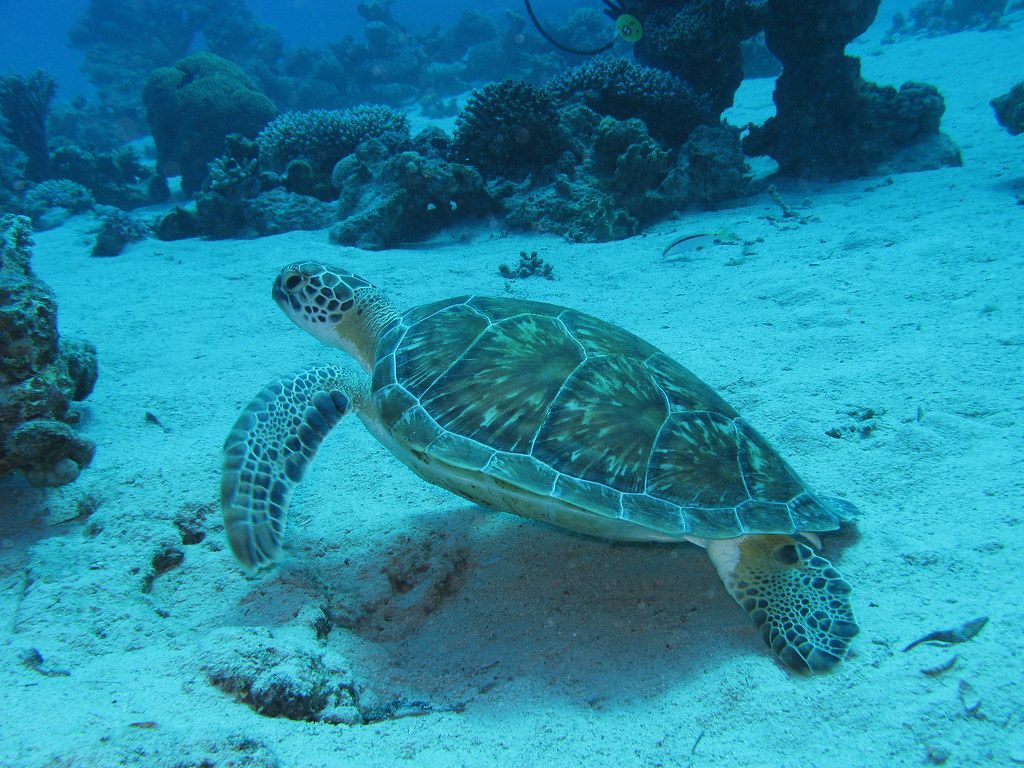
Green sea turtles play an important role in keeping ocean habitats healthy. They feed on seagrass, helping underwater meadows stay productive. Healthy seagrass beds provide food and shelter for many other marine animals.
Although green sea turtle populations have improved in some places, they still face many dangers. Cold weather, boat strikes, fishing gear, pollution, and habitat loss continue to threaten their survival. Every successful rescue and release helps support the future of the species.
SeaWorld’s ongoing rescue work
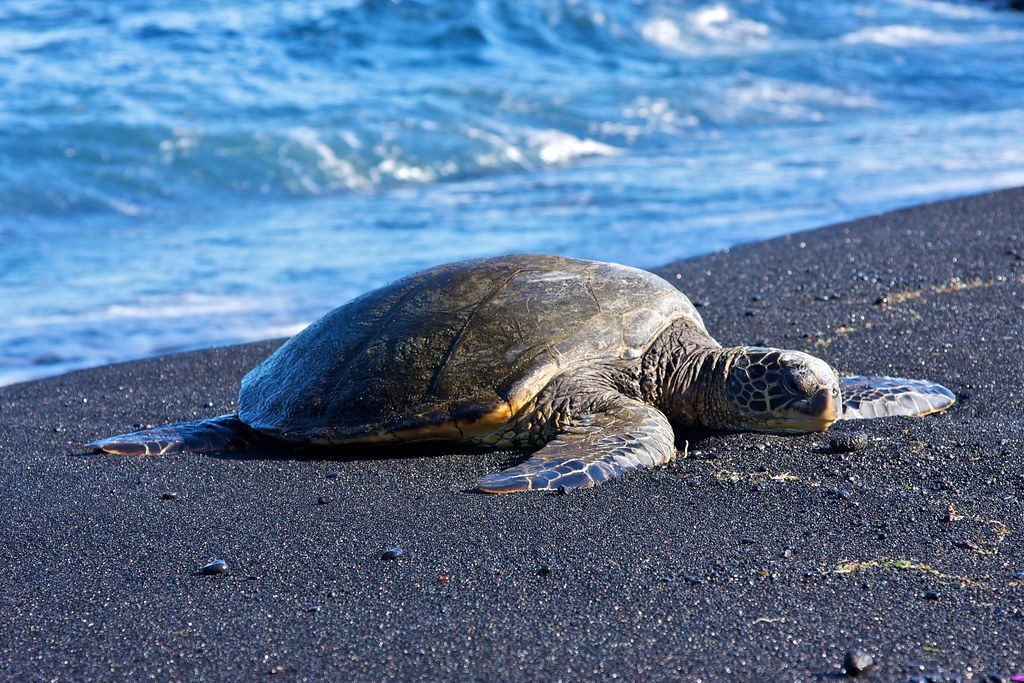
SeaWorld Orlando works with government agencies and wildlife partners to rescue sick, injured, and stranded marine animals throughout the year. The goal is always to rehabilitate animals and return them to the wild whenever possible.
So far this year, the SeaWorld Orlando Rescue Team has rescued 38 sea turtles and successfully released 27 back into the wild. The organization has also participated in thousands of marine animal rescues over the years, showing the long-term commitment required for wildlife conservation.
What this rescue means for conservation

The successful release of these nine turtles shows that teamwork between veterinarians, rescue staff, and conservation partners can make a real difference. Careful medical treatment and rehabilitation gave the turtles the strength they needed to survive on their own again.
Rescue efforts also help scientists learn more about sea turtle health and the challenges these animals face. That knowledge can improve future conservation work and increase the chances that more turtles will safely return to the ocean.