The Trump wildlife protections rollback has raised questions about how threatened animals and plants will be protected in the United States. Recent changes to the Endangered Species Act rules have sparked strong debate between government officials, industry groups, and conservation organizations. Some say the updates will make the law clearer and support economic growth, while others warn they could weaken safeguards for wildlife.
This article explains what changed, why the Trump administration made these decisions, what supporters and critics are saying, and how the new rules may affect threatened species, habitats, and future conservation efforts. By the end, you will have a clear understanding of the latest policy changes and their possible impact.
What changed under the new rules?
The Trump administration finalized several changes to how the Endangered Species Act is carried out. One major change ends the automatic rule that gave most threatened species the same protections as endangered species. Instead, each newly listed threatened species will receive its own custom protection plan.
The administration also changed the federal definition of “harm” under the law. For many years, habitat destruction could be treated as harm if it injured wildlife. Under the new rule, enforcement focuses more on direct injury or death to protected animals rather than damage to their habitat.
Why the administration supports the changes

Administration officials say the changes return the law to its original meaning and reduce rules they believe went beyond what Congress intended. They argue that customized protections will better match the needs of each species instead of using one rule for every threatened animal.
Officials also say the updated rules will give more certainty to landowners, farmers, ranchers, energy companies, and local governments. They believe this approach can support conservation while reducing delays for projects involving energy, mining, transportation, and other development.
Why conservation groups are concerned

Many wildlife experts and environmental groups strongly oppose the changes. They say habitat loss is one of the biggest reasons species become endangered and that weaker habitat protections could make recovery much harder for vulnerable wildlife.
Critics also worry that creating separate protection plans for every threatened species may take time. During that period, some species could face greater risks if development moves forward before specific protections are completed.
How threatened species may be affected
Threatened species are animals and plants that are likely to become endangered in the foreseeable future. Under the new approach, they will no longer automatically receive the same broad federal protections that endangered species receive.
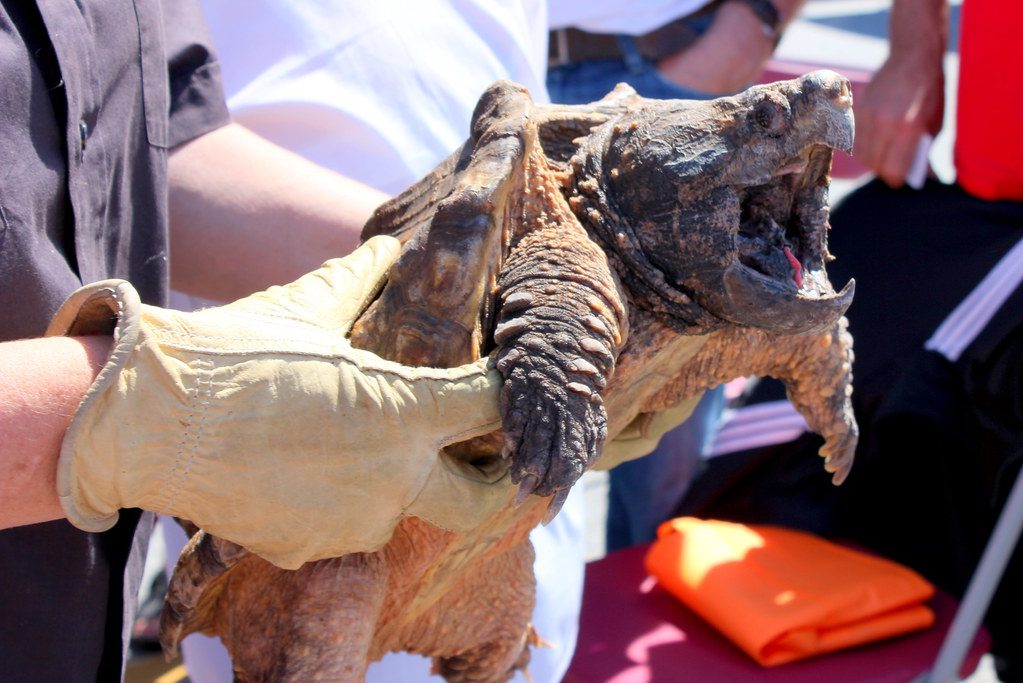
Conservation groups have pointed to species such as monarch butterflies and alligator snapping turtles as examples of wildlife that could face added challenges if protection plans are delayed. The actual effect will depend on the individual rules written for each threatened species.
What happens next

The policy changes are already facing legal challenges from several environmental organizations. They argue that removing long-standing habitat protections does not match the purpose of the Endangered Species Act and should be overturned in court.
At the same time, the administration has defended the changes, saying the law still protects endangered and threatened wildlife from direct harm. Court decisions could determine whether some of the new rules remain in place or are changed in the future.
What this means for wildlife conservation

The Endangered Species Act, passed in 1973, remains one of the nation’s strongest wildlife conservation laws. It continues to protect listed species and requires federal agencies to consider their actions when projects may affect protected wildlife.
The latest rule changes represent one of the biggest shifts in how the law is applied in recent years. Whether the new approach improves conservation or weakens protections will likely be debated as agencies implement the rules and courts review the legal challenges.
Leave a Reply