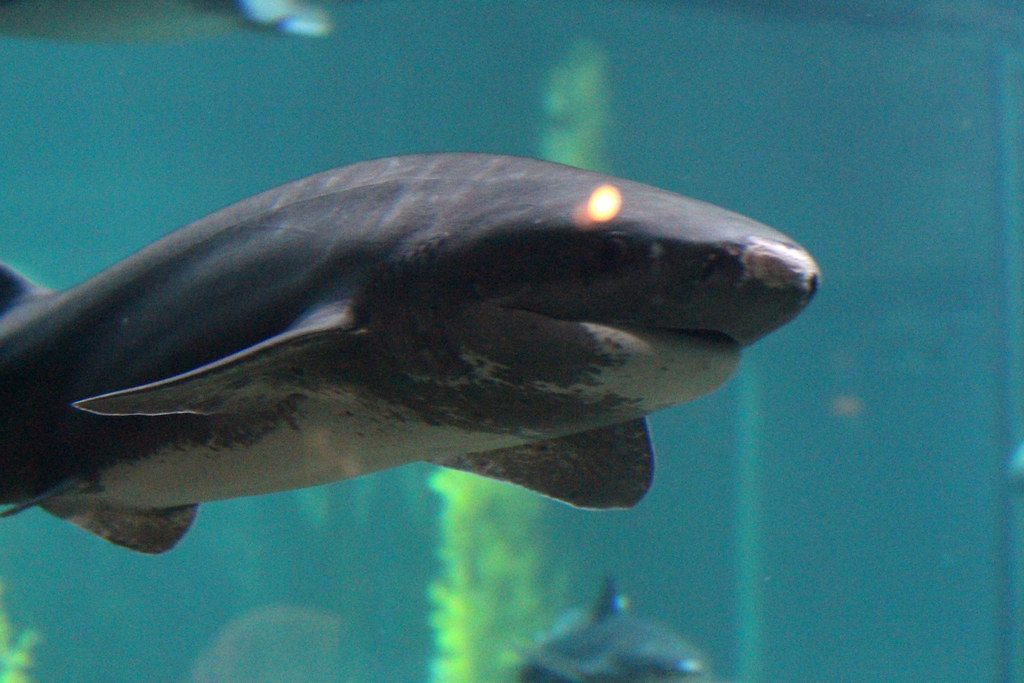
A 31-year-old diver rescued after shark bite has drawn attention after a frightening underwater incident in Tasmania, Australia. While shark bites are uncommon, they can happen without much warning, making quick action very important. In this case, the diver survived thanks to help from fellow divers and a fast air rescue.
This article explains what happened, where the attack took place, how emergency crews responded, what experts know about the shark involved, and what lessons divers can learn. Understanding the facts helps separate truth from rumors and provides a clear picture of this recent event.
The shark bite happened off Tasmania

The incident happened on the morning of July 18, 2026, near Coal Point in Adventure Bay on Bruny Island, Tasmania. The 31-year-old man was diving with two other people about 50 meters from shore at a depth of around 8 meters when he was bitten.
Police said the shark was believed to be a broadnose sevengill shark measuring about 2 meters, or roughly 6.5 feet, long. The diver suffered injuries to his lower forearm but stayed conscious and was able to swim back toward shore with help from the others.
Fellow divers helped save the injured man

After the bite, the diver’s companions quickly helped him reach land instead of leaving him alone in the water. Emergency services were called shortly after 9:10 a.m., allowing rescuers to respond without delay.
The injured man was then flown by the Westpac Rescue Helicopter to Royal Hobart Hospital. Police confirmed his injuries were not life-threatening, and he arrived at the hospital in stable condition. Fast teamwork played a major role in the successful rescue.
What experts know about the shark
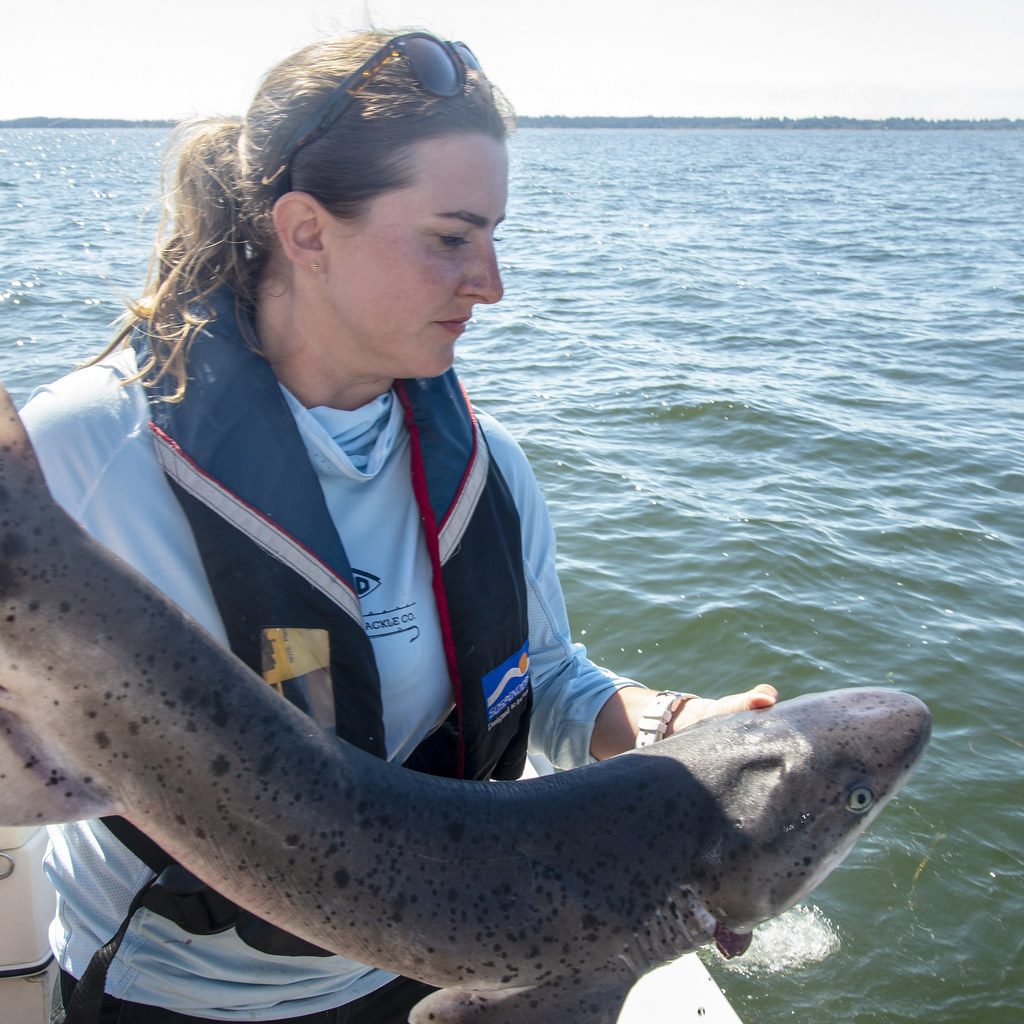
Authorities believe the animal involved was a broadnose sevengill shark, a species found in cool coastal waters around southern Australia. Unlike most sharks, it has seven gill slits instead of five and can grow much larger than the one believed to be involved in this incident.
Experts say this species is usually not linked to frequent attacks on people. However, like many sharks, it may react if food is nearby or if it feels threatened. Witnesses reported the diver was spearfishing, a situation that can attract sharks because of struggling fish and blood in the water.
Police monitored the area after the attack

After the rescue, Tasmania Police checked the surrounding waters for more shark activity. Officials said no additional shark sightings were reported after the incident, and there was no evidence of an ongoing danger in the area.
Authorities described the attack as an isolated event. Even so, they reminded swimmers, divers, and boaters to stay alert, follow local safety advice, and report unusual shark sightings to emergency officials.
Shark bites remain uncommon
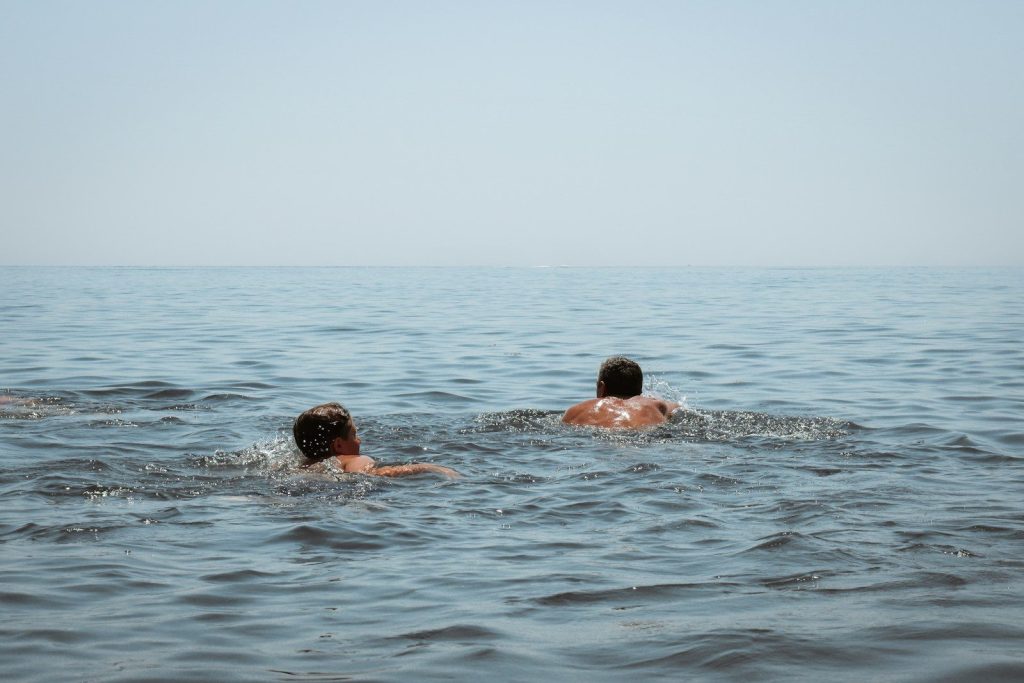
Although shark attacks often receive worldwide attention, they are still rare compared with the number of people who enter the ocean each year. Most dives and swimming trips end safely without any encounter with a shark.
Marine experts say the risk can be reduced by avoiding areas where fish are being cleaned, staying away from seals or schools of fish, diving with others, and following local warnings. These simple steps cannot remove every risk, but they can improve safety.
The rescue highlights the value of preparation
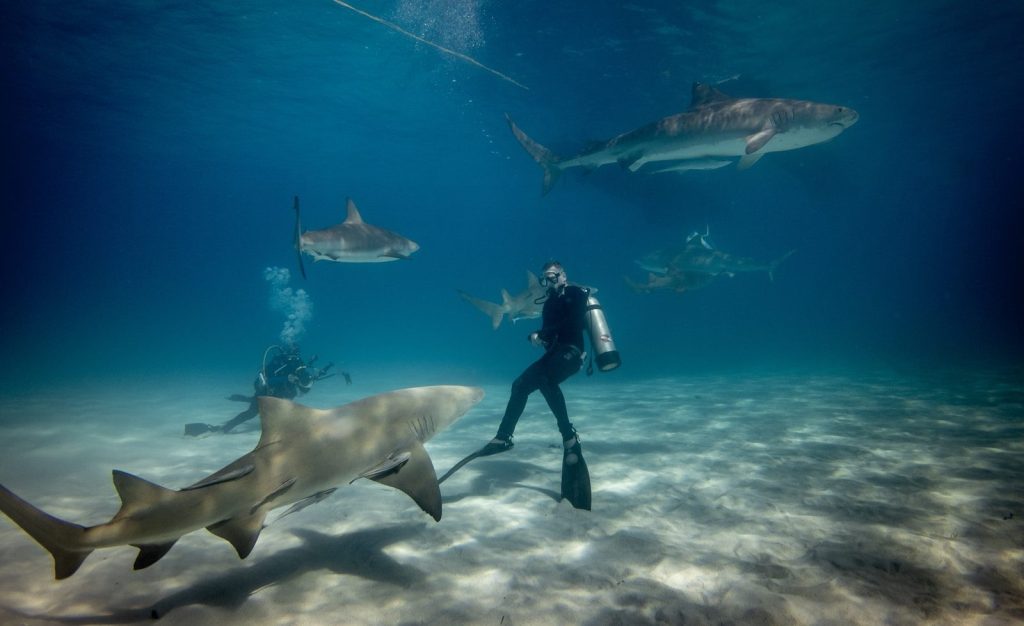
This incident shows how important it is for divers to prepare before entering the water. Diving with partners, carrying proper safety equipment, and knowing emergency procedures can make a major difference when something unexpected happens.
The diver’s survival was helped by calm actions from his companions, a rapid emergency response, and quick air transport to a hospital. Together, those factors turned a dangerous shark bite into a successful rescue.
Leave a Reply