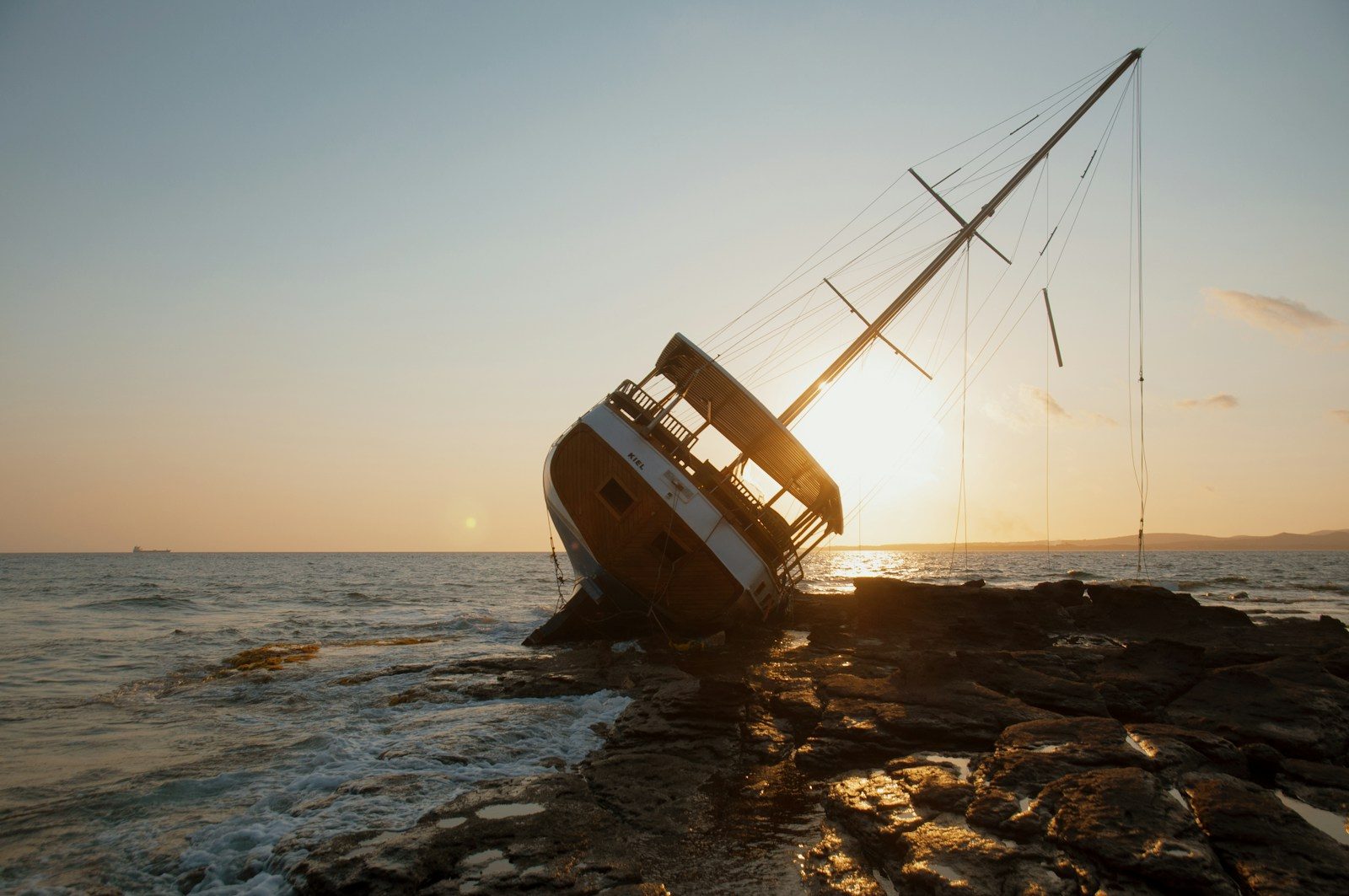
A seven-year-old among survivors found clinging to a fish trap after a boat disaster has become one of the most remarkable survival stories of the year. After a passenger boat sank in rough waters off Indonesia, several people spent days drifting at sea before rescuers finally found them. Their determination and quick rescue have drawn attention around the world.
This article explains what happened to the passenger boat, how the survivors stayed alive, and how rescue crews found them despite difficult weather. You’ll also learn why boat accidents remain a challenge in Indonesia and what this rescue means for the families still waiting for loved ones.
The boat sank in rough waters
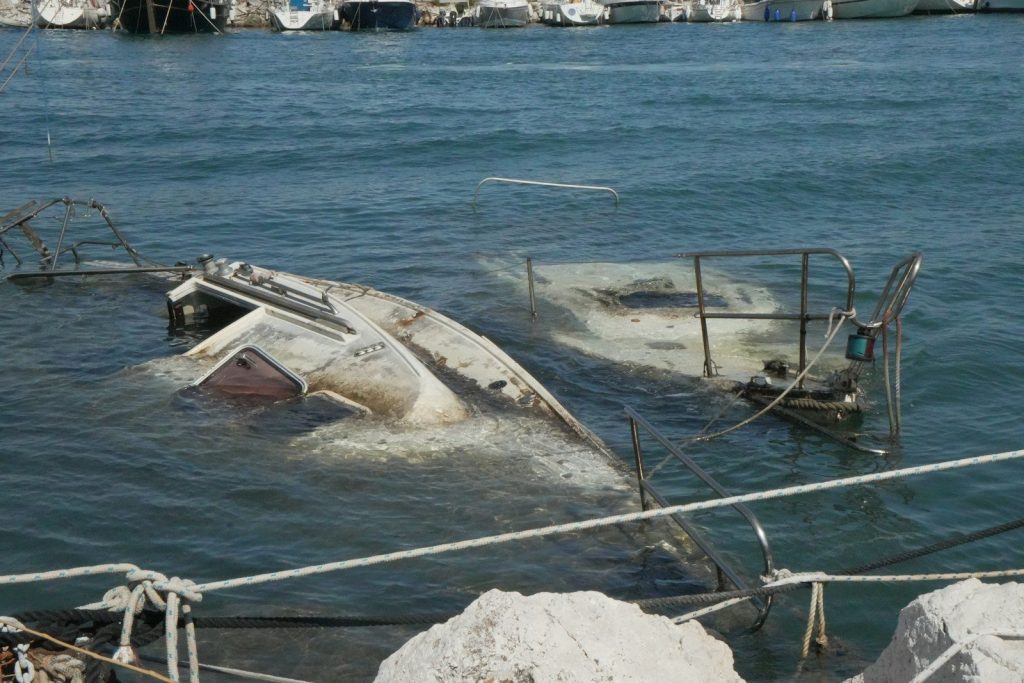
The passenger boat, KM Nurul Salsa, was traveling from Jampea Island to Selayar Island in South Sulawesi, Indonesia, when it experienced engine failure. The vessel, carrying 78 passengers and crew, sank about 43 nautical miles from the port after encountering harsh weather conditions.
Many people were rescued shortly after the accident, but others remained missing. Rescue teams quickly launched a large search operation across the surrounding waters despite dangerous waves and strong winds.
Five survivors were found at sea
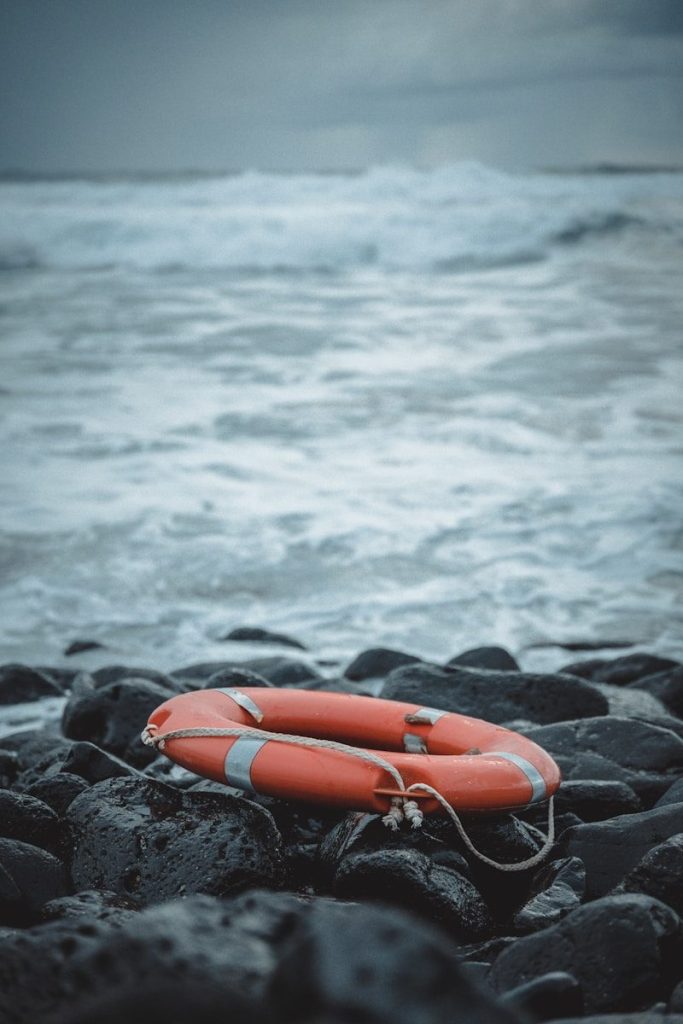
Several days after the sinking, rescuers located five survivors, including a seven-year-old girl. The group had managed to stay alive by clinging to a fish trap belonging to a local fisherman while drifting in open water.
The survivors were discovered before sunset near Matallang Island after a passing fishing boat spotted them and alerted authorities. They were safely transferred to a search-and-rescue vessel and taken ashore for medical checks.
They survived against the odds
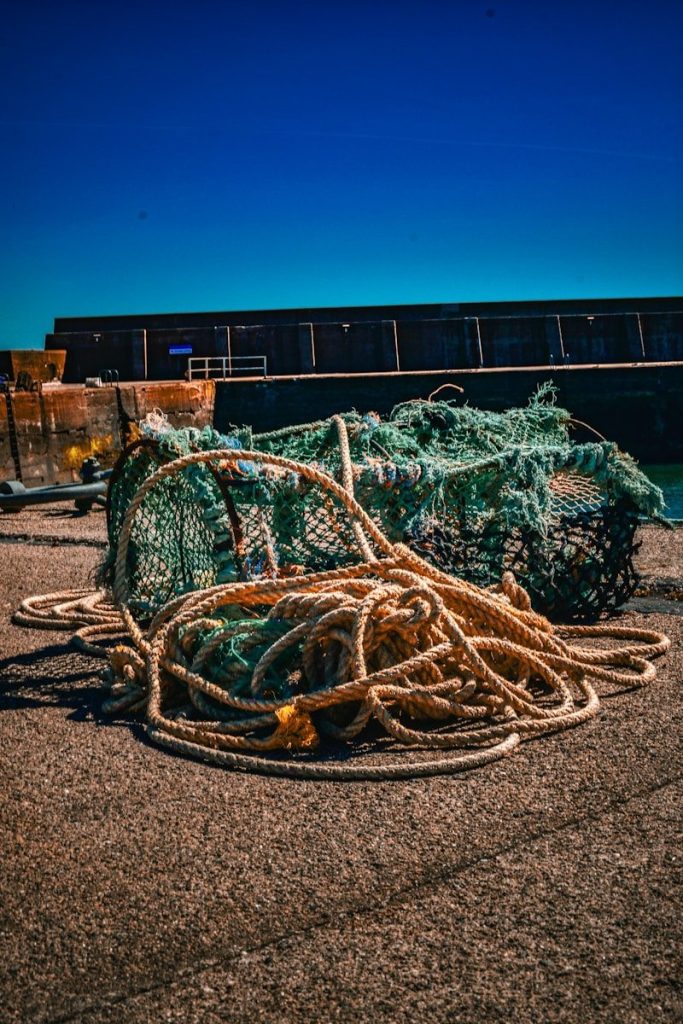
According to rescue officials, the survivors used whatever floating objects they could find after the boat sank. They tied together jerry cans, cork, rope, and the fish trap to help keep themselves above the water.
Strong winds and rough seas separated them from many other passengers. Even so, they remained together and continued floating until help finally arrived several days later.
The search continued for others

Rescue efforts did not stop after the first group was found. More than 200 rescuers, along with Indonesian military personnel, police officers, fishermen, and local residents, continued searching for the remaining missing passengers.
The next day, rescuers found two more survivors—a 46-year-old woman and her 24-year-old son—stranded on Balaloho Island after they had drifted ashore. At least one death had been confirmed, while many others were still missing.
Why boat accidents happen in Indonesia
Indonesia is made up of more than 17,000 islands, making passenger boats an important form of transportation. Millions of people depend on ferries and boats to travel between islands every day.
However, boat accidents still occur because of rough weather, overcrowding, and safety challenges. Officials often remind operators and passengers to follow safety rules to reduce the risk of future disasters.
A story of hope and courage

The rescue of the seven-year-old girl and the other survivors showed the importance of determination, teamwork, and fast emergency response. Their ability to stay afloat for days gave rescuers enough time to reach them.
Although the tragedy is not over for families still waiting for missing loved ones, the successful rescues offer hope that survival is possible even in the most difficult situations. The operation also highlights the dedication of rescue crews who continued searching despite dangerous conditions.
Featured Image: Photo by Matteo Miliddi on Unsplash
Leave a Reply