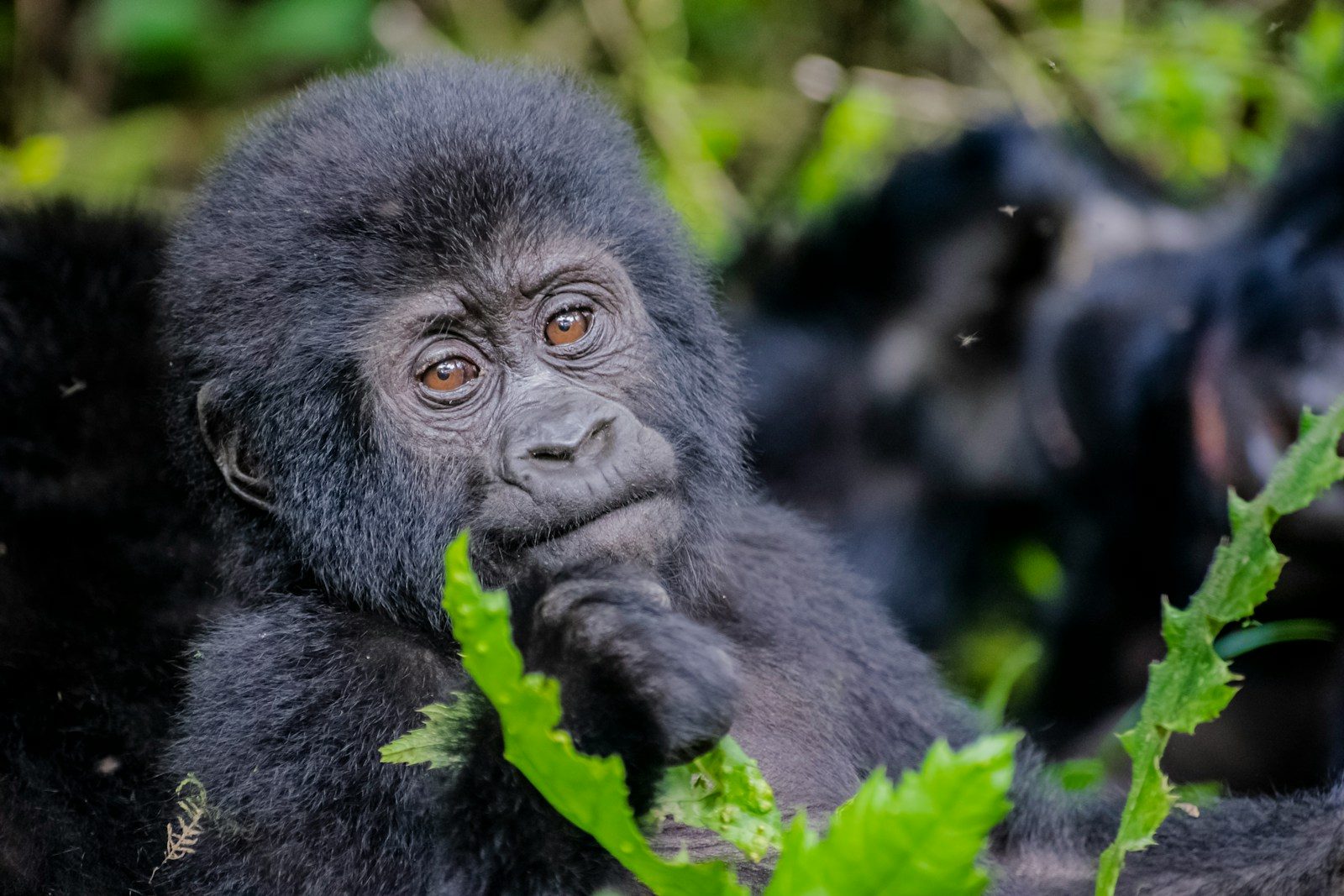
A rare gorilla birth at Detroit Zoo brings hope for endangered species and marks another important step for wildlife conservation. Every birth of a critically endangered western lowland gorilla is valuable because the species continues to face serious threats in the wild. The newest baby gorilla is also only the second ever born in the Detroit Zoo’s nearly 100-year history.
This article explains why the birth is so important, how zoo staff cared for the mother and baby, and what it means for future conservation. You’ll also learn how accredited zoos help protect endangered gorillas through breeding programs, research, and public education.
A historic baby arrives
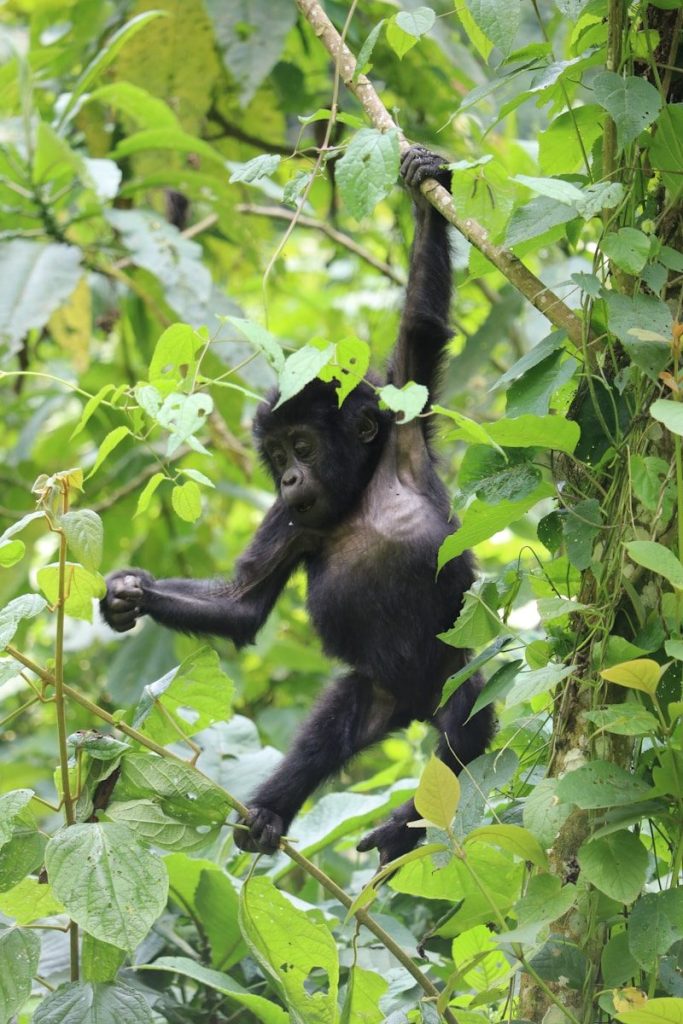
The Detroit Zoo welcomed a healthy baby girl western lowland gorilla on July 12, 2026. She was born to first-time mother Tulivu and father Mshindi, and both parents were reported to be doing well after the birth.
The newborn is the second gorilla ever born at the Detroit Zoo. She also becomes the sixth gorilla living at the zoo and the half-sister of Motema, the zoo’s first-ever gorilla birth in 2024.
The mother received special care
Throughout her pregnancy, Tulivu participated in regular ultrasound exams using positive reinforcement training. This allowed veterinarians to monitor the baby’s growth while keeping the mother calm and comfortable.
Zoo officials said Tulivu showed excellent maternal behavior after giving birth. Animal care staff continue to watch the mother and baby closely as they bond and reach important early milestones.
Why this birth matters
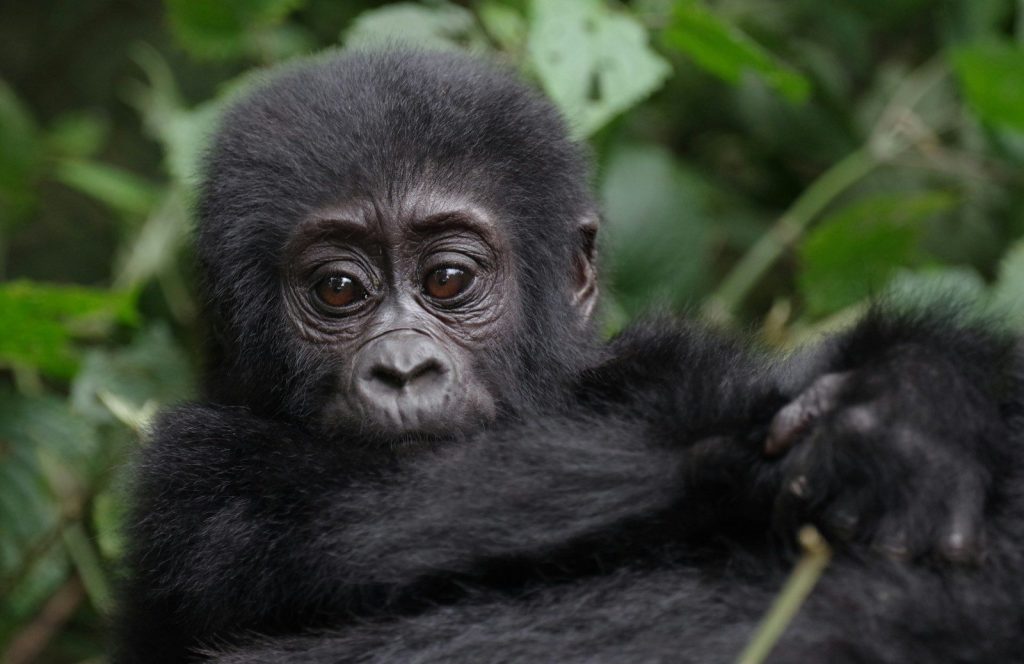
Western lowland gorillas are listed as critically endangered. Their populations have declined because of habitat loss, hunting, disease, and illegal wildlife trade.
Every successful birth in an accredited zoo helps maintain a healthy and genetically diverse population. Zoo officials said this new arrival strengthens ongoing conservation efforts for the species.
The gorilla family is growing
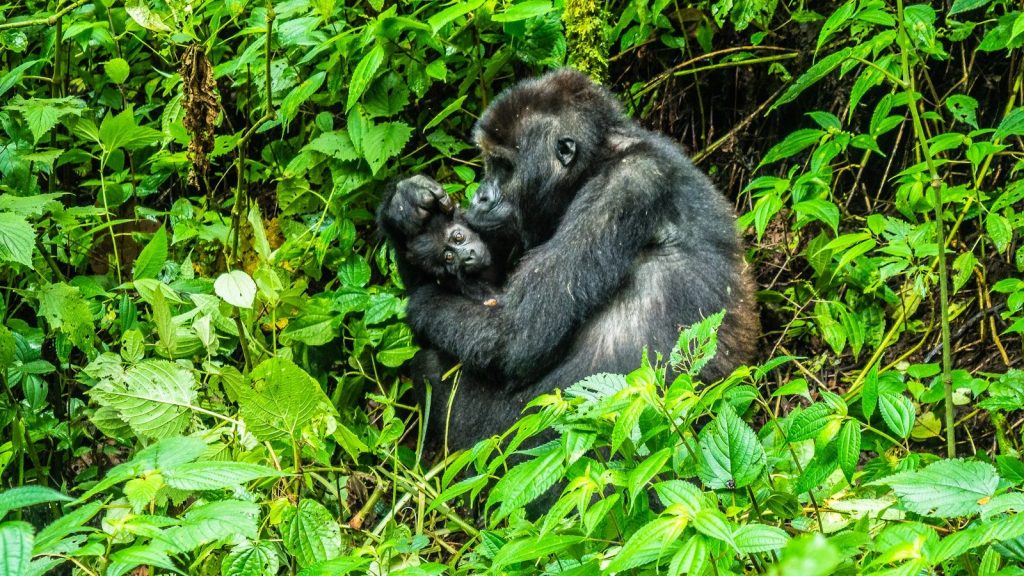
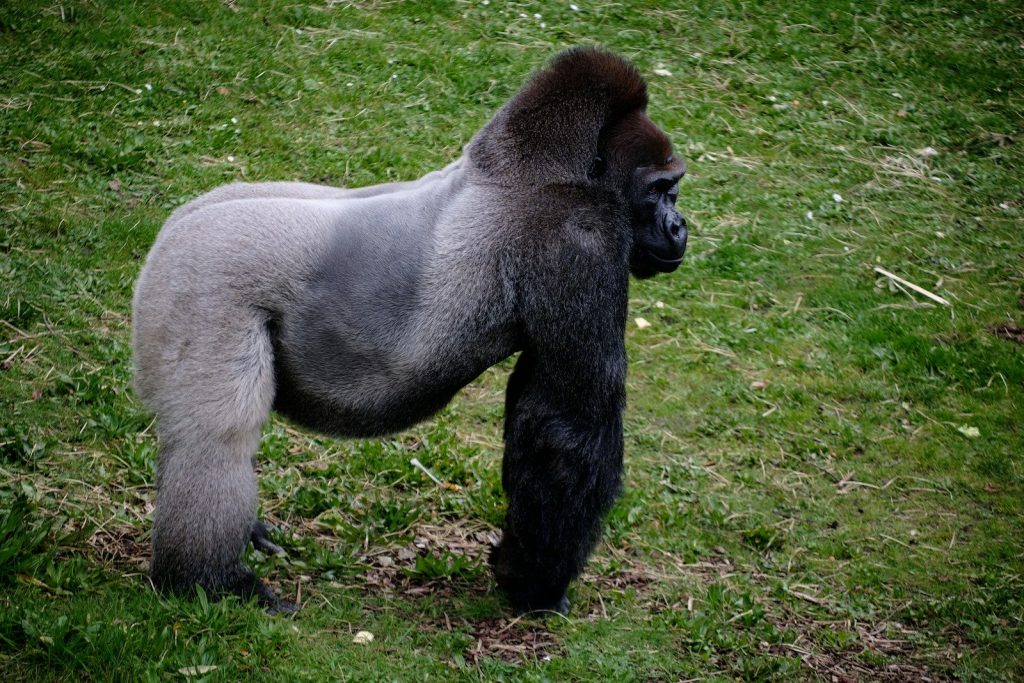
The newborn joins a troop that includes silverback Mshindi, Tulivu, Bandia, Nayembi, and her older half-sister Motema. Living in a social group helps young gorillas learn important behaviors as they grow.
For now, Tulivu and her baby have access to quiet behind-the-scenes areas. Zoo staff will allow public viewing only when they believe the mother and infant are fully comfortable.
Zoos play a role in conservation
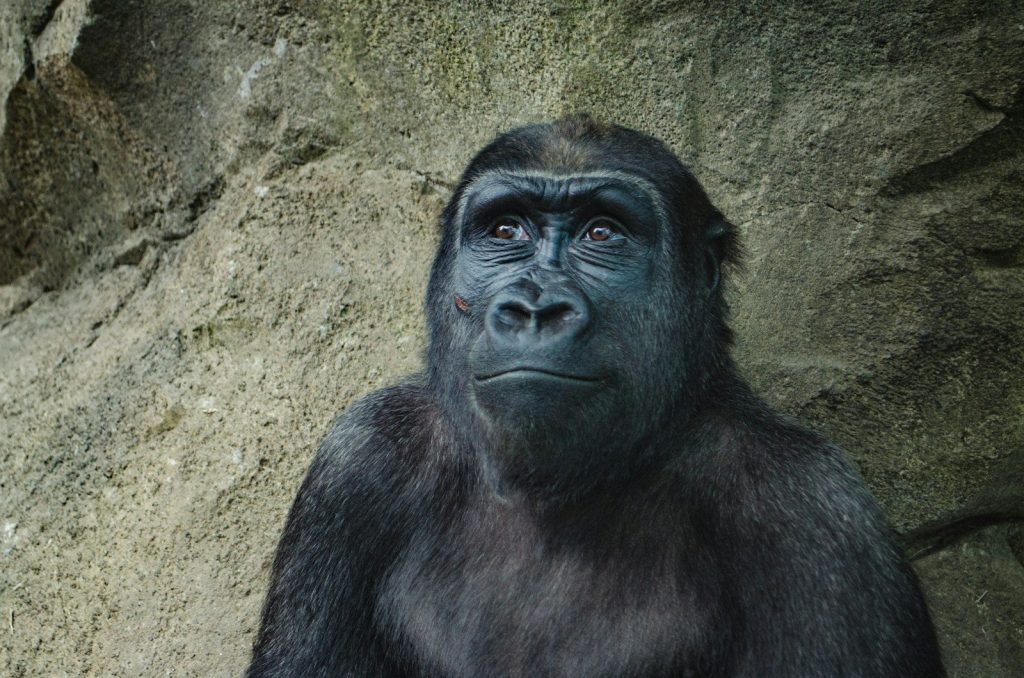
Modern accredited zoos do more than care for animals. They also support breeding programs, veterinary research, and conservation projects that help endangered species survive.
The Detroit Zoo also supports gorilla conservation through partnerships that protect wild populations and improve the health of great apes. These efforts help both zoo animals and gorillas living in Africa.
A hopeful future for gorillas
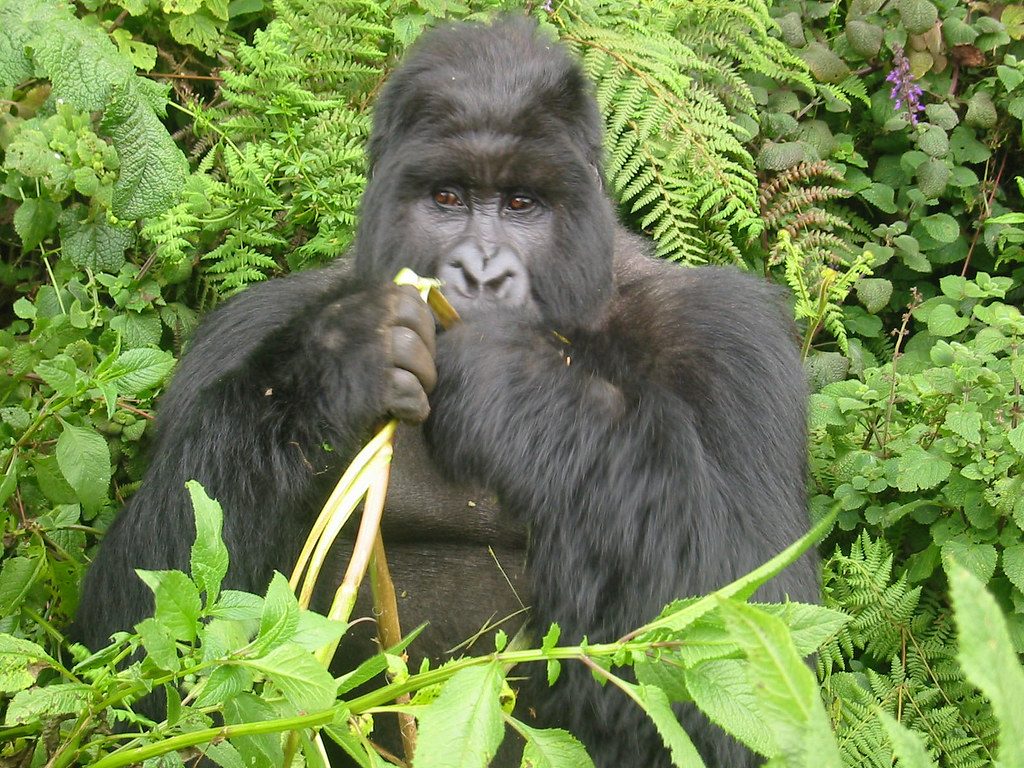
The birth of this baby gorilla gives conservationists another reason to celebrate. Healthy births help raise awareness about the challenges facing gorillas in the wild and encourage support for conservation efforts.
As the young gorilla grows, she will become an ambassador for her species, helping visitors learn why protecting wildlife and natural habitats is so important for future generations.
Featured Image: Photo by Dixon Newman on Unsplash
Leave a Reply