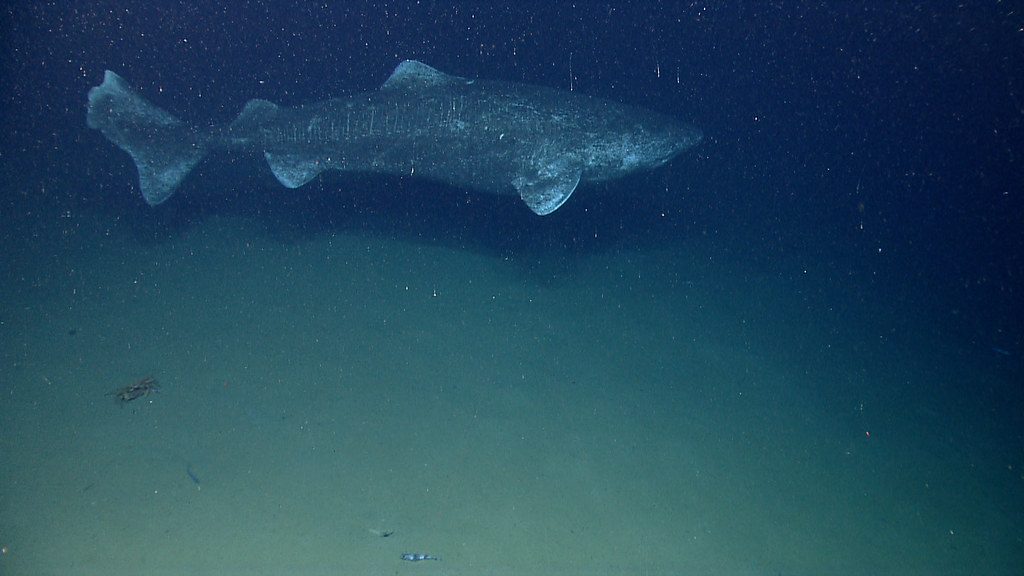
Have you ever wondered how an animal can live for hundreds of years? The scientists uncover the secret behind the Greenland shark’s extraordinary lifespan is helping answer that question. The Greenland shark is the longest-living known vertebrate on Earth, and new research has revealed genetic clues that may explain its amazing lifespan.
This article explores what scientists found in the shark’s genome, why the species lives so long, and how these discoveries could improve our understanding of aging. You’ll also learn why this deep-sea shark is important for future research and conservation.
The Greenland shark is unlike any other
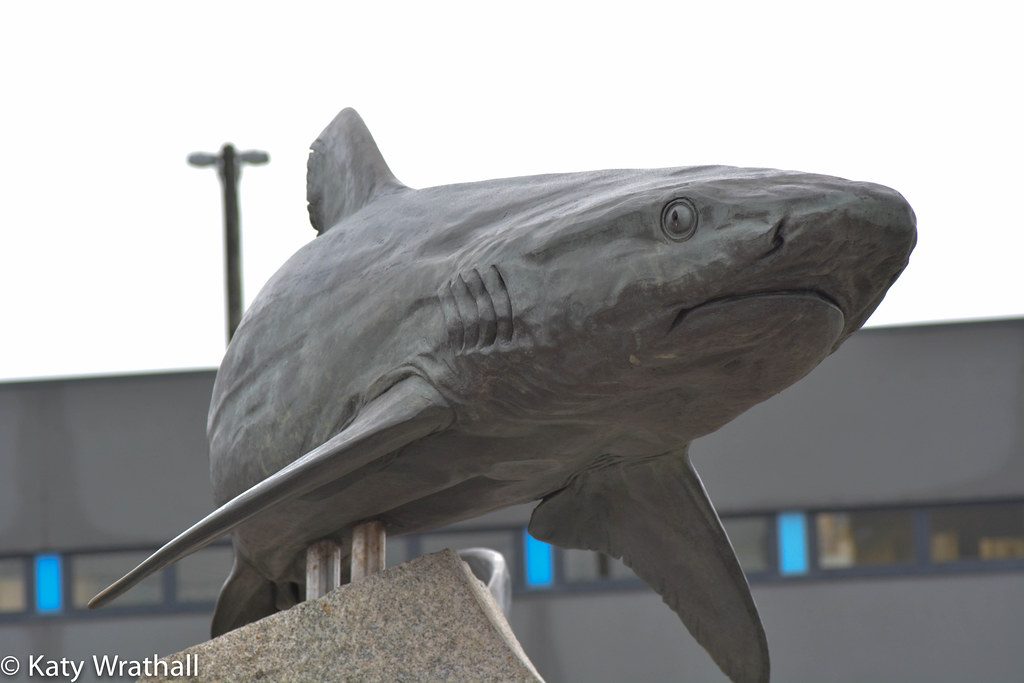
The Greenland shark lives in the cold waters of the Arctic and North Atlantic oceans. Scientists estimate that some individuals can live for around 400 years, making them the longest-lived known vertebrates on Earth.
These sharks grow very slowly and do not reach adulthood until they are well over 100 years old. Their slow pace of life has long made scientists wonder what allows them to survive for so many centuries.
Scientists mapped the shark’s genome

Researchers recently completed the first high-quality genome of the Greenland shark. A genome is the complete set of genetic instructions that tells an animal’s body how to grow, repair itself, and function.
By studying the genome, scientists found several genetic features linked to long life. These include genes involved in DNA repair, strong immune function, and protection against cancer, all of which help keep cells healthier over time.
Strong DNA repair may be a key
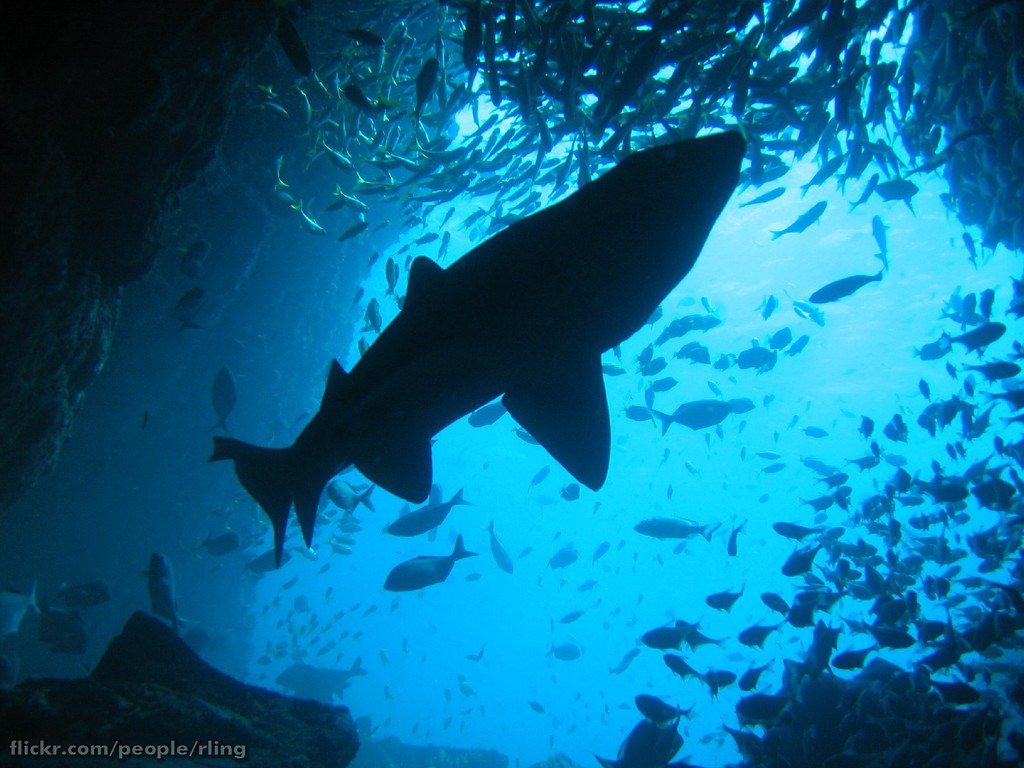
One of the biggest discoveries was evidence that the Greenland shark has powerful systems for repairing damaged DNA. DNA can become damaged as animals age, but repairing it helps cells continue working properly.
Researchers also found changes in a protein called linker histone H1.0. They believe these changes may help keep the shark’s genetic material more stable, reducing damage that normally builds up with age.
Other traits also support long life

The Greenland shark’s deep, cold habitat and naturally slow metabolism likely work together with its genes. A slow metabolism means the body uses energy more gradually, which may reduce wear on cells over many years.
Scientists also identified unique genes that could be linked to a process called ferroptosis, a form of cell damage. More research is needed, but these genes may play another role in helping the sharks live for centuries.
Why this discovery matters

Understanding how the Greenland shark ages could help scientists learn more about aging in other animals, including humans. While people will never live like Greenland sharks, studying their biology may inspire future medical research.
The findings also provide valuable information about the shark’s population history and evolution. This helps researchers better understand the species and plan ways to protect it.
Much remains to be discovered

Scientists say this research is an important first step rather than a final answer. The newly mapped genome gives researchers a strong foundation for testing how these genes work in living animals.
Future studies will explore how the shark’s genes, environment, and slow lifestyle work together. Each new discovery brings scientists closer to understanding one of nature’s greatest mysteries.
Featured Image: “expl9984” by NOAA Photo Library is licensed under CC BY 2.0
Leave a Reply