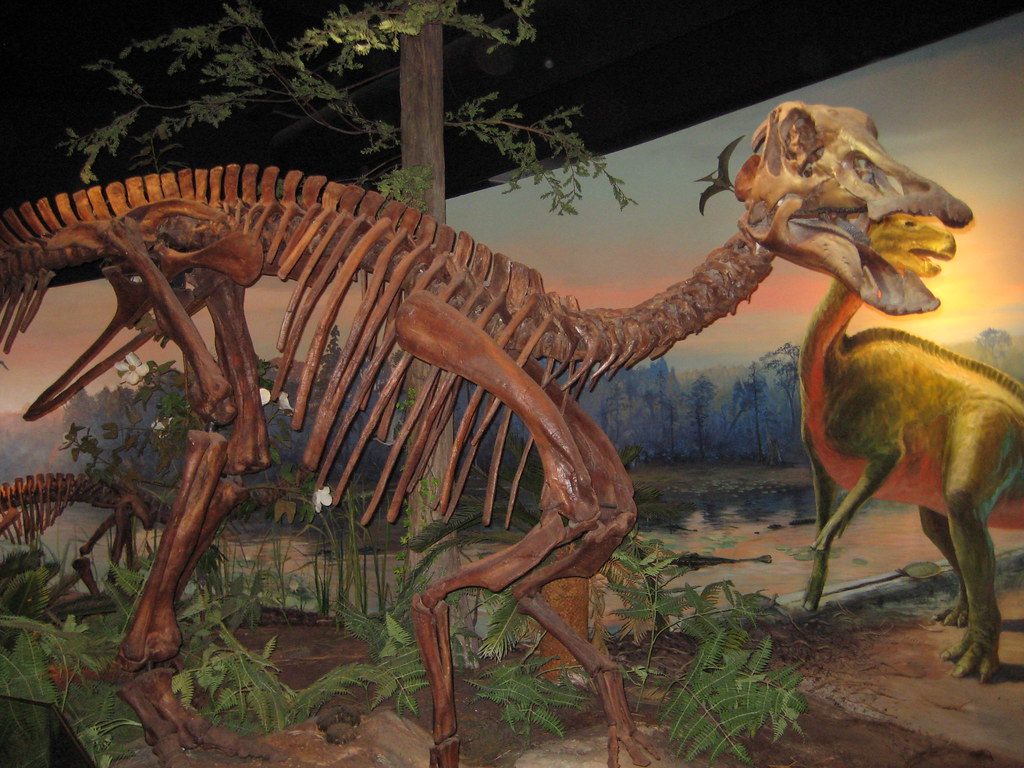
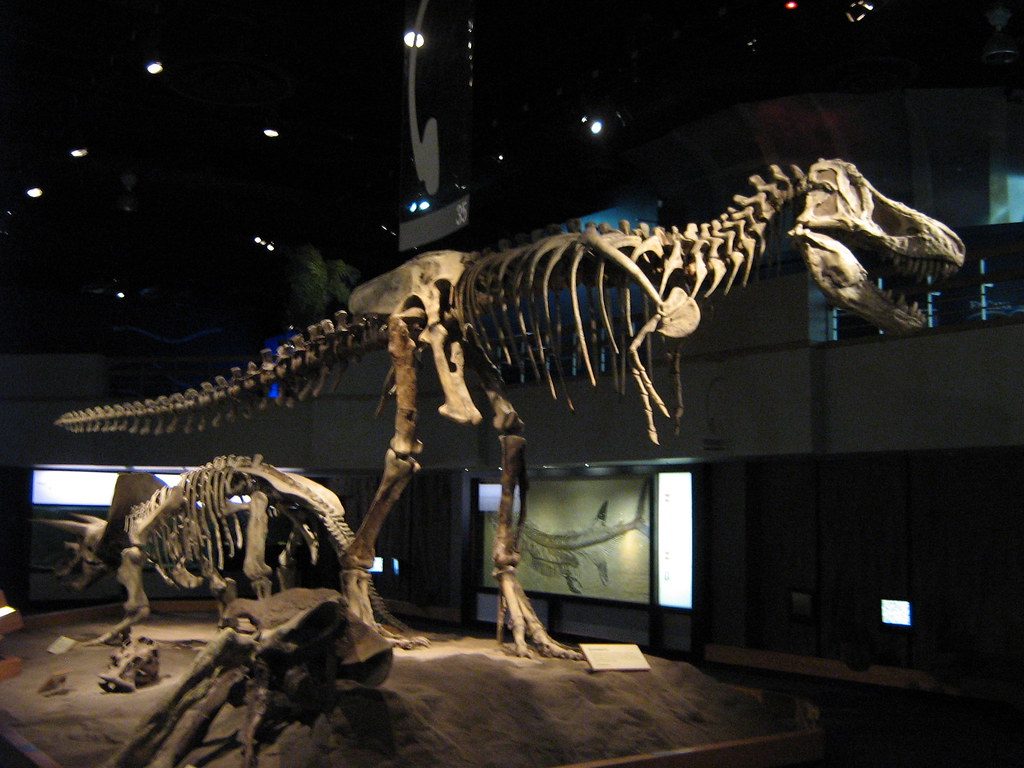
A dinosaur skull with a T. rex tooth offers evidence of a close-range attack, giving scientists a rare look at one of the last moments in a dinosaur’s life. Fossils often show bite marks, but finding a predator’s tooth still stuck in its prey is extremely unusual. This remarkable discovery is helping researchers better understand how Tyrannosaurus hunted millions of years ago.
In this article, you’ll learn where the fossil was found, why the embedded tooth is so important, what scientists discovered through CT scans, and how the evidence points to a powerful face-to-face attack. The findings provide one of the clearest clues yet about the hunting behavior of the mighty T. rex.
A rare fossil tells an ancient story
The fossil is a nearly complete skull of an Edmontosaurus, a large duck-billed plant-eating dinosaur that lived about 66 million years ago. It was discovered in 2005 in Montana’s Hell Creek Formation, a famous fossil site from the late Cretaceous period.
Today, the skull is part of the Museum of the Rockies collection in Bozeman, Montana. What makes it special is a broken Tyrannosaurus tooth that remains lodged deep inside the dinosaur’s nasal bone.
Scientists identified the predator

Researchers carefully compared the broken tooth with the teeth of every known meat-eating dinosaur that lived in the Hell Creek Formation. The size, shape, and tiny tooth ridges matched an adult Tyrannosaurus.
Because the tooth stayed inside the skull, scientists could identify both the predator and the prey with much greater confidence. Finds like this are very rare because broken teeth usually fall out or are lost before fossilization.
CT scans revealed how the attack happened
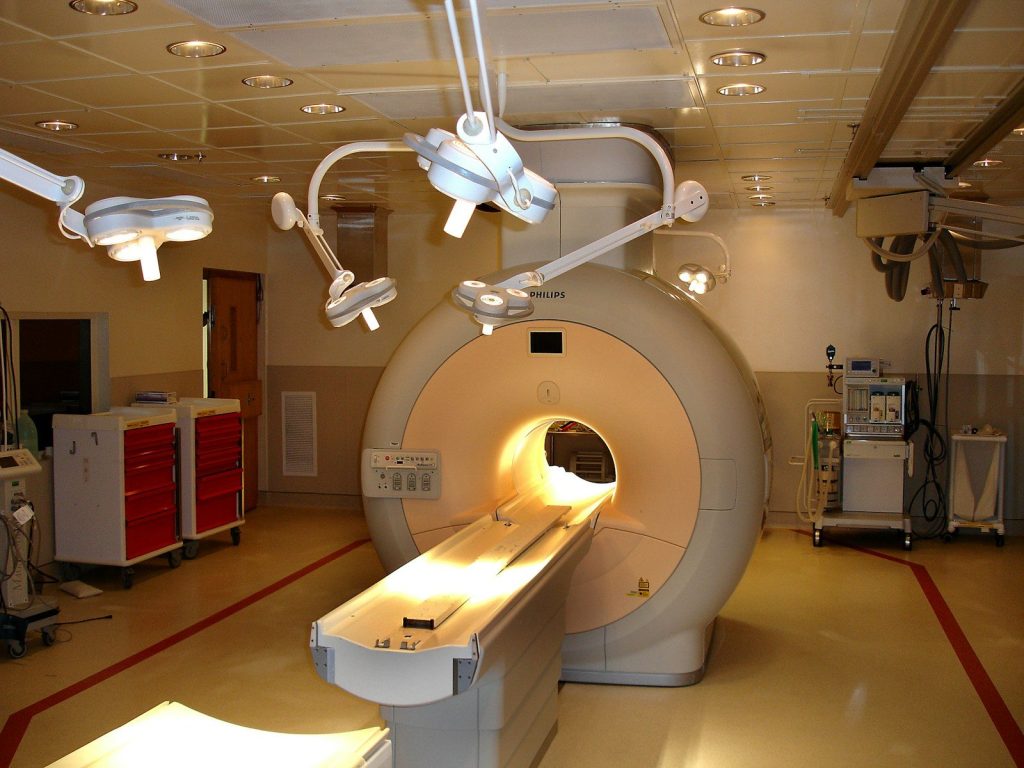
Scientists used CT scans to see exactly how the tooth was positioned inside the skull without damaging the fossil. The scans showed the tooth entered the front of the Edmontosaurus’ face with tremendous force before breaking off.
The angle of the tooth suggests the Tyrannosaurus attacked from directly in front of the plant-eater. This supports the idea that the two dinosaurs met face-to-face during the encounter.
The skull shows no signs of healing
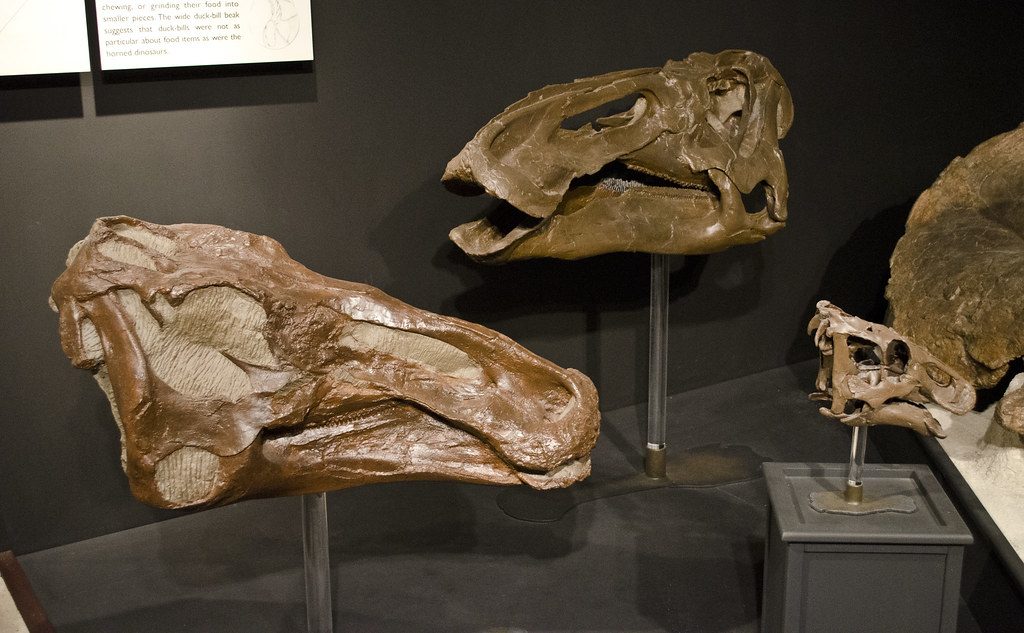
Researchers looked closely at the bone surrounding the embedded tooth. They found no evidence that the bone healed after the bite, which means the Edmontosaurus likely died during or shortly after the attack.
Scientists also say the animal may have already died before the bite happened. However, the force needed to drive and break a large tooth inside the skull points to a powerful bite consistent with a predator attacking at close range.
What the discovery means for science

For years, paleontologists have debated whether Tyrannosaurus mainly hunted live prey, scavenged dead animals, or did both. This fossil does not settle every question, but it provides strong evidence of aggressive feeding behavior.
The embedded tooth captures a moment of dinosaur behavior instead of just preserving bones. It helps researchers better understand how one of Earth’s largest meat-eaters interacted with its prey.
Why this fossil is so important
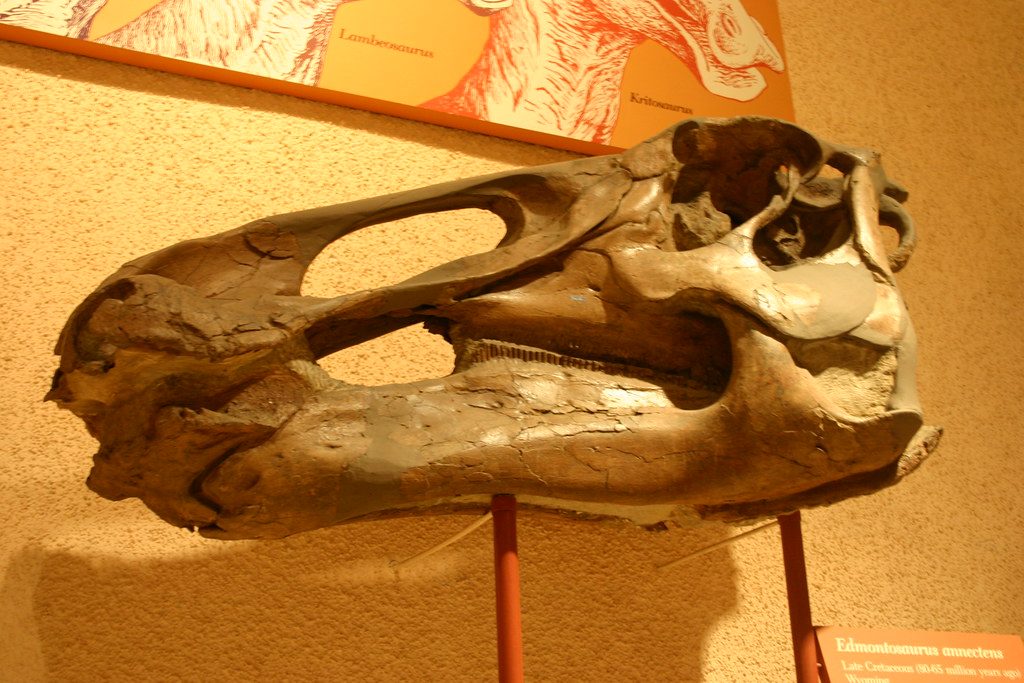
Fossils that preserve direct evidence of predator-prey interactions are uncommon. Most fossils only show bones, while this specimen preserves part of the attack itself.
The Edmontosaurus skull offers a remarkable snapshot from the final days of the dinosaurs. It gives scientists valuable information about the lives, struggles, and survival of animals that lived just before the mass extinction ended the age of dinosaurs.
Featured Image: “Edmontosaurus sp.” by Cryptonaut is licensed under CC BY-NC-SA 2.0
Leave a Reply