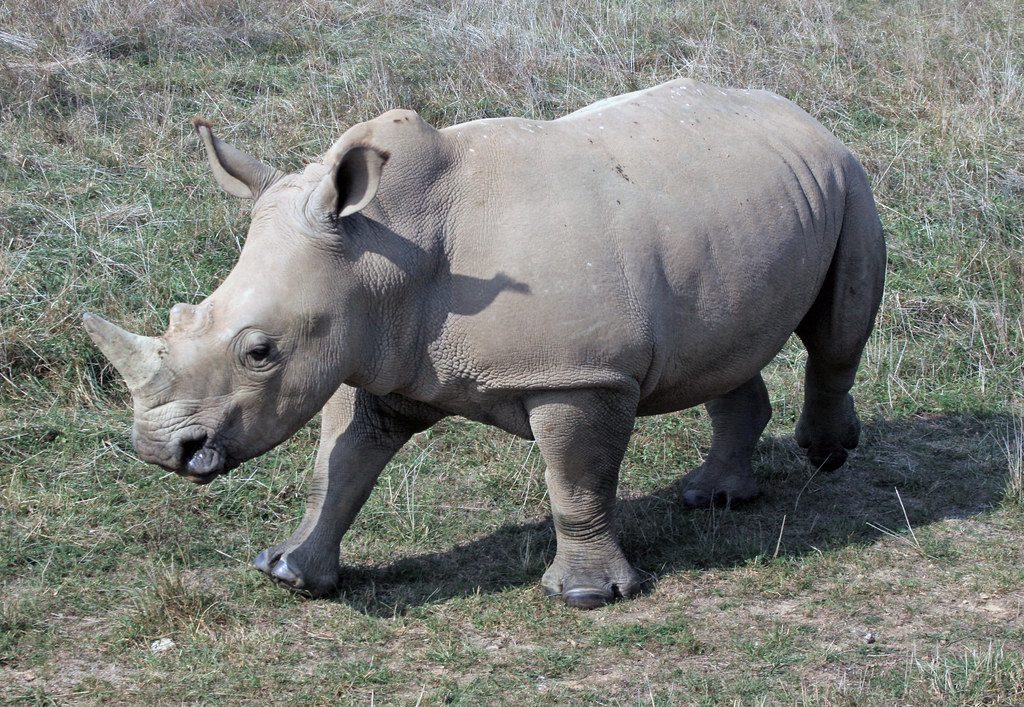
An orphaned baby rhino story like Riri’s shows how powerful patience and care can be when an animal has gone through fear and loss. When Riri was found, she was just a tiny, frightened baby who had lost her mother and suddenly had to face a world that felt unsafe and confusing. Every sound made her nervous, and every movement looked like danger to her.
In this article, you will follow the real rescue journey of Riri, an orphaned baby rhino who slowly learned to trust again after being taken in by a wildlife sanctuary. You will also see how caretakers use calm routines, gentle care, and constant presence to help traumatized rhino calves heal emotionally and physically. Her story shows how trust is not forced, but built one quiet moment at a time.
How Riri was found alone in the wild
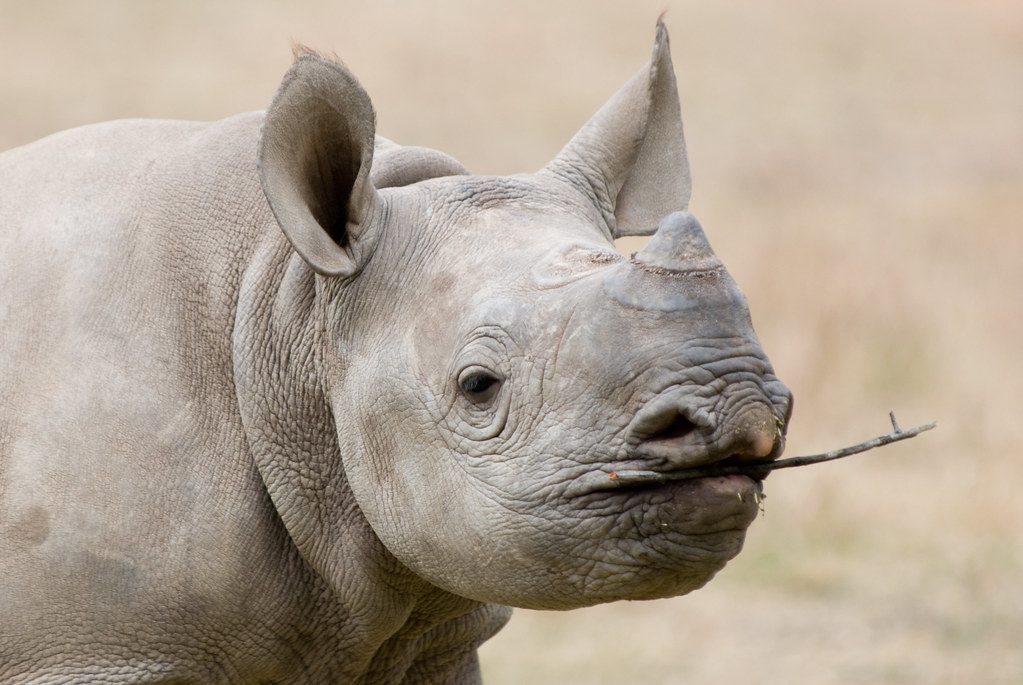
Riri was discovered as a very young rhino calf after she was separated from her mother in a dangerous wildlife area. In situations like this, rhino calves often become orphaned due to poaching threats or other sudden natural events that leave them alone and vulnerable. When rescuers found her, she was confused, exhausted, and clearly searching for safety that was no longer there.
Like many orphaned rhinos documented in rescue centers such as Care for Wild Rhino Sanctuary, young calves in this condition often show extreme stress behaviors. They may freeze at sudden sounds, run without direction, or stay close to objects for comfort. Riri’s early reactions showed that she was overwhelmed by fear and had not yet learned that humans could help her instead of harm her.
First days at the wildlife sanctuary
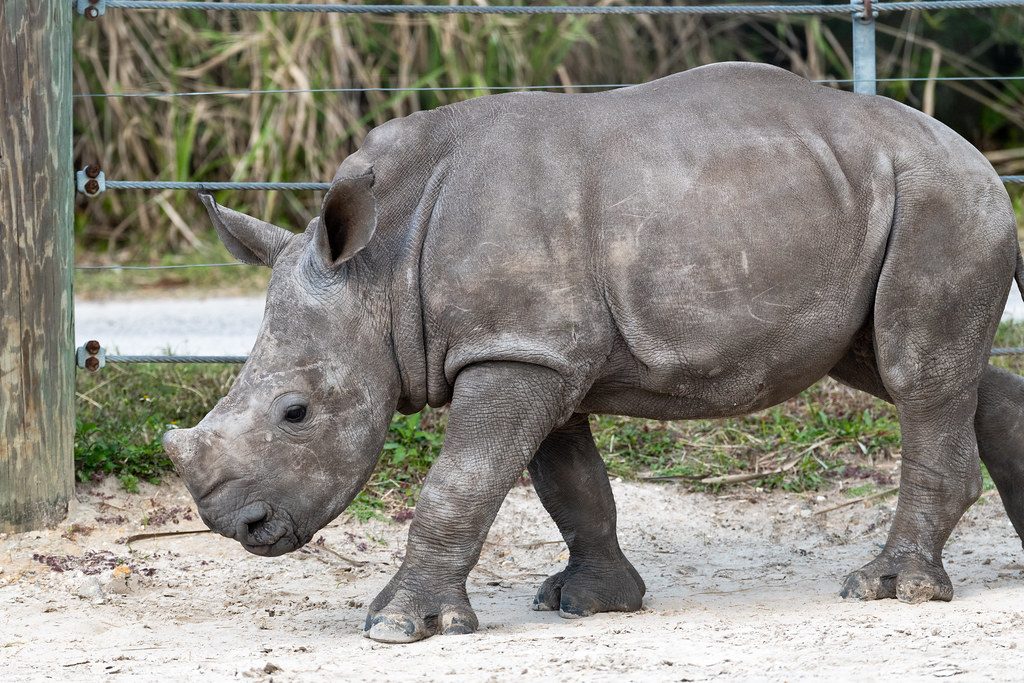
When Riri first arrived at the sanctuary, everything felt unfamiliar and overwhelming. The sounds of people, the new smells, and the open spaces made her uneasy. She often stayed in one corner or close to barriers, trying to create a sense of protection for herself.
Caretakers focused on keeping her environment calm and predictable. Instead of forcing interaction, they made sure she had food, clean water, and a safe resting space. In many real rescue cases like Riri’s, this early stage is critical because forcing contact too quickly can increase fear and delay recovery. The goal was simple: help her feel safe enough to breathe without panic.
The caretaker who became her safe presence
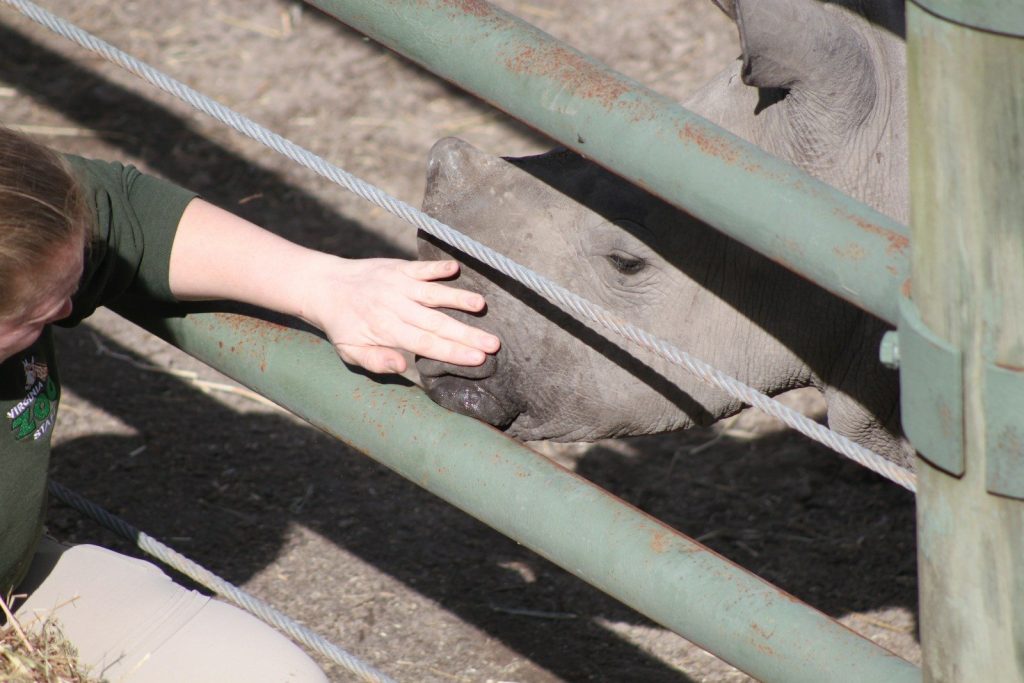
One caretaker played a key role in Riri’s emotional recovery. Instead of trying to rush her trust, he chose to simply stay close without pressure. He would sit quietly near her enclosure, letting her observe him from a distance without feeling trapped or threatened. Over time, this steady presence became something she could recognize.
As days passed, Riri began to understand his routine. She noticed he came at the same time, moved slowly, and never acted aggressively. This consistency helped her nervous system relax. Slowly, she began to stay in the same space while he was nearby, which was a major step forward in building trust between them.
How Riri’s fear slowly began to fade
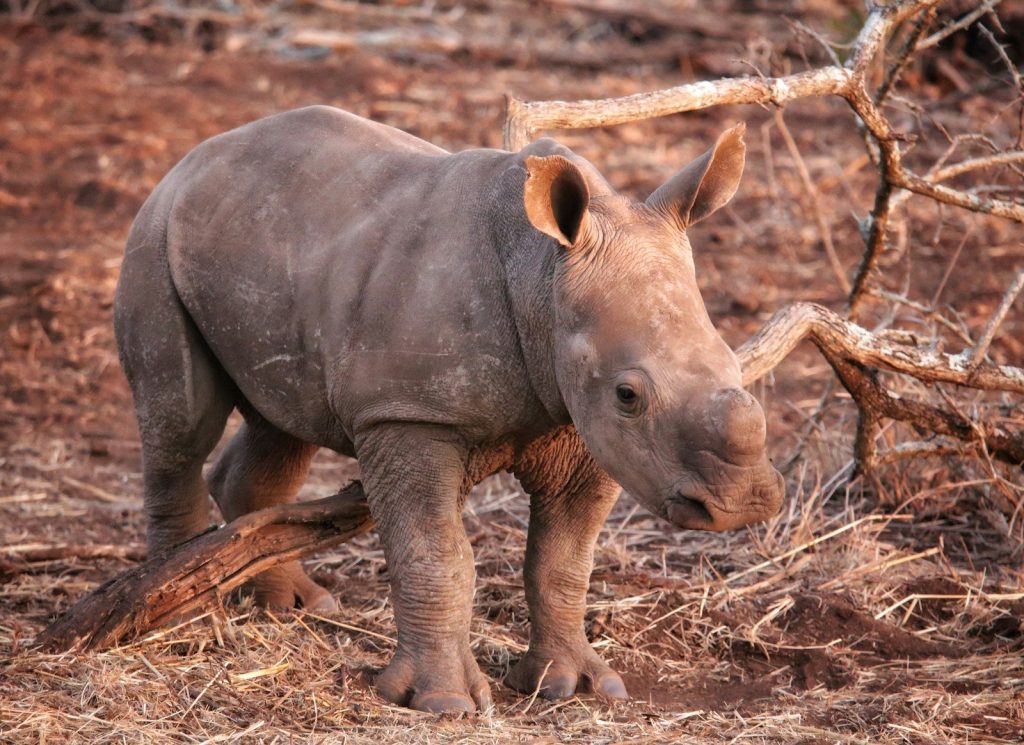
After some time, Riri’s behavior started to change in noticeable ways. She was still cautious, but she no longer reacted to every sound with panic. Instead of freezing or running, she began to pause and observe before reacting. This shift showed that her fear response was slowly calming down.
One of the most important turning points came when she began approaching the caretaker on her own. At first, it was only a few steps, followed by hesitation. But each small movement showed growing confidence. In wildlife rehabilitation, these moments are very meaningful because they show that the animal is starting to associate humans with safety rather than danger.
Daily care that helped her heal
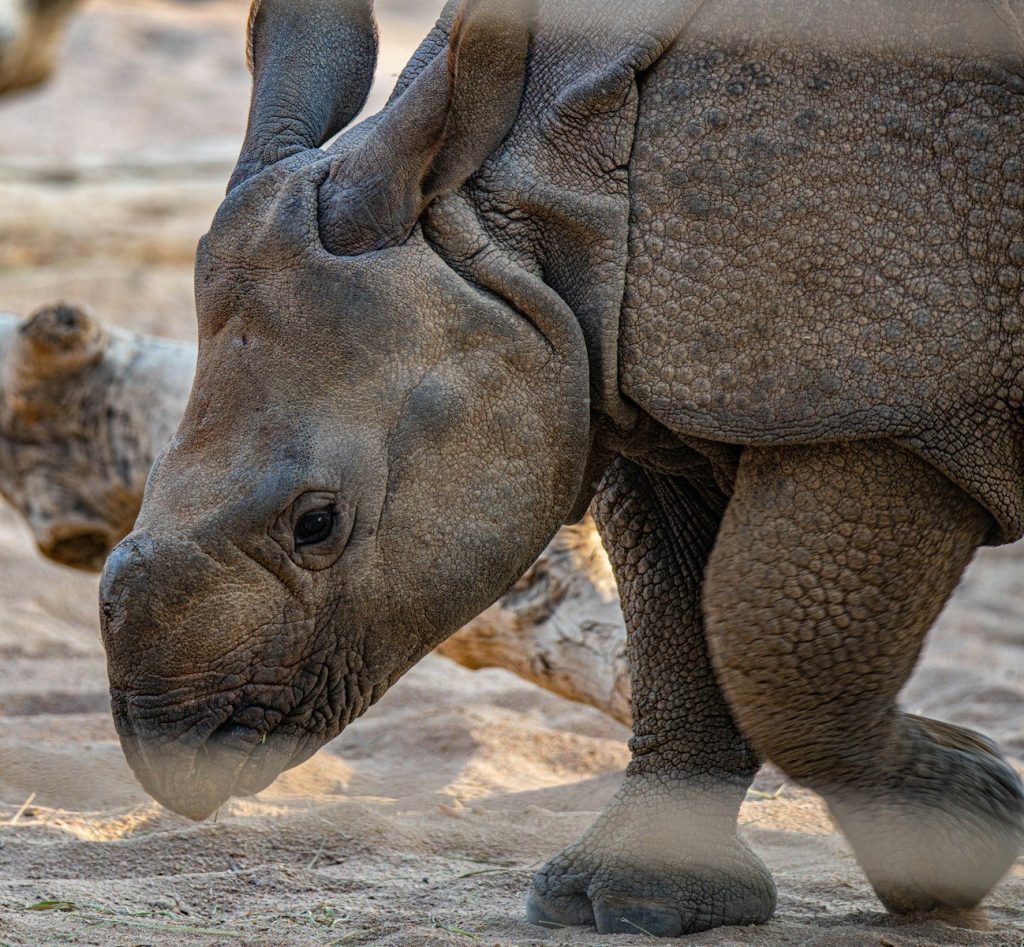
Riri’s recovery was supported by a structured daily routine that included feeding, medical checks, and quiet time to rest. Orphaned rhinos need both physical and emotional stability, and a predictable schedule helps reduce stress. Her caretakers made sure she always knew what to expect throughout the day.
As she grew stronger, she was also given more space to explore. This helped her rebuild natural behaviors like walking longer distances and becoming curious about her surroundings. Over time, she began to act less like a frightened orphan and more like a young rhino learning how to live again.
The bond that changed everything for Riri
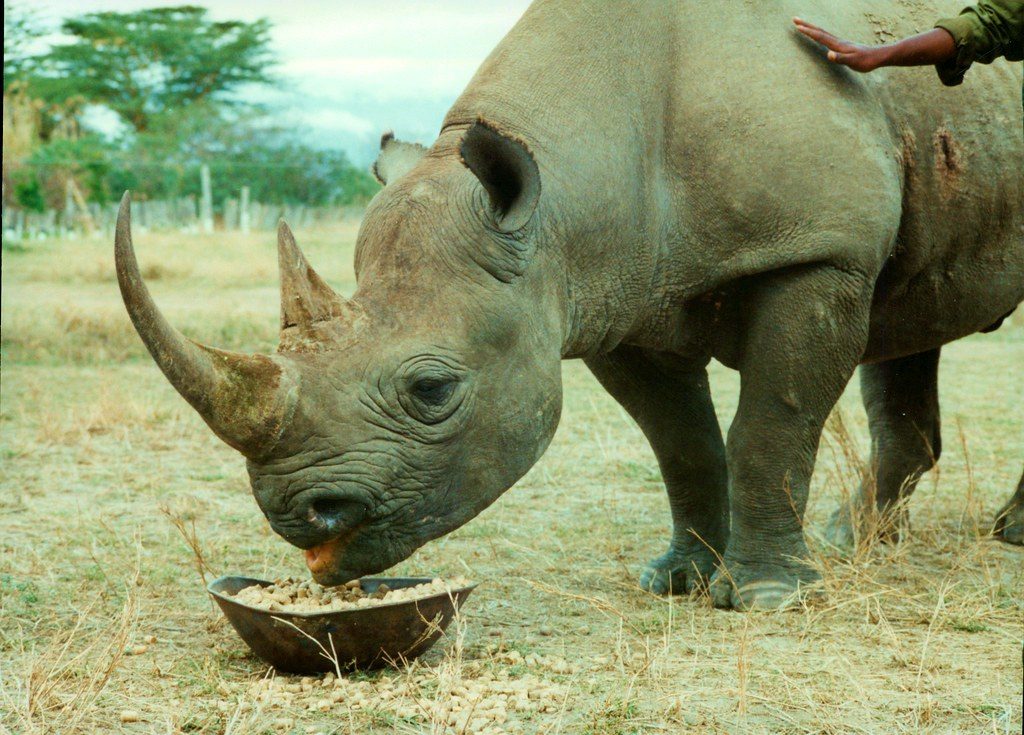
The bond between Riri and her caretaker became one of the most important parts of her recovery journey. She began to recognize him as a source of safety. Instead of avoiding him, she started staying close during feeding times and resting nearby without fear.
This kind of bond is common in orphaned wildlife rehabilitation, where one consistent caregiver often becomes the emotional anchor for a traumatized animal. For Riri, that steady presence helped her replace fear with calm and uncertainty with trust. It did not replace her wild instincts, but it gave her the confidence to heal and grow.
Leave a Reply