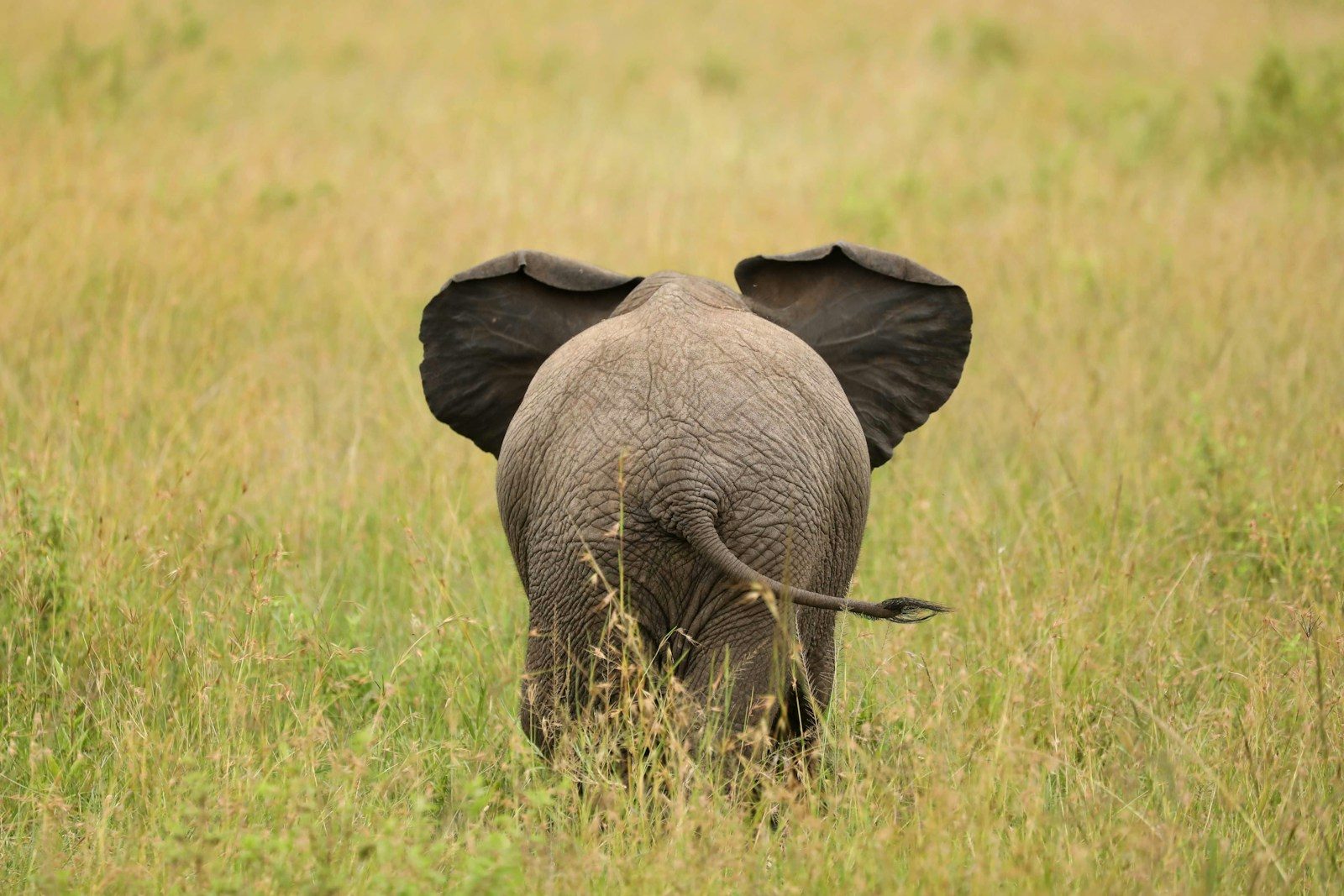
What happens when a newborn elephant calf is found alone, weak, and surrounded by danger? The story of a tiny elephant calf thriving in the wild 12 years later shows how survival, rescue, and patient rehabilitation can completely change an animal’s future. This real-life journey follows Ndotto, a newborn elephant discovered in 2014 while sheltering near livestock, including goats, in a remote part of Kenya.
In this article, you will learn how the Sheldrick Wildlife Trust rescued the calf, how it was raised through years of careful care, and how it slowly learned to live like a wild elephant again. You will also see how, more than a decade later, Ndotto is now fully living in Tsavo East National Park as a strong, independent adult. The story highlights how long-term conservation can truly bring wildlife back from the edge.
A shocking discovery in the wild
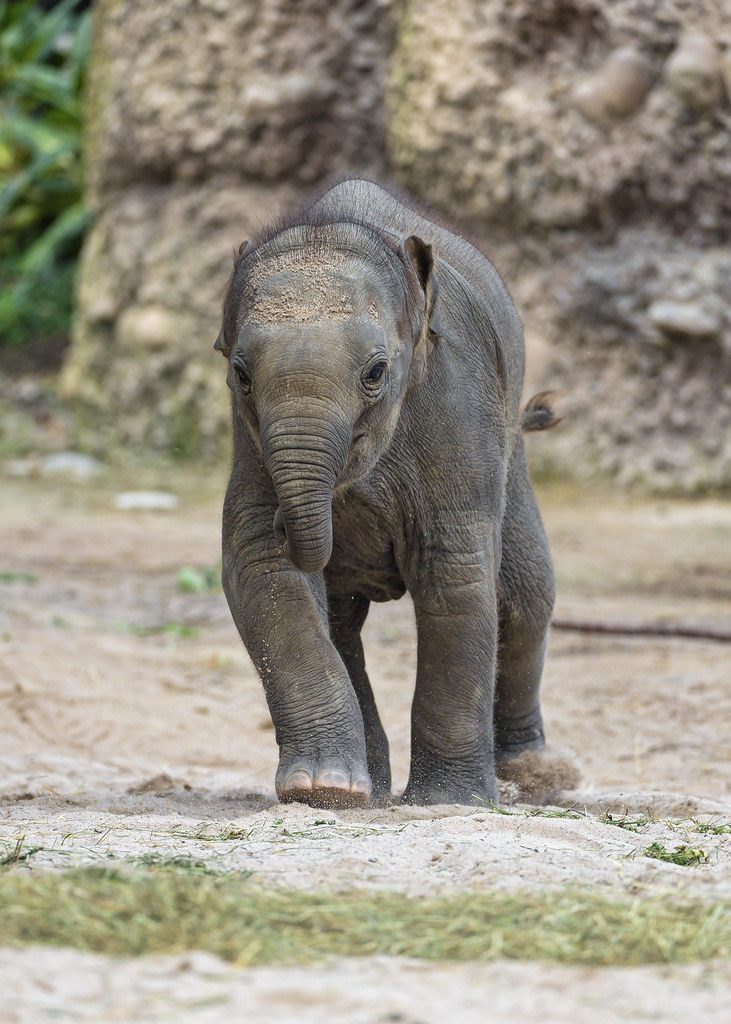
In August 2014, herdsmen in a remote area of Kenya discovered an extremely small elephant calf alone among their livestock. The calf had somehow become separated from its herd and ended up moving with goats and other domestic animals for safety. This unusual situation likely happened after the herd became frightened, leaving the newborn behind in the confusion.
According to wildlife rescuers, the calf was one of the smallest they had ever seen. It was so young that it may have been only hours or days old. At that stage, an elephant calf cannot survive alone because it depends fully on its mother for milk, warmth, and protection. Without immediate help, the calf’s chances of survival were extremely low, making this discovery urgent and life-saving.
Emergency rescue by the Sheldrick Wildlife Trust
Once local people reported the calf, the Sheldrick Wildlife Trust quickly stepped in to help. Because the location was remote and difficult to reach, a coordinated rescue effort was launched, including ground support and a helicopter evacuation. The goal was to move the calf to safety as fast as possible.
When rescuers arrived, they found a fragile newborn in critical condition. The team carefully transported the calf to their Nairobi facility, where it could receive round-the-clock care. At first, the baby was fed a special milk formula designed for orphaned elephants, along with fluids to prevent dehydration. This early medical support was the difference between life and death.
Learning to survive without a mother
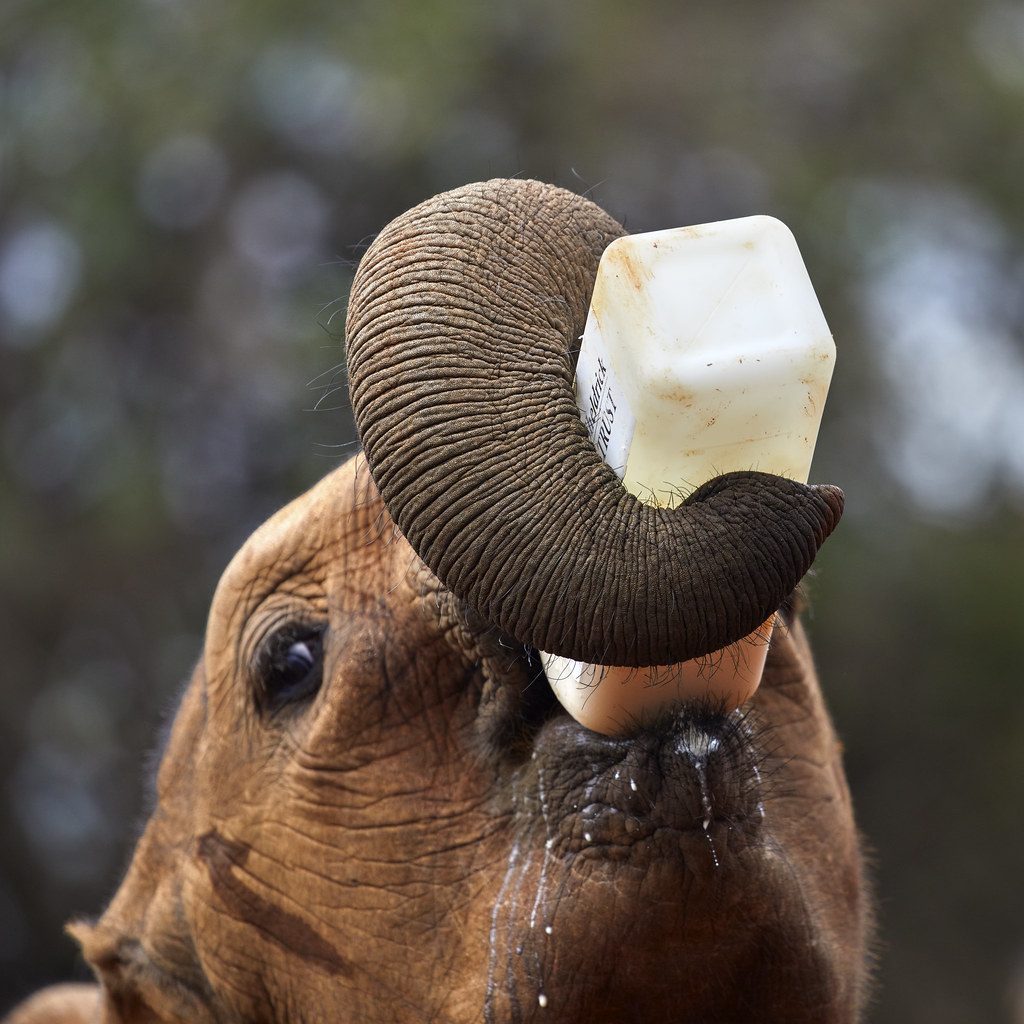
After surviving the first critical phase, the calf began a long journey of emotional and physical recovery. Young elephants rely heavily on their mothers for comfort and learning, so losing that bond can be deeply stressful. Caregivers acted as surrogate family members, staying close to the calf day and night to provide safety and stability.
Over time, the calf started adjusting to life with other orphaned elephants. This stage is important because elephants are highly social animals that learn behavior through interaction. The young elephant gradually learned how to eat, play, and communicate in ways that matched natural elephant behavior. This slow process helped rebuild confidence and trust.
The long road back to the wild
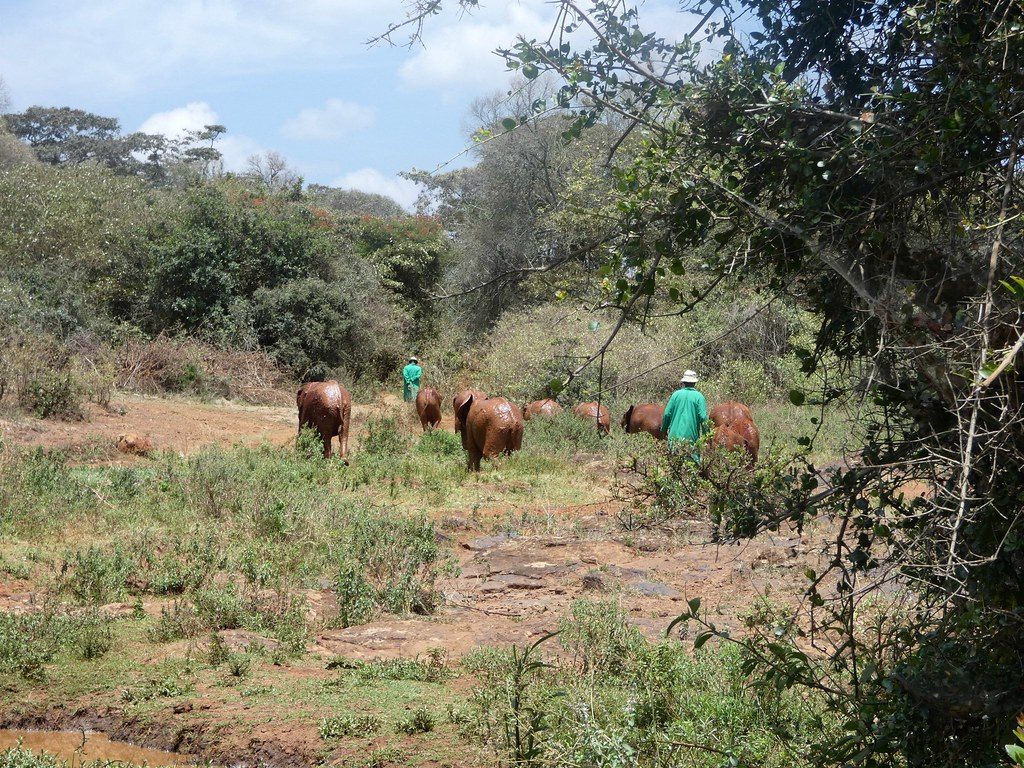
As the elephant grew stronger, it entered a structured rehabilitation program designed to prepare it for release. This process took many years and required a careful balance. The calf was slowly introduced to more natural environments while human contact was reduced step by step.
During this period, it learned essential survival skills such as finding food in the wild, walking long distances, and recognizing natural threats. It also joined other elephants in protected areas where it could practice living in a herd again. This transition is one of the most important parts of wildlife rehabilitation because it ensures the animal does not become dependent on humans.
Life today in Tsavo East National Park
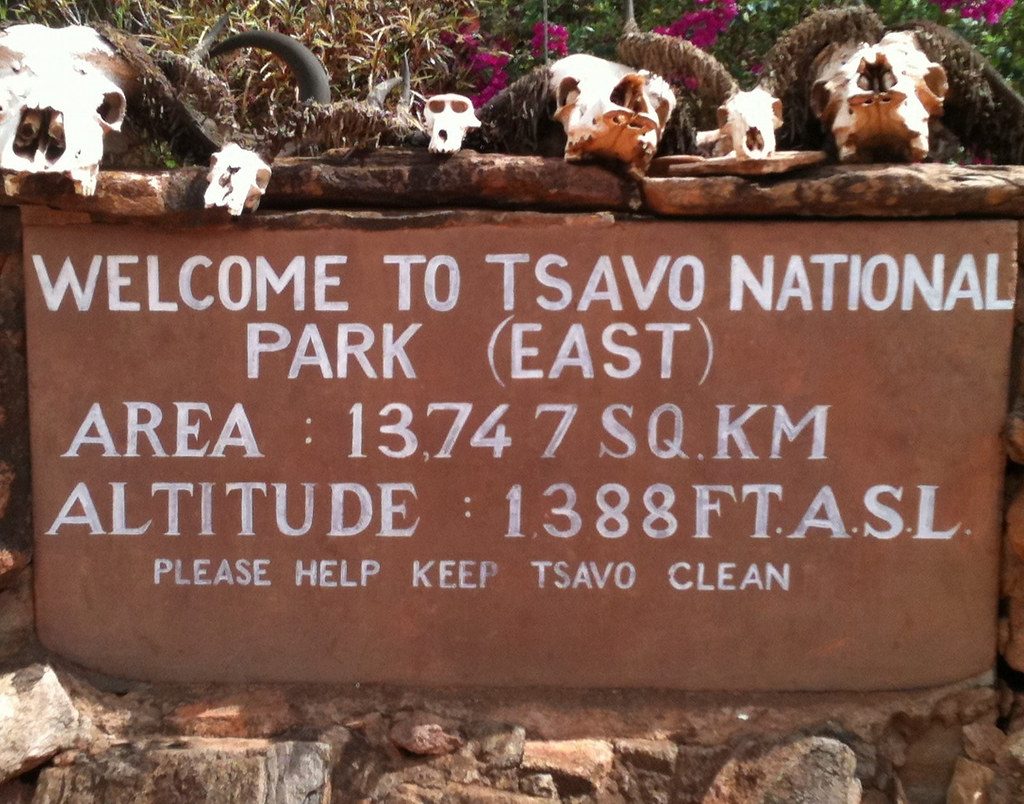
Twelve years after its rescue, Ndotto is now living freely in Tsavo East National Park. He is no longer a fragile calf but a strong adult elephant traveling with wild herds. He behaves like a natural member of the ecosystem, moving across large landscapes and interacting with other elephants in the wild.
Wild elephants like Ndotto play an important ecological role. As they travel, they help shape forests, spread seeds, and create pathways that other animals use. His successful return to the wild shows that long-term rehabilitation can work when it is done with care, patience, and expert support.
Why Ndotto’s story matters today
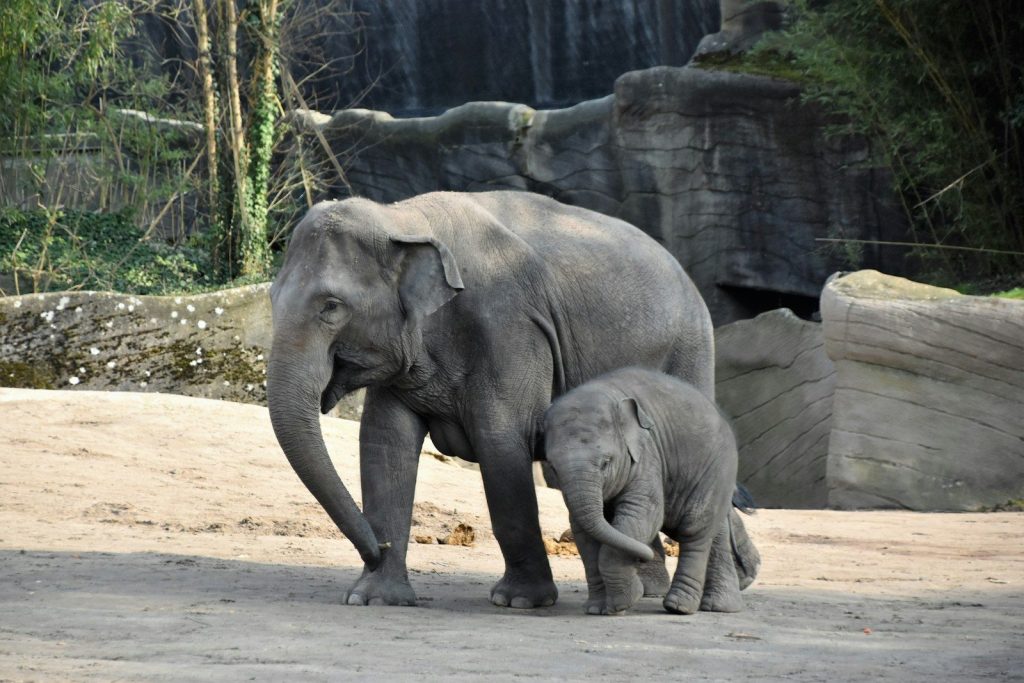
Ndotto’s journey is not just about one elephant. It reflects the larger challenges elephants face across Africa, including habitat loss, drought, and poaching. Many calves become orphaned every year, and without rescue efforts, most would not survive.
This story also shows how teamwork between local communities and conservation groups can create real change. The herdsmen who first found the calf played a key role by alerting rescuers. Combined with expert care from wildlife teams, this cooperation helped save a life and restore it to the wild.
Leave a Reply