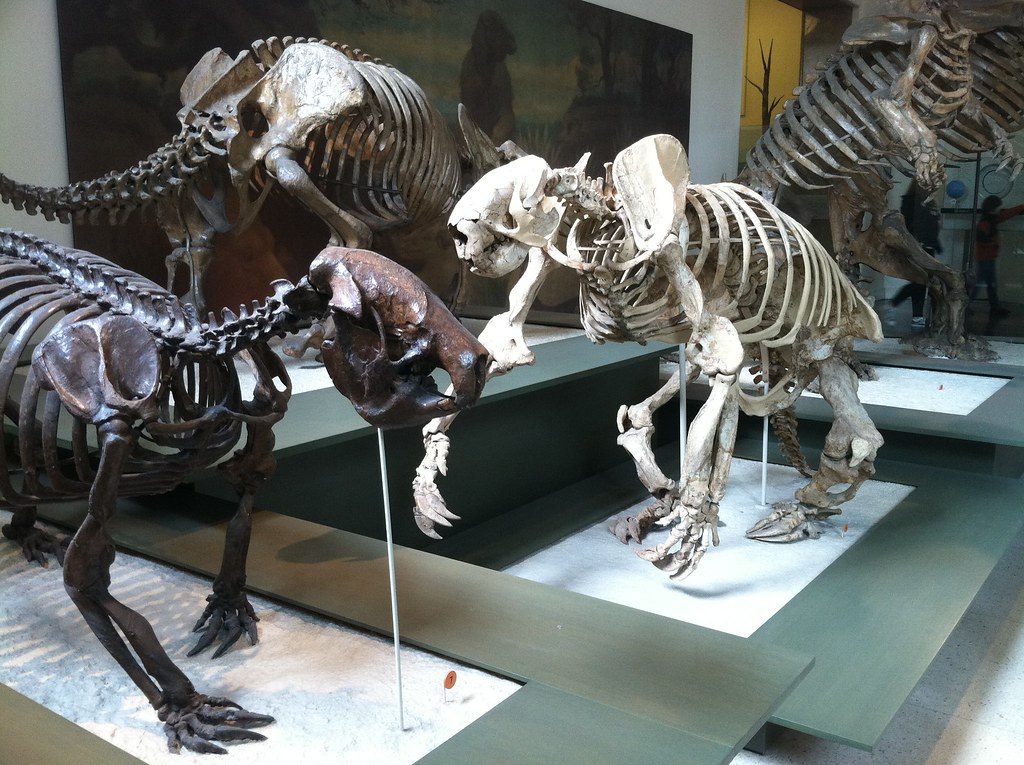
No animal alive today actually lived during the age of dinosaurs, which ended about 66 million years ago. But some groups of animals have roots that go back to that deep past and still survive today in forms that look strangely similar to their ancient ancestors. These are often called living fossils, and they give us a rare window into Earth’s distant history.
In this article, you will explore six of the most unusual living fossils still alive today. From crocodile-like hunters to deep-sea fish once thought extinct, each shows how life can survive major disasters and continue in simple, powerful ways across millions of years.
Aurochs were the giant wild cattle of the past
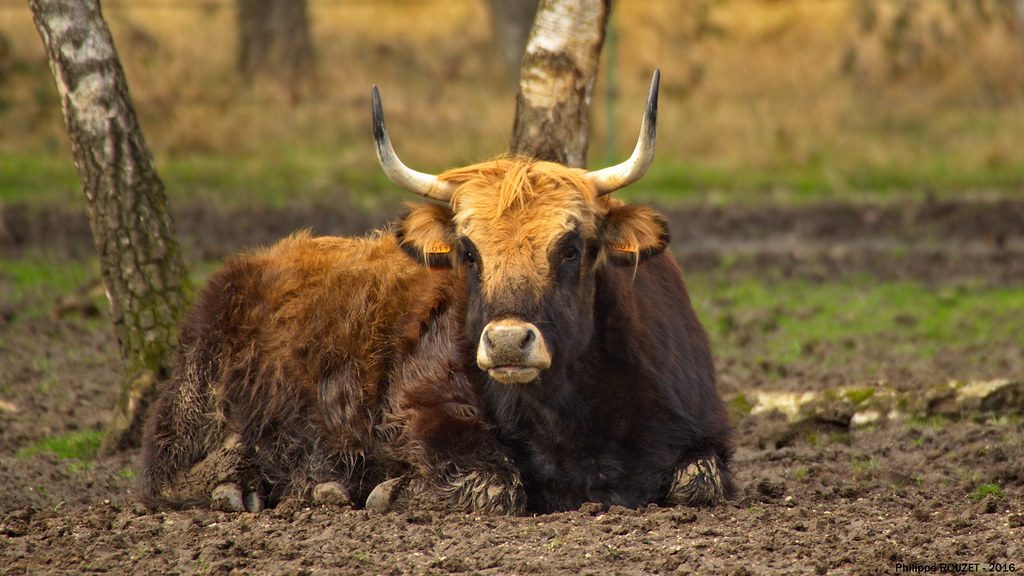
Aurochs were powerful wild cattle that once lived across Europe and parts of Asia. They were much larger than modern cows, with some males reaching up to 900 kilograms. These animals lived in forests, grasslands, and wetlands, where they moved in herds and fed on natural vegetation. Their strong build made them one of the heaviest land mammals in Europe at the time.
Their appearance was very different from today’s cattle. Males were often black with a light stripe along their backs, while females were usually brown. Over time, their numbers declined as forests were cut down and they were heavily hunted. By the early 1600s, the last known group had survived in a forest in Poland before going extinct.
Crocodilians have changed very slowly over time
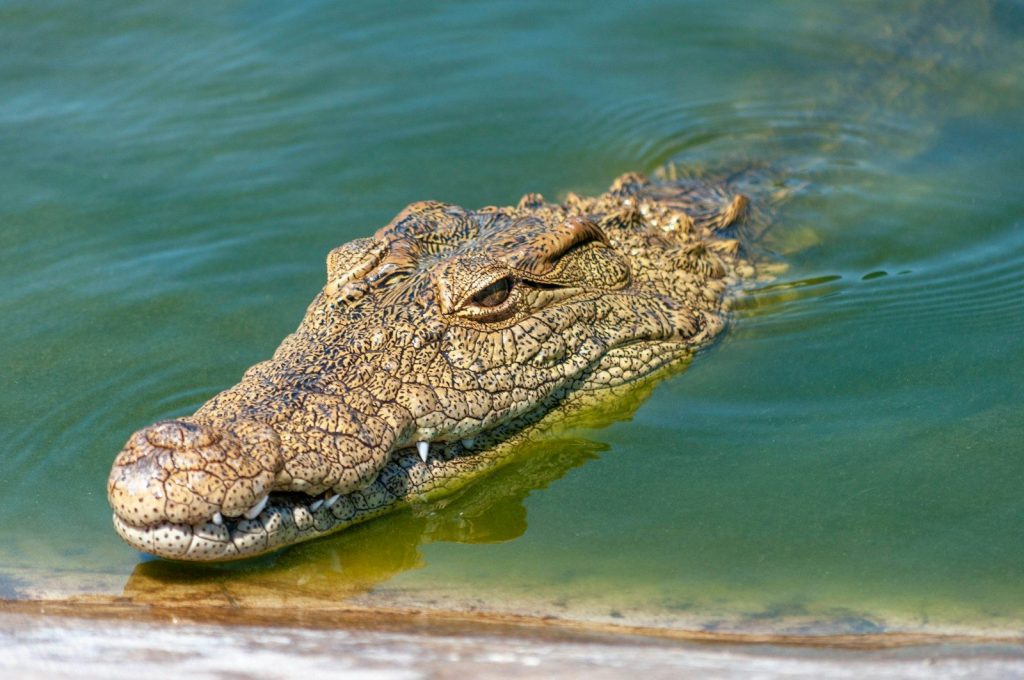
Crocodilians include crocodiles, alligators, caimans, and gharials. Today, more than two dozen species live in rivers and wetlands around the world. Their common ancestor lived alongside dinosaurs about 80 million years ago during the Late Cretaceous period.
These animals spend much of their time near water, waiting quietly for prey to come close. Even though they look almost unchanged today, their deeper history shows much more variety. Some ancient relatives were fast land hunters, while others grew extremely large, reaching lengths of up to 12 meters and hunting large dinosaurs near riverbanks.
Giant ground sloths once ruled the Americas
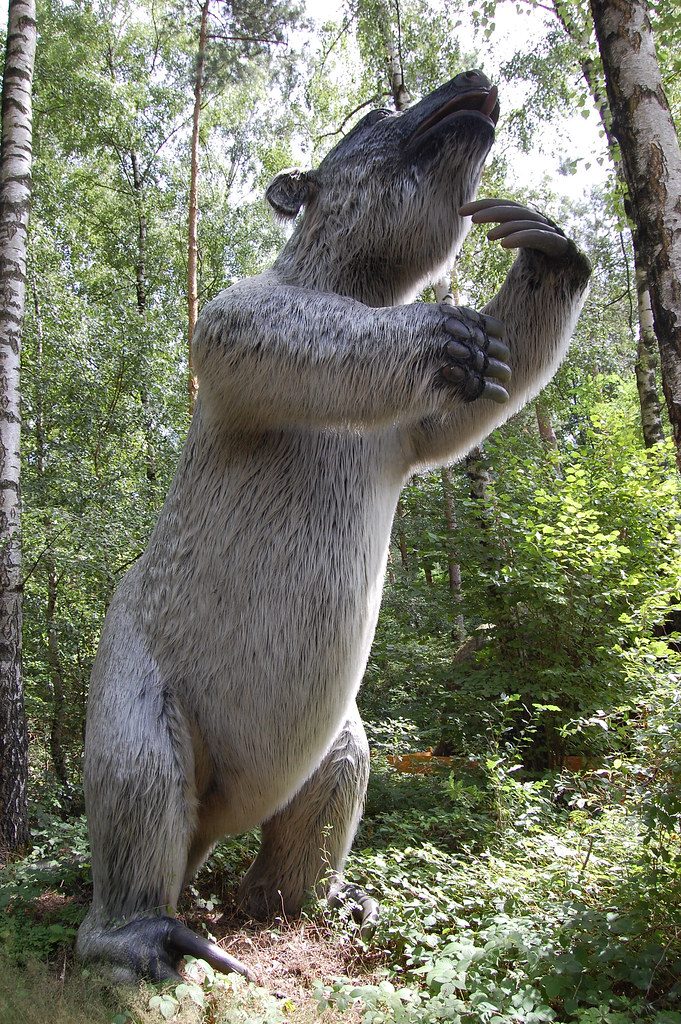
Giant ground sloths were massive prehistoric animals that lived in the Americas. Some species, like Megatherium and Eremotherium, could reach lengths of up to 6 meters and stand over 5 meters tall when rising on their hind legs. They could weigh around 4 tonnes, making them some of the largest land mammals ever.
These animals were slow but extremely powerful. They had thick bones, strong joints, and long claws that could grow nearly a foot long. These claws helped them defend themselves against predators and reach high vegetation. Their huge size made them difficult targets, and many predators likely avoided attacking them.
Horseshoe crabs have barely changed for millions of years
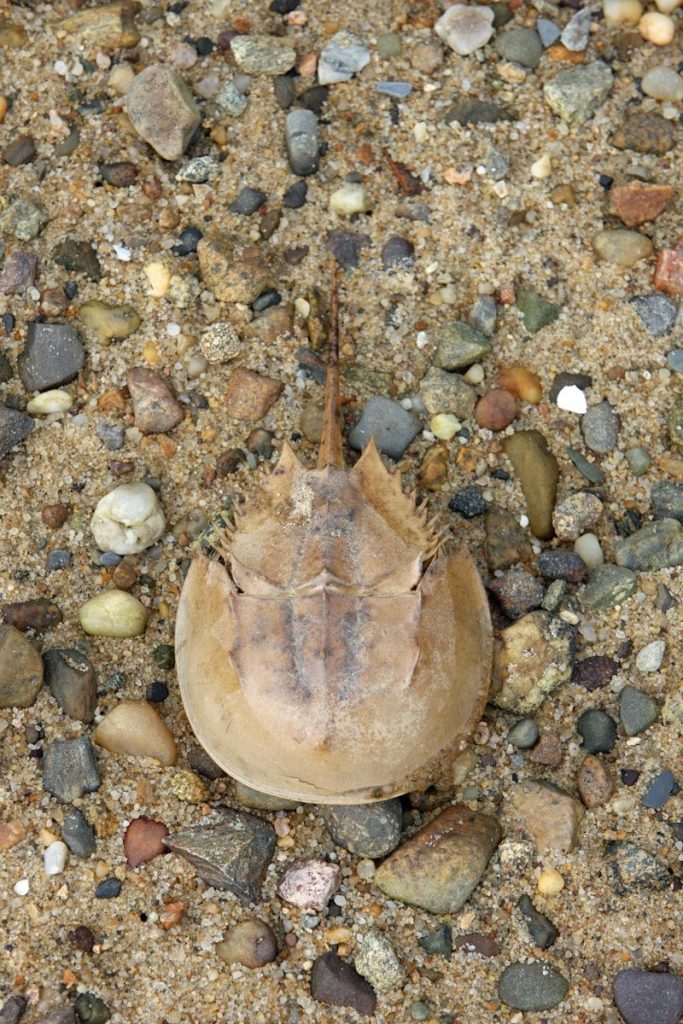
Horseshoe crabs are not actually crabs, even though their name suggests otherwise. They are more closely related to spiders and scorpions. Their ancestors first appeared around 445 million years ago, long before dinosaurs existed.
These animals have changed very little in appearance over time. If you compare ancient fossils with modern horseshoe crabs, they look almost the same. They live on silty seabeds and feed on worms and small shellfish, just like their ancient relatives did.
Gigantopithecus was the largest ape ever known
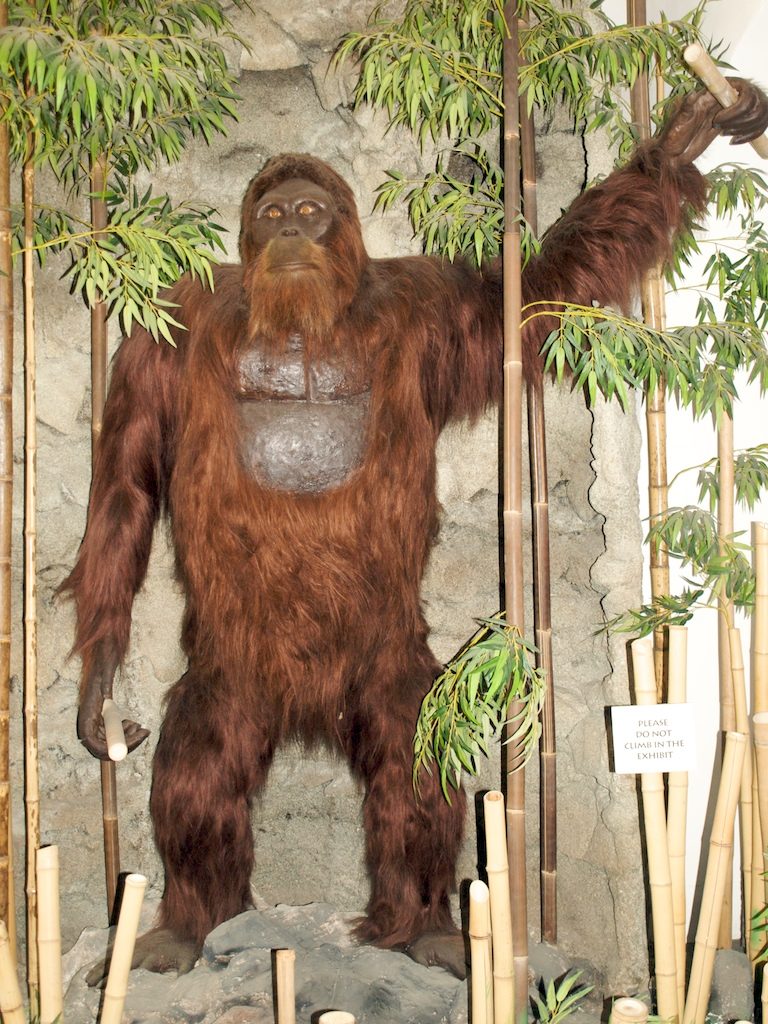
Gigantopithecus was an enormous ape that lived in ancient southern China during the Pleistocene period. It is believed to have stood around 3 meters tall, making it the largest ape ever discovered. Scientists have only found teeth and jaw bones, but these remains reveal a lot about its size and diet.
This giant ape lived in subtropical forests and likely spent most of its time on the ground. It was a plant-eater, feeding on leaves, roots, and fruits. Evidence from its teeth suggests it especially enjoyed fruits like figs. It may even have lived at the same time as early human ancestors, meaning they could have shared the same environment.
Tuatara are rare reptiles from ancient times
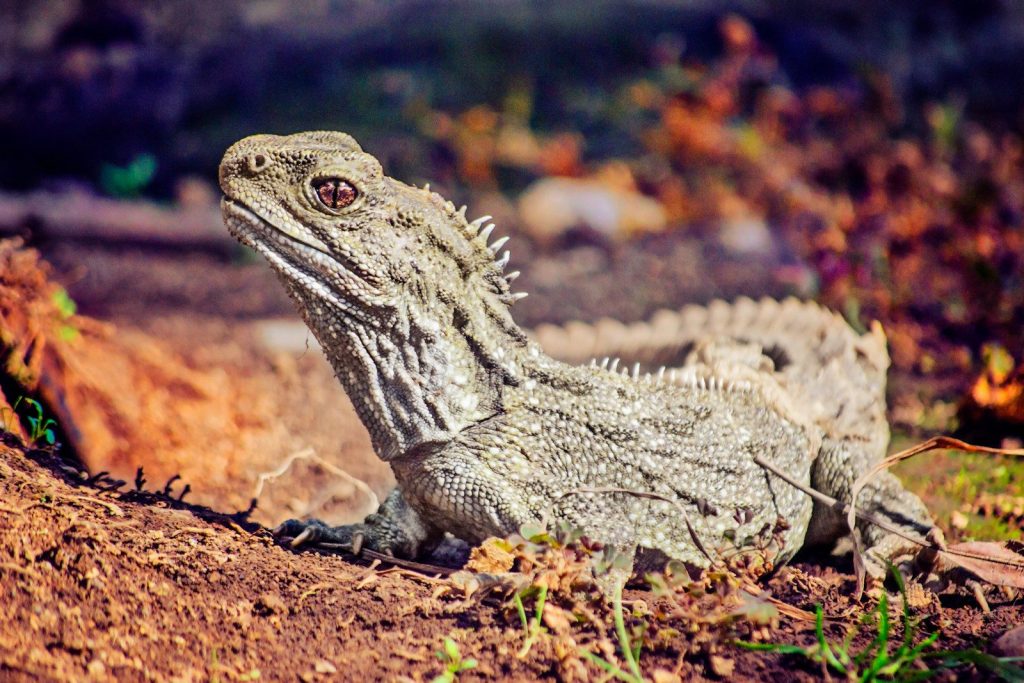
The tuatara is a rare reptile found only on a few small islands off the coast of New Zealand. It is the only surviving member of a group called Sphenodontids, which were once much more common during the time of dinosaurs.
Tuataras look similar to lizards, but they are not true lizards. They share a common ancestor that lived about 250 million years ago. Today, they live quietly in burrows, often using seabird nests for shelter and feeding on insects and small animals.
Leave a Reply