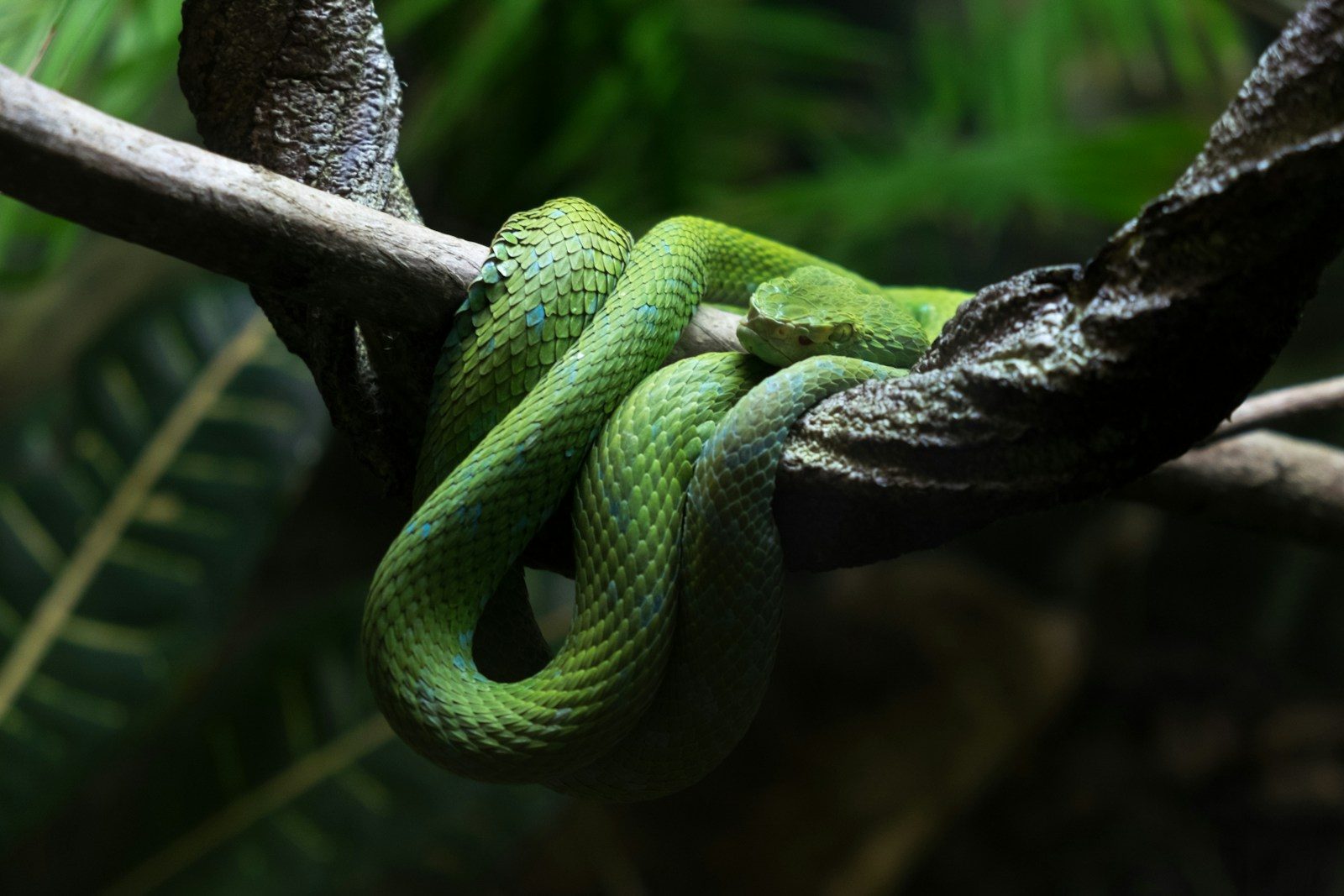
Animal bites and stings that humans fear most are often linked to extreme pain, sudden reactions, and unexpected danger. Many people think the biggest risk from animals is death, but that is not always true. In many cases, the real fear comes from the intensity and long-lasting nature of the pain after a bite or sting.
This article explains some of the most painful bites and stings caused by different venomous animals. From scorpions and spiders to jellyfish, ants, lizards, and snakes, each one has a unique way of affecting the human body. By reading this, you will understand how these animals behave, what happens when they strike, and why people around the world fear them so much.
Arizona bark scorpion’s painful sting effects
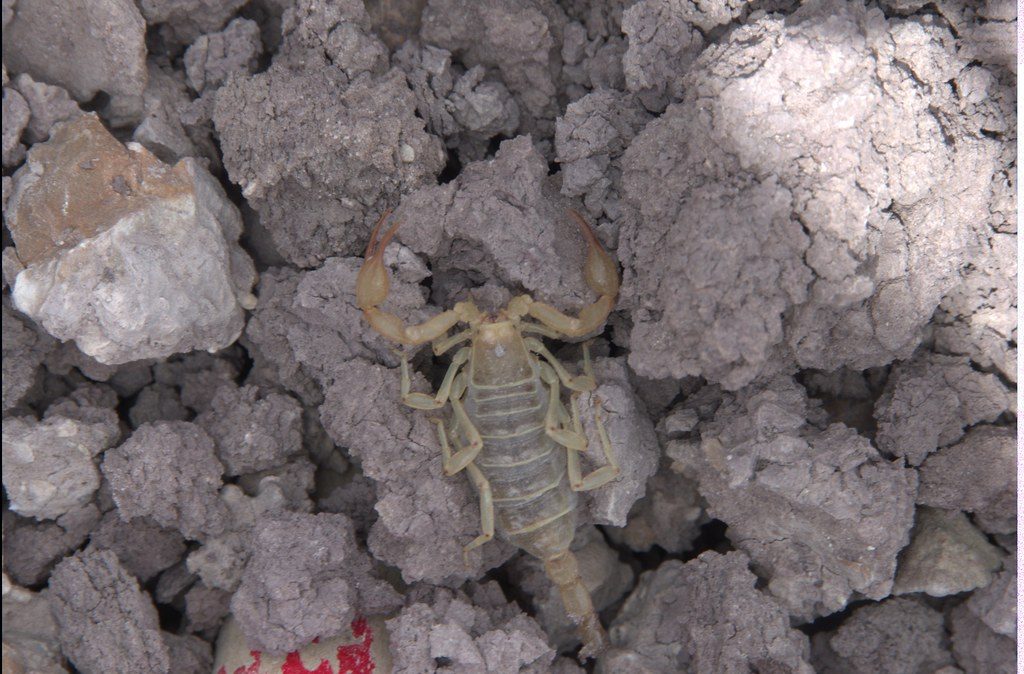
The Arizona bark scorpion is known as the most venomous scorpion in North America. It is also one of the most commonly found scorpions in homes in Arizona. This makes encounters with humans more likely than with many other venomous creatures. These scorpions usually hide in dark places during the day and become active at night when they hunt.
When a person is stung, the venom can cause severe and sudden pain. It may also lead to serious symptoms, such as difficulty breathing, muscle convulsions, frothing at the mouth, and even limited limb movement. Although it is rarely deadly, the pain and effects can last for up to 72 hours, making it one of the most uncomfortable stings a person can experience.
Black widow spider bite symptoms and danger
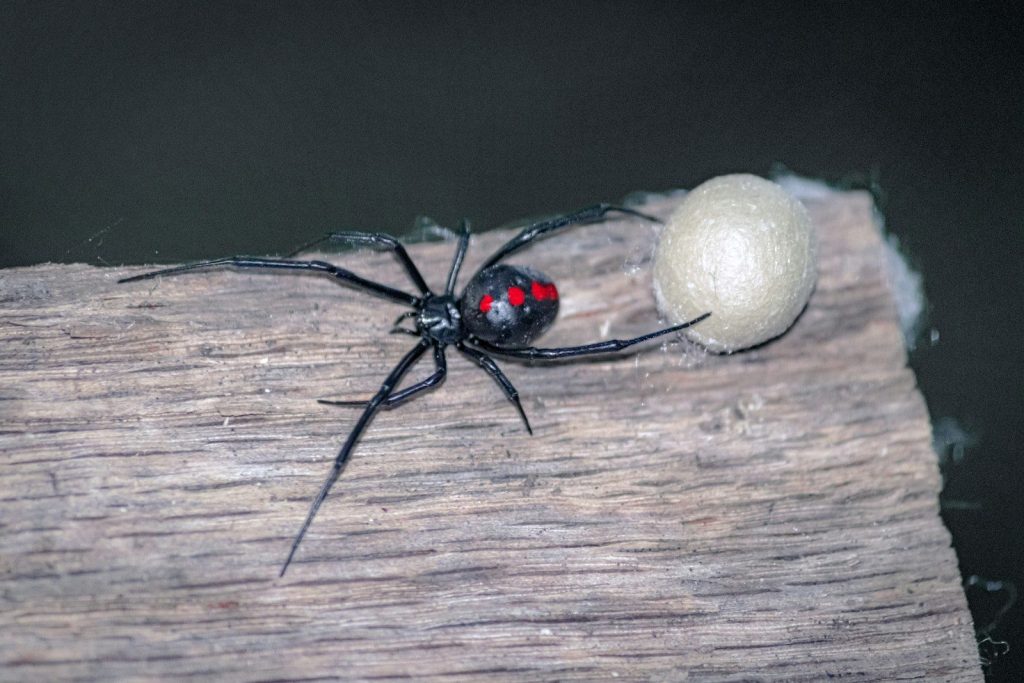
The black widow spider is one of the most well-known venomous spiders in the world. At first, its bite may feel like nothing or only a small pinprick. Because of this, many people do not even realize they have been bitten right away. However, symptoms can quickly become more serious within about an hour.
As the venom spreads, it can cause pain near the bite and throughout the body. Other symptoms include nausea, vomiting, muscle weakness, high blood pressure, and difficulty breathing. In pregnant women, it may even cause contractions and early labor. Male black widow spiders are less dangerous because they produce less venom, but the female spider is the one responsible for the most harmful bites.
Box jellyfish sting ocean risks
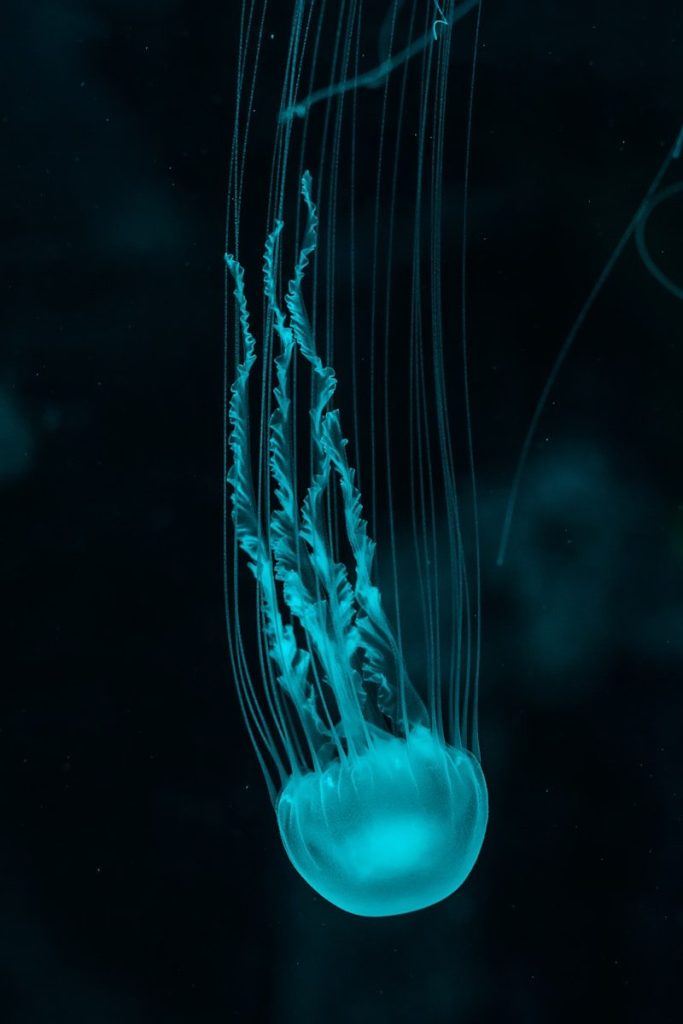
Box jellyfish are sea animals often found in ocean waters and are sometimes called sea wasps. They are considered one of the most feared creatures in the sea. Even jellyfish that wash up on beaches can still release venom through their tentacles, which makes them dangerous even outside the water.
A sting from a box jellyfish can cause extreme pain within minutes. People may also experience shortness of breath and, in some cases, cardiac arrest. The effects are so strong that this animal is often considered one of the most dangerous in the world. Researchers are still working on treatments that could stop the venom if applied quickly after a sting.
Bullet ant sting: extreme pain experience
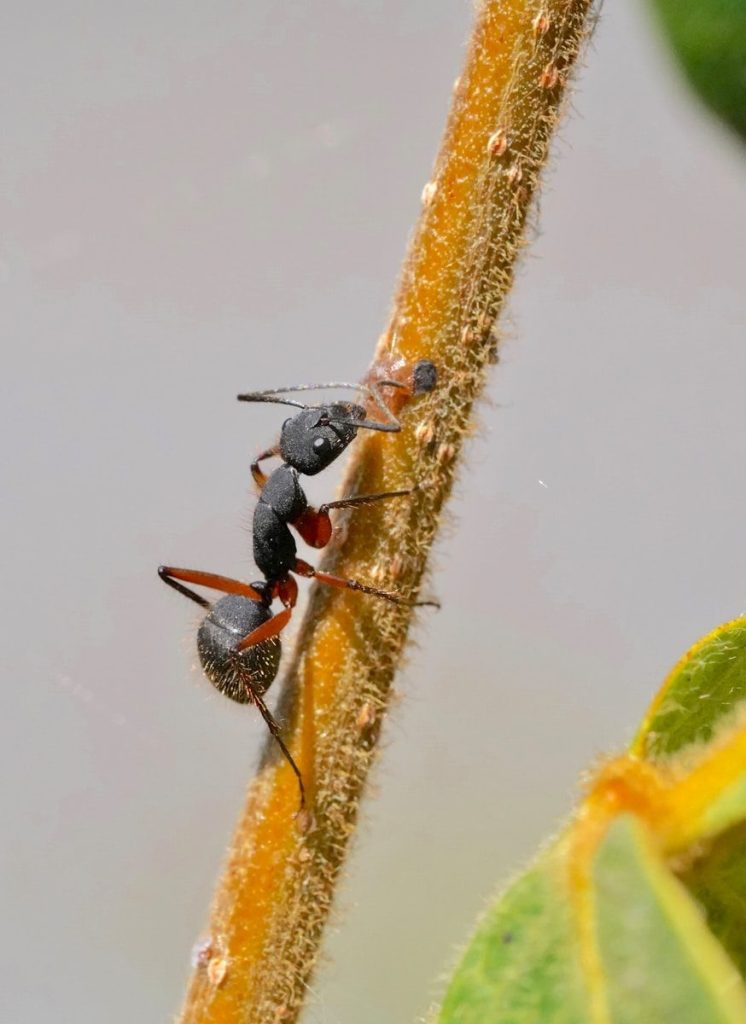
The bullet ant is famous for having one of the most painful stings in the insect world. According to the Schmidt Sting Pain Index, it is often ranked at the very top. This ant is found in South America and is sometimes called the 24-hour ant because the pain can last for a full day after a sting.
People who have experienced it describe the pain as extremely intense and overwhelming. One description compares it to walking over burning charcoal with a nail in the foot. Even though the sting is not deadly or causes permanent damage, the pain it causes makes it one of the most feared insect encounters in the world.
Gila monster bite behavior and effects
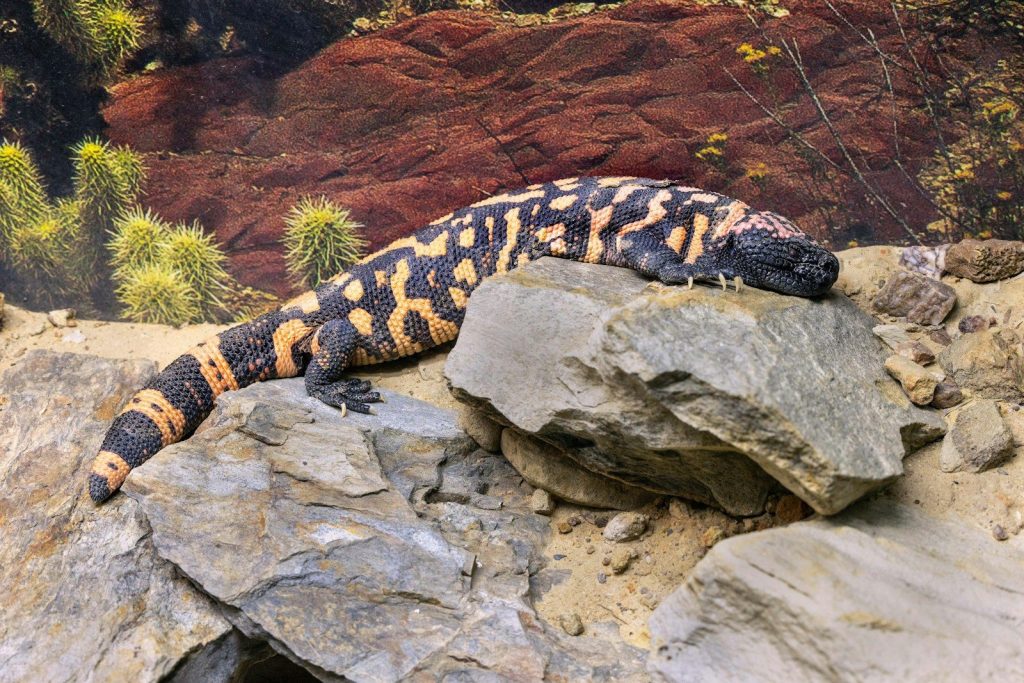
The Gila monster is one of the few venomous lizards in the world. It is found in the southwest region of North America and is known for its bright colors. Unlike snakes that inject venom quickly, this lizard must chew to release its venom into the wound.
A bite from a Gila monster can be very painful for humans. These lizards can also grip tightly and may even roll their bodies while biting, which can make the wound worse. Even so, they are usually not aggressive unless disturbed. If a bite does happen, careful steps are needed to safely remove the lizard’s grip without causing more injury.
Pit viper snake bite risks and symptoms
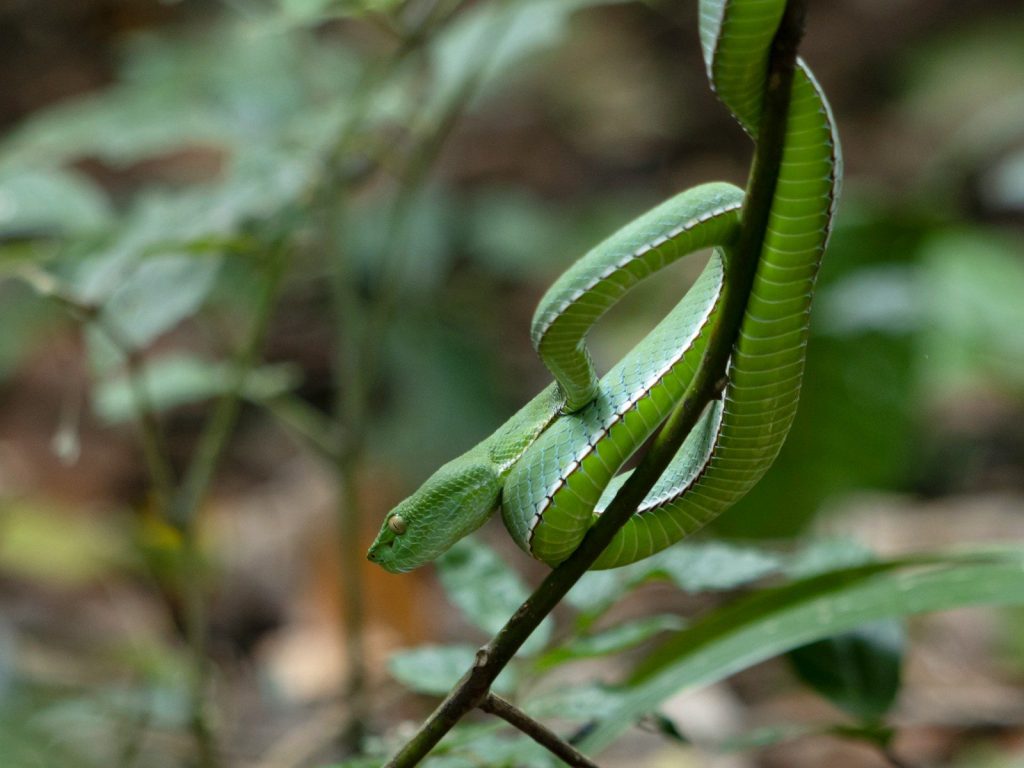
Pit vipers include snakes like copperheads, water moccasins, and rattlesnakes. In the United States, copperheads are responsible for many venomous snake bites each year because they often live in areas near human habitation. Even though copperhead venom is not the most toxic, their bites are still very painful.
A pit viper bite can cause severe pain within minutes. Other symptoms may include swelling, numbness near the bite, changes in heart rate, breathing problems, dizziness, and weakness. If left untreated, the bite can damage the surrounding tissue. While these bites are not always deadly, they require medical attention to prevent long-term harm.
Leave a Reply