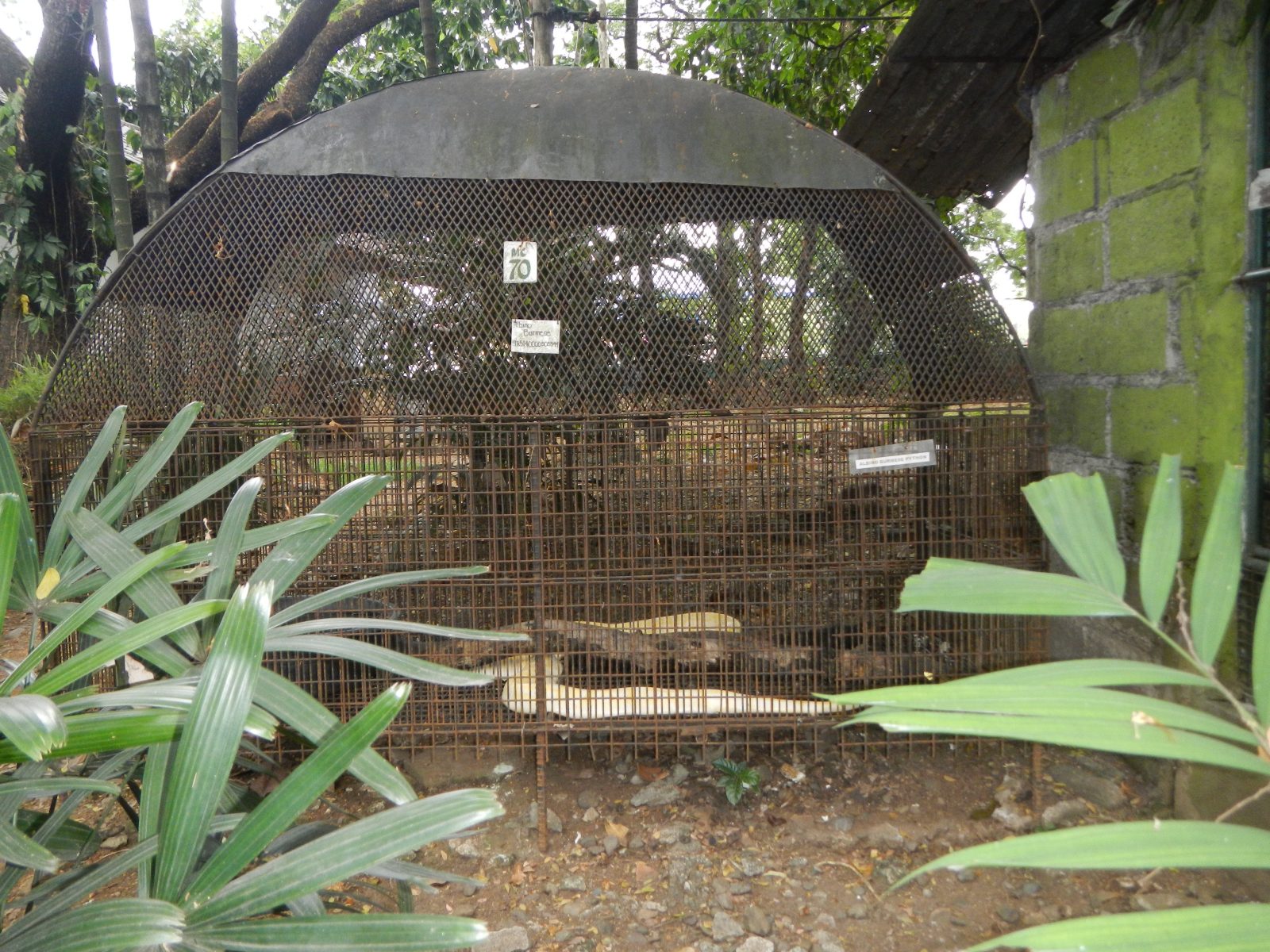
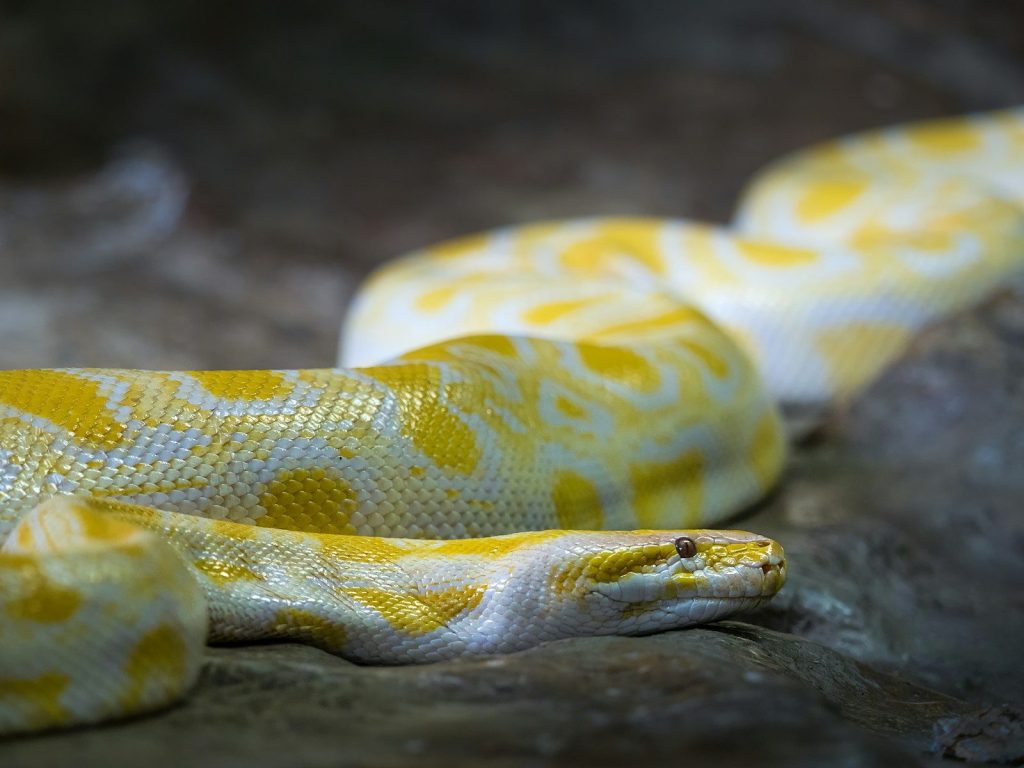
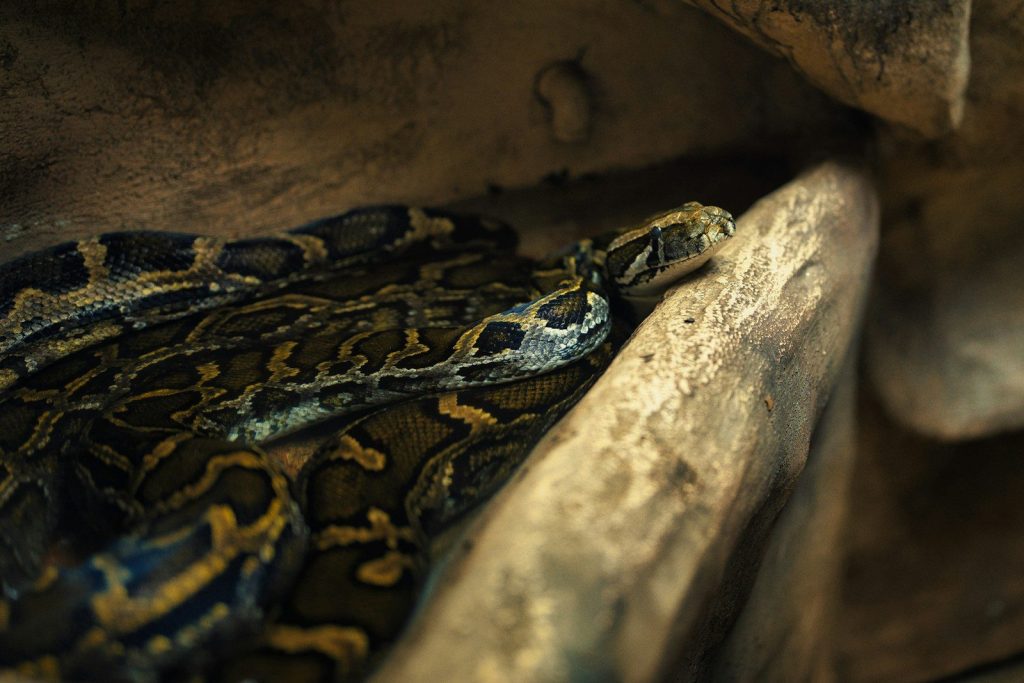
Few animals attract attention quite like a giant python. When a massive Albino Granite Burmese python arrived at a newly established reptile zoo, visitors were amazed by its incredible size and unique appearance. While the snake may look calm in videos and exhibits, experts know that handling such a large reptile comes with serious challenges. Giant pythons are powerful constrictors capable of overwhelming prey using strength alone, and their size makes even routine care more complicated than many people realize.
Understanding why this giant python requires extreme handling precautions is important for anyone interested in reptiles, wildlife, or zoo management. Large snakes behave very differently from smaller pet snakes, and their physical abilities create risks that cannot be ignored. By learning about their strength, instincts, and care requirements, readers can better understand why trained handlers follow strict safety measures whenever they work with these remarkable animals.
How the Albino Granite Burmese python became so large

The Albino Granite Burmese python is not a separate species but a special color and pattern variation of the Burmese python. These snakes are among the largest snake species in the world. While many individuals reach lengths of 12 to 16 feet, some can grow much longer and weigh hundreds of pounds. Their large size is the result of genetics, a slow metabolism, and an ability to continue growing throughout much of their lives when provided with enough food and proper care.
Unlike many animals that stop growing after reaching adulthood, giant pythons can continue adding length and weight over many years. This gradual growth often surprises people because a young snake that seems easy to manage can eventually become a massive reptile requiring multiple handlers. As the snake grows, every aspect of its care becomes more demanding, from enclosure size to transportation and daily maintenance.
Why constriction makes giant pythons dangerous
One of the most important reasons giant pythons require careful handling is their ability to constrict. Burmese pythons are nonvenomous snakes, which means they do not rely on venom to subdue prey. Instead, they use their powerful muscles to wrap around an animal and apply pressure. This hunting method has helped them successfully capture a wide variety of prey in the wild.
Even though captive pythons are not actively hunting their handlers, the strength that allows them to constrict prey remains present at all times. A large python can wrap around a person’s arm, torso, or leg with surprising force. If the snake becomes stressed or confused, removing those coils can be difficult. This is why experienced handlers take extra precautions and often avoid handling giant snakes alone.
The hidden risks of handling captive giant snakes
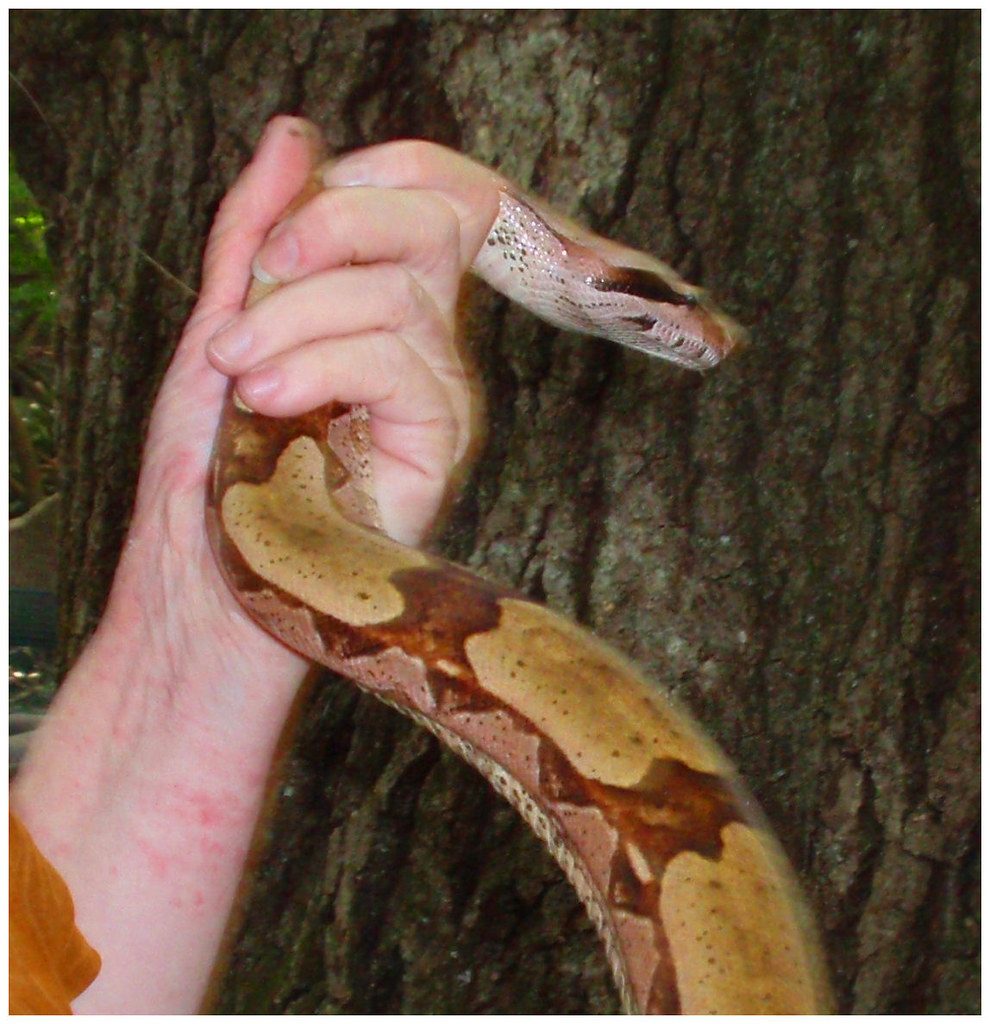
Many people assume that a snake raised in captivity becomes completely predictable. While captive Burmese pythons often become accustomed to human presence, they still retain the instincts of a wild predator. A snake may react differently depending on its mood, surroundings, or level of stress. Even a normally calm animal can become defensive if it feels threatened.
Handling sessions can also present risks because giant snakes are incredibly strong. A sudden movement from the snake may cause a handler to lose balance or lose control of the animal. Since these reptiles rely heavily on instinct, they may react to unfamiliar smells, feeding cues, or environmental changes in ways that humans do not expect. For this reason, experienced keepers treat every interaction with caution, regardless of the snake’s previous behavior.
Why experienced handlers rarely work alone

One of the most common safety rules involving giant pythons is the use of multiple handlers. This practice is not based on fear but on practical experience. A large Burmese python may weigh as much as an adult human, making it difficult for one person to manage safely. If the snake decides to move suddenly, additional handlers can help maintain control and prevent accidents.
Having more than one trained person present also allows for a faster response during unexpected situations. If a snake wraps around someone or becomes agitated, another handler can immediately assist. Many reptile professionals consider teamwork one of the most important safety measures when working with very large constrictors. The larger the snake becomes, the more valuable this extra support can be.
How zoos manage giant python safety
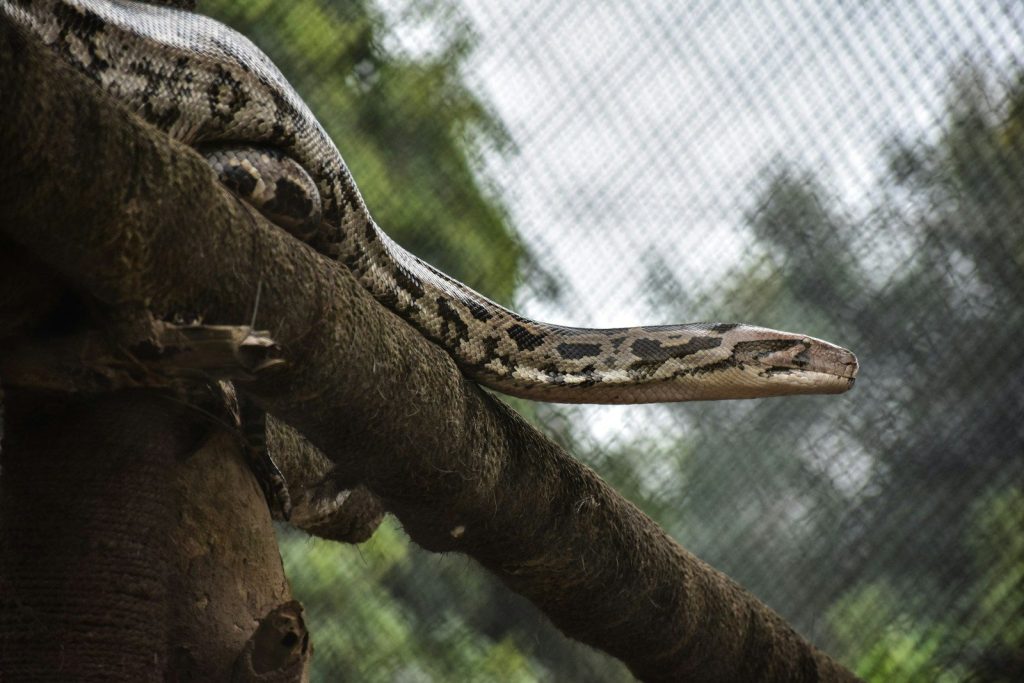
Housing a giant python in a public zoo requires careful planning and constant attention. Enclosures must be large enough to accommodate the snake’s size while also providing secure barriers that prevent escapes. Keepers must regularly inspect locks, doors, and habitat features to ensure everything remains safe for both the animal and visitors.
Daily care routines are also designed with safety in mind. Feeding, cleaning, and health checks often follow strict procedures developed specifically for large constrictors. Staff members receive training on how to recognize signs of stress, illness, or unusual behavior. These protocols help reduce risks while ensuring the snake receives proper care throughout its life.
What the future holds for housing massive reptiles
As reptile collections continue to grow, facilities may encounter more giant snakes that require specialized care. Advances in enclosure design, animal monitoring, and handler training are helping zoos manage these challenges more effectively. New technologies can also help staff observe animal behavior and identify potential concerns before they become serious problems.
At the same time, discussions continue about the responsibilities involved in housing extremely large predators. Giant pythons can live for decades, meaning facilities must plan for their long-term care and safety needs. Proper management, adequate space, and experienced staff will remain essential as zoos work to balance public education with the welfare of these remarkable reptiles.
Leave a Reply