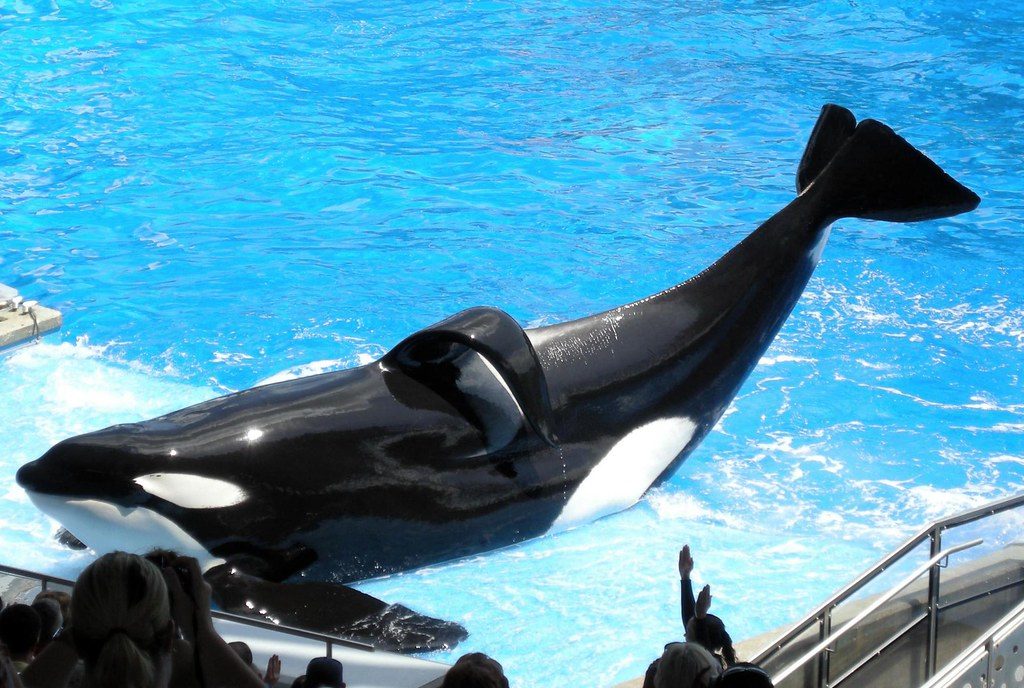
The moment the orca grabbed her ponytail, the crowd watching the show had no idea they were about to witness one of the most talked-about animal incidents in modern history. What started as a routine performance quickly turned into a tragedy that stunned visitors, trainers, and animal experts around the world. Many people still search for answers about what really happened and why such a powerful animal suddenly pulled a trainer into the water.
This article explains the real story behind the incident, what witnesses saw, how orcas behave in captivity, and why the event changed marine park safety rules forever. Understanding the facts is important because many rumors and false stories have spread online over the years. By looking closely at verified information, readers can better understand both the risks of working with large marine animals and the challenges of keeping them in captivity.
What happened during the show
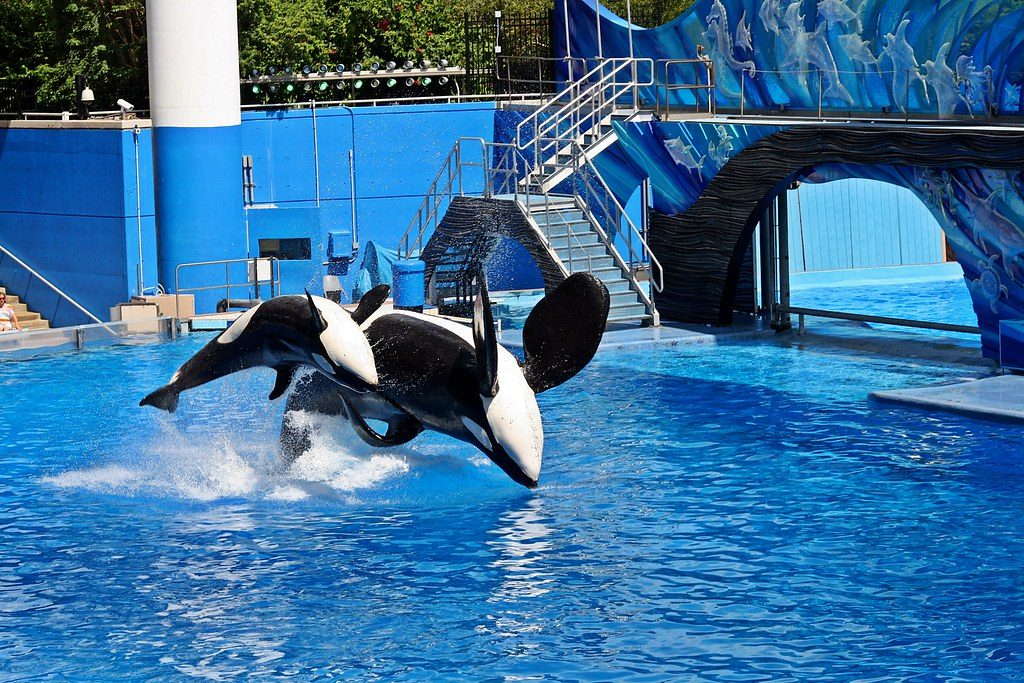
The incident happened on February 24, 2010, at SeaWorld Orlando in Florida. Experienced trainer Dawn Brancheau was working with Tilikum, a large male orca that weighed around 12,000 pounds. The show had already ended, and guests were still watching as Brancheau interacted with the whale near the pool. According to reports from SeaWorld officials, Tilikum grabbed her long ponytail while she was close to the water.
Witnesses watched in horror as the orca pulled her into the pool. Trainers immediately rushed to help, but the animal would not release her. The scene quickly became chaotic as staff members tried different methods to separate the whale from the trainer. Many people in the audience were shocked because the interaction had appeared calm only moments earlier.
Why the ponytail became a major detail
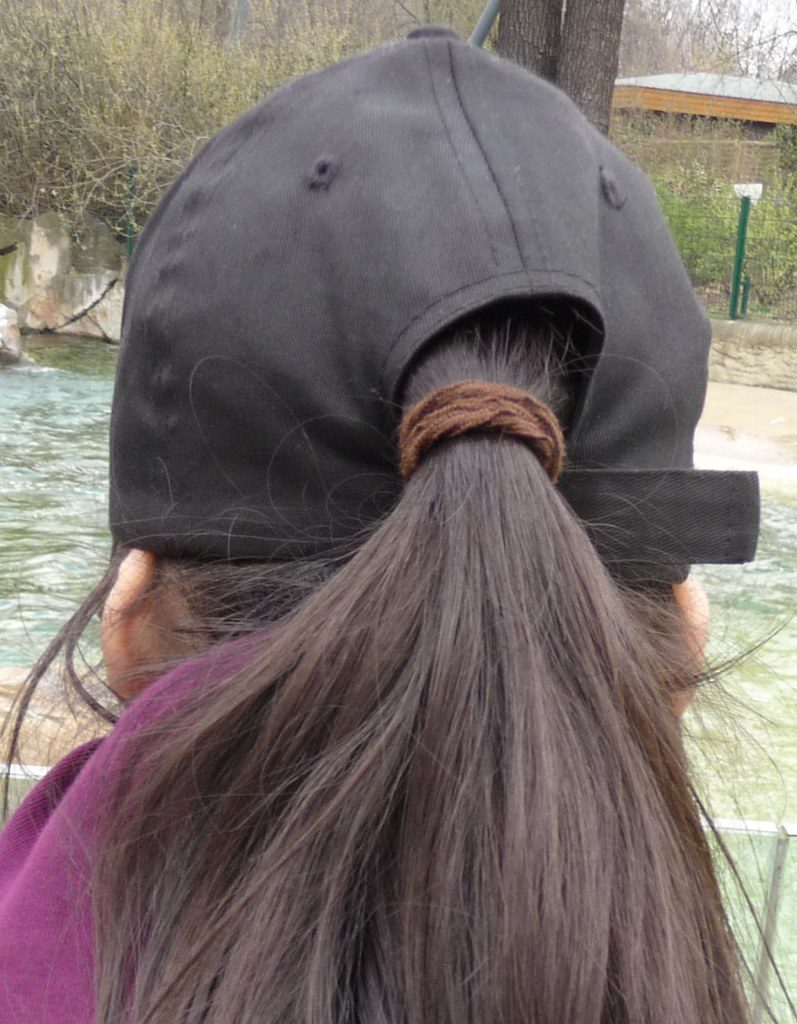
The ponytail became one of the most discussed parts of the tragedy because several reports stated that Tilikum initially grabbed Brancheau’s hair. Some former trainers and experts suggested that the moving ponytail may have caught the whale’s attention. Orcas are intelligent and curious animals, and objects moving through the water can sometimes trigger investigation or play behavior.
However, not everyone agrees on exactly how the incident began. Some eyewitnesses believed the whale grabbed her arm instead. Investigators reviewed multiple accounts after the tragedy, and different witnesses remembered different details. While the exact first point of contact remains debated, most reports agree that the trainer was pulled into the water and then suffered fatal injuries during the struggle.
Understanding Tilikum’s history
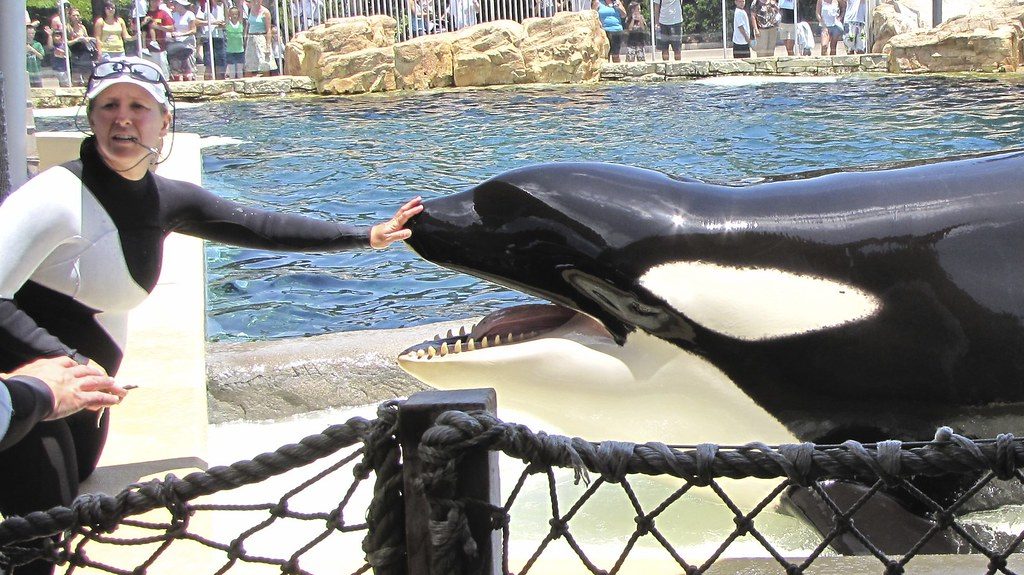
Tilikum was not an ordinary captive orca. He had been involved in previous fatal incidents before the death of Dawn Brancheau. His size alone made him different from many other whales in captivity. As one of the largest male orcas held in marine parks, he possessed enormous strength that no human could control once an incident began.
His history also raised concerns among animal behavior experts. Tilikum spent many years living in artificial environments that were far smaller than the vast distances wild orcas travel every day. Some researchers and animal welfare advocates argued that long-term confinement may have contributed to stress and abnormal behavior. While no one can know exactly what the whale was thinking, experts widely agree that captivity creates challenges for highly intelligent marine mammals.
How the crowd reacted
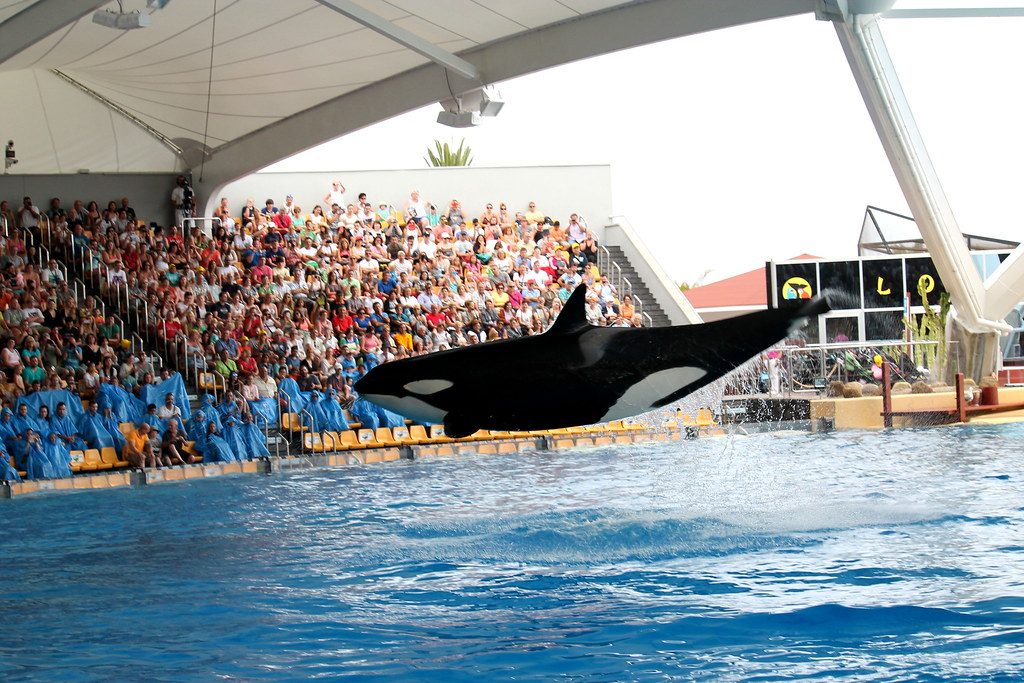
Visitors who attended the show expected to see a fun performance, not a life-threatening emergency. Many audience members described feeling confused at first because they thought the event might be part of the show. Within seconds, it became clear that something was seriously wrong as trainers rushed toward the pool and emergency procedures began.
The emotional impact on witnesses was significant. Some people reported hearing screams from the crowd while others watched in silence. Families with children were especially shaken by what they had seen. For many visitors, the memory remained vivid years later because the incident unfolded in front of a large audience during what was supposed to be an entertaining attraction.
What experts learned from the tragedy

The death of Dawn Brancheau led to major discussions about trainer safety and animal management. Government investigators examined the incident and reviewed workplace procedures involving captive orcas. One important finding was that trainers faced serious risks whenever they worked in direct physical contact with large whales.
The tragedy also highlighted the difference between trained behavior and complete control. Even animals that perform thousands of successful interactions can still behave unpredictably. Orcas are apex predators with immense power, and experts stressed that training does not remove natural instincts or reactions. The event became a key example used in discussions about marine mammal safety around the world.
How the incident changed marine parks
After the tragedy, major changes were made to safety practices involving orcas. Trainers at SeaWorld were no longer allowed to perform waterwork with killer whales in the same way they had before. Physical contact rules became much stricter, and barriers between trainers and animals increased during performances.
The incident also fueled a broader debate about keeping orcas in captivity. Animal welfare groups argued that the tragedy showed the difficulties of housing large, intelligent predators in confined environments. Public discussion grew stronger in the years that followed, leading many people to question whether traditional orca shows should continue. The event remains one of the most influential moments in the history of marine parks.
Leave a Reply