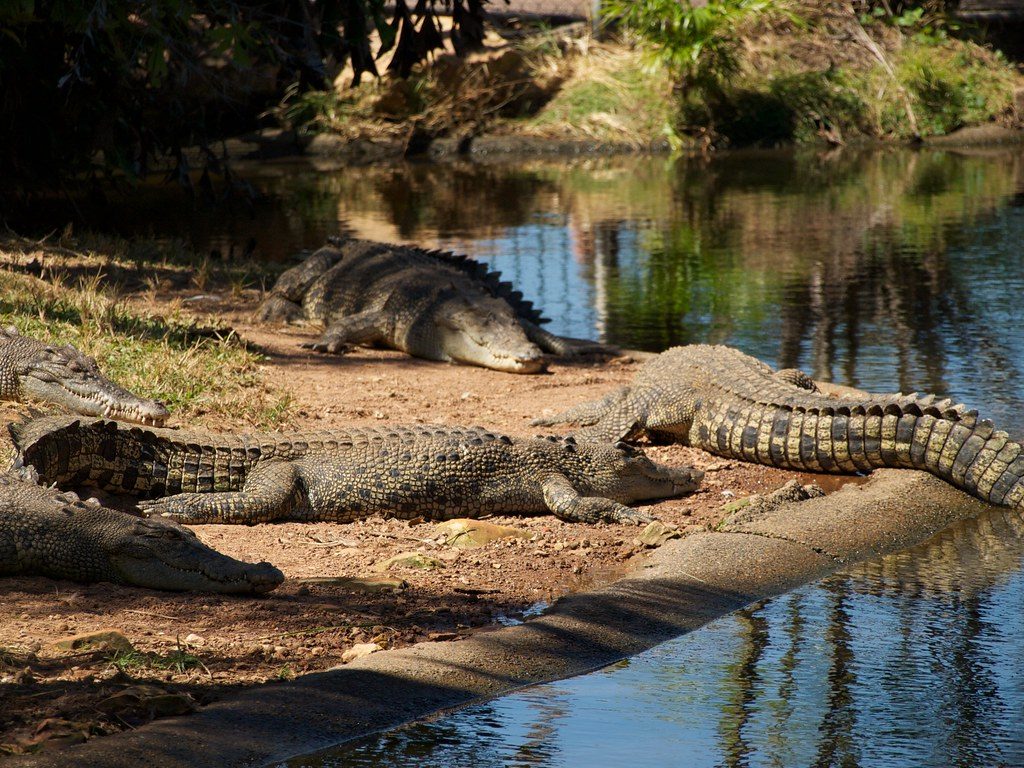
Imagine standing near a riverbank and seeing what looks like a floating log. It barely moves and seems harmless. But beneath the surface may be one of the most powerful predators on Earth. The saltwater crocodile is not only the largest living reptile, but it is also one of the smartest and most dangerous hunters in the animal kingdom. Stories of crocodiles studying their surroundings and waiting for the perfect moment to strike have fascinated and frightened people for generations.
Many people know about a crocodile’s powerful jaws, but there is much more to these animals than brute strength. Saltwater crocodiles can survive in many environments, travel long distances, and use remarkable hunting strategies. This article explores what makes them such successful predators, how their intelligence helps them hunt, and why experts urge people to respect them whenever they enter crocodile territory.
Saltwater crocodiles are built for survival
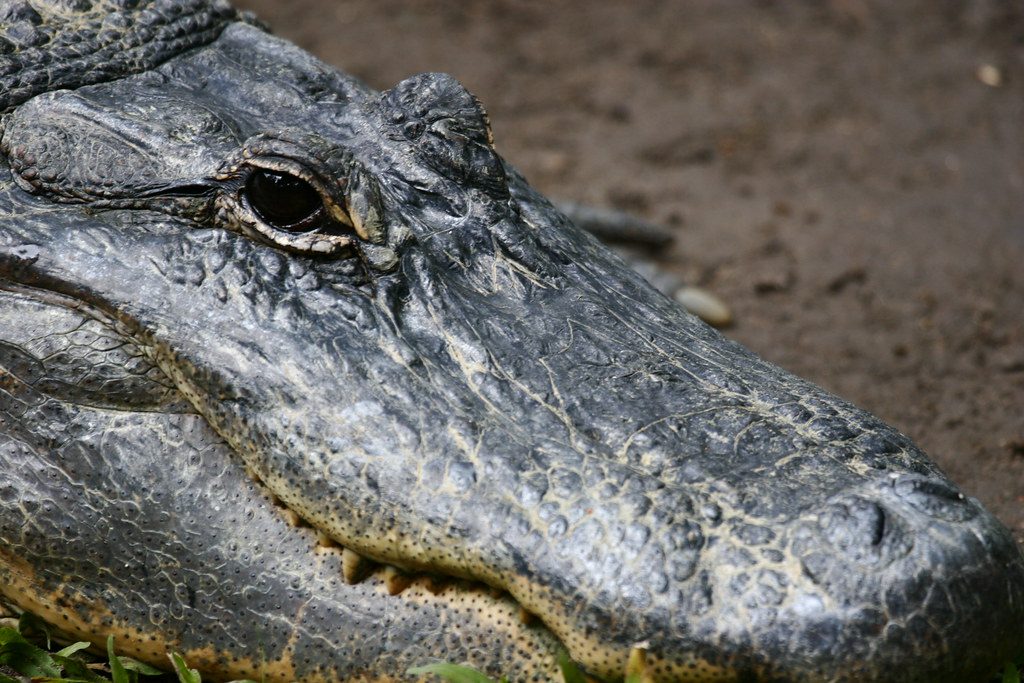
The saltwater crocodile is the largest reptile alive today. Adult males can grow more than 20 feet long and weigh over a ton. Their bodies are covered with thick scales and bony plates that act like natural armor. This protection helps them survive fights with other crocodiles and defend themselves from injuries. Their powerful tails allow them to move quickly through the water despite their enormous size.
Unlike many reptiles, saltwater crocodiles can live in both fresh water and salt water. They are found in rivers, estuaries, wetlands, mangrove forests, and coastal areas across northern Australia and parts of Southeast Asia. Their ability to thrive in different environments gives them access to a wide range of prey and allows them to dominate many ecosystems.
Their intelligence makes them even more dangerous
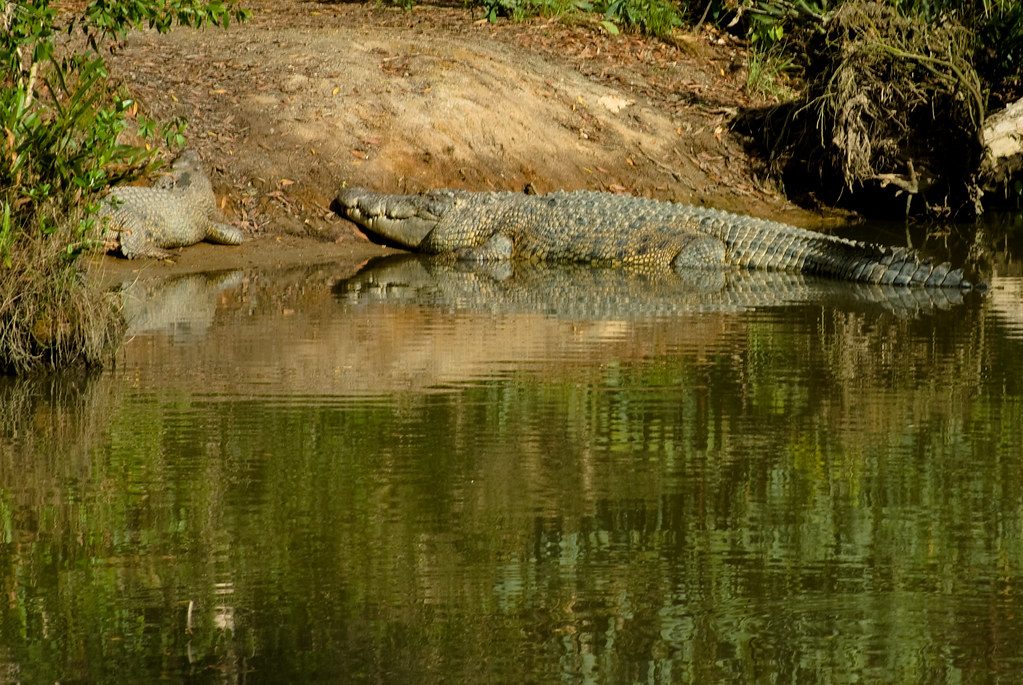
Many people think of reptiles as simple animals that act only on instinct. Research and observations suggest that saltwater crocodiles are much smarter than most people realize. Wildlife experts have documented behaviors that show these animals can recognize patterns and remember important locations. This ability helps them become more effective hunters.
One famous example involved a crocodile that gradually changed its position over several months until it was close enough to attempt an attack on a zoo worker. The crocodile moved only a tiny amount at a time, making the change difficult to notice. While scientists are still studying crocodile intelligence, examples like this suggest that these animals can learn from their surroundings and use that knowledge to their advantage.
They can turn patience into a deadly weapon
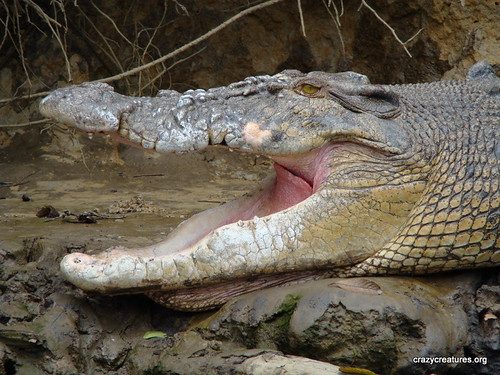
A saltwater crocodile does not need to chase its prey across long distances. Instead, it often relies on patience. It may remain almost completely motionless for hours while watching the area around it. Its eyes, ears, and nostrils sit on top of its head, allowing it to stay hidden beneath the water while keeping track of everything happening nearby.
Experts warn that people can become predictable without realizing it. In regions where crocodiles live, individuals who repeatedly visit the same water source at the same time each day may unknowingly create a pattern. Crocodiles are capable of noticing regular activity. Once they understand when and where prey is likely to appear, they can simply wait for the right opportunity to strike.
Their hunting abilities are almost unmatched
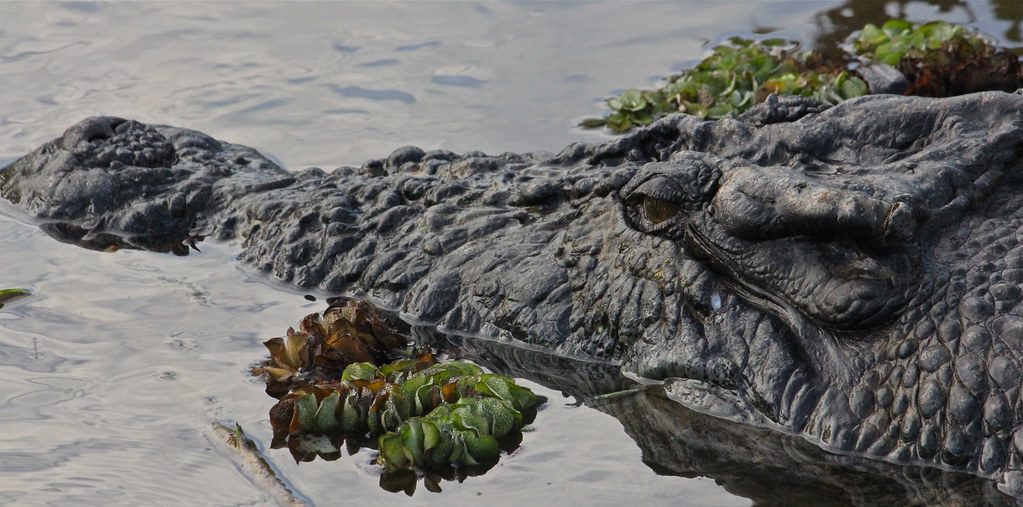
Saltwater crocodiles possess an impressive collection of hunting tools. They have sensitive receptors on their skin that can detect tiny vibrations in the water. Even in muddy conditions or complete darkness, they can sense movement around them. This allows them to locate prey when vision alone would not be enough.
When the moment arrives, the attack happens with incredible speed. A crocodile launches forward using its powerful tail and muscular body. Its jaws snap shut with tremendous force, creating one of the strongest measured bite forces of any living animal. Once prey is caught, escape becomes extremely difficult because the crocodile’s backward-curving teeth are designed to grip tightly and prevent animals from breaking free.
The death roll is one of nature’s most feared attacks
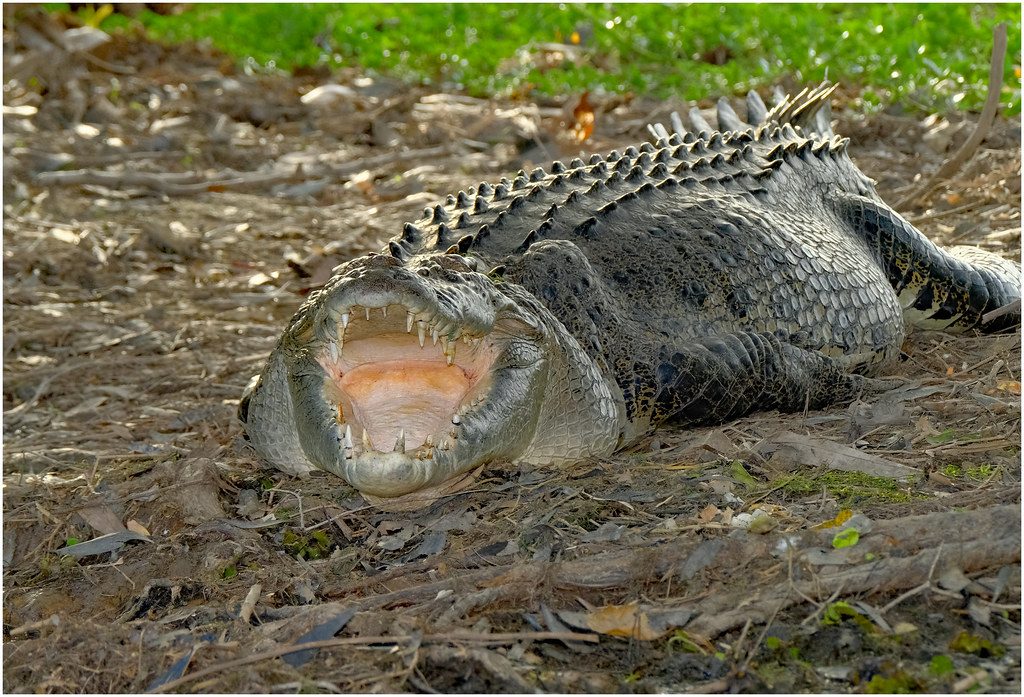
Many people think the bite is the most dangerous part of a crocodile attack. In reality, the bite is often only the beginning. When a crocodile catches large prey, it may perform a behavior known as the death roll. During this maneuver, the crocodile spins its body rapidly while holding onto its victim.
The spinning motion creates an enormous force that can tear flesh, break bones, and overwhelm struggling prey. The death roll also helps crocodiles tear apart animals that are too large to swallow whole. This behavior is so effective that even young crocodilians display it instinctively. It remains one of the most powerful hunting techniques found anywhere in nature.
There is more to crocodiles than hunting
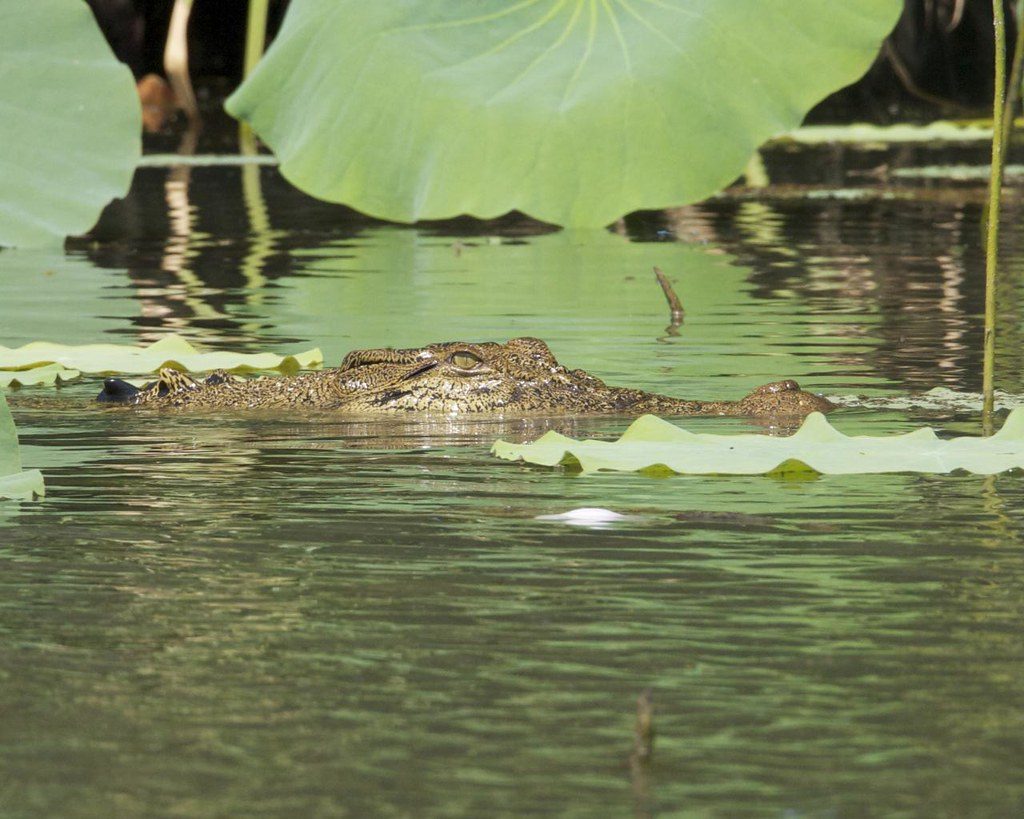
Despite their fearsome reputation, saltwater crocodiles display behaviors that many people do not expect. Female crocodiles are highly protective mothers. They carefully guard their nests and often stay nearby while their eggs develop. When the young hatch, the mother may gently carry them in her mouth to the water, helping them avoid danger during the earliest days of life.
Scientists have also discovered that crocodiles use a surprisingly wide range of sounds and signals. Hatchlings communicate with their mothers before they even leave the egg. Adults produce growls, grunts, roars, and other sounds that may help them communicate with one another. Researchers are still working to understand the full meaning of these signals, but the evidence suggests crocodiles have more complex social lives than many people once believed.
Leave a Reply