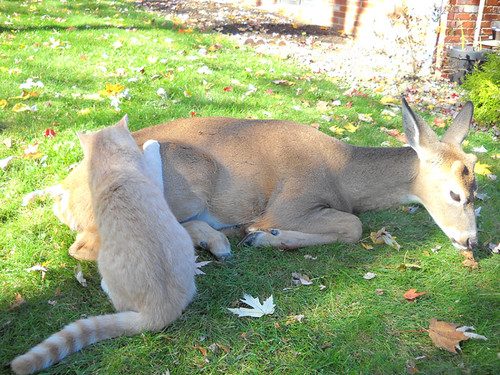
A deer gently interacting with a cat is a rare and heartwarming sight that often leaves people amazed and curious. When two very different animals meet in such a calm and peaceful way, it raises a lot of questions. How can a wild deer and a small house cat stay so relaxed around each other? Is it safe? What is really happening in these moments?
In this article, you will learn why deer and cats sometimes interact softly, what science says about these encounters, and how both animals behave in the wild and near humans. You will also understand the safety risks, the natural instincts behind their actions, and why these rare meetings happen more often in certain environments. By the end, you will clearly understand this unusual but fascinating animal behavior.
Why deer and cats sometimes meet in nature
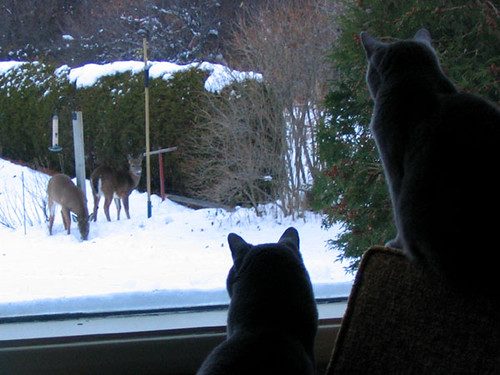
Deer and cats can sometimes share the same outdoor spaces, especially in suburban or rural areas where forests meet human homes. Deer often come close to gardens to feed on plants, while cats may explore outdoors or sit near yards. This overlap is one of the main reasons they occasionally meet.
These encounters are usually accidental and not planned. Deer are naturally curious animals, and cats are also alert explorers of their surroundings. When they notice each other, both animals may pause, observe, and slowly adjust their behavior instead of reacting aggressively.
How deer behave during calm encounters
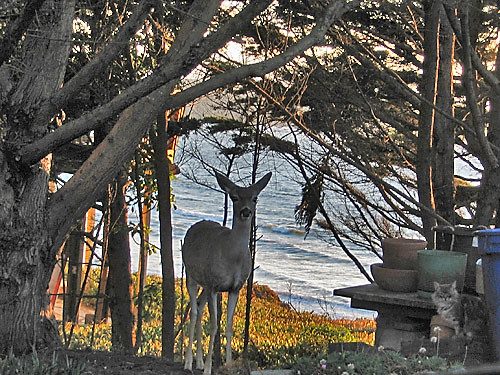
Deer are generally gentle herbivores that avoid conflict. When they see a cat, they often show caution rather than fear. In many observed cases, deer may lower their head, freeze, or slowly move closer if they do not feel threatened. This behavior is part of their natural curiosity and survival instincts.
Some deer may even appear relaxed around small animals like cats because they do not recognize them as serious predators. According to wildlife observations, deer can tolerate other animals in shared spaces if they do not feel danger nearby . However, this calm behavior does not mean deer are friendly in a domestic sense. It simply reflects their natural tendency to avoid unnecessary risk.
How cats respond to deer
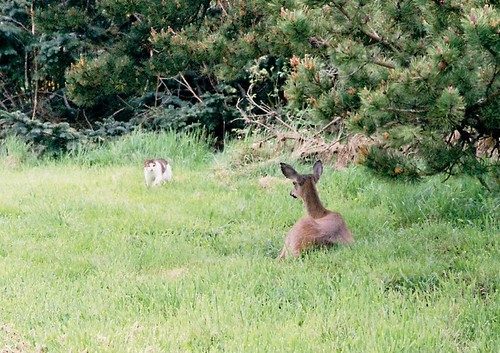
Cats are natural hunters, but they are also cautious animals. When a cat sees a deer, it often freezes and watches quietly. This stillness is a hunting behavior that helps cats avoid detection, even if they are not planning to attack.
In most real-life encounters, domestic cats do not try to approach deer aggressively. Instead, they observe from a safe distance or slowly back away if the deer moves closer. Wildlife records show that cats and deer can sometimes share the same space peacefully without direct conflict .
Why soft interactions like sniffing or licking happen
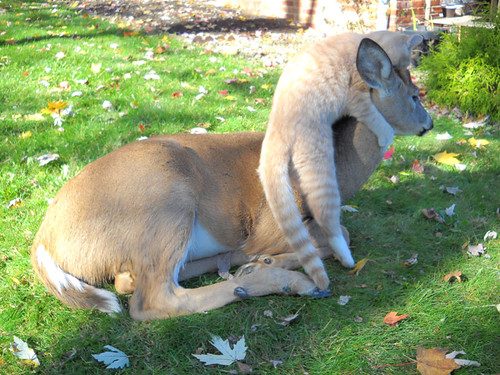
In rare cases, deer may gently sniff or even lick a cat. This behavior may look like affection, but it usually has simple biological reasons. Deer are known to seek minerals like salt, and they may be attracted to traces of salt or scent on a cat’s fur.
Licking is also a natural way for deer to explore unfamiliar objects. It helps them gather information about what they are sensing. Wildlife studies explain that licking can be linked to curiosity, grooming instincts, and mineral seeking rather than emotional bonding .
Is it safe for deer and cats to interact
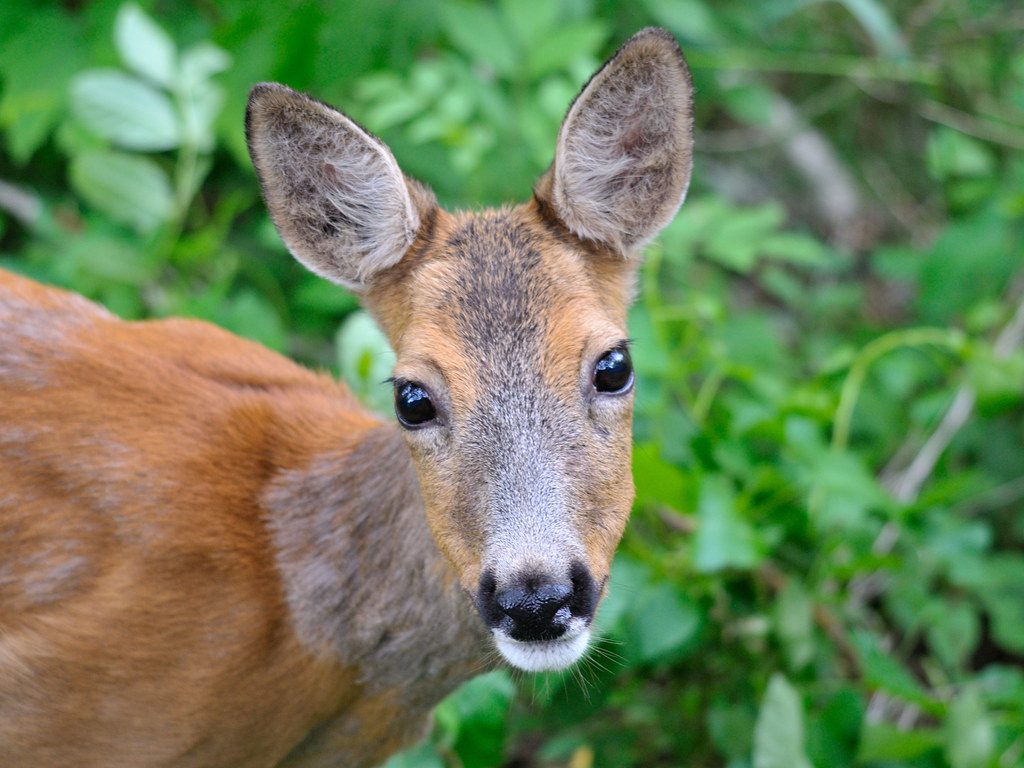
Even though these encounters can look peaceful, they are not always completely safe. Deer are much larger than cats and can unintentionally harm them with a sudden movement, step, or kick. A frightened deer may react quickly if it feels threatened.
Cats also carry natural instincts that could lead to sudden movement, which might startle a deer. Because of this, wildlife experts generally advise keeping distance between domestic pets and wild deer. Most interactions should be brief and observed from afar to avoid stress or injury to either animal.
What these rare encounters teach us about animals
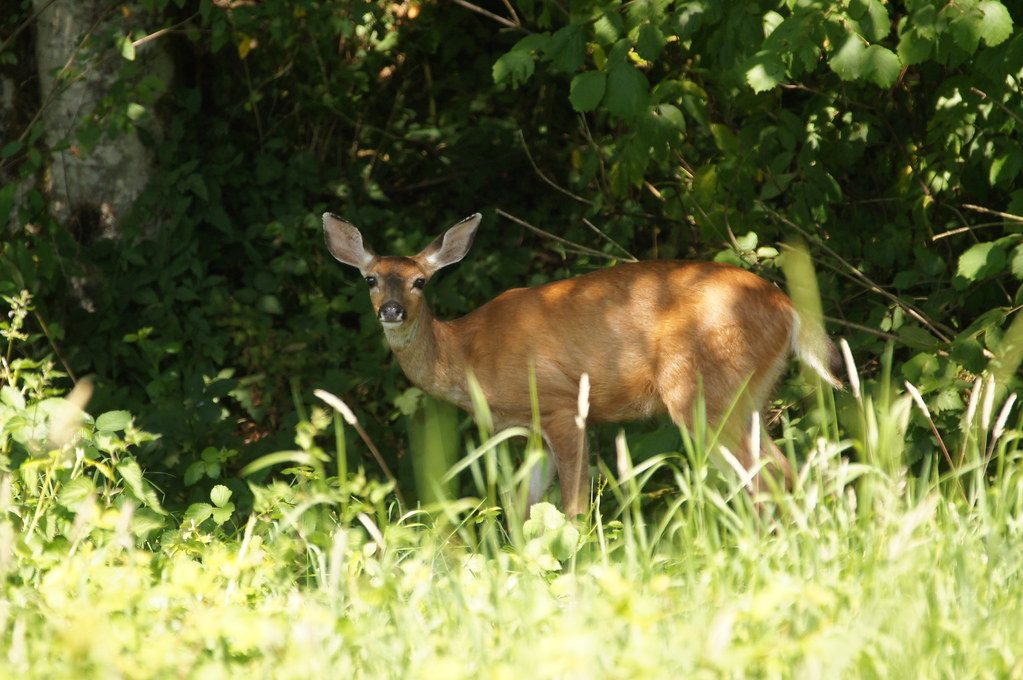
Soft interactions between deer and cats show how flexible animal behavior can be when there is no immediate danger. Both animals rely heavily on instinct, and when those instincts do not signal threat, calm behavior can occur. These moments highlight how animals can share space without aggression when conditions are peaceful.
They also remind us that wildlife and domestic animals are still connected through shared environments. Even though they live very different lives, their paths can cross in surprising and gentle ways, showing the complexity of nature.
Leave a Reply