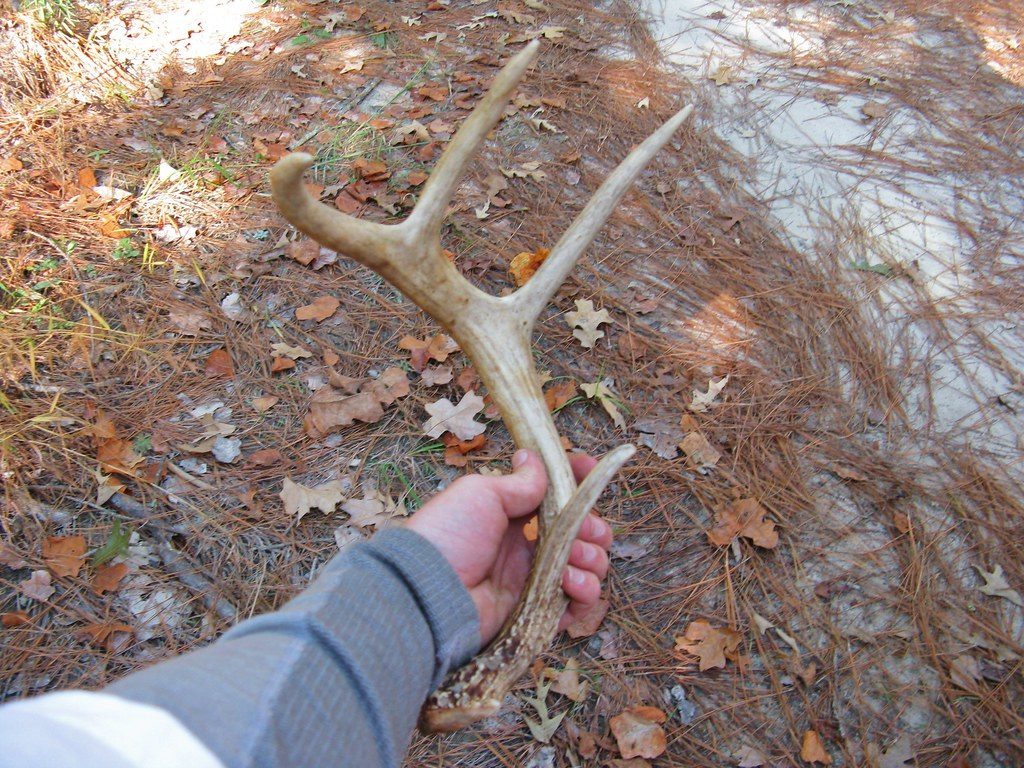
Finding deer antlers near your yard can be surprising, especially if you were not expecting wildlife activity so close to home. You might wonder if they are safe to touch, if you should leave them alone, or if you are allowed to keep them. Deer antlers near your yard usually come from male deer that naturally shed them every year as part of their normal life cycle. In most cases, these antlers are harmless and can be handled with basic care.
This article will explain exactly what deer antlers near your yard mean, how to safely handle them, what the law says in simple terms, and what you can do with them afterward. You will also learn how to tell if they are fresh, how to avoid risks, and how to respect local wildlife rules while making the right choice.
Why deer antlers end up near your yard
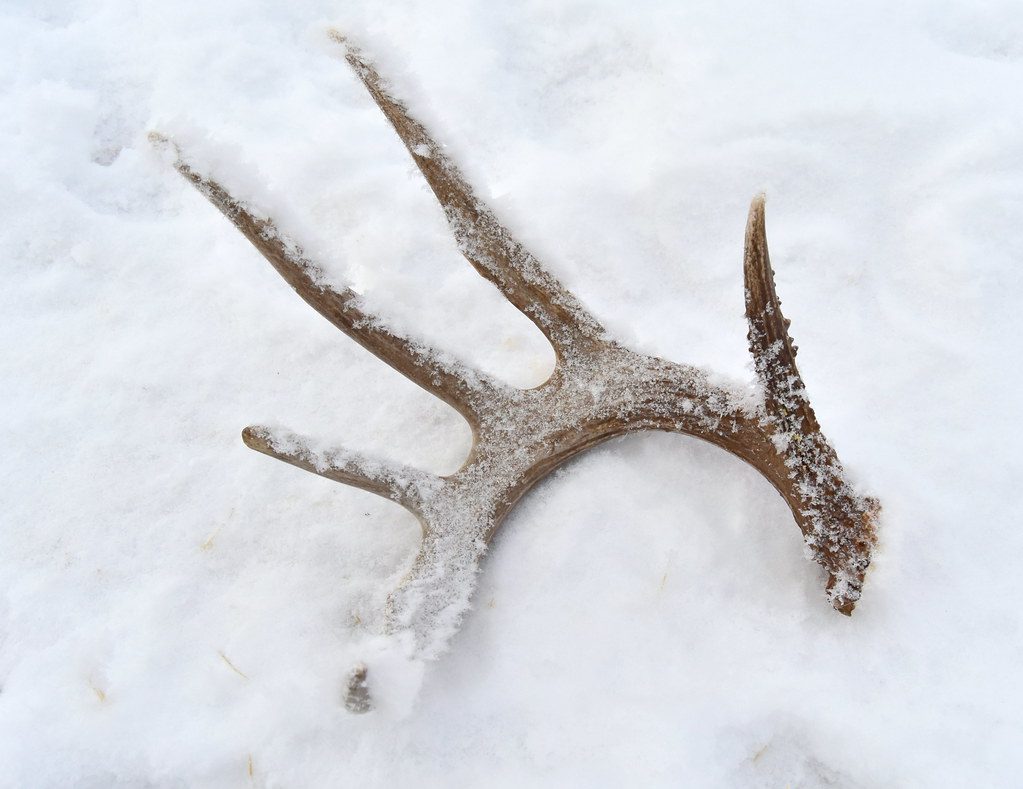
Deer naturally shed their antlers every year, usually between late winter and early spring. This is a normal biological process for male deer. After mating season ends, their hormone levels drop, and the antlers fall off on their own without pain. If your yard is near trees, fields, or quiet green spaces, deer may pass through it often, which is why you may find antlers there.
Antlers often fall off in places where deer travel frequently, such as fence lines, garden edges, and wooded backyards. Deer may bump their heads on branches or jump fences, which can help loosen the antlers. If your yard has food sources like grass, shrubs, or gardens, it may attract deer more often, increasing the chance of finding antlers nearby.
First steps when you find deer antlers

If you discover deer antlers near your yard, the first step is to stay calm and observe them from a short distance. Make sure there is no animal nearby and check the area carefully before touching anything. It is also important to see if the antler is attached to part of a skull. If it is attached, do not handle it and contact local wildlife authorities for advice.
If the antler is loose and fully separated, you can usually pick it up safely. Many people choose to wear gloves when handling them because antlers may carry dirt or bacteria from the ground. After picking them up, you should wash your hands properly with soap and water. This simple step reduces any small health risks and keeps things safe and clean.
Safety concerns and health considerations
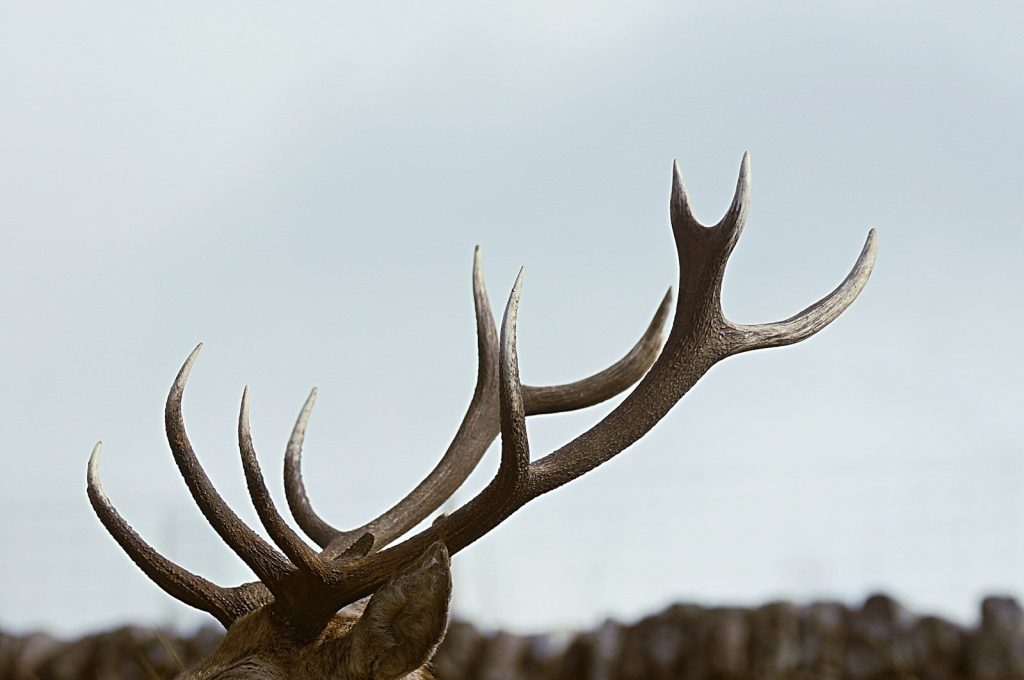
Deer antlers are generally safe to touch, but they have been exposed to the outdoors for some time. This means they can carry bacteria from soil, animal droppings, or decaying plant material. While the risk of illness is low, it is still smart to handle them with care, especially if you have cuts or scratches on your hands.
It is also important to avoid touching your face while handling antlers. After collecting them, clean them with mild soap and water if you plan to keep them. Some people also use a gentle disinfecting solution for extra safety. If children are involved, make sure they are supervised so they do not put dirty hands near their mouth or eyes.
Legal rules you should know before keeping them

In many places, it is legal to keep deer antlers if you find them on your own private property. However, rules can vary depending on your location. In some public lands, collecting antlers may be restricted or require permission. This is because wildlife agencies want to protect natural ecosystems and prevent disturbance to animals.
Before selling, trading, or collecting antlers from outside your property, it is important to check local wildlife regulations. In some areas, even picking up antlers from public land can lead to fines. If you are unsure, the safest choice is to keep only what you find on your own land and avoid removing anything from protected areas.
What you can do with found antlers
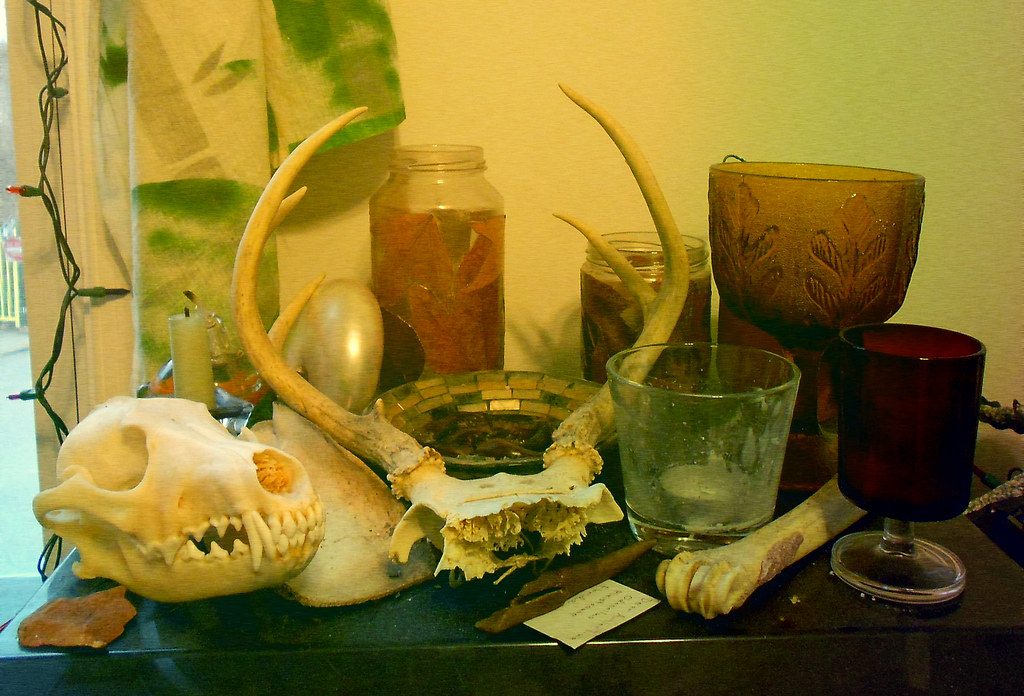
Once you have confirmed the antlers are legal to keep, there are many simple ways to use them. Some people clean and display them as natural home decorations. Their shape and texture make them popular for rustic or nature-inspired designs. You can place them on shelves, desks, or entryway tables as a natural accent piece.
Others use antlers for creative projects like coat hooks, wall hangers, or garden decorations. They can also be left in outdoor spaces where they slowly weather and blend into the environment. If you prefer not to keep them, you can simply leave them where they are, as they also play a role in nature by providing minerals for small animals that chew on them.
How to know if the antlers are fresh or old
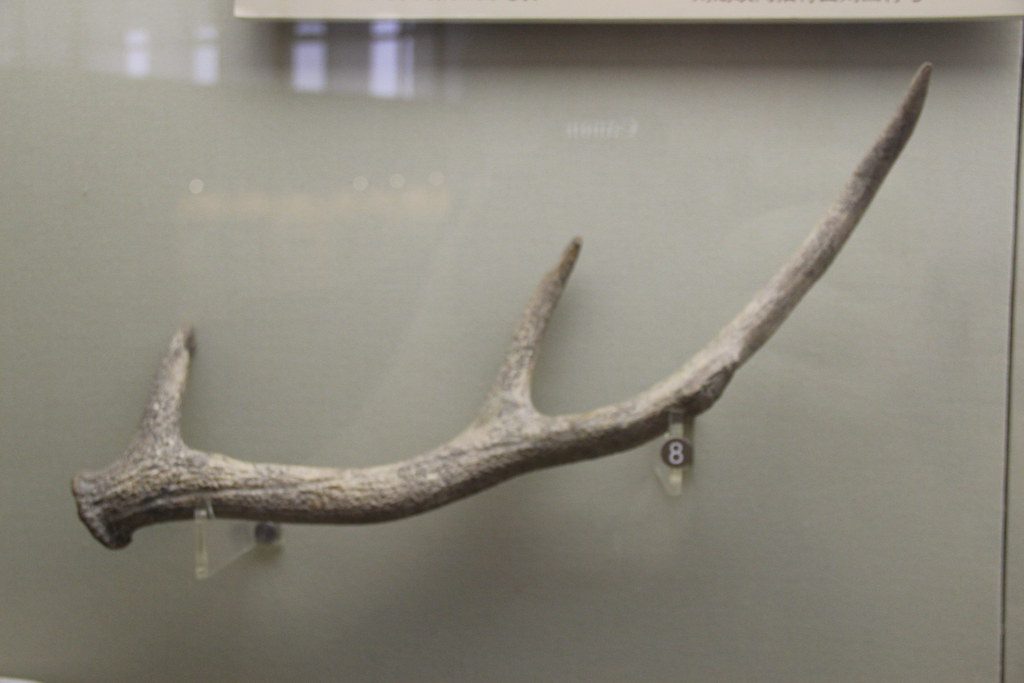
Freshly shed antlers usually look cleaner, slightly darker, and may still have bits of rough tissue at the base. They are often heavier and feel solid. Older antlers that have been in the environment for a long time may look faded, lighter in color, or slightly weathered from sun and rain.
You might also notice that older antlers blend more into the ground because they lose their natural color over time. However, both fresh and old antlers are still safe to handle once cleaned. The difference mainly helps you understand how recently a deer passed through your yard.
Leave a Reply