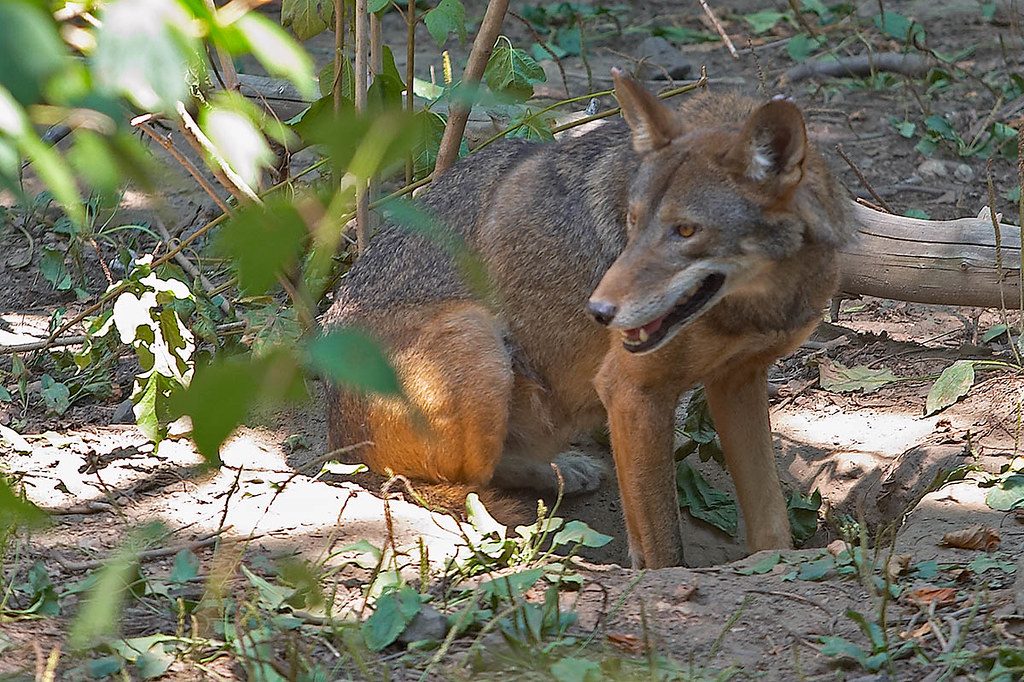
A surprising discovery on the Texas coast is giving scientists new hope for one of North America’s rarest animals. Researchers have found that some coyotes living around Galveston carry the DNA of the red wolf, a species that was declared extinct in the wild more than 45 years ago. These animals, often called ghost wolves, could play an important role in helping conservationists bring back genetic traits that have been lost over time.
The finding has sparked excitement among wildlife experts because genetic diversity is one of the biggest challenges facing endangered species. By studying the red wolf ancestry hidden within Galveston’s coyote population, researchers hope to strengthen future recovery efforts. As scientists continue their work, the discovery could become an important step toward protecting one of America’s most endangered predators.
How the red wolf nearly disappeared
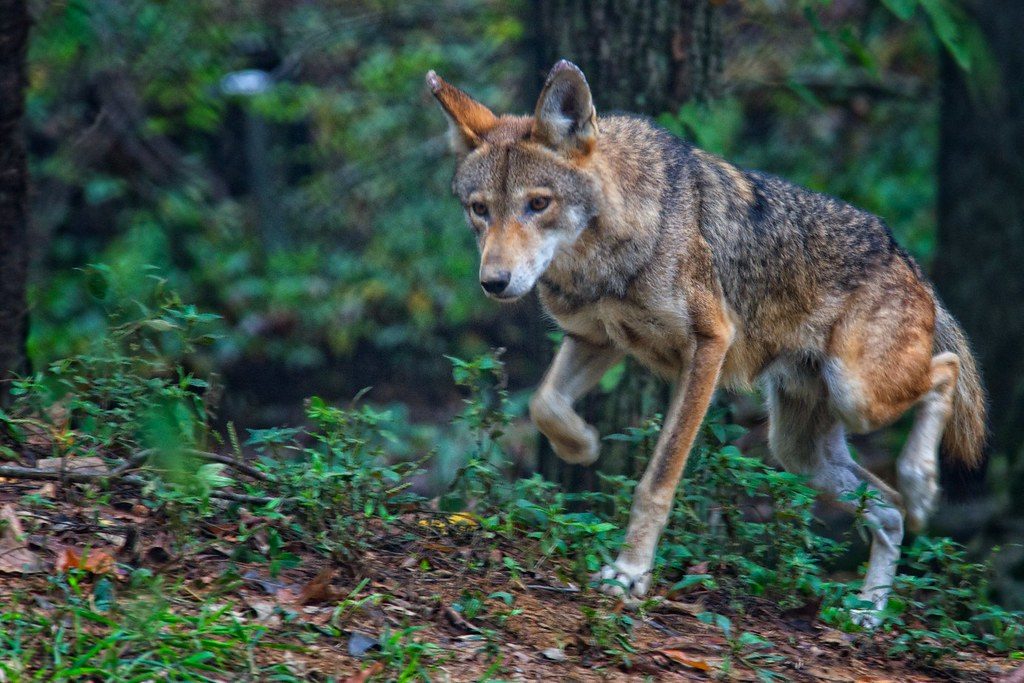
The red wolf once lived across large parts of the southeastern United States. It was an important predator that helped keep ecosystems balanced by controlling populations of smaller animals. For many years, red wolves shared forests, wetlands, and grasslands with a wide variety of wildlife.
Over time, however, habitat loss, hunting, and predator control programs caused red wolf numbers to fall sharply. As their population declined, they also began breeding with coyotes. By 1980, the species was declared extinct in the wild. Fortunately, wildlife officials had captured a small number of red wolves before they disappeared, allowing a captive breeding program to keep the species alive.
The discovery of ghost wolves in Galveston

For years, many people believed the canines living on Galveston Island were simply coyotes. However, genetic testing revealed something unexpected. Researchers found that some of these animals carry significant amounts of red wolf ancestry.
Because these animals preserve traces of a species thought to be gone from nature, scientists began referring to them as ghost wolves. The name reflects the idea that the red wolf’s genetic legacy has survived in a hidden form. What appeared to be ordinary coyotes turned out to hold valuable information that could help conservation efforts.
Why is genetic diversity so important?
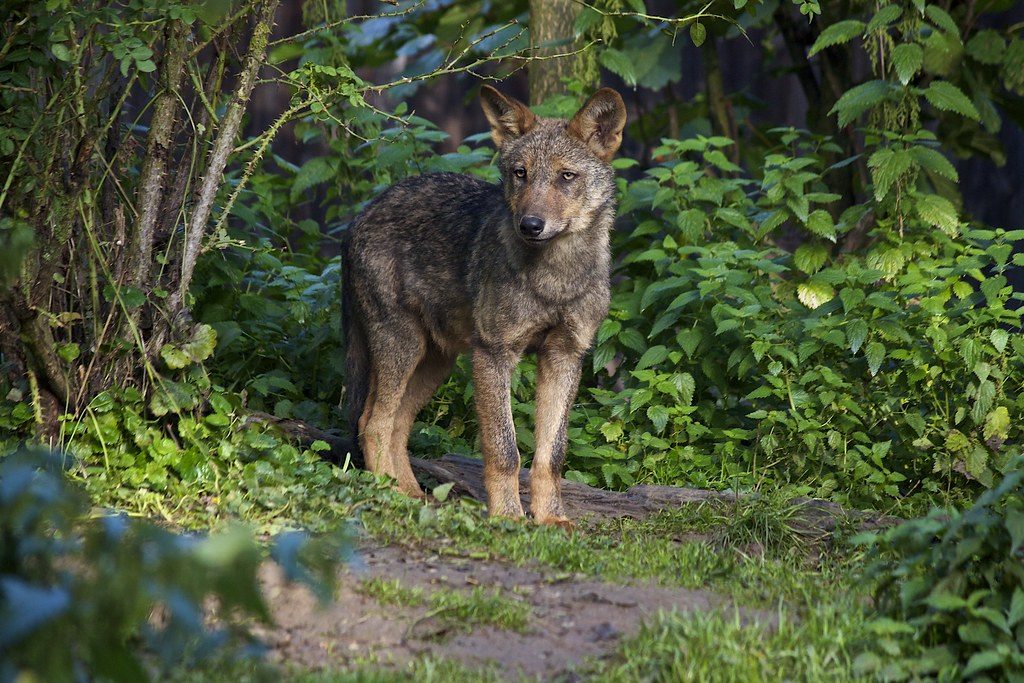
One of the biggest challenges for endangered animals is maintaining healthy genetic diversity. When a species is reduced to a small population, future generations inherit genes from only a limited number of ancestors. This can make the species more vulnerable to disease, health problems, and environmental changes.
The modern red wolf population comes from a small group of animals used in captive breeding programs. While these efforts prevented extinction, some genetic diversity was lost along the way. Researchers believe the red wolf DNA found in Galveston’s ghost wolves could help restore some of that missing diversity, giving future populations a stronger chance of survival.
Scientists see potential for a genetic rescue

Researchers are now studying whether ghost wolves could contribute to what is known as a genetic rescue effort. This process involves introducing valuable genetic traits into a population that has become genetically limited. The goal is to improve overall health and resilience without changing the identity of the species.
Scientists hope the red wolf ancestry found in Galveston’s coyotes may contain genetic traits that no longer exist in the captive population. If carefully managed, these traits could strengthen future generations of red wolves. While much more research is needed, the discovery has opened new possibilities for conservation.
Ghost wolves face threats of their own
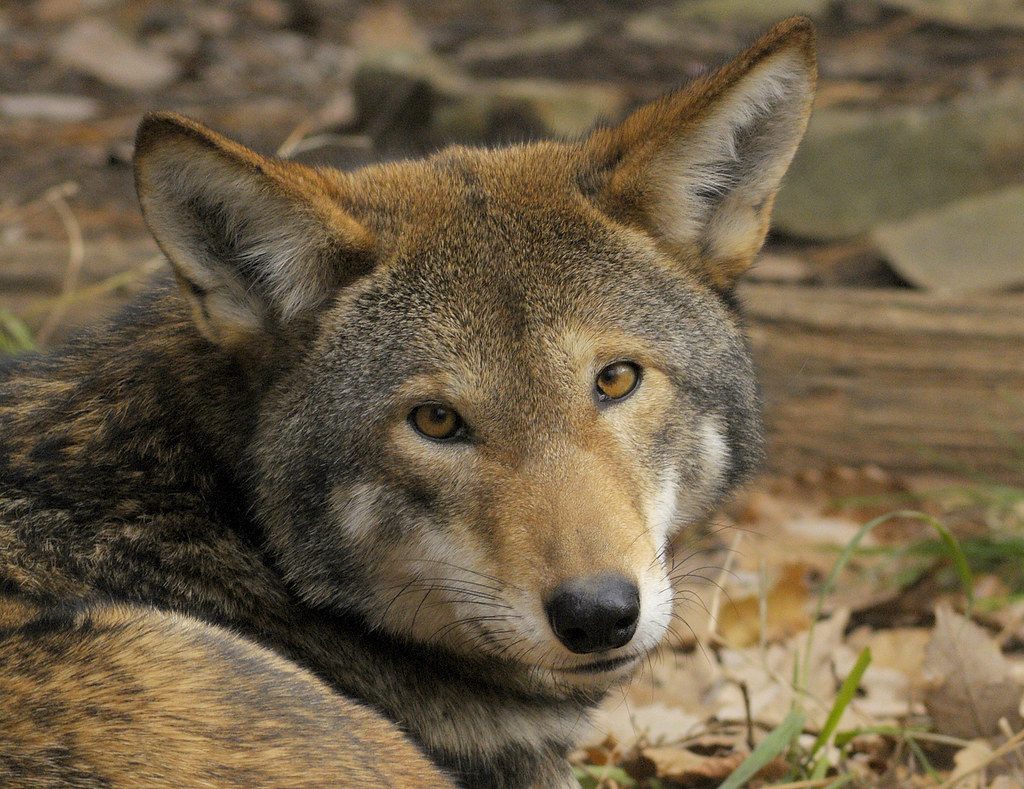
Although the discovery has generated excitement, the future of ghost wolves is far from secure. Researchers estimate that between 75 and 100 ghost wolves currently live on Galveston Island. Their survival is important because they carry the genetic material scientists hope to preserve.
Unfortunately, vehicle collisions have become a major threat. According to Galveston Animal Services Supervisor Josh Henderson, 75 ghost wolves have been killed by vehicles over the last five years. Each loss reduces the number of animals available for future research and conservation efforts, making their protection increasingly important.
Efforts to protect Galveston’s unique canines
Local officials and conservation groups are taking steps to help protect these animals. Josh Henderson has encouraged residents to avoid feeding or interacting with ghost wolves. Wild animals that become comfortable around people may face greater risks from traffic and other dangers.
The Texas Department of Transportation has also installed 10 Wildlife Crossing signs along roads in Galveston. These signs are designed to alert drivers to the presence of animals crossing roadways. By reducing collisions, officials hope to improve survival rates for ghost wolves and other wildlife that share the area.
Leave a Reply