
Invasive species reshaping an entire island’s ecosystem is one of the most powerful examples of how a single outside organism can change nature. When a non native plant or animal is introduced to an island, it often spreads fast because there are no natural enemies to stop it. This can quickly disrupt food chains, damage native habitats, and push local species toward decline.
In this article, you will learn how invasive species take over island environments, why islands are especially vulnerable, and how these changes affect plants, animals, and even the land itself. You will also see real examples of how ecosystems shift when balance is lost. The goal is to help you clearly understand how one species can reshape an entire natural system in surprising ways.
Why are islands so vulnerable to invasive species?
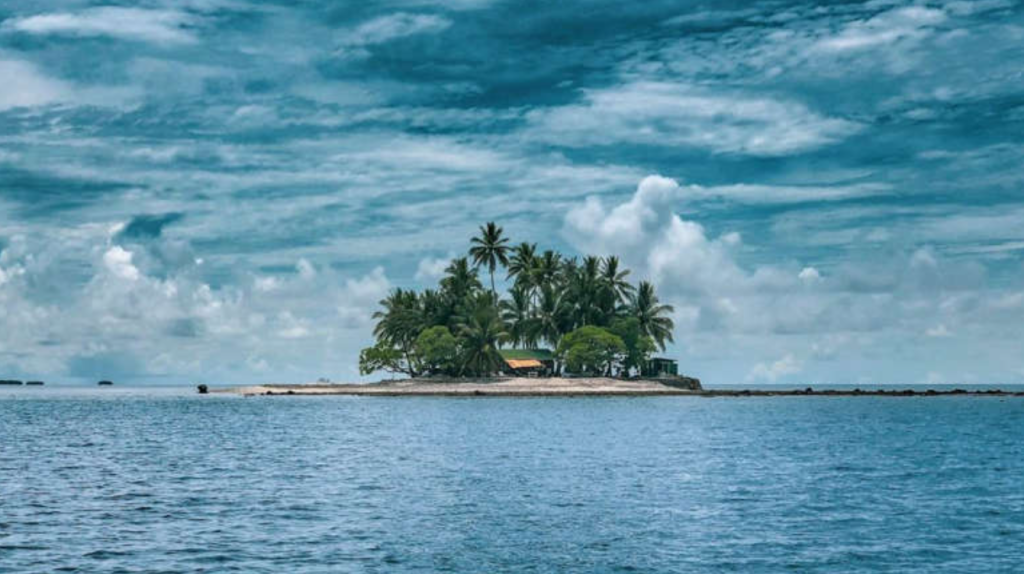
Islands are like natural “closed worlds” where species evolve in isolation for thousands of years. Because of this isolation, many native animals and plants do not develop strong defenses against new predators or competitors. When an invasive species arrives, it can spread quickly without much resistance from the local ecosystem.
Another reason islands are vulnerable is their limited space and resources. Unlike continents, islands cannot easily absorb sudden changes in population balance. Studies show that island ecosystems often experience stronger impacts from invasive species because even small disruptions can affect the entire food web and environment.
How invasive animals change food chains
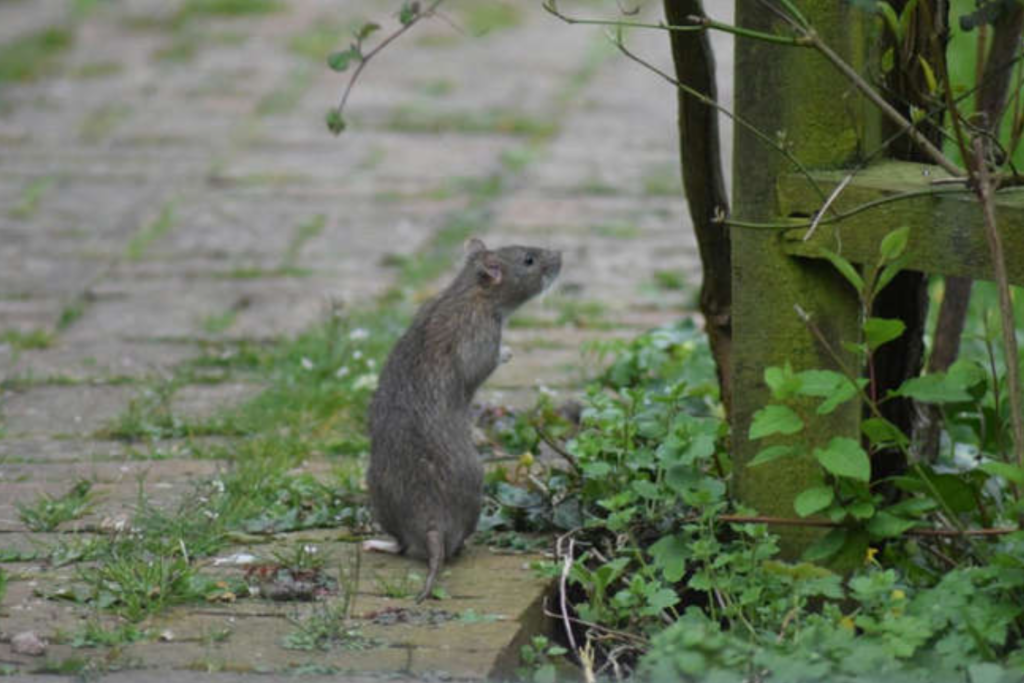
When invasive animals enter an island, they often become new predators or competitors that native species are not prepared for. For example, rats introduced to islands have been known to eat bird eggs, insects, and seeds, reducing the survival rate of native wildlife. This changes how energy moves through the food chain and can weaken entire populations over time.
As native species decline, other parts of the ecosystem also shift. Birds that once controlled insect populations may disappear, allowing insects to grow in number. This chain reaction can affect plants, soil quality, and even water systems. On many islands, invasive predators have caused long-term declines in seabird colonies, which are key to maintaining ecological balance.
The impact on native plants and forests
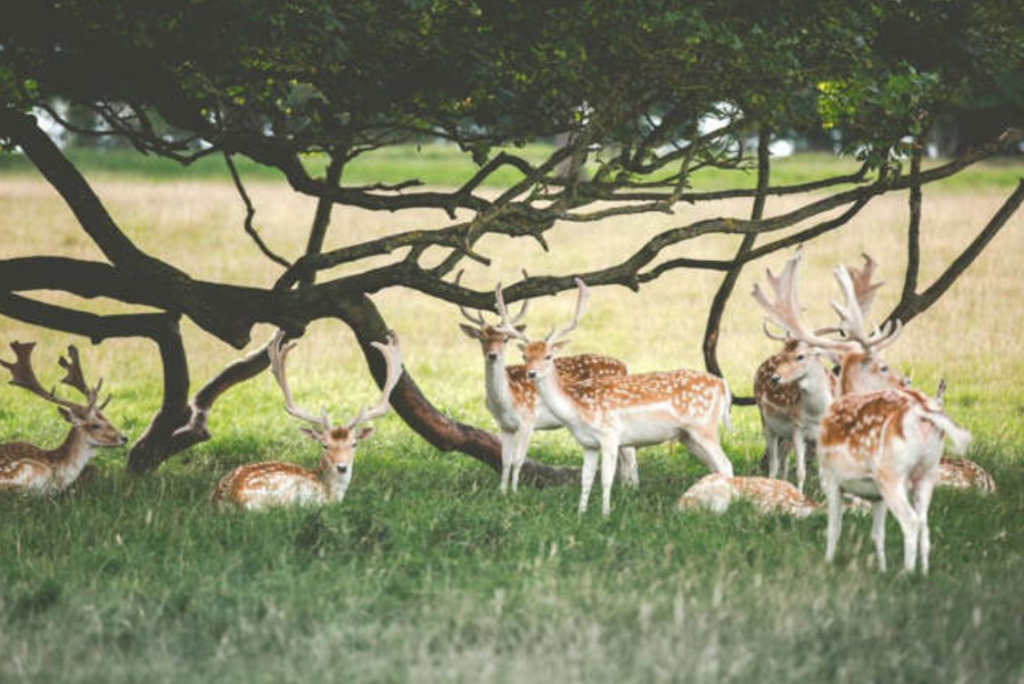
Invasive herbivores like goats and deer can dramatically change island vegetation. These animals eat native plants faster than they can grow back, stripping hillsides and forests bare. Over time, this leads to soil erosion, loss of plant diversity, and changes in how water moves through the land.
Once native plants are reduced, invasive plants often move in and take over. These plants usually grow fast and spread easily, but they do not support the same wildlife as native species. This means birds, insects, and other animals that depended on the original plants may struggle to survive, creating a weaker and less diverse ecosystem.
How ecosystems physically transform over time

As invasive species spread, they not only change living things but also change the land itself. For example, when grazing animals remove vegetation, hillsides become exposed to wind and rain. This can lead to soil loss and even changes in river flow patterns. Over time, the island’s landscape can look completely different from its natural state.
In some cases, islands that once had dense forests or rich plant life become dry, open, or heavily simplified environments. Scientists have observed that long-term invasive pressure can transform entire habitats into new ecological systems that no longer support the original native species. This shows how deeply biological invasions can reshape physical environments.
Why do invasive species spread so quickly on islands?

Invasive species often spread quickly on islands because they face fewer predators and competitors. Without natural controls, their populations can grow much faster than native species. This gives them a strong advantage in survival and reproduction.
Human activity also plays a major role in spreading invasive species. Ships, cargo, tourism, and agriculture can accidentally introduce new organisms to islands. Once established, these species are very difficult to remove, especially in remote or large island systems. This makes early detection and prevention extremely important for protecting ecosystems.
What happens when balance is lost and recovery efforts

When invasive species dominate, the natural balance of an island ecosystem can collapse. Native species may decline or disappear, food webs become unstable, and habitats lose their diversity. In some extreme cases, the ecosystem becomes dependent on the invasive species, even though it is harmful overall.
However, recovery is possible if invasive species are removed. On some islands, conservation programs have successfully eliminated rats or goats, allowing native plants and birds to return. This shows that ecosystems can heal, but only when long-term protection and careful management are in place.
Leave a Reply