
Have you ever noticed birds in your yard, squirrels on your fence, or even bats flying at dusk, and wondered if you are allowed to interact with them? In many places across the United States, these animals protected by law are right outside your home, and most people do not even realize it. These protections exist to keep wildlife safe, balanced, and alive for future generations.
In this article, you will learn which common backyard animals are legally protected, why the laws exist, and what you are allowed or not allowed to do if you encounter them. Understanding these rules helps you avoid legal trouble while also protecting nature in your own neighborhood.
Why do wildlife laws exist in neighborhoods?
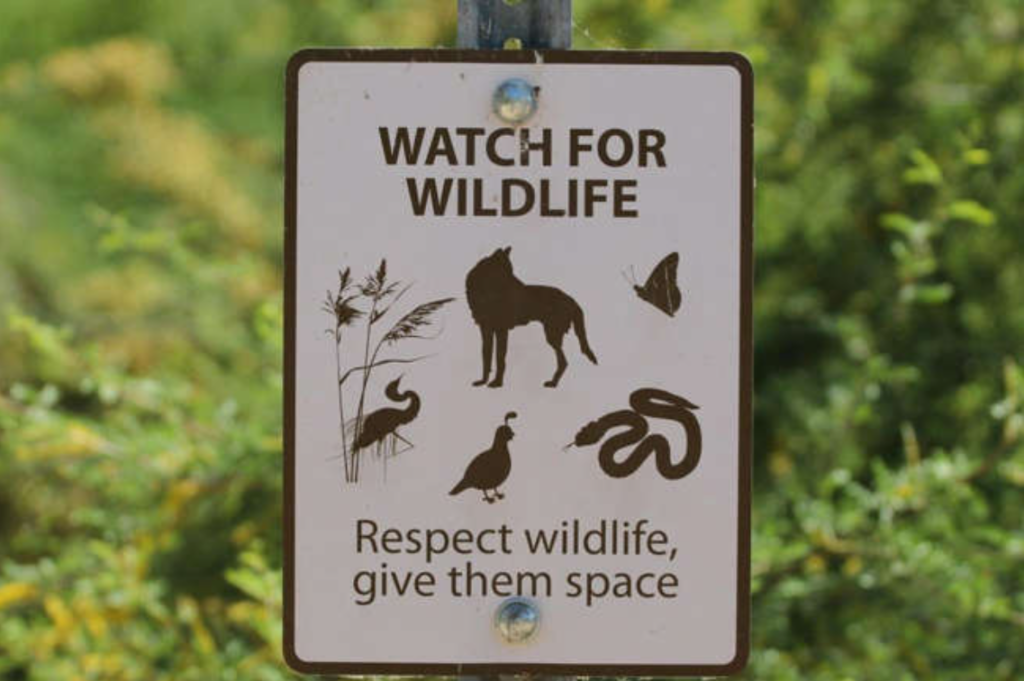
Wildlife laws exist because many animals once faced serious threats from hunting, habitat loss, and human activity. Over time, governments created rules to protect them and keep ecosystems healthy. These protections apply even in residential areas, not just forests or national parks.
One major law in the United States is the Migratory Bird Treaty Act, which protects more than a thousand native bird species. This law makes it illegal to capture, harm, or keep many wild birds without permission. It also protects nests, eggs, and even feathers in many cases.
Birds you see daily are often protected

Many of the birds you see every day are legally protected, even if they seem common. Birds like robins, cardinals, blue jays, and sparrows are covered under federal law because they are native migratory species. This means you cannot keep them as pets or disturb their nests.
Even something as simple as moving a nest with eggs inside can break the law. These protections help bird populations stay strong and safe across cities and suburbs. According to federal wildlife rules, more than 1,000 bird species fall under these protections across the country.
Raptors and owls have strict protection

Birds of prey like hawks, eagles, falcons, and owls receive even stronger legal protection. These animals are important for controlling rodent populations and keeping ecosystems balanced. Because of their importance, they are protected under both federal and state laws.
In most cases, you are not allowed to touch, feed, or capture them at all. The only rare exception is for licensed falconers who go through strict training and permits. Even then, these birds are still heavily regulated and not treated like pets.
Mammals living around your home are also protected

It is not just birds that are protected. Many small mammals you see in neighborhoods also fall under wildlife laws. Animals like bats, foxes, raccoons, and some squirrel species are protected depending on the state and situation.
For example, bats are protected because many species are endangered or important for controlling insects. Laws can also protect their roosting sites, even inside buildings or trees on private land. Disturbing or removing them without permission can lead to penalties.
Reptiles and amphibians in your area

Reptiles and amphibians like turtles, frogs, and certain snakes are also protected in many regions. Some turtle species are especially vulnerable because of habitat loss and illegal trade. This means removing them from the wild is often illegal.
Even if you find a turtle crossing a road or a frog in your yard, it is usually best to leave it alone. In some areas, handling or relocating them requires a permit. These laws help prevent population decline and keep ecosystems stable.
What you can and cannot do

Even though these animals live close to your home, there are clear limits on how you can interact with them. You are usually allowed to observe them, take photos, and enjoy their presence from a distance. However, capturing, harming, or keeping them without permission is illegal in most cases.
If you find injured wildlife, the correct action is to contact a licensed wildlife rehabilitator. Trying to care for protected animals on your own can lead to legal problems and may also harm the animal. These rules are designed to protect both people and wildlife.
Leave a Reply