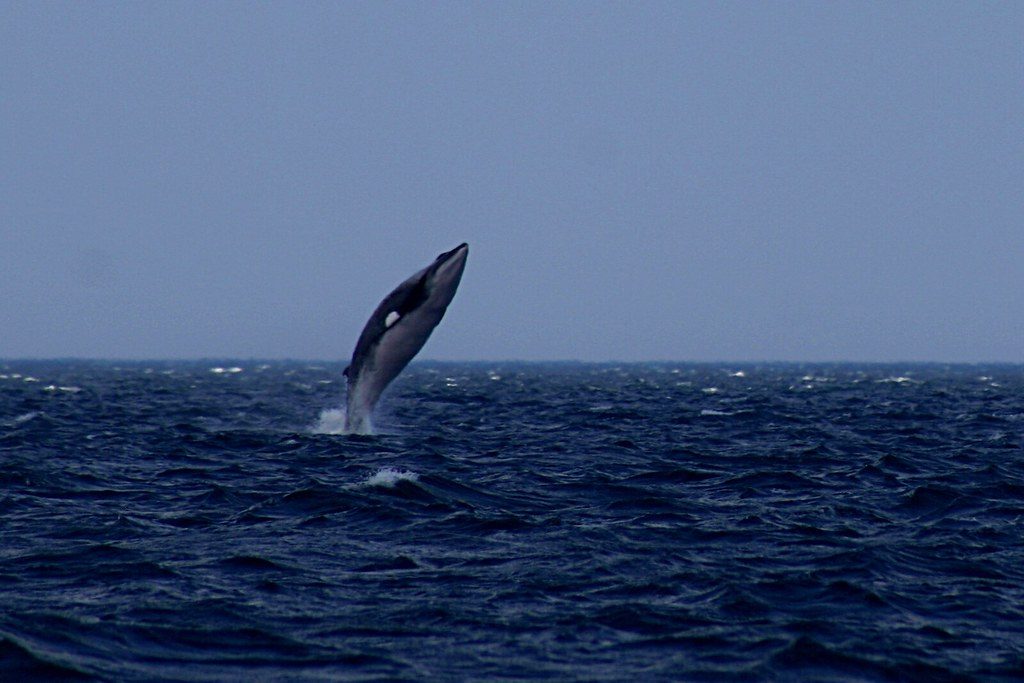
What happens when a whale dies and sinks to the bottom of the ocean? In one remarkable discovery, scientists found that the answer can be an entire ecosystem. Researchers recently uncovered a massive whale graveyard deep beneath the southeastern Indian Ocean, where marine life has been thriving on whale remains for millions of years.
The site is the deepest, oldest, and largest whale graveyard discovered so far. Filled with ancient bones and unique creatures, the finding is helping scientists understand how life survives in some of the harshest environments on Earth. The discovery offers a rare glimpse into a hidden world far below the ocean’s surface.
A remarkable discovery deep underwater
Scientists located the whale graveyard at depths of up to 23,000 feet in the southeastern Indian Ocean. The site contains multiple whale carcasses and fossil remains spread across a large area of the seafloor.
Researchers explored the region during several deep-sea submersible missions in 2023. Their work included collecting samples and mapping the extent of the underwater graveyard. In total, they identified five carcass sites along with fossilized whale remains.
Why whale falls create ecosystems
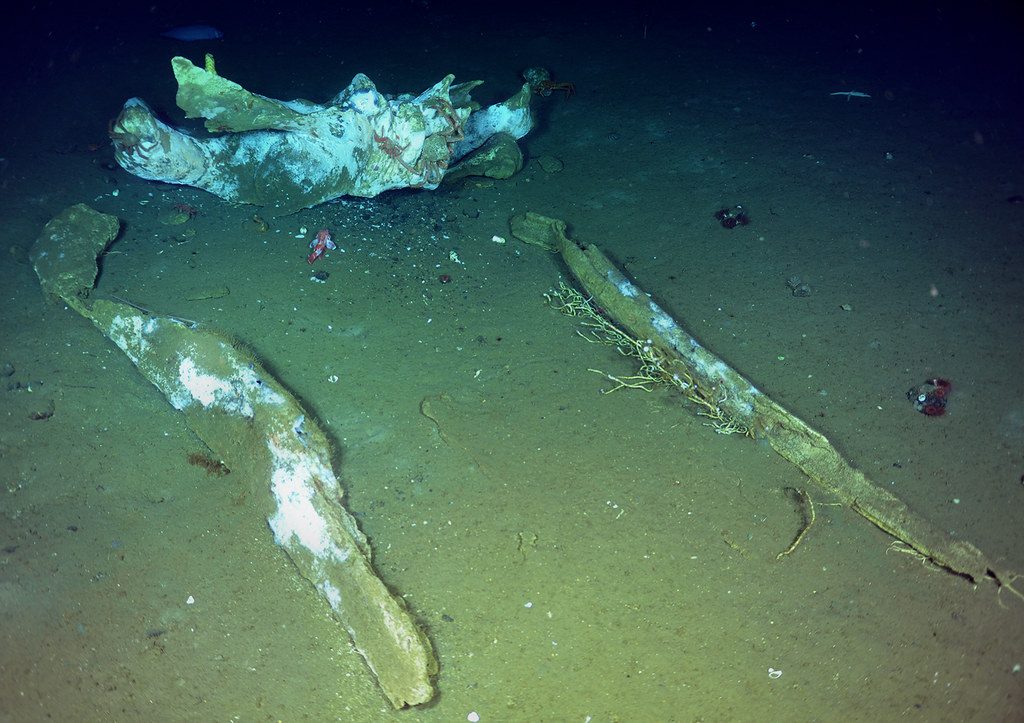
When a whale dies and sinks to the ocean floor, its enormous body becomes a valuable source of food. The carcass provides nutrients that support many different forms of marine life for extended periods.
A whale’s large size and the unique chemistry of its bones help sustain these communities. Even after most soft tissue disappears, the bones continue to support organisms that depend on nutrients stored within them.
An abundance of marine creatures
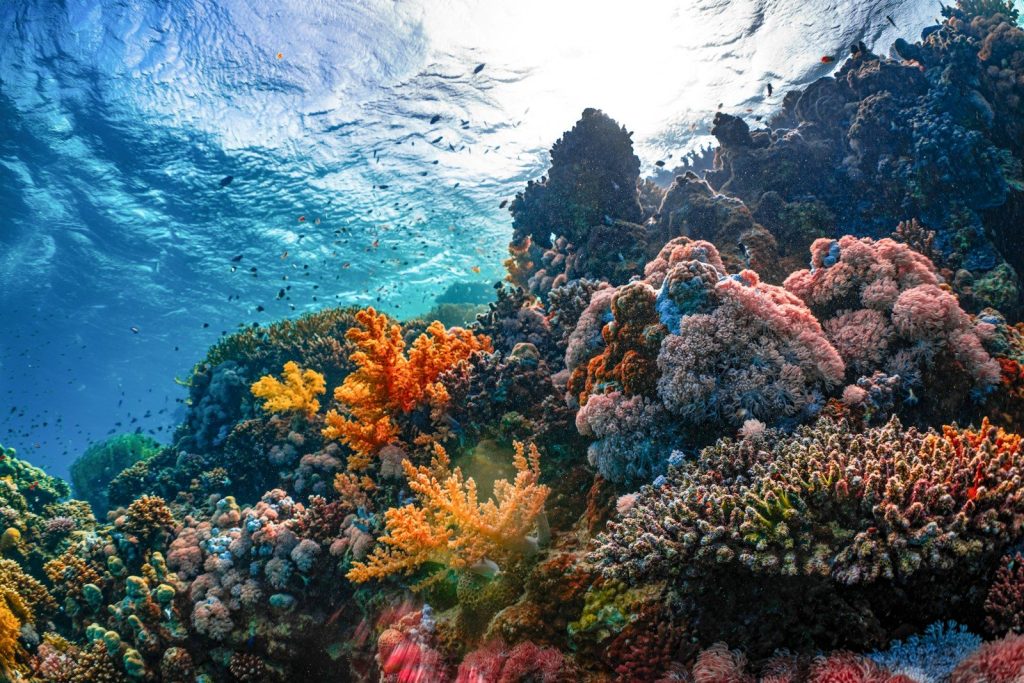
Scientists discovered a wide variety of animals living on and around the whale remains. These included jellyfish, tubeworms, brittle stars, sea cucumbers, squat lobsters, and saltwater clams.
Many of the organisms found at the site may represent species that have never been documented before. The sheer number of specimens collected suggests that the area contains an exceptionally rich and diverse ecosystem.
Bones preserved for millions of years
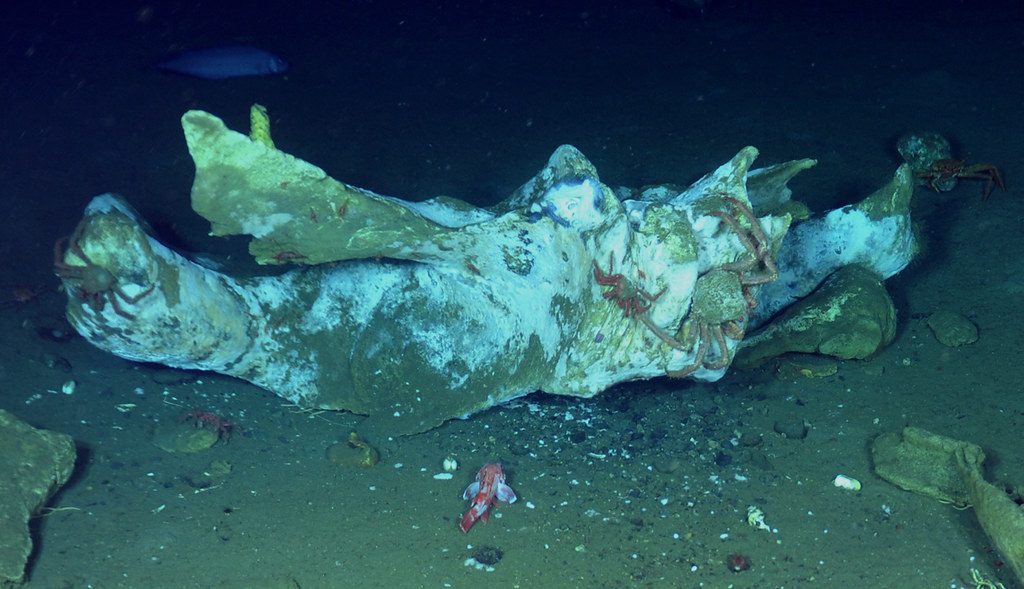
One of the most surprising aspects of the discovery is the age of the whale remains. Some of the oldest bones found at the site date back approximately 5.3 million years.
Several factors may have helped preserve the bones for so long. The bones are dense enough to resist damage from bone-eating organisms, while the great depth protects them from being buried under sediments. A thin coating of minerals may have also slowed their deterioration.
Why are so many whales gathered there?
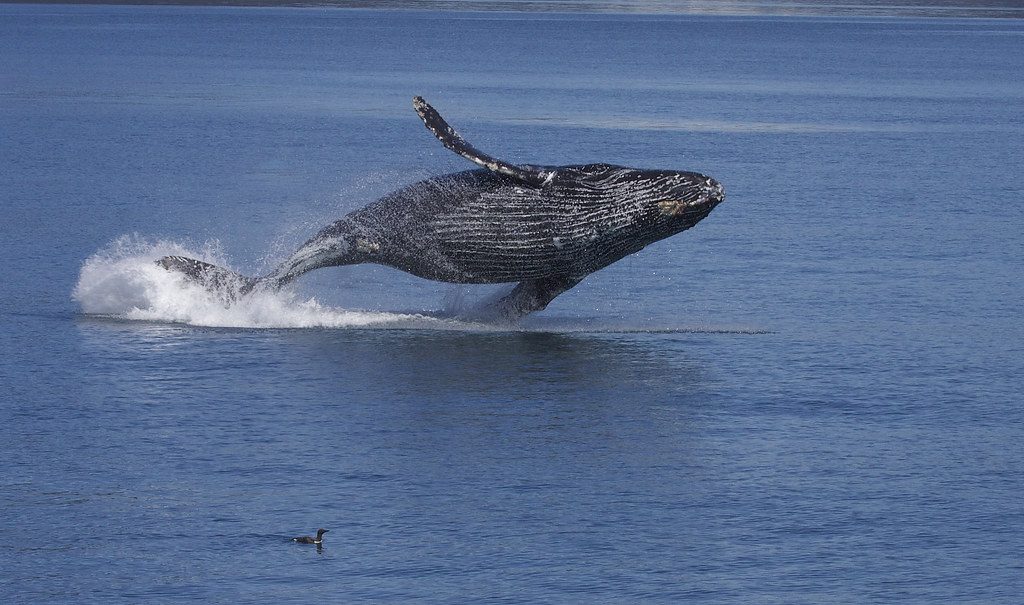
Researchers are still trying to understand why so many whale remains have accumulated in the same area. One possibility is that whales naturally lived in the region and died there over long periods.
Another explanation involves the shape of the underwater landscape. Scientists noted that the area resembles the letter V, which may have directed whale remains toward the same location and allowed them to accumulate over millions of years.
What this discovery means for science
The whale graveyard provides valuable information about how life adapts to extreme environments. Conditions at these depths include complete darkness, limited oxygen, and enormous water pressure.
By studying these ecosystems, scientists can learn more about how organisms survive in places that seem inhospitable. The discovery also highlights the incredible diversity of life that can develop even in some of the most remote parts of the ocean.
Leave a Reply