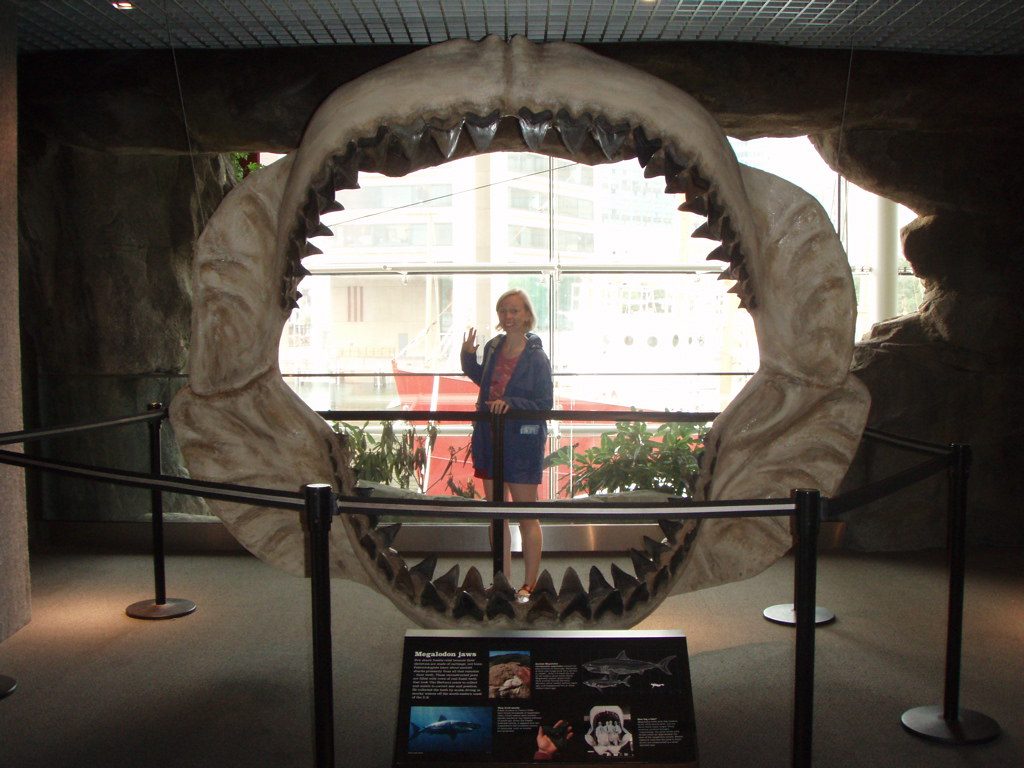
For years, many people imagined the megalodon as a giant version of the modern great white shark. Movies, books, and artwork often showed this prehistoric predator as an oversized great white with massive teeth and a bulky body. However, new research is changing that picture.
Scientists have used fossil evidence and comparisons with modern shark species to create a new reconstruction of the ancient giant. Their findings suggest that megalodon may have had a much slimmer and more streamlined body than previously thought. This new understanding offers fresh insight into how one of the largest predators in Earth’s history lived, moved, and survived in ancient oceans.
A new look at a famous predator
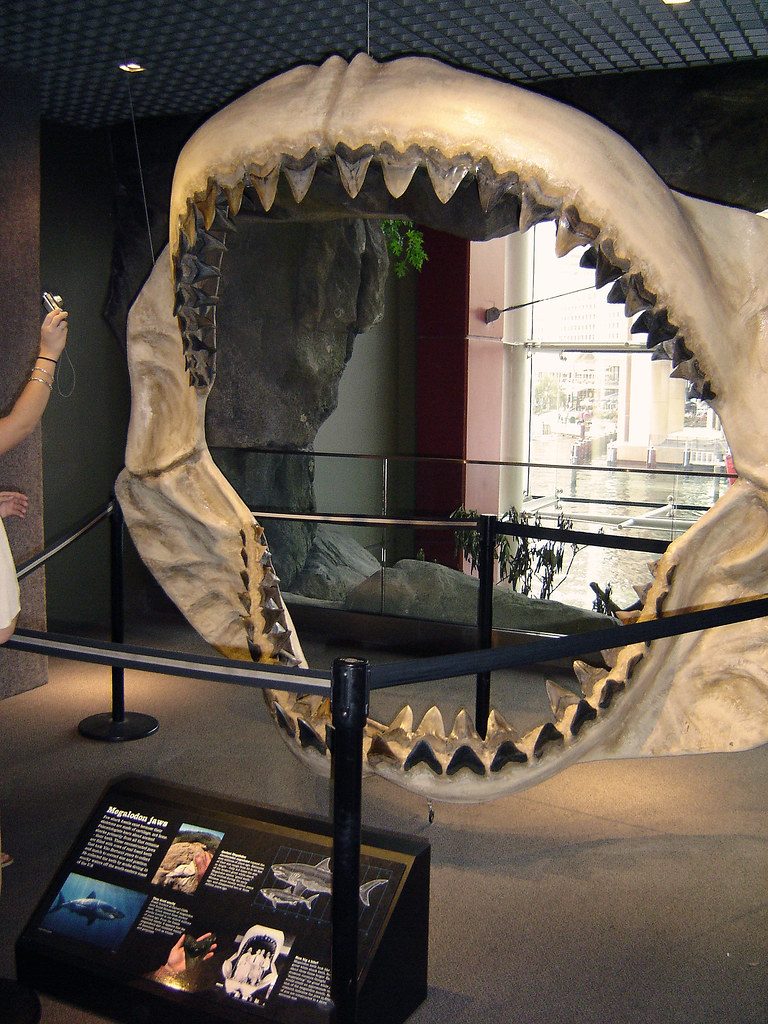
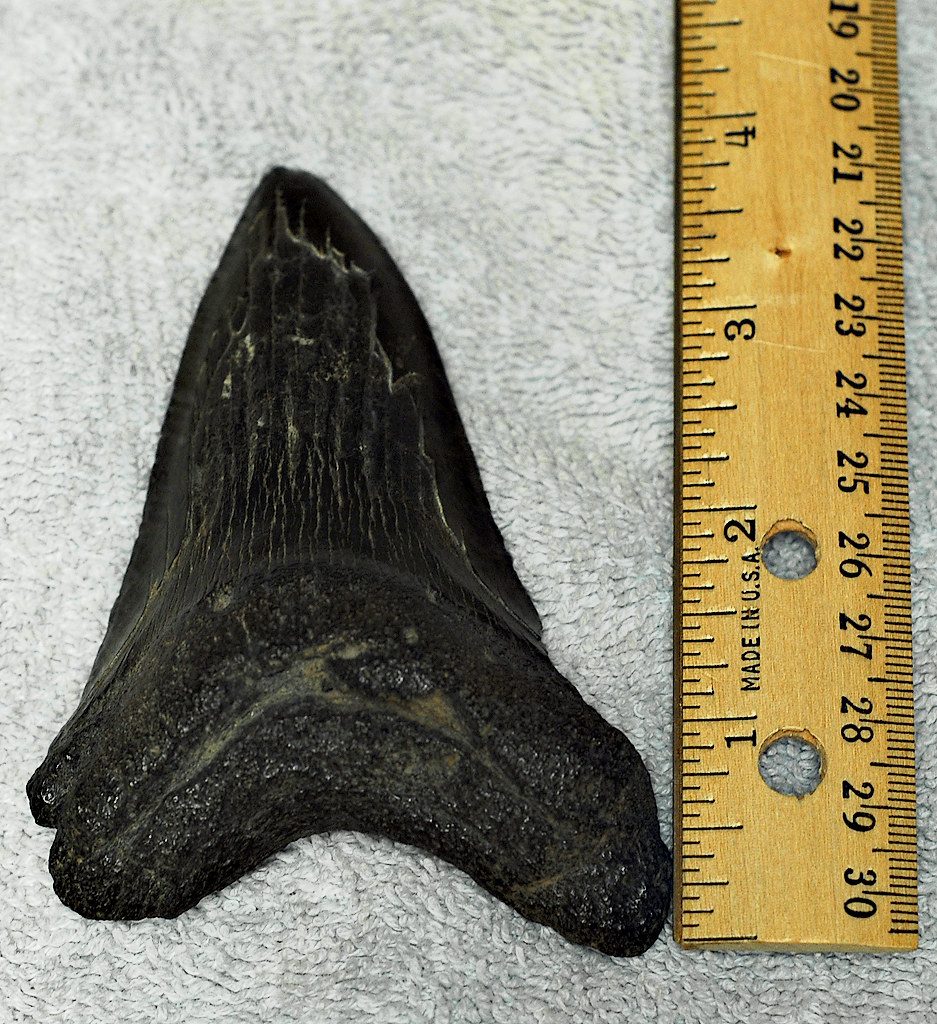
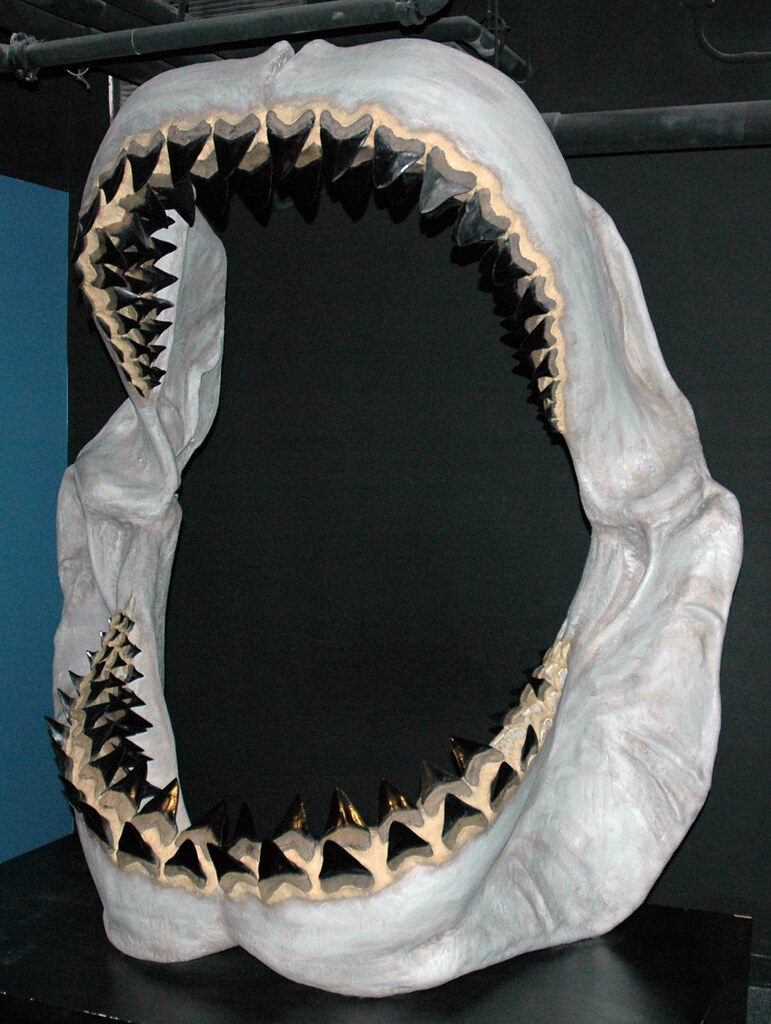
Megalodon, formally known as Otodus megalodon, lived between 15 million and 3.6 million years ago. Despite being one of the most famous extinct animals, scientists have never found a complete megalodon skeleton.
Most of what researchers know comes from fossilized teeth and vertebrae. Because complete remains are missing, scientists must use available fossils and comparisons with living sharks to estimate the animal’s appearance and size.
Why scientists changed their view

For many years, researchers assumed megalodon looked like an enormous great white shark. A new study led by paleobiologist Kenshu Shimada challenged that idea by examining body proportions from 145 living shark species and 20 extinct species.
The research suggests that megalodon may have resembled a modern lemon shark more than a great white. Instead of a thick, bulky body, it likely had a longer, more streamlined shape better suited to moving efficiently through the water.
How large was megalodon
One of the most complete fossil specimens comes from Belgium. The preserved vertebrae measure about 36 feet long, but they only represent the trunk section because the head and tail were missing.
Using body-proportion estimates, researchers concluded that this individual was likely around 54 feet long. The shark’s head may have measured about 6 feet long, while its tail could have stretched roughly 12 feet. Some Danish fossils suggest that some individuals may have grown even larger.
Could some megalodons reach 80 feet?
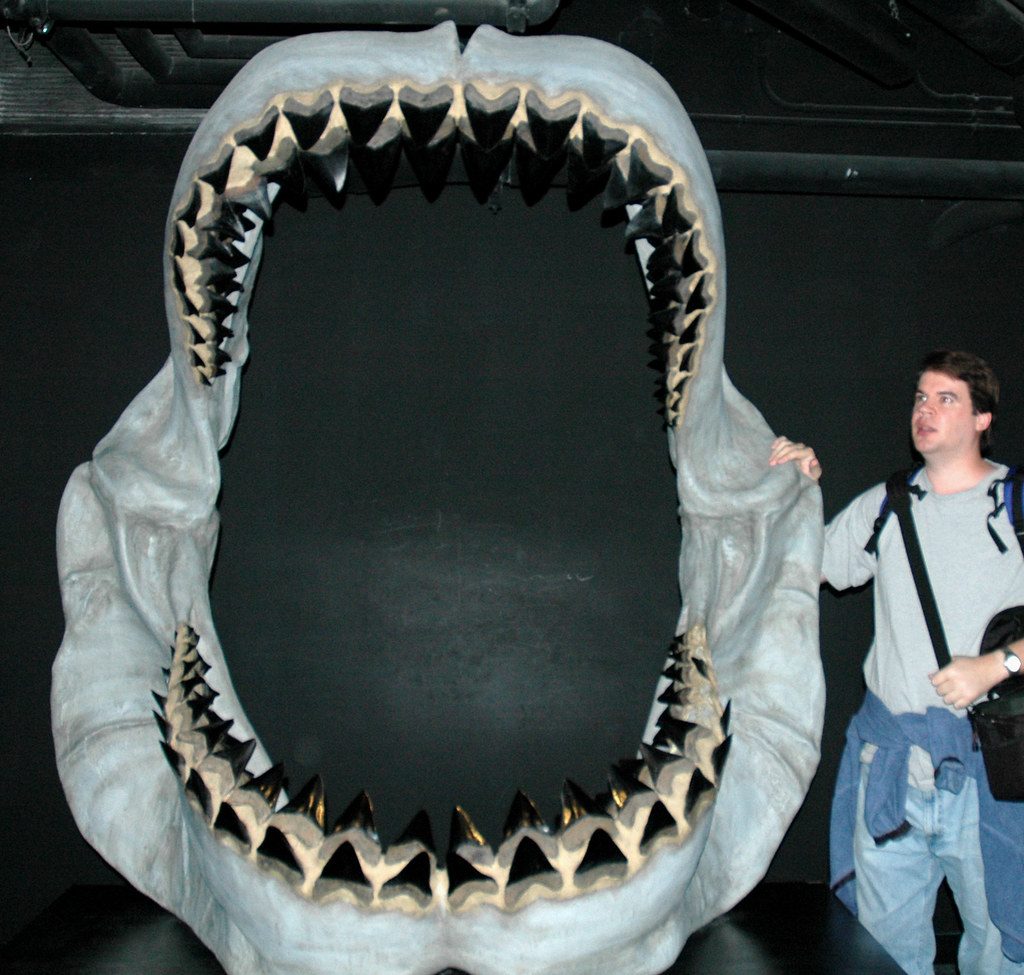
Scientists examined fossil vertebrae from Denmark measuring up to 9 inches across. If these fossils belonged to exceptionally large individuals, some megalodons may have reached lengths of about 80 feet.
A shark of that size would have been among the largest sharks ever known. The study estimated that an individual reaching this length could have weighed approximately 94 tons, making it one of the heaviest marine predators in history.
Growth and life in the ocean
The study also revealed new information about megalodon development. Researchers believe newborn megalodons were already enormous, measuring between 12 and 13 feet long at birth.
Like modern great white sharks, megalodons may have practiced a form of in-utero cannibalism, where developing embryos consumed unfertilized eggs before birth. Scientists also estimated that the shark’s cruising speed ranged from 1.3 to 2.2 miles per hour, similar to that of modern great white sharks.
What the findings mean for extinction
The new research may also help explain why megalodons disappeared. Although they differed in body shape, megalodons and great white sharks likely hunted similar prey and occupied comparable ecological roles.
Researchers suggest that the rise of the great white shark around 5 million years ago may have increased competition for food resources. The more adaptable great white may have gained an advantage, potentially contributing to the eventual decline and extinction of megalodon.
Leave a Reply