Bringing home a dog feels exciting, especially when a breed looks cute, friendly, or easy to manage. Many new owners choose based on looks, size, or what they saw in movies and social media, but some dogs come with habits that can catch people off guard. Certain breeds need much more training, exercise, and patience than people expect.
Some dog breeds that surprise new owners do so because they are far more active, stubborn, loud, or demanding than they seem. A dog can be loving and still be hard to raise if its natural instincts are strong. This article covers six breeds that often surprise first-time owners and explains why they can become challenging without the right preparation.
Border collie
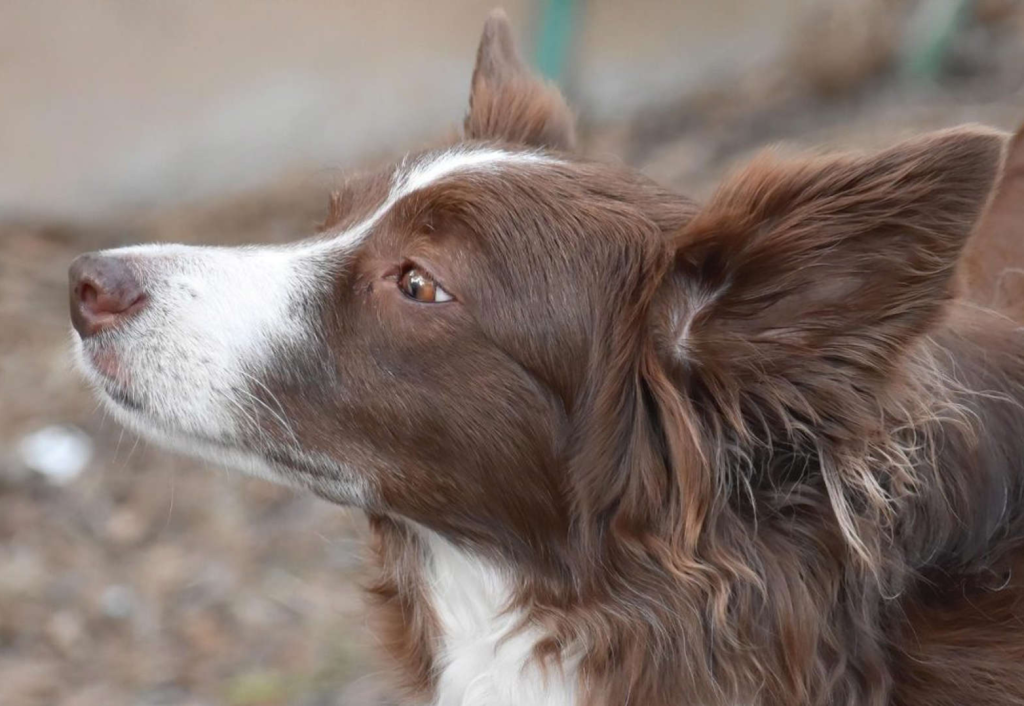
Border Collie is often called one of the smartest dog breeds in the world, but that intelligence can be overwhelming. New owners may think a smart dog will be easier, but this breed needs constant work to stay happy. Without tasks, games, or training, it may herd children, chase moving objects, or create its own entertainment.
The surprise comes from how much daily involvement they need. Many require one to two hours of exercise plus mental challenges, not just a backyard. Families who expected a playful pet often realize they brought home a working dog that wants a full-time job.
Beagle
Beagles seem like a simple family dog because of their size and friendly faces. Many new owners are surprised by how driven beagles are when they pick up a scent. Once their nose catches something, they may ignore commands and follow the smell without stopping.
Their voice is another surprise. Beagles were bred as hunting dogs, and they often bark, howl, or bay loudly when excited. That sound can become stressful in apartments or quiet neighborhoods, especially for owners who expected a small and easy pet.
Dalmatian

Dalmatians are famous because of movies, but real life is very different. Many first-time owners pick them because they are striking and elegant, then learn these dogs are powerful, athletic, and highly active. They were bred to run beside horse-drawn carriages, so they naturally need lots of movement.
Dalmatians can also be reserved around strangers and may become protective of their home. If training and socialization start late, owners may face jumping, pulling, or guarding behaviors. That combination surprises many families who thought they were getting a calm spotted companion.
Jack Russell Terrier

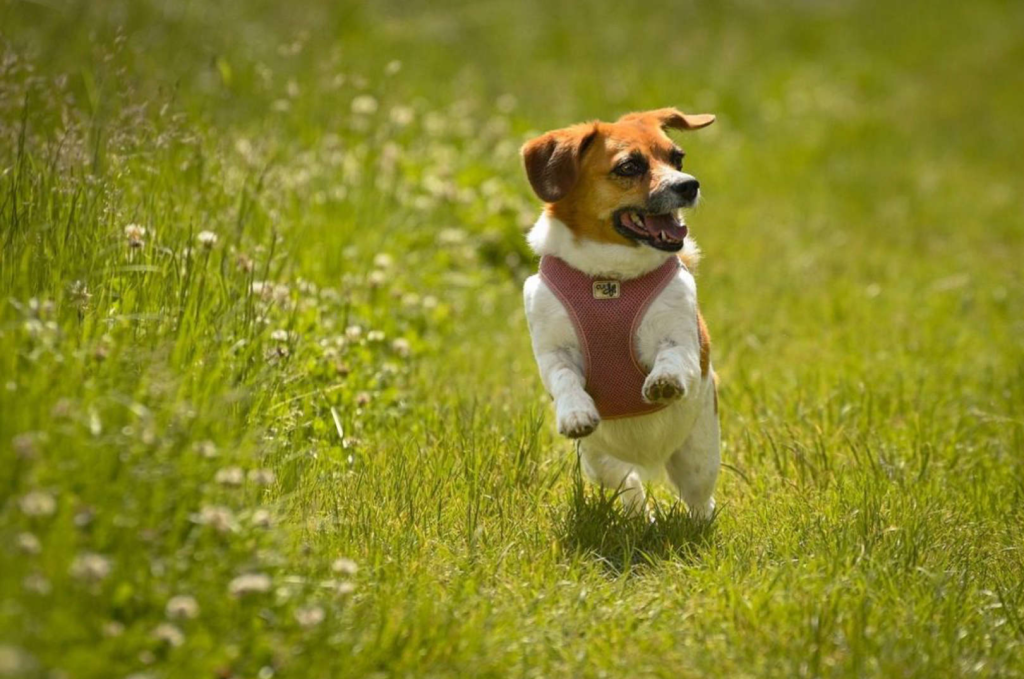
Jack Russell Terrier is small, but size can be misleading. Many new owners assume a small dog will be easier, but this breed has enormous energy and a strong hunting instinct. Jack Russells were bred to chase foxes, so they often dig, dart, and chase anything that moves.
They are also very determined and often test boundaries. If they are not trained early, they can become noisy and destructive indoors. The biggest surprise for many people is how a small dog can require as much effort as a much larger one.
German shepherd
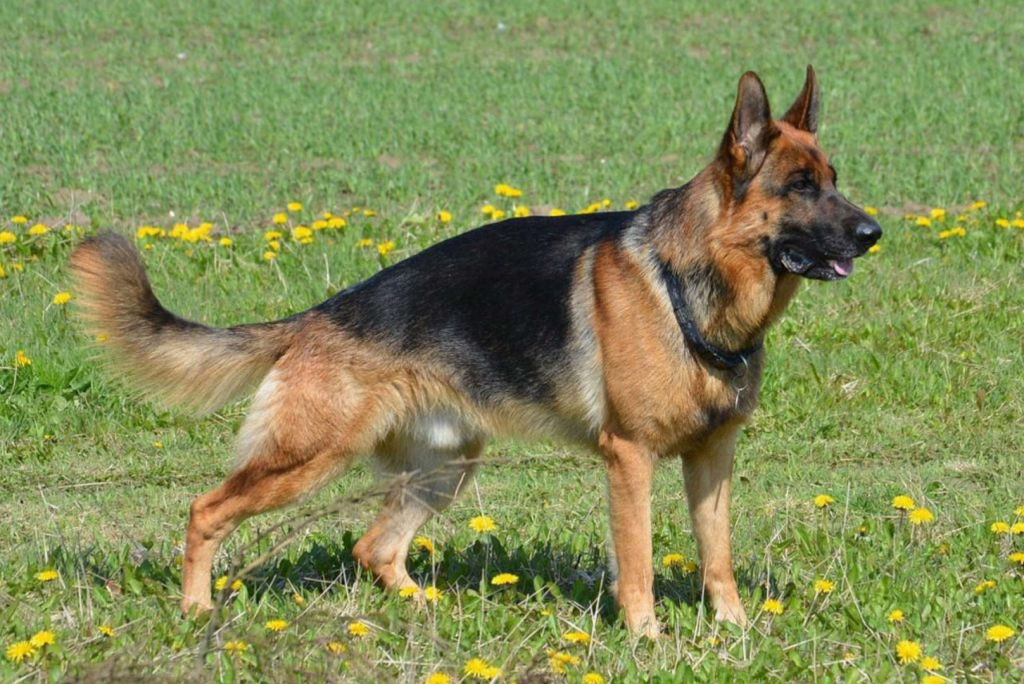
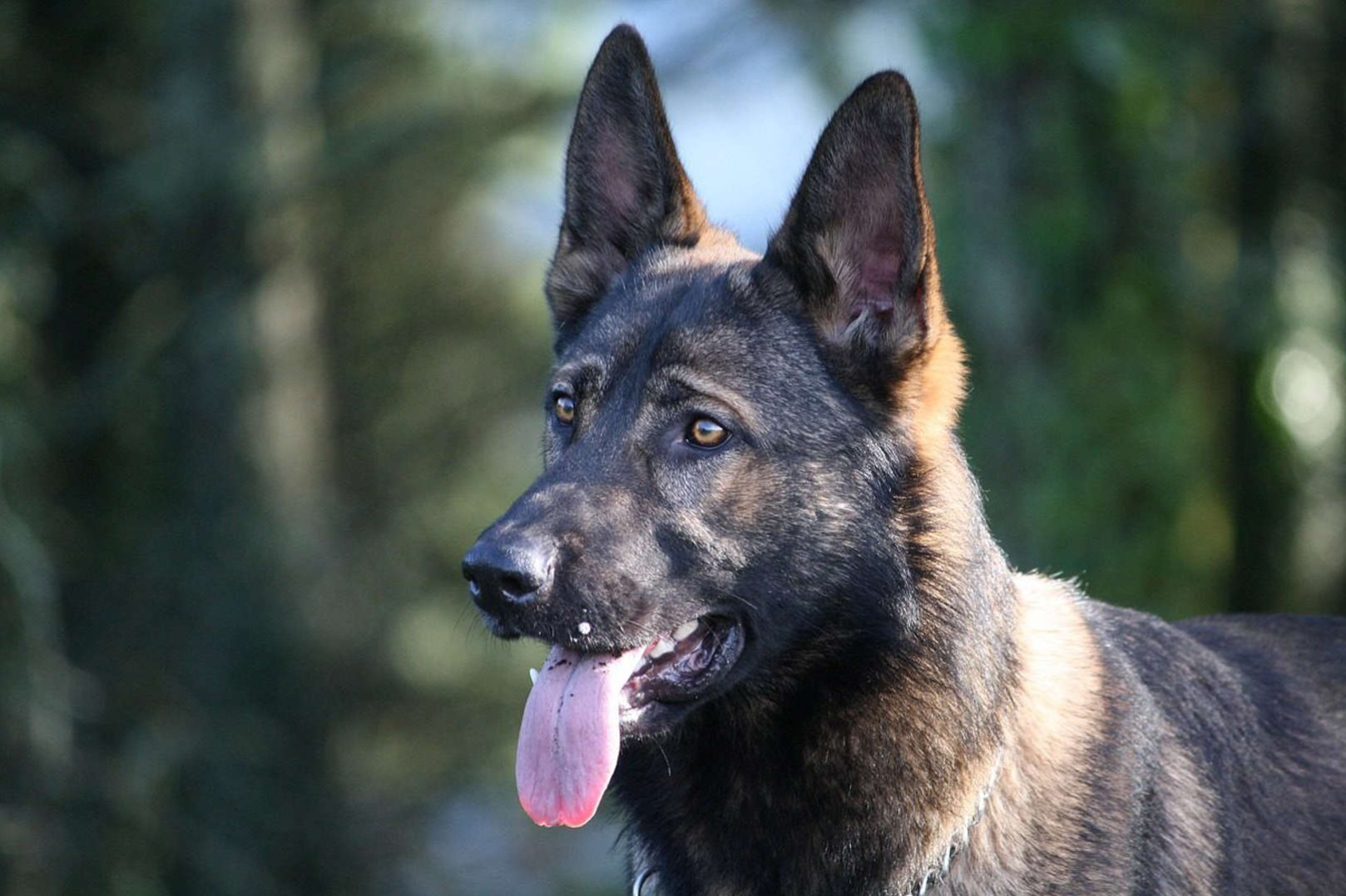
German Shepherds are loyal and highly trainable, but many new owners underestimate the work involved. These dogs are deeply attached to their family and often need strong leadership. Without steady training, they may become anxious, overprotective, or too suspicious around strangers.
Their intelligence means they learn fast, but they also notice inconsistency. A new owner who skips training or socialization may end up with a strong dog that makes its own rules. That can become difficult because German shepherds are large, powerful, and quick to react.
Australian shepherd
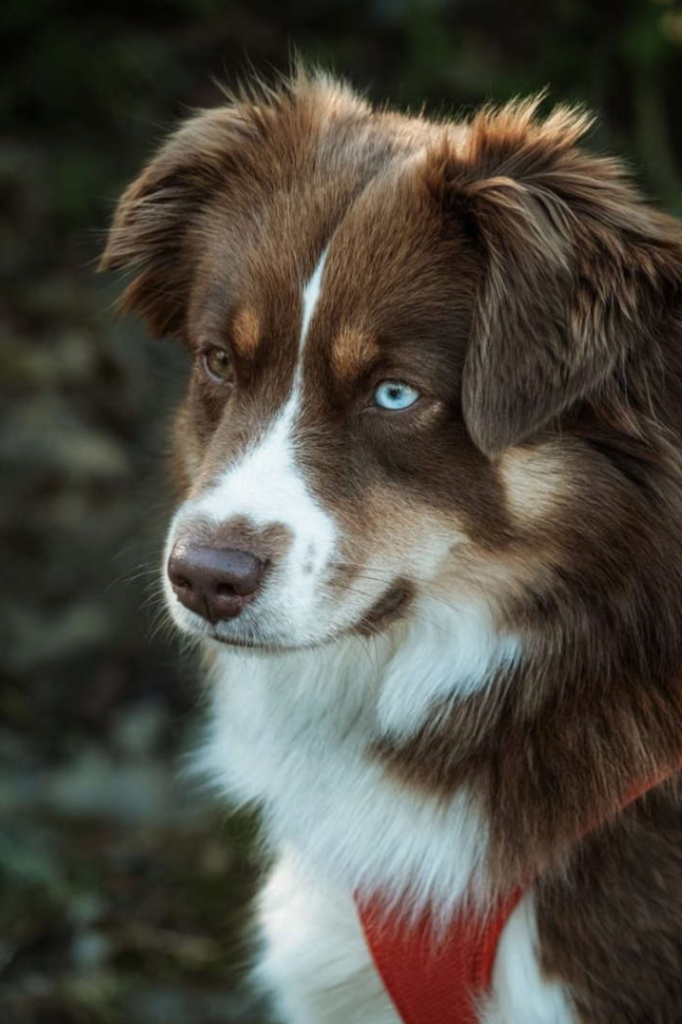
Australian Shepherd attracts people because of its bright eyes and fluffy coat. Many assume it will be a relaxed family dog, but it is another herding breed with intense mental and physical needs. It may nip at heels, chase children, or become restless when it lacks activity.
This breed often surprises owners because of how quickly boredom shows up. Even long walks may not satisfy them if there is no training or problem-solving. People who expected a pretty companion often discover they brought home a dog that thrives on constant work and stimulation.
Leave a Reply