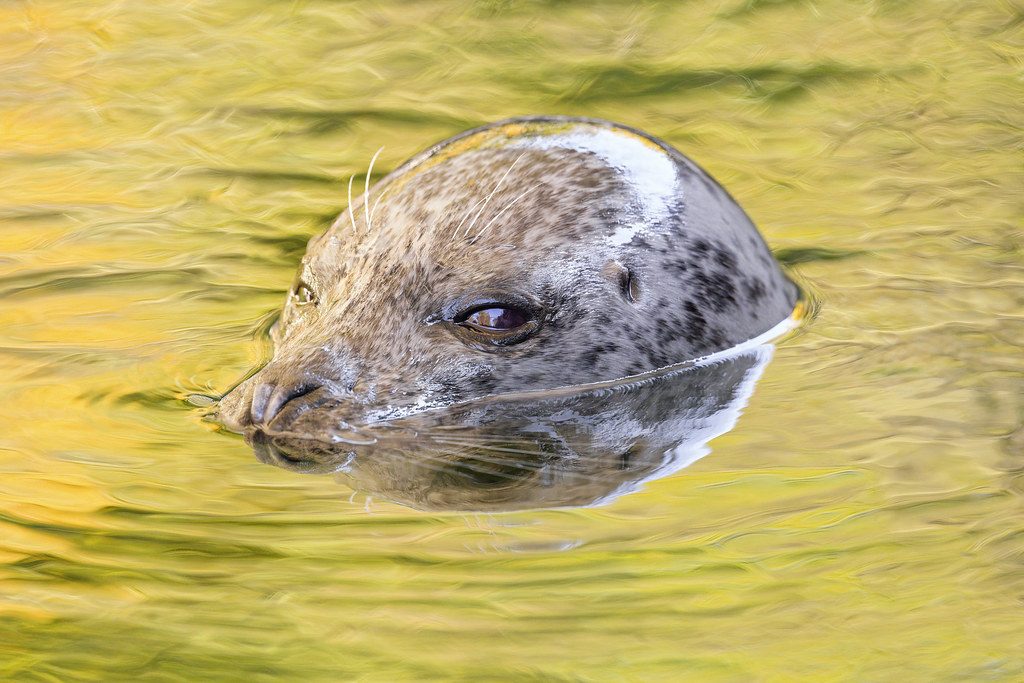
Few animal stories are as heartbreaking as the loss of Casey, the world’s last captive leopard seal. His death raised difficult questions about animal care, conservation, and whether some wild creatures can ever truly thrive in captivity. Many people still search for answers about why a zoo made such a painful decision and what it meant for one of Antarctica’s most mysterious predators.
This article explores the true story behind Casey’s life at Taronga Zoo, how he became the only captive leopard seal in the world, why veterinarians decided to put him down, and why his death remains an emotional topic years later. By understanding the facts, readers can see both the sadness of his loss and the important lessons his life left behind.
How Casey became the world’s only captive leopard seal
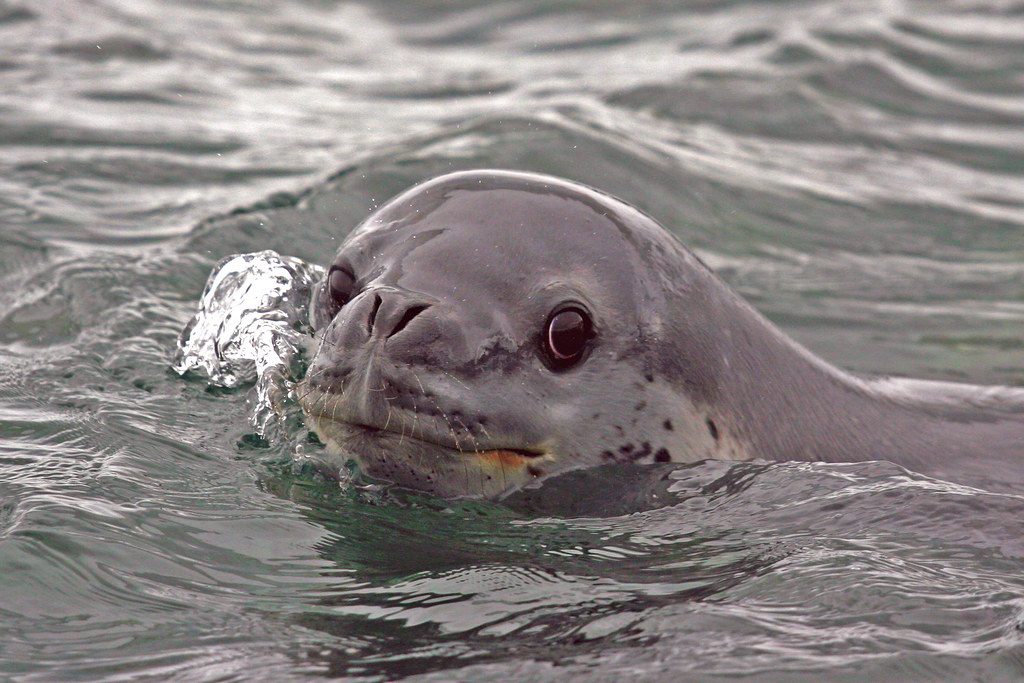
Casey was not born in a zoo. In 2007, he was found stranded on a beach south of Sydney, Australia. The young leopard seal was severely underweight and carried a fresh shark bite wound on his abdomen. Wildlife experts rescued him and brought him to Taronga Zoo, where veterinarians worked hard to save his life. Over time, Casey recovered and became one of the zoo’s most beloved animals. Because leopard seals are native to Antarctica and very rarely live in captivity, his rescue quickly attracted attention from scientists and animal lovers around the world.
The zoo later decided not to release Casey back into the wild. Experts worried that he could introduce diseases to the fragile Antarctic leopard seal population after spending time around humans and other animals. As a result, Casey remained at Taronga Zoo and eventually became the only leopard seal living in captivity anywhere in the world. His unique status allowed researchers to study a species that is normally difficult to observe because it lives in remote Antarctic waters and spends much of its life alone.
Why leopard seals are so difficult to keep in captivity
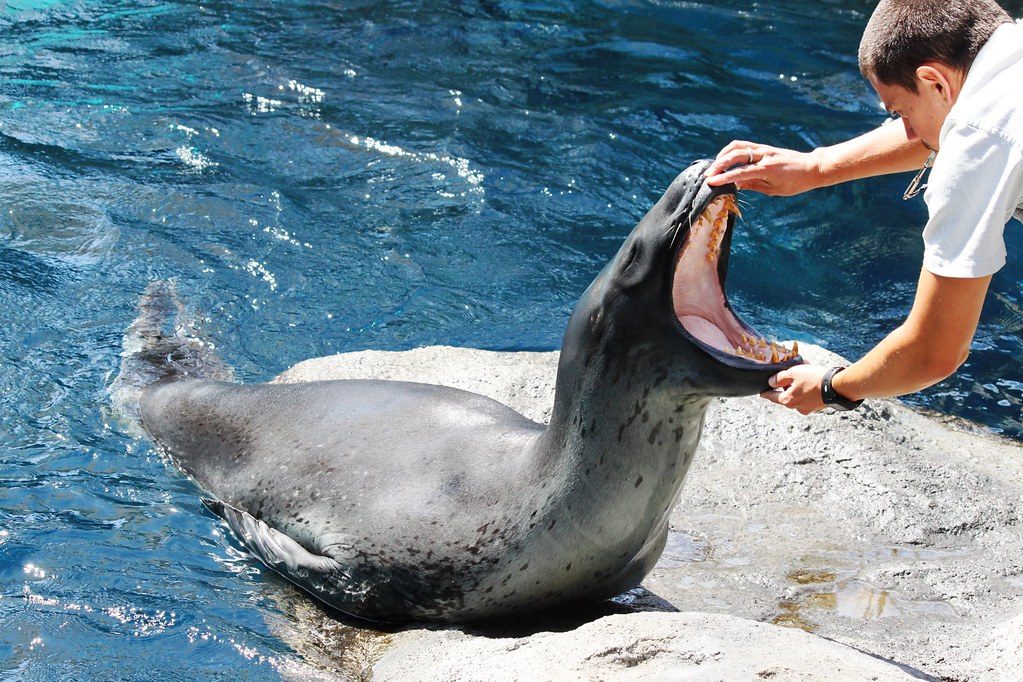
Leopard seals are among the most powerful predators in Antarctica. They are large, muscular animals with strong jaws and long canine teeth. Adult females can grow over 11 feet long and weigh more than 1,000 pounds, while males are slightly smaller. Unlike seals that gather in large groups, leopard seals usually live alone and roam huge areas of icy ocean. Their natural habitat includes freezing temperatures, drifting sea ice, and an endless supply of wild prey.
These special needs make captivity extremely challenging. Zoos and aquariums must recreate cold water environments, provide specialized diets, and ensure the animals receive proper mental stimulation. Very few facilities in the world have attempted to keep leopard seals because the animals are unpredictable and require enormous resources. Before Casey, only a handful of leopard seals had ever been held by zoos, and none stayed in captivity for long periods. This rarity made Casey’s life especially important for researchers trying to understand the species.
The illness that changed everything
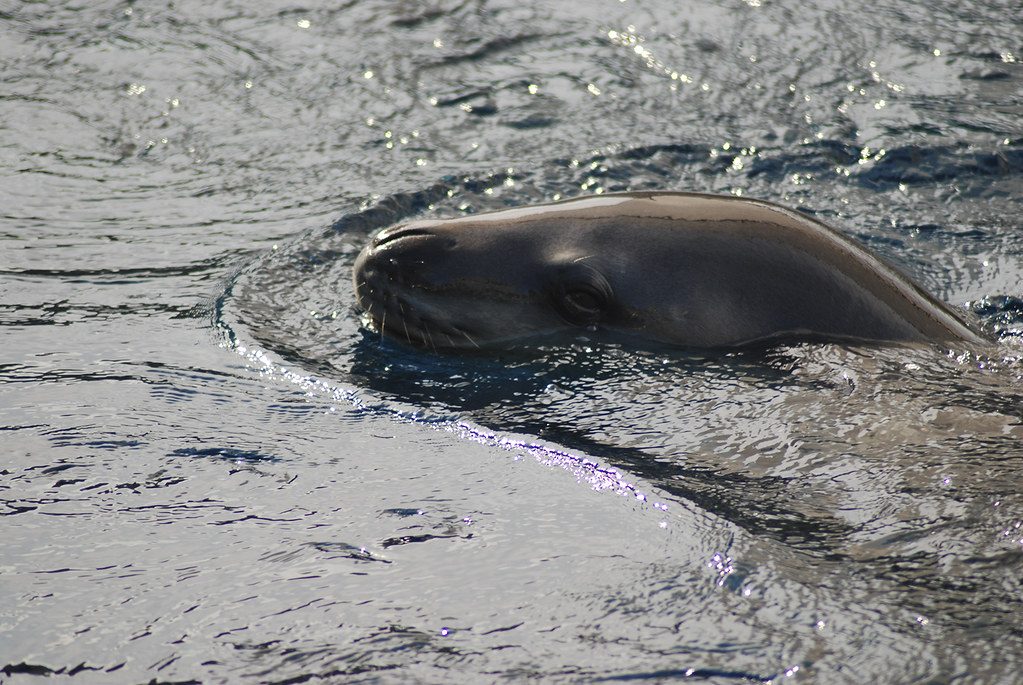
For several years, Casey appeared healthy and active. Visitors loved watching him swim through his large habitat, and zoo staff formed strong bonds with him. Researchers also gained valuable information about leopard seal behavior, vocal sounds, and feeding habits. Casey even became known for unusual enrichment activities, including listening to music played by zoo keepers. His playful side helped change public views of leopard seals, which are often seen only as fierce predators.
However, Casey’s health began to decline in early 2014. According to the zoo, he stopped eating and his condition worsened over a long period despite intensive veterinary care. Specialists monitored him closely and tried numerous treatments, but his health continued to deteriorate. The veterinary team eventually concluded that his quality of life was rapidly declining and that recovery was unlikely. Faced with a painful decision, the zoo chose to euthanize Casey to prevent further suffering.
Why the decision sparked strong emotions

News of Casey’s death spread quickly around the world because he was the only captive leopard seal alive at the time. Many people were shocked that such a rare and remarkable animal was gone forever from zoos. Social media users expressed sadness, while others questioned whether more could have been done to save him. The emotional response was understandable because Casey represented something unique that few people would ever have the chance to see again.
Still, there is little evidence that a large activist movement accused the zoo of wrongdoing. Most reports described the euthanasia as a heartbreaking medical decision rather than a controversial act. Taronga Zoo stated that veterinarians and marine mammal experts had exhausted all available treatment options before making their choice. Animal welfare groups generally accept euthanasia when an animal is suffering and has little hope of recovery, although the loss of such a rare creature naturally led to sadness and public debate.
What Casey taught scientists about leopard seals

Even though Casey spent only part of his life in captivity, he contributed greatly to scientific research. Leopard seals live in one of the harshest environments on Earth, making them difficult to study in the wild. Researchers often rely on brief field expeditions or remote cameras to observe them. Casey offered scientists a rare chance to learn about his species up close and over many years.
Scientists studied his vocal sounds, swimming patterns, eating habits, and social behaviors. Researchers hoped this information would help them better understand wild leopard seals and improve conservation efforts in Antarctica. Casey also helped educate millions of visitors about marine ecosystems and the challenges faced by animals living in polar regions. His life showed that even one rescued animal can have a lasting impact on science and public awareness.
The legacy left behind by the last captive leopard seal
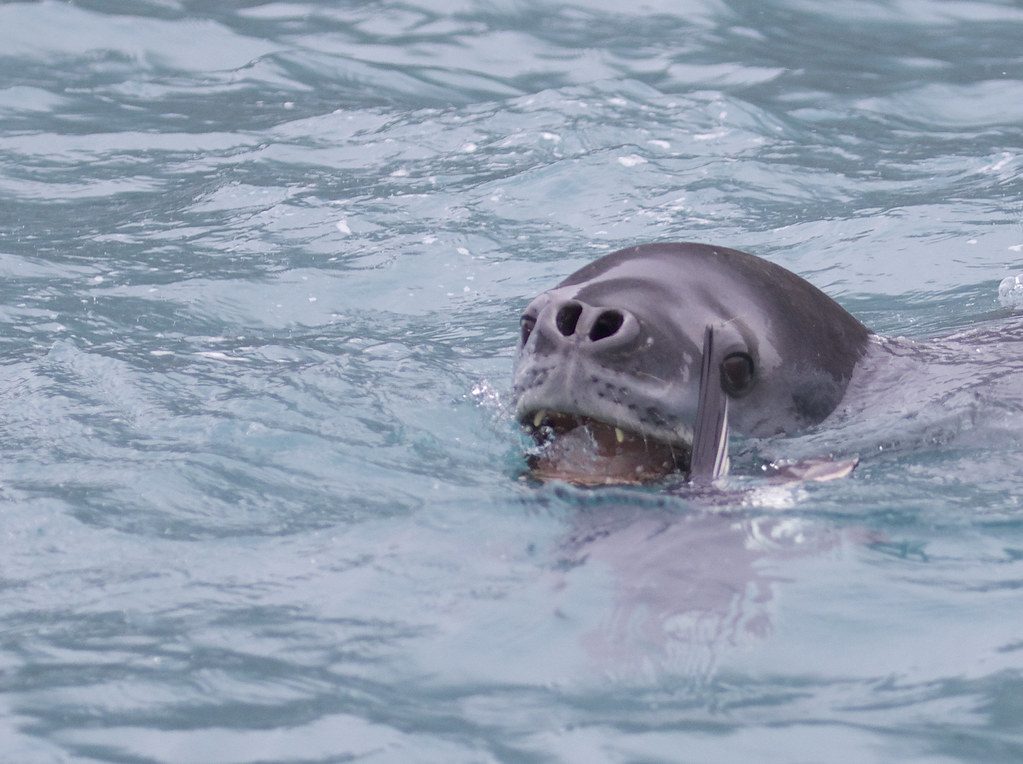
More than a decade after his death, Casey remains one of the most famous leopard seals ever known. His story continues to appear in documentaries, articles, and discussions about wildlife care. For many people, he symbolizes both the beauty of wild animals and the limits humans face when trying to care for species that evolved in extreme environments. His life reminds us that rescuing an animal is only the beginning of a long and complicated journey.
Casey’s story also highlights important questions about conservation. Should rare animals be kept in captivity if they cannot return to the wild? How do experts balance scientific research with animal welfare? There are no easy answers, but Casey helped start conversations that continue today. While his death was deeply sad, his legacy lives on through the knowledge he gave scientists and the memories he created for everyone who followed his remarkable life.
Leave a Reply