For years, scientists feared they had lost one of the Pacific Ocean’s most important creatures forever. The strange and colorful sunflower sea star almost vanished after a devastating disease swept through the West Coast, killing billions of sea stars and changing entire marine ecosystems. But now, a surprising discovery off Northern California is giving researchers new hope.
Eighteen sunflower sea stars have been found in the waters of the Greater Farallones National Marine Sanctuary, marking one of the biggest sightings in California since the species collapsed more than a decade ago. This article explains what happened to these giant sea stars, why their return matters, and how scientists are working to protect them before it is too late.
A giant sea star vanished almost overnight
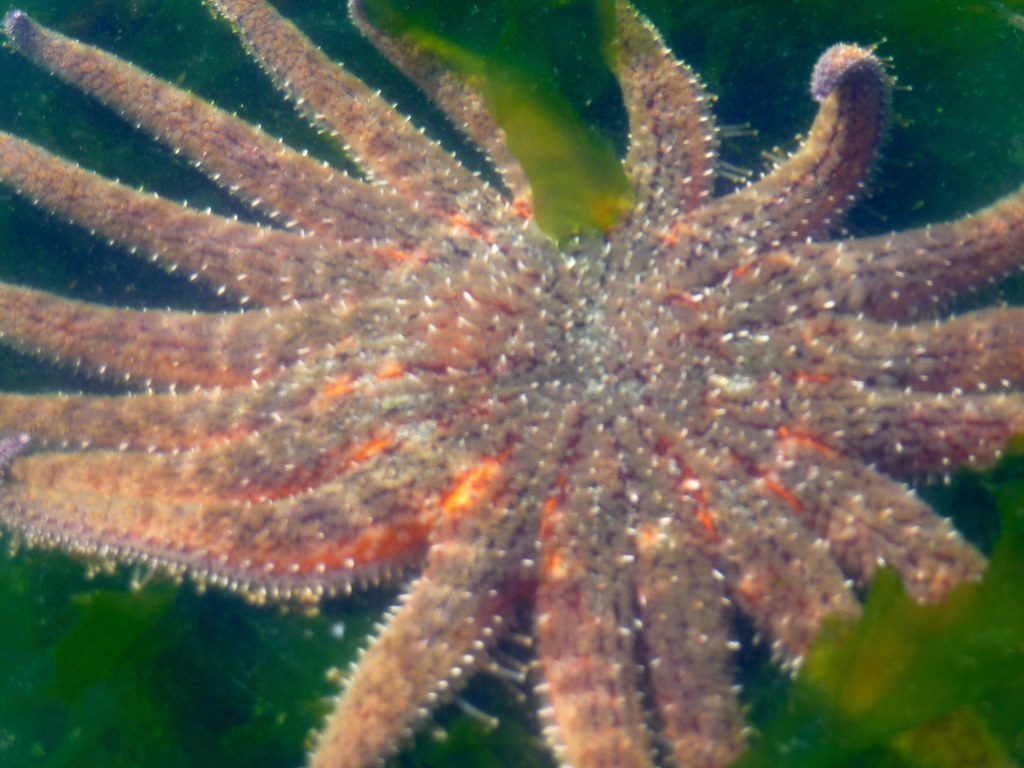
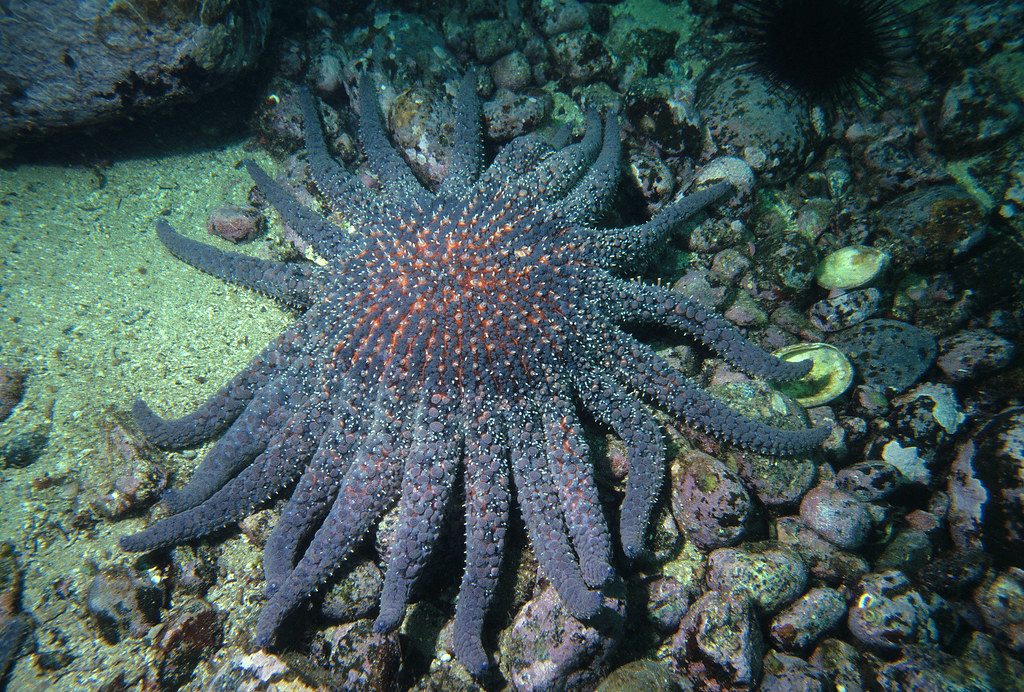
The sunflower sea star is one of the largest sea star species on Earth. Its scientific name is Pycnopodia helianthoides, and adults can grow more than three feet across. Most have between 16 and 24 arms, although the exact number varies. Their bodies come in many colors, including orange, purple, red, brown, and yellow. Unlike slower sea stars, sunflower sea stars are fast-moving predators that can travel about three feet every minute across the seafloor in search of food.
For decades, these sea stars were common along the Pacific coast from Alaska to Southern California. Then disaster struck in 2013. A mysterious illness called sea star wasting disease began spreading rapidly. Infected animals developed lesions, their arms twisted or fell off, and many eventually died. Between 2013 and 2017, the disease killed billions of sea stars across North America in what scientists describe as the largest marine epidemic ever recorded. By the end of the outbreak, sunflower sea stars had nearly disappeared from California waters, and researchers worried the species might never recover.
Scientists finally found survivors off California
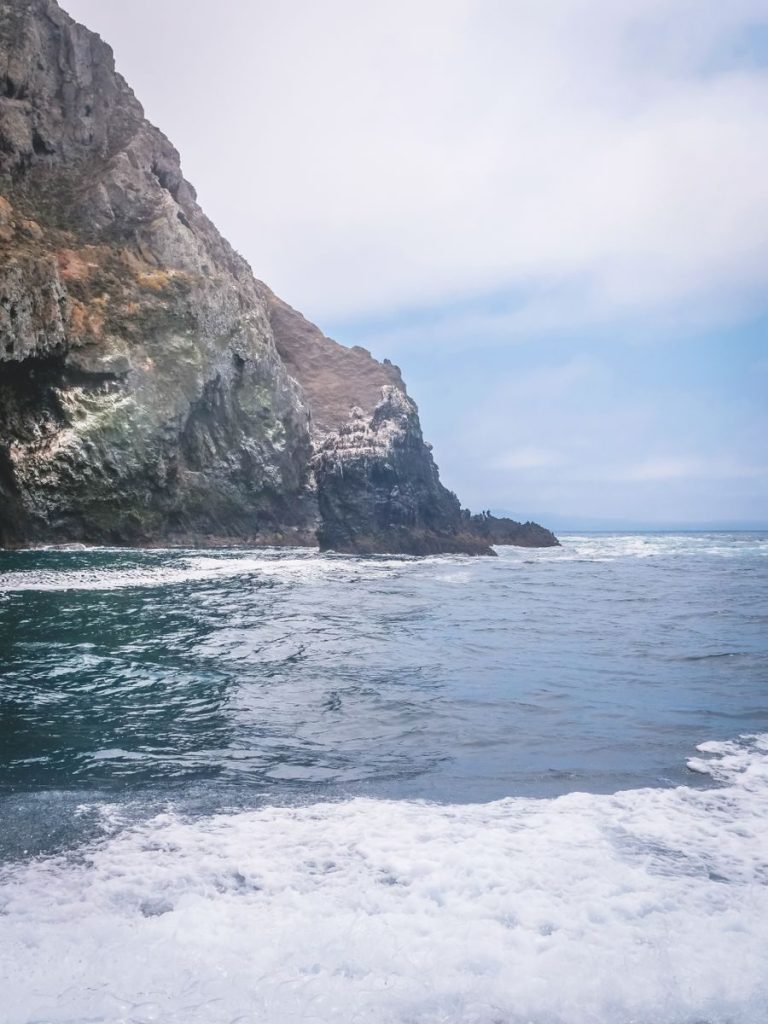
Hope returned last summer when researchers discovered 18 sunflower sea stars in the Greater Farallones National Marine Sanctuary off the coast of Northern California. The stars were found during Sonoma State University’s first diving event, known as “Pycnopalooza.” The discovery was especially exciting because previous sightings in California had been extremely rare and usually involved only one or two animals.
The newly discovered sea stars were not tiny juveniles. Many were large, mature adults that may be capable of reproducing. Scientists collected small tissue samples, water samples, and ecological data from the site to learn more about the animals and their environment. Researchers believe these survivors could hold important clues about why some sea stars lived while billions of others died. Their genes may reveal whether they have natural resistance to disease or other traits that helped them survive such a catastrophic event.
The disease changed the ocean forever
The loss of sunflower sea stars affected much more than a single species. These animals are considered keystone predators, meaning they play an outsized role in keeping ecosystems balanced. One of their favorite foods is the purple sea urchin, a spiny creature that feeds on kelp. When sunflower sea stars disappeared, sea urchin populations exploded because fewer predators were hunting them.
The increase in sea urchins had devastating consequences for kelp forests. Vast underwater forests that once covered parts of the California coast were stripped bare as hungry urchins consumed kelp faster than it could grow. In the Farallones region alone, about 90 percent of kelp habitat was lost. Scientists say the disappearance of these forests affected many other species, including fish, sea otters, sharks, and seabirds. The ripple effects spread throughout the food web, showing how the loss of one important predator can reshape an entire ecosystem.
Kelp forests are underwater jungles
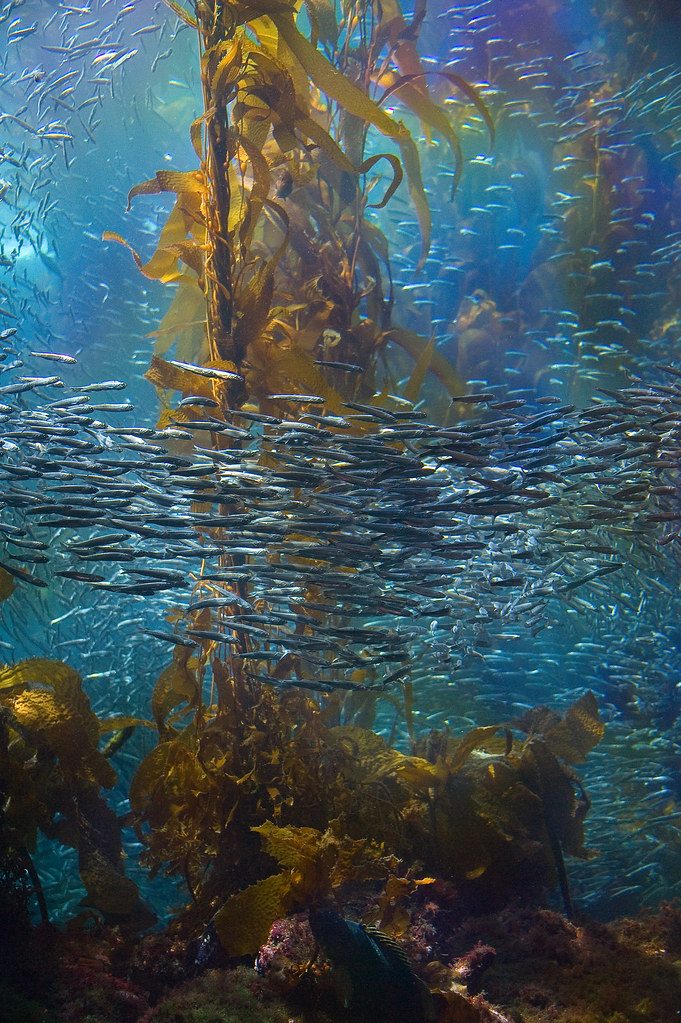
Kelp forests are among the most productive ecosystems on Earth. Giant kelp grows rapidly and forms towering underwater structures that provide food, shelter, and breeding grounds for hundreds of species. Fish hide among the fronds, sea otters hunt for prey, and sharks patrol the edges of these marine forests. Nearly 800 species depend on kelp ecosystems somewhere along the Pacific coast.
These forests also help people. Kelp absorbs carbon dioxide from the atmosphere and stores it in ocean ecosystems, helping slow climate change. Scientists estimate that a hectare of healthy kelp forest can absorb dozens of tons of carbon dioxide each year. But kelp is sensitive to warming oceans. Marine heat waves, changing ocean conditions, and strong climate events such as El Niño can slow kelp growth or kill large areas of forest. That is why the return of sunflower sea stars is so important. By controlling sea urchins, they may help kelp forests recover naturally over time.
Researchers are racing to save the species

Scientists are not waiting to see what happens next. Across the West Coast, researchers are working on ways to restore sunflower sea star populations before another disease outbreak or marine heat wave strikes. At laboratories such as the Birch Aquarium in San Diego, scientists have successfully bred sunflower sea stars and raised their larvae in controlled conditions. The goal is to create healthy populations that could one day be returned to the ocean.
Other researchers are exploring whether selective breeding could make sea stars more resistant to disease and warmer water. Some scientists are even studying whether helpful bacteria and algae could protect sea stars in the same way beneficial microbes help corals survive stress. New discoveries are happening quickly. Researchers say they are learning more every month about how these animals grow, reproduce, and fight disease. This growing knowledge gives scientists confidence that recovery is possible, even though many challenges remain.
The rediscovery offers hope for the future
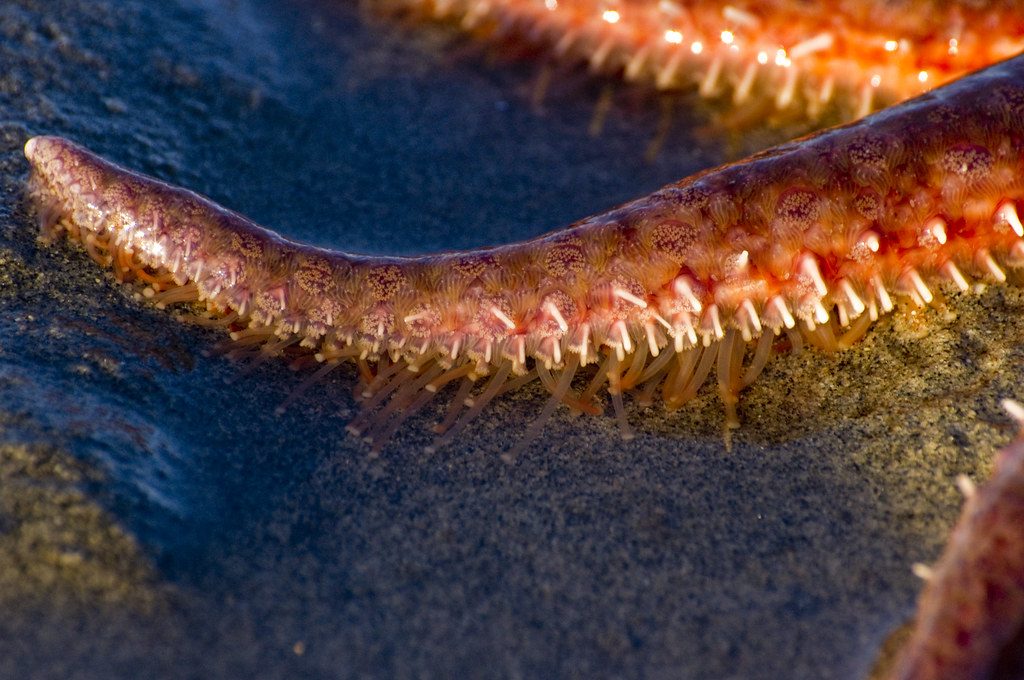
The rediscovery of sunflower sea stars is more than a scientific milestone. It is a reminder that nature can sometimes recover even after severe losses. The sight of 18 healthy sea stars in Northern California shocked many researchers who had spent years searching without success. Some described the moment as feeling like seeing a dinosaur alive in the modern world.
Still, the future of the species remains uncertain. Sunflower sea stars are considered threatened, and experts continue to debate what protections they need. Conservation groups want stronger safeguards for coastal habitats and cleaner ocean waters, while scientists continue studying the long-term effects of disease and climate change. Yet for the first time in many years, there is real optimism. The survival of these sea stars suggests that recovery is possible, and with continued research and conservation, one of the Pacific Ocean’s strangest and most important creatures may once again thrive along the California coast.
Leave a Reply